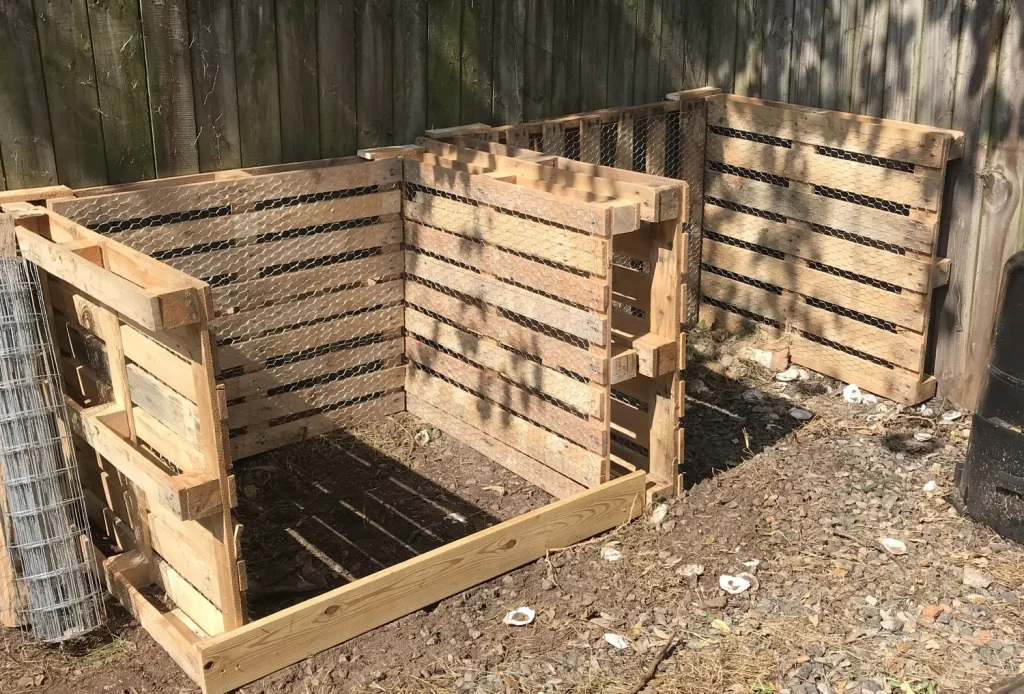
Are you ready to turn your kitchen scraps and yard waste into rich, healthy compost? Building a compost bin out of pallets is a simple, affordable way to do just that.
Imagine having a sturdy, eco-friendly bin right in your backyard, made from materials you might already have. In this guide, you’ll discover easy steps to create your own compost bin using pallets, saving money and helping the environment. Keep reading, and you’ll learn how to make composting a breeze—your garden will thank you!
Credit: homefixated.com
Choosing The Right Pallets
Building a compost bin from pallets is a smart and eco-friendly way to recycle wood. Choosing the right pallets is important to make your bin strong and safe.
This guide helps you pick pallets that last long and keep your compost healthy.
Types Of Pallets To Use
Not all pallets are the same. Some are better for compost bins. Look for these types:
- Wooden Pallets:Strong and easy to work with. Best choice for compost bins.
- Heat-Treated Pallets:Marked with “HT.” Safe and free of chemicals.
- Plastic Pallets:Durable but harder to fix and less breathable.
- Metal Pallets:Heavy and can rust. Not ideal for compost bins.
Checking Pallet Safety
Safe pallets keep your compost free from harmful chemicals. Follow these tips to check safety:
| Marking | Meaning | Safe for Compost? |
| HT | Heat Treated | Yes |
| MB | Methyl Bromide (chemical) | No |
| DB | DIB (chemical) | No |
| Stamped with country code | Shows origin and treatment | Check carefully |
Avoid pallets painted or stained with bright colors. These may have toxic chemicals.
Where To Find Free Or Cheap Pallets
Finding pallets without paying much saves money. Here are places to look:
- Local warehouses or factories often give away pallets for free.
- Hardware stores may sell old pallets at low prices.
- Check online marketplaces for free or cheap pallets.
- Ask local grocery stores or garden centers.
Always inspect pallets before taking them. Make sure they are safe and in good shape.

Credit: www.onehundreddollarsamonth.com
Gathering Materials And Tools
Building a compost bin from pallets is easy and cost-effective. This guide will help you gather what you need to get started.
You’ll need specific tools and materials to ensure a sturdy compost bin. Let’s break it down into essential tools and additional materials.
Essential Tools For Assembly
These tools will help you assemble your compost bin efficiently.
- Hammer
- Screwdriver
- Measuring tape
- Saw
- Drill
Additional Materials Needed
Apart from tools, you will need some materials to construct your compost bin from pallets.
| Material | Quantity |
| Wooden pallets | 4 |
| Nails or screws | As needed |
| Hinges | 2 sets |
| Wire mesh | Optional |
Preparing The Pallets
Building a compost bin from pallets starts with preparing the wood. Good preparation makes the bin strong and safe.
This section explains how to clean, sand, and cut the pallets before assembling the bin.
Cleaning And Sanding
First, clean the pallets to remove dirt and chemicals. Use a brush and soapy water. Let them dry well.
Next, sand the pallets to smooth rough edges. This prevents splinters and makes the wood safer to handle.
- Wear gloves and a mask for safety
- Use medium-grit sandpaper for best results
- Sand all surfaces and edges evenly
- Remove dust with a cloth after sanding
Cutting Pallets To Size
Measure the space where you want the compost bin. Mark the pallets to fit that size.
Use a saw to cut the pallets carefully. Cut only where needed to keep the pallet stable.
- Use a tape measure and pencil for marking
- Cut along the marks with a handsaw or power saw
- Wear safety goggles and gloves while cutting
- Smooth cut edges with sandpaper
Assembling The Compost Bin
Building a compost bin with pallets is easy and cost-effective. This guide helps you put the parts together properly.
Follow the steps below to arrange pallets, secure them, and add a front panel for easy access.
Arranging Pallets For The Base And Walls
Place four pallets on a flat surface to form a square. Use two pallets side by side for the base and two for the walls.
- Lay two pallets flat on the ground as the base.
- Stand two pallets upright to create the back and one side wall.
- Leave the front open for now to add a removable panel later.
- Ensure the pallets fit tightly together with no gaps.
Securing Pallets Together
Use nails or screws to join the pallets at the corners. This keeps the structure strong and stable.
| Tool | Purpose |
|---|---|
| Hammer | For nailing pallets together |
| Drill | To screw pallets securely |
| Metal Brackets | Extra support at corners |
| Measuring Tape | Ensures correct spacing |
Attach metal brackets on inside corners for added strength. Check that the bin stands level before finishing.
Adding A Removable Front Panel
Create a front panel using one pallet or several wooden slats. It should fit snugly but be easy to remove.
- Attach hinges to one side of the front pallet.
- Use a simple latch or hook on the other side.
- Ensure the panel swings open smoothly.
- Make the panel removable for easy compost access.
Positioning And Setting Up
Building a compost bin from pallets is a smart way to recycle wood and create rich soil. Proper positioning and setup help your compost break down quickly. This guide explains how to choose the best location and prepare the ground for your bin.
Good placement helps with air flow, moisture control, and ease of use. Preparing the ground ensures stability and prevents pests.
Choosing The Best Location
Select a spot that gets some sunlight but is not too hot. Partial shade keeps the compost moist without drying out.
- Place the bin near your garden for easy access.
- Choose flat ground to keep the bin stable.
- Avoid spots that flood after rain.
- Keep it away from strong winds to prevent drying.
- Ensure the location has good drainage.
Preparing The Ground
Prepare the area before placing your pallet bin. This step makes the bin last longer and works better.
| Task | Details |
|---|---|
| Clear the area | Remove grass, weeds, and debris from the spot. |
| Level the ground | Use a shovel or rake to make the surface flat. |
| Improve drainage | Add a layer of gravel or small stones. |
| Set a base | Place wooden boards or bricks to keep pallets off wet soil. |
Maintaining Your Compost Bin
Keeping your compost bin healthy helps you make rich soil faster. Regular care keeps the compost active and smelling fresh.
This guide shows easy ways to maintain your compost bin made from pallets. Follow these tips to keep your compost working well.
What To Compost
Use a mix of green and brown materials for good compost. Green materials add nitrogen, and brown materials add carbon.
- Green materials: vegetable scraps, coffee grounds, grass clippings
- Brown materials: dry leaves, cardboard, small branches
- Avoid meat, dairy, and oily foods as they cause bad smells
- Do not add diseased plants or weeds that have seeds
Turning And Aerating
Turn your compost every one to two weeks to add air. This helps the microbes break down materials faster.
- Use a pitchfork or shovel to mix the compost
- Flip the outer layers to the center
- Mix dry and wet parts evenly
- Check for bad smells; if any, turn more often
Managing Moisture Levels
Keep your compost damp like a wrung-out sponge. Too dry slows down decomposition; too wet causes smell and rot.
| Condition | Action |
| Too dry | Spray water lightly and turn the pile |
| Too wet | Add dry brown materials and turn more often |
| Just right | Moist but not dripping, with a pleasant earthy smell |
Troubleshooting Common Issues
Building a compost bin out of pallets is easy and eco-friendly. Still, some problems may appear during composting. Fixing these issues keeps your compost healthy and working well.
Here are common problems and simple ways to solve them. These tips help you maintain a good compost bin made from pallets.
Dealing With Odors
Bad smells come from too much moisture or too many green materials. Air must flow well inside the bin. Check if your compost is too wet or packed tightly.
- Turn the compost often to add air.
- Add dry brown materials like leaves or straw.
- Make sure the bin is not waterlogged.
- Keep meat and dairy out of the bin.
Pest Prevention Tips
Pests come for food scraps in the compost. Keep pests away by using a strong pallet bin and keeping food covered. Do not add meat or oily foods that attract animals.
| Common Pest | Cause | Prevention |
|---|---|---|
| Rats | Food scraps like meat or cheese | Use a lid and avoid these scraps |
| Flies | Exposed food scraps | Cover food with brown material |
| Ants | Dry compost with little moisture | Keep compost moist and turn it |
Handling Slow Decomposition
Slow compost happens when the pile is too dry, cold, or missing nitrogen. Check the mix of greens and browns. Keep the bin warm and moist for better results.
- Turn compost to add oxygen.
- Add green materials like grass clippings.
- Keep compost moist but not wet.
- Place bin in a sunny spot to stay warm.

Credit: www.familyhandyman.com
Frequently Asked Questions
What Materials Do I Need To Build A Pallet Compost Bin?
You need wooden pallets, screws or nails, a hammer or drill, and hinges. Optional tools include a saw and measuring tape. These materials help create a sturdy, functional compost bin that allows good airflow and easy access.
How Many Pallets Are Required For A Compost Bin?
Typically, you need four pallets to build a standard compost bin. Three pallets form the sides, and one pallet acts as the door or lid. This setup creates a square bin ideal for composting kitchen and garden waste.
How Do I Assemble Pallets Into A Compost Bin?
Stand three pallets upright to form three sides. Secure them with screws or nails. Attach the fourth pallet as a door using hinges. Ensure gaps for airflow and easy access to turn and remove compost.
Can I Use Pallets Without Treating Or Cleaning?
Yes, use untreated pallets to avoid chemicals in your compost. Check pallets for stamps indicating treatment. Avoid pallets marked with “MB” (Methyl Bromide), as it’s toxic. Clean pallets help keep your compost safe and organic.
Conclusion
Building a compost bin from pallets saves money and helps the environment. Pallets are easy to find and work well for this project. You can create a strong, simple bin that keeps your compost tidy. Adding kitchen scraps and yard waste turns trash into rich soil.
This soil helps your plants grow healthy and strong. Making your own compost bin is a great way to recycle and reduce waste. Start today and enjoy fresh compost for your garden soon. A small effort brings big rewards.