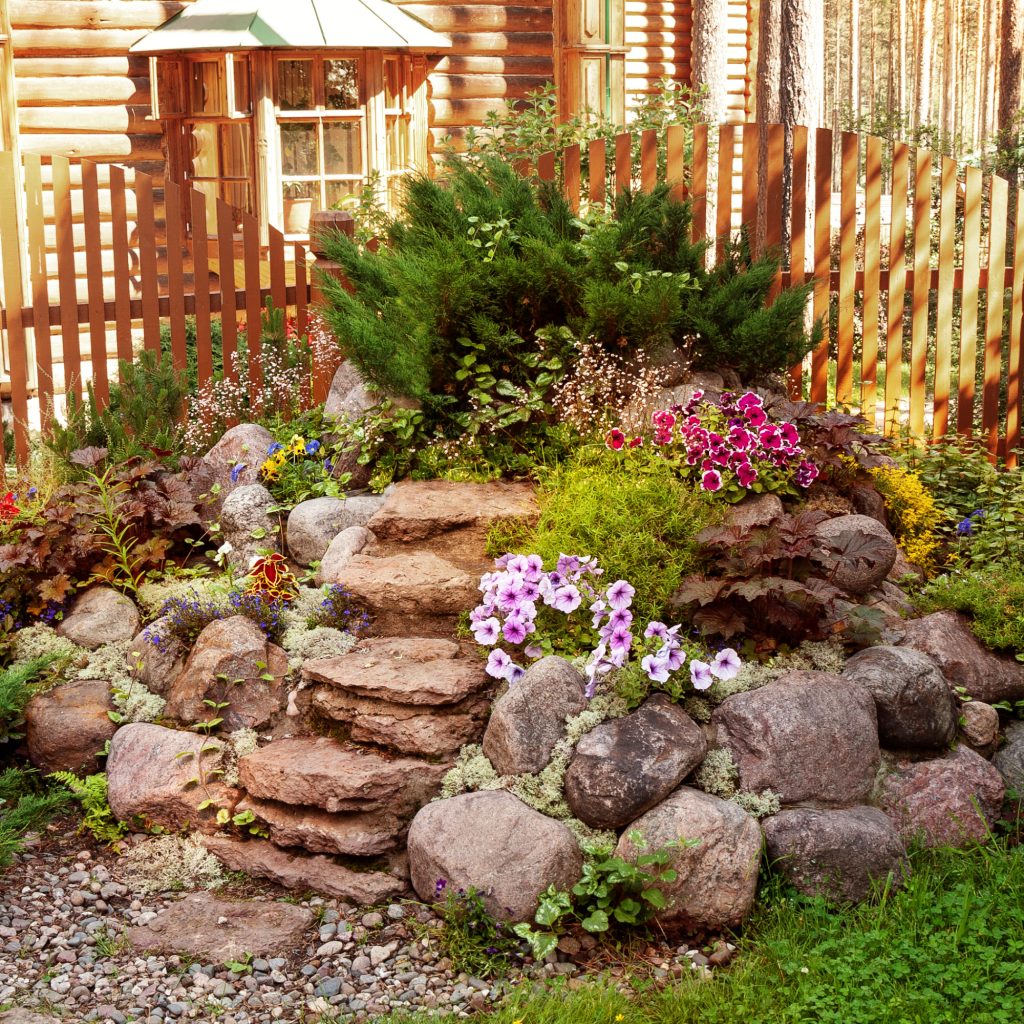
Imagine stepping outside your door into a space that feels like your own personal paradise. Gardening and landscaping can turn that dream into reality.
Whether you have a small balcony or a sprawling yard, you have the power to create a beautiful, relaxing environment that reflects your style. You’ll discover simple tips and ideas that make your outdoor space thrive. Ready to transform your garden and boost your home’s charm?
Keep reading—you’ll find easy steps that anyone can follow.
Planning Your Garden
Planning your garden is the first step to creating a beautiful outdoor space. Good planning helps you use your space well and grow healthy plants.
Think about your garden’s needs before you start planting. A well-planned garden looks great and works for your lifestyle.
Assessing Your Space
Look at the size and shape of your garden area. Notice how much sunlight each part gets during the day.
Check the soil type and drainage. Know where there are shady or windy spots. These details affect what plants will grow well.
- Measure your garden’s length and width
- Observe sunlight from morning to evening
- Test soil texture and moisture
- Identify areas with wind or shade
Choosing The Right Plants
Select plants that fit your climate and soil. Choose types that match the sunlight in each area of your garden.
Think about how tall plants will grow and how much space they need. Pick plants that bloom at different times for year-round color.
- Pick plants for your climate zone
- Match plants to sunny or shady spots
- Consider plant size and growth habits
- Choose plants with different blooming seasons
Designing For Function And Beauty
Plan paths and seating areas to enjoy your garden. Use plants to create privacy and block wind.
Mix colors, shapes, and textures for a nice look. Keep plants organized to make care easier.
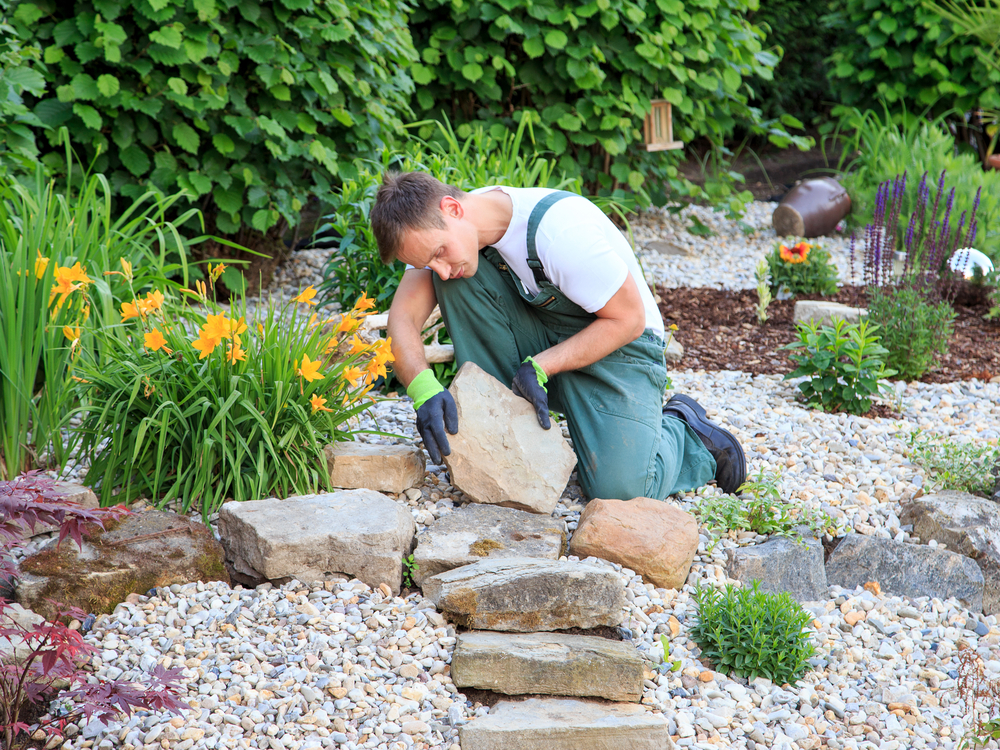
- Create walkways with stones or mulch
- Add benches or chairs for resting spots
- Use tall plants to hide fences or neighbors
- Group plants by color or leaf shape
Credit: www.extraspace.com
Soil And Preparation
Good soil is the base for a healthy garden. Preparing the soil well helps plants grow strong.
Soil needs testing and improving before planting. This makes sure plants get the right nutrients.
Testing And Improving Soil
Testing soil shows its pH and nutrient levels. You can buy easy kits or send samples to labs.
Improving soil depends on test results. Add lime if soil is too acidic. Add sulfur if too alkaline.
- Add compost to increase nutrients
- Mix sand to improve drainage
- Use organic matter to keep soil soft
Composting Basics
Compost is made from dead plants and food scraps. It turns into rich soil over time.
Good compost needs green and brown materials. Green means fresh leaves or vegetable scraps. Brown means dry leaves or straw.
- Mix green and brown in a pile
- Turn the pile every few weeks
- Keep it moist but not wet
- Wait a few months for compost to form
Mulching Techniques
Mulch covers soil around plants. It keeps soil moist and stops weeds from growing.
Use organic mulches like straw or wood chips. Spread mulch in a thick layer but not against plant stems.
- Apply 2 to 4 inches of mulch
- Keep mulch a few inches away from stems
- Replenish mulch each season
- Mulch helps soil stay warm in winter
Planting Strategies
Gardening is both an art and a science. Knowing when and how to plant is key to a thriving garden. Different plants have unique needs, and understanding these can help you succeed.
Let’s explore some essential strategies for planting that can improve your gardening experience. From seasonal tips to effective watering, each step is crucial.
Seasonal Planting Guide
Planting according to the season ensures that plants grow in optimal conditions. This guide will help you know what to plant and when.
| Season | Best Plants |
| Spring | Carrots, Peas, Lettuce |
| Summer | Tomatoes, Zucchini, Basil |
| Fall | Garlic, Broccoli, Spinach |
| Winter | Onions, Kale, Leeks |
Spacing And Arrangement Tips
Proper spacing and arrangement are vital for plant health. It allows adequate light and air circulation, reducing disease risk.
- Space plants according to their size at maturity.
- Use companion planting to enhance growth.
- Arrange taller plants to not overshadow shorter ones.
Watering Essentials
Watering is crucial for plant health. Understanding the needs of your plants can prevent over or under watering.

Credit: www.bhg.com
Landscaping Features
Landscaping features make your garden look beautiful and inviting. They add style and function to outdoor spaces.
Good features can guide visitors, create calm spots, and brighten the garden at night.
Paths And Walkways
Paths and walkways help people move around your garden safely. They can be made from stones, bricks, or wood.
Choose materials that fit your garden style and weather conditions. Curved paths create a soft look, straight paths give a formal feel.
- Stone paths add a natural look
- Brick walkways offer classic style
- Wooden decks create warm spaces
- Gravel paths are easy to install
Water Elements
Water elements bring calm and beauty to your garden. They can include ponds, fountains, or small waterfalls.
Water sounds relax visitors and attract birds. Make sure to keep water clean to avoid bugs and odors.
- Ponds create a peaceful focal point
- Fountains add movement and sound
- Waterfalls bring a natural feel
- Birdbaths attract wildlife
Outdoor Lighting Ideas
Outdoor lighting extends garden use after dark. It also highlights plants and paths for safety.
Use soft lights to create a warm mood. Place lights near walkways, water features, and seating areas.
- Solar lights save energy and are easy to install
- String lights add charm to patios
- Spotlights highlight trees and sculptures
- Path lights improve safety at night
Maintaining Your Garden
Keeping your garden healthy takes regular care. Small tasks done often help plants grow strong. A well-maintained garden looks beautiful all year.
Focus on pruning, pest control, and lawn care. Each area needs attention to keep your garden neat and healthy.
Pruning And Trimming
Pruning removes old or dead branches. This helps plants grow new shoots and flowers. Trim bushes to keep their shape and size.
- Cut branches at a 45-degree angle
- Use sharp, clean tools to avoid damage
- Remove dead or diseased parts first
- Trim during early spring or late fall
Pest And Disease Control
Pests and diseases can harm your plants. Watch leaves and stems for spots or holes. Early action prevents spread to other plants.
| Problem | Signs | Action |
| Aphids | Sticky leaves, curled tips | Spray water or insecticidal soap |
| Powdery Mildew | White powder on leaves | Remove affected leaves, use fungicide |
| Slugs | Holes in leaves, slime trails | Use slug traps or handpick |
Lawn Care Tips
A healthy lawn needs proper mowing, watering, and feeding. Follow these simple tips for a green lawn.
- Mow regularly but do not cut grass too short
- Water deeply early in the morning
- Apply fertilizer in spring and fall
- Remove weeds to reduce competition
Credit: www.extraspace.com
Creative Outdoor Spaces
Gardens and yards can be more than just plants. They can become fun and relaxing places.
Creative ideas help you use space well and enjoy the outdoors more.
Creating Cozy Seating Areas
Seating areas invite people to rest and enjoy the garden. Use comfortable chairs or benches.
Add cushions and blankets to make the spot warm and soft. Shade from trees or umbrellas helps too.
- Place seating near flowers or water features
- Use weather-resistant furniture
- Include small tables for drinks or books
Incorporating Art And Decor
Art and decor add personality to your outdoor space. Use sculptures, wind chimes, or garden stakes.
Choose items that match your style and the garden’s mood. Bright colors and shapes bring energy.
- Place art where it catches the eye
- Use natural materials like wood or stone
- Add lighting to highlight decor at night
Using Containers And Raised Beds
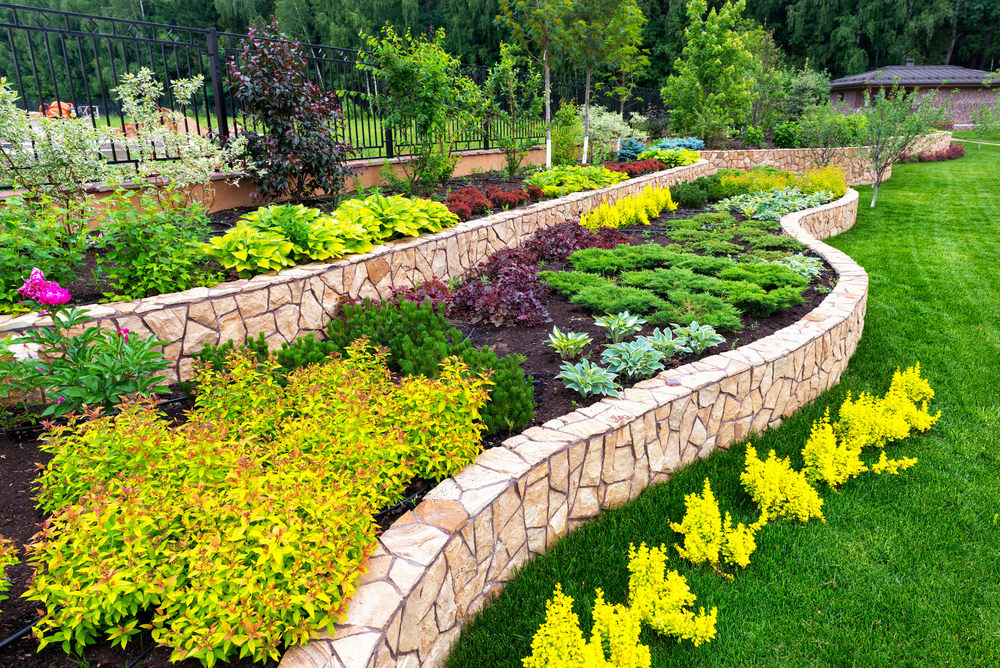
Containers and raised beds let you grow plants anywhere. They are good for small or uneven spaces.
Raised beds improve soil and make gardening easier. Containers add color and shape to paths and patios.
- Use different sizes and shapes of pots
- Group containers for a fuller look
- Choose raised beds with good drainage
Sustainable Gardening
Sustainable gardening helps protect the environment. It uses natural resources carefully.
Gardening this way saves water, supports wildlife, and reduces waste.
Water Conservation Methods
Water is important for plants but should be used wisely. Saving water helps the planet.
Use techniques that reduce water waste in your garden.
- Water plants early in the morning or late in the evening
- Use drip irrigation to give water directly to roots
- Collect rainwater in barrels for garden use
- Mulch soil to keep moisture longer
Native Plants Selection
Native plants grow naturally in your area. They need less water and care.
These plants help local wildlife like bees and birds thrive.
- Choose plants that suit your local climate and soil
- Native plants resist pests better than imported ones
- They reduce the need for fertilizers and pesticides
- Help keep your garden healthy and low-maintenance
Eco-friendly Practices
Eco-friendly gardening means using safe and natural methods. Avoid chemicals that harm nature.
These practices keep soil healthy and protect animals around your garden.
- Use compost to enrich soil instead of chemical fertilizers
- Plant cover crops to prevent soil erosion
- Reduce plastic use by recycling pots and tools
- Encourage beneficial insects by planting flowers
Frequently Asked Questions
What Are The Best Plants For Beginner Gardeners?
Beginner gardeners should choose low-maintenance plants like succulents, herbs, and marigolds. These plants require minimal care and adapt well to various climates. Starting with easy-to-grow plants builds confidence and ensures gardening success.
How Can I Design A Sustainable Landscape?
To design a sustainable landscape, use native plants, conserve water, and reduce chemical use. Incorporate mulch to retain moisture and promote soil health. Sustainable landscaping saves resources and supports local ecosystems effectively.
What Tools Are Essential For Gardening And Landscaping?
Essential tools include a spade, pruning shears, garden gloves, a watering can, and a rake. These tools help with planting, trimming, watering, and maintaining your garden efficiently. Investing in quality tools improves gardening results.
How Do I Prevent Common Garden Pests Naturally?
Use natural pest control methods like introducing beneficial insects, companion planting, and neem oil sprays. Avoid chemical pesticides to protect your garden’s health and biodiversity. These methods keep pests in check safely.
Conclusion
Gardening and landscaping bring beauty to any space. They help you enjoy nature every day. Simple steps can create a peaceful outdoor area. Choose plants that suit your climate and soil. Regular care keeps gardens healthy and vibrant. Small changes make a big difference over time.
Spending time outside can reduce stress and boost mood. Start with easy projects and grow your skills. A lovely garden invites relaxation and joy. Embrace the process and watch your space bloom.