Have you ever picked up a wooden baseball bat and wondered what it’s really made of? Knowing the type of wood inside your bat can change how you play and how the bat feels in your hands.
Whether you’re a beginner or a seasoned player, understanding the materials behind these bats can give you an edge. You’ll discover the different kinds of wood used, why they matter, and how they affect your game. Keep reading to learn what makes a wooden baseball bat truly special—and how to choose the right one for you.

Credit: sskbaseballshop.com
Common Wood Types
Wood baseball bats come in different types of wood. Each type has its own feel and strength. Choosing the right wood matters for performance and durability.
Here are some common woods used to make baseball bats. Each wood offers unique qualities for players.
Maple Bats
Maple bats are made from hard, dense wood. They offer a smooth surface and great power for hitting.
Maple is known for its durability and strength. It can handle strong hits without breaking easily.
Ash Bats
Ash bats are lighter and more flexible than maple. They provide good swing speed and control.
Ash wood has a classic grain pattern. It absorbs shock well, which helps reduce vibration in the hands.
Birch Bats
Birch bats combine the hardness of maple with the flexibility of ash. They offer a balanced feel.
Birch wood breaks in faster. It gives a smoother swing and good durability over time.
Hickory Bats
Hickory bats are very strong and heavy. They are less common today but were popular in the past.
Hickory offers excellent durability but requires more strength to swing. It is good for players who want power.

Credit: sskbaseballshop.com
Characteristics Of Each Wood
Baseball bats are crafted from various types of wood. Each wood has unique traits that affect the bat’s performance.
Understanding these characteristics helps players choose the best bat for their needs.
Durability And Strength
Different woods offer varying levels of durability. Maple bats are strong and dense, making them less likely to crack.
Ash bats are flexible, which can absorb shock but might break more easily than maple.
Weight And Balance
The weight of the bat depends on the wood type. Birch bats balance weight and flexibility, offering a middle ground.
Maple bats are heavier, providing more power for strong hitters.
Grain Structure
Grain structure impacts how the bat handles stress. Maple has tight grain, which adds strength.
Ash shows a wider grain, making it flexible but more prone to flaking.
- Maple: Tight grain, strong
- Ash: Wide grain, flexible
- Birch: Combines traits of maple and ash
Performance Impact
The type of wood affects how the bat performs. Maple bats provide power for long hits.
Ash bats offer a lighter feel, helping players swing faster.
Choosing the right wood type can enhance a player’s game.
Choosing Wood For Bats
Wooden baseball bats come in many types. Each type has different qualities. Choosing the right wood affects how the bat feels and performs.
Players and makers select wood based on strength, weight, and cost. This guide looks at common choices for wood bats.
Professional Preferences
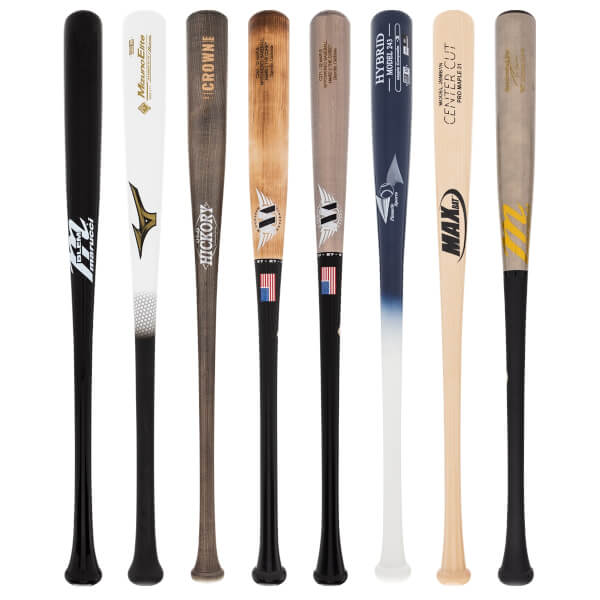
Most professional players use bats made from hardwood. Maple and ash are the top choices. Maple is very hard and dense. Ash is lighter and has good flexibility.
Birch is growing in popularity for its mix of hardness and flexibility. Professionals pick wood that offers power and control.
Amateur And Youth Options
Youth players need bats that are lighter and easier to swing. Ash and birch are common because they offer good balance and less weight.
- Ash bats are flexible and absorb impact well.
- Birch bats combine hardness and lightness.
- Maple bats are heavier and better for older players.
- Some youth use composite or aluminum bats instead of wood.
Cost Considerations
| Wood Type | Average Cost | Durability |
| Ash | Moderate | Good |
| Maple | High | Very Good |
| Birch | Moderate to High | Good |
| Hickory | High | Excellent but heavy |
Price varies by wood type and quality. Ash bats often cost less than maple. Hickory is tough but heavy and pricey.
Environmental Factors
Wood bats come from trees, so sustainability matters. Some woods are easier to grow and harvest. Using wood from managed forests helps the environment.
Players can check for bats made with eco-friendly practices. This supports forest health and reduces waste.
Credit: www.justbats.com
Manufacturing Process
Wood baseball bats are made through a detailed process. Each step helps create a strong and balanced bat.
This process starts with choosing the right wood and ends with careful quality checks.
Selecting The Wood
Manufacturers pick wood types like ash, maple, or birch. These woods are popular because they are strong and flexible.
The wood must be straight-grained and free of defects. This helps prevent the bat from breaking easily.
Shaping And Drying
The wood is cut into blocks called billets. These billets are then shaped on a lathe into the bat’s form.
After shaping, the bat is dried to remove moisture. This step makes the wood stronger and lighter.
Finishing Techniques
Once dry, the bat is sanded smooth to remove rough spots. Some bats get a clear coat for protection.
Labels or logos are often added using heat or paint. This gives the bat its final look.
Quality Control
Each bat is checked for cracks and weight balance. This ensures good performance and safety.
- Inspect for surface defects
- Check bat weight and length
- Test balance and feel
- Approve only strong, well-made bats
Innovations In Wood Bats
Wood baseball bats have changed a lot over the years. New methods make bats stronger and better for players.
These innovations use different wood types and designs. They also focus on protecting the environment.
Composite Wood Bats
Composite wood bats mix different woods or materials. This makes the bats more durable and light.
These bats often combine maple, ash, and other woods. Some include resin to hold layers tightly.
Laminated Wood Bats
Laminated wood bats have layers of wood glued together. This design gives the bat extra strength.
- Layers reduce cracks and breaks
- They can be made from different wood types
- Provide better weight balance for players
- Often used in training or youth leagues
Sustainability Efforts
Wood bat makers now care about the environment. They use wood from forests that grow back fast.
| Effort | Description |
| Responsible Sourcing | Using wood from certified forests |
| Recycling Wood | Turning scrap into new bats or products |
| Reducing Waste | Efficient cutting to use most of the wood |
| Eco-Friendly Finishes | Using non-toxic paints and varnishes |
Maintaining Wood Bats
Wood baseball bats need care to stay strong and last longer. Proper maintenance helps avoid cracks and damage. Taking time to maintain your bat is worth the effort.
Below are key tips on how to store, repair, and extend the life of your wood bat. Follow these simple steps to keep your bat in good shape.
Proper Storage
Store your wood bat in a dry place at room temperature. Avoid leaving it in hot cars or damp basements. These conditions can cause warping or cracks.
- Keep the bat off the ground to prevent moisture damage.
- Use a bat rack or holder to keep it straight.
- Avoid storing near heaters or air conditioners.
- Do not leave the bat outside in rain or sun.
Repair Tips
Small cracks or dents can be fixed with simple tools. Using wood glue and clamps helps seal minor damage. Always check the bat before use to ensure safety.
| Type of Damage | Repair Method |
| Small cracks | Apply wood glue and clamp tightly for 24 hours |
| Dents | Lightly sand and smooth the surface |
| Loose handle | Use epoxy resin and wrap with tape |
| Large cracks | Replace the bat; unsafe to repair |
Extending Bat Life
Use your bat carefully and clean it regularly. Rotating the bat during play spreads the impact. Avoid hitting very hard objects like rocks or metal.
- Clean the bat with a soft cloth after each use.
- Apply a thin coat of linseed oil to keep the wood moist.
- Rotate the bat slightly each time you hit the ball.
- Do not use the bat in cold weather below 40°F (4°C).
- Inspect the bat often for signs of damage.
Frequently Asked Questions
What Types Of Wood Are Used For Baseball Bats?
Baseball bats are mainly made from ash, maple, birch, and hickory. Each wood offers unique strength, weight, and durability. Ash is flexible and light, maple is dense and hard, birch balances both, and hickory is very tough but heavier.
Why Is Ash Wood Popular For Baseball Bats?
Ash wood is popular because it is lightweight and flexible. It allows for fast swing speeds and good control. Ash also absorbs shock well, reducing vibration on impact, making it a favorite among many players at various skill levels.
How Does Maple Wood Affect Bat Performance?
Maple wood bats are dense and hard, providing more power on contact. They produce a solid “crack” sound and have less flex than ash. This makes maple bats ideal for players seeking durability and strong hitting performance.
Are Birch Wood Bats Better Than Ash Or Maple?
Birch bats combine the flexibility of ash with the hardness of maple. They offer a balanced feel, durability, and good pop. Birch is a preferred choice for players wanting a versatile bat that performs well in different game situations.
Conclusion
Wood baseball bats come from different types of trees, each with its own strength. Maple, ash, and birch are the most common woods used. These woods affect the bat’s weight, durability, and feel during play. Choosing the right wood depends on what the player needs.
Now you understand what makes wood bats special. This knowledge helps in picking the best bat for you. Wood bats keep the classic spirit of baseball alive. Simple, strong, and reliable—just like the game itself.