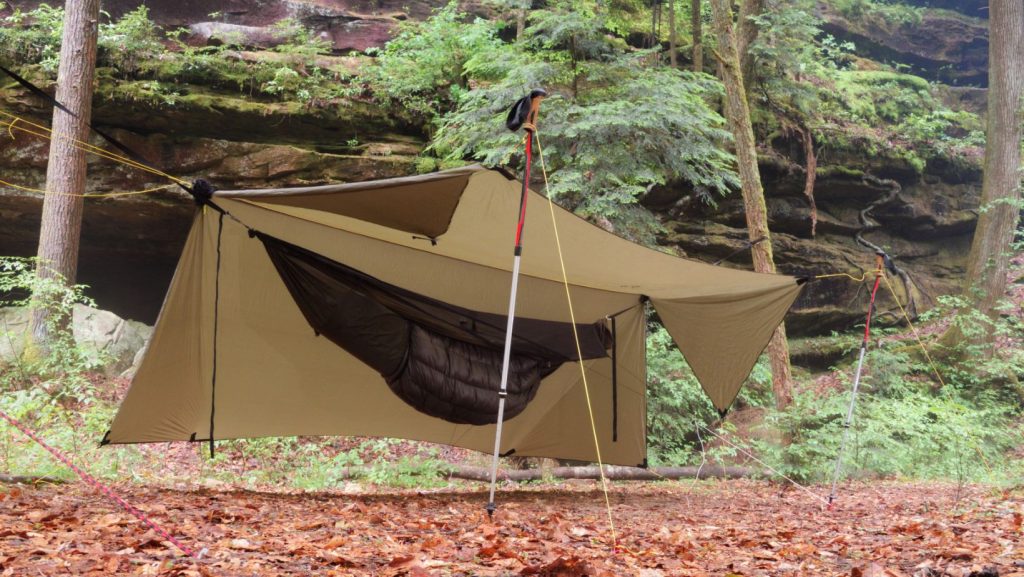
Setting up your tent is just the start of a great outdoor adventure. But have you ever wondered how to keep your tent stable when the wind picks up or the weather turns unpredictable?
That’s where guy lines come in. Knowing how to use guy lines on your tent can make a huge difference in keeping it secure and comfortable. You’ll discover simple, step-by-step tips to master guy lines so your tent stays strong no matter what.
Ready to make your camping experience safer and more enjoyable? Let’s dive in.
Choosing The Right Guy Lines
Guy lines help keep your tent stable in wind and bad weather. Picking the right ones makes your camping safer and easier.
This guide covers types, materials, and size choices for guy lines. Knowing these helps you pick the best lines for your tent.
Types Of Guy Lines
There are different types of guy lines. Each type suits various tents and weather conditions. Choose based on your tent style and use.
- Static Lines:Do not stretch. Good for steady support.
- Elastic Lines:Stretch to absorb wind shocks.
- Reflective Lines:Glow in the dark for safety at night.
- Adjustable Lines:Have tensioners to change length easily.
Material Considerations
Materials affect strength and durability of guy lines. You want lines that resist weather and wear.
| Material | Features | Best Use |
| Nylon | Strong, stretches slightly, resists mildew | General camping |
| Polyester | Strong, low stretch, UV resistant | Sunny or wet areas |
| Polypropylene | Lightweight, floats, less durable | Short trips, budget option |
| Kevlar | Very strong, no stretch, expensive | Extreme weather |
Length And Thickness
Length and thickness affect how well guy lines hold your tent. Choose sizes based on tent size and weather.
- Length:Should be long enough to secure tent at an angle. Usually 6 to 15 feet.
- Thickness:Thicker lines hold more weight but weigh more. Typical thickness is 2 to 4 mm.
- Balance:Pick lines that balance strength with light weight for easy carrying.

Credit: www.amazon.com.au
Setting Up Anchor Points
Setting up anchor points is key for securing your tent using guy lines. Proper anchor points keep your tent stable in wind and bad weather.
This guide covers how to pick the best ground and use stakes or natural anchors to hold your tent firmly.
Ideal Ground Conditions
Good ground makes a big difference when anchoring your tent. Soft soil holds stakes well, but rocky or sandy soil can be tricky.
- Look for firm but slightly soft soil, not too hard or loose.
- Avoid rocky or dry, sandy areas for anchor points.
- Check that the ground drains well to prevent water pooling near stakes.
- Clear the area of sharp rocks or sticks that can damage the tent.
Using Stakes And Pegs
Stakes and pegs are common tools to create anchor points. Insert them at an angle for better hold.
| Stake Type | Best Ground | Usage Tip |
|---|---|---|
| Metal Stakes | Hard or Rocky | Hammer carefully to avoid bending |
| Plastic Pegs | Soft Soil | Push in fully for strong grip |
| Wooden Stakes | Loose Soil | Use with caution; may break under stress |
Always drive stakes at a 45-degree angle away from the tent. This angle increases resistance against pull.
Securing To Natural Anchors
Natural anchors like trees or rocks can hold guy lines well when stakes are not possible.
- Choose strong trees with thick trunks.
- Wrap guy lines around rocks or logs that won’t move.
- Use a tree protector or cloth to avoid damaging bark.
- Check anchors often for wear or slippage.
Attaching Guy Lines To Your Tent
Guy lines help keep your tent stable in wind and rain. They are essential for a secure camping experience. Learning to attach them properly is important for every camper.
Attaching guy lines to your tent can seem tricky at first. With a few simple steps, you can ensure your tent stays upright and safe. Let’s explore how to do it effectively.
Finding Attachment Points
Attachment points are spots on your tent where you tie the guy lines. They are usually reinforced loops or grommets. These points are designed to handle tension from the lines.
Check your tent’s instructions to locate these points. They are often found at the corners and along the tent’s seams. Use them to evenly distribute tension and keep your tent stable.
Proper Knot Techniques
Using the right knot ensures the guy line stays secure. The taut-line hitch is a popular choice. It allows you to adjust tension easily.
Another option is the bowline knot. It creates a fixed loop at the end of the line. Practice these knots before your camping trip to make setup quicker.
- Taut-line hitch for adjustable tension
- Bowline knot for a fixed loop
- Practice knots at home for faster setup
Adjusting Tension
Proper tension keeps your tent steady in bad weather. Too tight and you might damage the tent fabric. Too loose and the tent might collapse.
Adjust the tension by pulling the line and securing it with a knot. Check the lines regularly, especially if the weather changes. A well-tensioned tent provides comfort and safety during your camping trip.
- Check tension regularly
- Avoid overtightening to protect fabric
- Readjust lines in windy conditions
Positioning Guy Lines For Maximum Stability
Guy lines help keep your tent stable in wind and bad weather. Positioning them well makes your tent stronger. This guide shows how to place guy lines for best support.
Good placement stops your tent from moving or collapsing. Pay attention to angles, spacing, and wind direction to keep your tent safe.
Optimal Angles
Attach guy lines at a 45-degree angle from the tent. This angle pulls the tent sides outward and downward. It gives the best balance of tension and support.
Too shallow or too steep angles reduce stability. Keep lines tight but not too tight to avoid damage.
- Ideal angle: about 45 degrees from tent wall
- Avoid angles less than 30 degrees or more than 60 degrees
- Check tension regularly and adjust if loose
Spacing Between Lines
Space guy lines evenly around your tent. This spreads the force and stops weak spots. Each line should hold part of the load.
Lines too close together do not support well. Lines too far apart leave gaps where wind can catch the tent.
- Place guy lines every 3 to 6 feet along tent edges
- Check tent size and shape for best spacing
- Use more lines for bigger or taller tents
Adapting To Wind Direction
Set guy lines to face the wind. This reduces pressure on the tent fabric. Adjust lines if wind changes direction during the day.
Use extra guy lines on the windward side for added strength. This helps stop the tent from blowing over or shaking.
- Identify main wind direction before setting up
- Tighten guy lines on wind-facing sides more firmly
- Add extra lines if wind is strong or gusty
Maintaining Guy Lines During Camping
Guy lines help keep your tent stable in windy or rainy weather. Keeping them in good condition makes camping safer and more comfortable.
This guide explains how to maintain your guy lines while camping. Follow simple checks and tips to ensure they work well all night.
Regular Tension Checks
Check the tension of your guy lines every few hours. Lines can loosen from wind or movements around the tent.
- Pull each guy line to make sure it is tight but not overly stretched.
- Adjust tensioners or knots to keep the lines firm.
- Look for any slack or sagging that could weaken the tent’s hold.
- Retighten after heavy wind or rain to keep the tent secure.
Handling Weather Changes
Weather changes can affect guy lines. Rain can make them wet and slippery, while wind can cause extra strain.
| Weather Condition | Guy Line Care |
| Strong Wind | Check and tighten lines often to prevent loosening. |
| Heavy Rain | Let lines dry when possible to avoid weakening fibers. |
| Cold Weather | Inspect lines for stiffness or damage from freezing temperatures. |
Repair And Replacement Tips
Fix small problems with your guy lines early. Replace damaged lines to keep your tent safe.
- Use strong knot techniques to repair minor frays.
- Carry spare guy lines and tensioners in your camping kit.
- Replace any line with cuts, deep abrasions, or loss of elasticity.
- Store lines dry and clean after camping to extend life.

Credit: www.reddit.com
Common Mistakes To Avoid
Using guy lines helps keep your tent stable in wind and rain. Many campers make simple mistakes when setting them up.
Avoiding these errors will keep your tent safe and dry. Learn what to watch out for.
Overtightening Lines
Pulling guy lines too tight can damage your tent. It may tear the fabric or stress the poles.
Leave some slack so the tent can flex in the wind. Tight lines can snap or pull out stakes.
Ignoring Ground Conditions
Not checking the ground before placing stakes causes problems. Soft or rocky soil may not hold stakes well.
Look for firm, stable ground to secure your guy lines. Avoid loose sand, mud, or rocky spots.
- Soft soil: use longer stakes or rocks for support
- Rocky ground: find cracks or use heavy objects
- Uneven ground: adjust line angles for better hold
Using Incorrect Knots
Using the wrong knots can make guy lines slip or come loose. Some knots do not hold tension well.
Learn simple, strong knots like the taut-line hitch. These knots adjust tension and stay secure.
- Taut-line hitch: adjusts and holds tension
- Bowline knot: creates a strong fixed loop
- Truckers hitch: tightens lines easily

Credit: www.reddit.com
Frequently Asked Questions
What Are Guy Lines Used For On A Tent?
Guy lines stabilize tents by anchoring them to the ground. They prevent collapse during wind or bad weather. Proper use improves tent durability and safety. Guy lines also keep the tent fabric taut and reduce wear.
How Do You Properly Attach Guy Lines To A Tent?
Attach guy lines to tent loops or rings near the fly or walls. Secure lines to sturdy stakes driven into the ground at a 45-degree angle. Tighten lines evenly to maintain tent shape and prevent sagging.
When Should You Use Guy Lines On A Tent?
Use guy lines in windy or rainy conditions for extra stability. Also, set them up during long camping trips or on uneven terrain. Guy lines enhance tent performance and comfort in challenging weather.
Can Guy Lines Prevent Tent Damage?
Yes, guy lines reduce strain on tent poles and fabric. By distributing tension, they prevent tearing and pole bending. Proper tensioning with guy lines increases tent lifespan and maintains structural integrity.
Conclusion
Using guy lines helps keep your tent stable in wind and rain. Tie them tight and place stakes firmly in the ground. Check the lines often to avoid loosening. This simple step protects your shelter and gear. It also makes your camping more comfortable and safe.
Try using guy lines next time you set up your tent. You will see the difference in how well it stands. Small efforts bring big results outdoors.