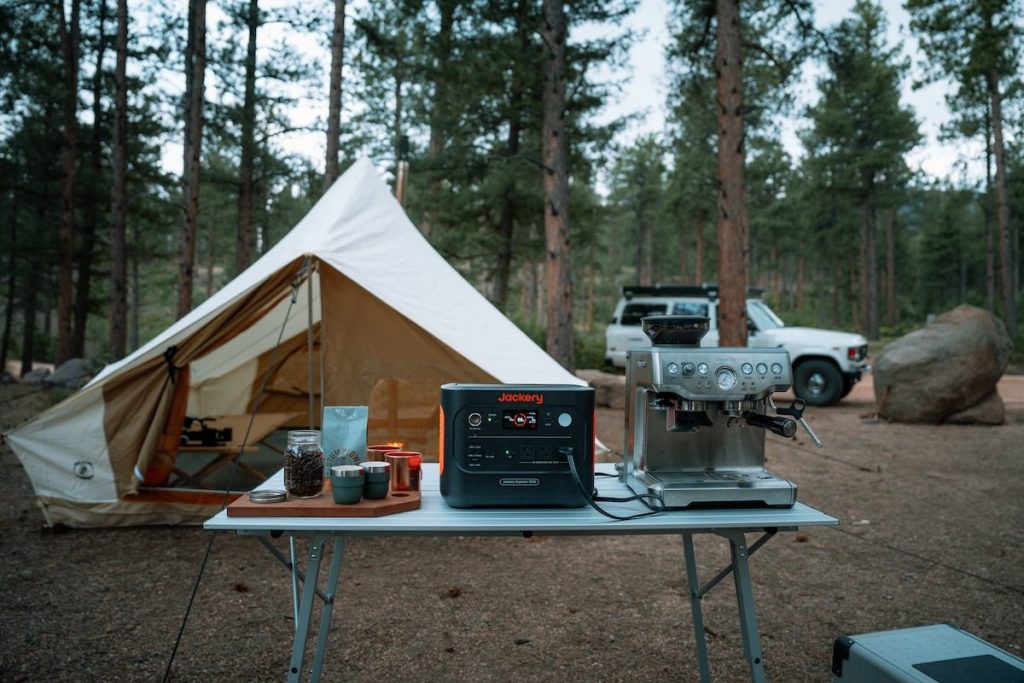
When the sun is blazing and the heat is rising, staying comfortable inside your tent can feel impossible. You want to relax, sleep well, and enjoy your time outdoors—but a hot, stuffy tent can ruin the whole experience.
What if you could keep your tent cool and fresh, no matter how high the temperature climbs? You’ll discover simple, effective tricks that make a big difference. By the end, you’ll know exactly how to create a cooler, more comfortable space that lets you focus on the fun, not the heat.
Ready to beat the heat and enjoy your camping trip like never before? Keep reading!
Choose The Right Tent Material
Choosing the right tent material helps keep your tent cool. Consider options that offer breathability, light colors, and UV protection.
Different materials can make a big difference in temperature control. Let’s explore the best choices.
Breathable Fabrics
Breathable fabrics allow air to circulate in your tent. This helps reduce heat buildup inside.
- Cotton canvas is a popular choice for breathability.
- Mesh panels provide extra ventilation.
- Look for materials that wick moisture away.
Light-colored Canvas
Light-colored canvas reflects sunlight. This keeps the interior of the tent cooler during the day.
| Color | Benefit |
| White | Best at reflecting sunlight |
| Beige | Good at reducing heat absorption |
| Light Gray | Neutral and effective |
Uv-resistant Coatings
UV-resistant coatings protect your tent from sun damage. They also help keep the fabric cool.
Credit: www.battlbox.com
Pick A Shady Campsite
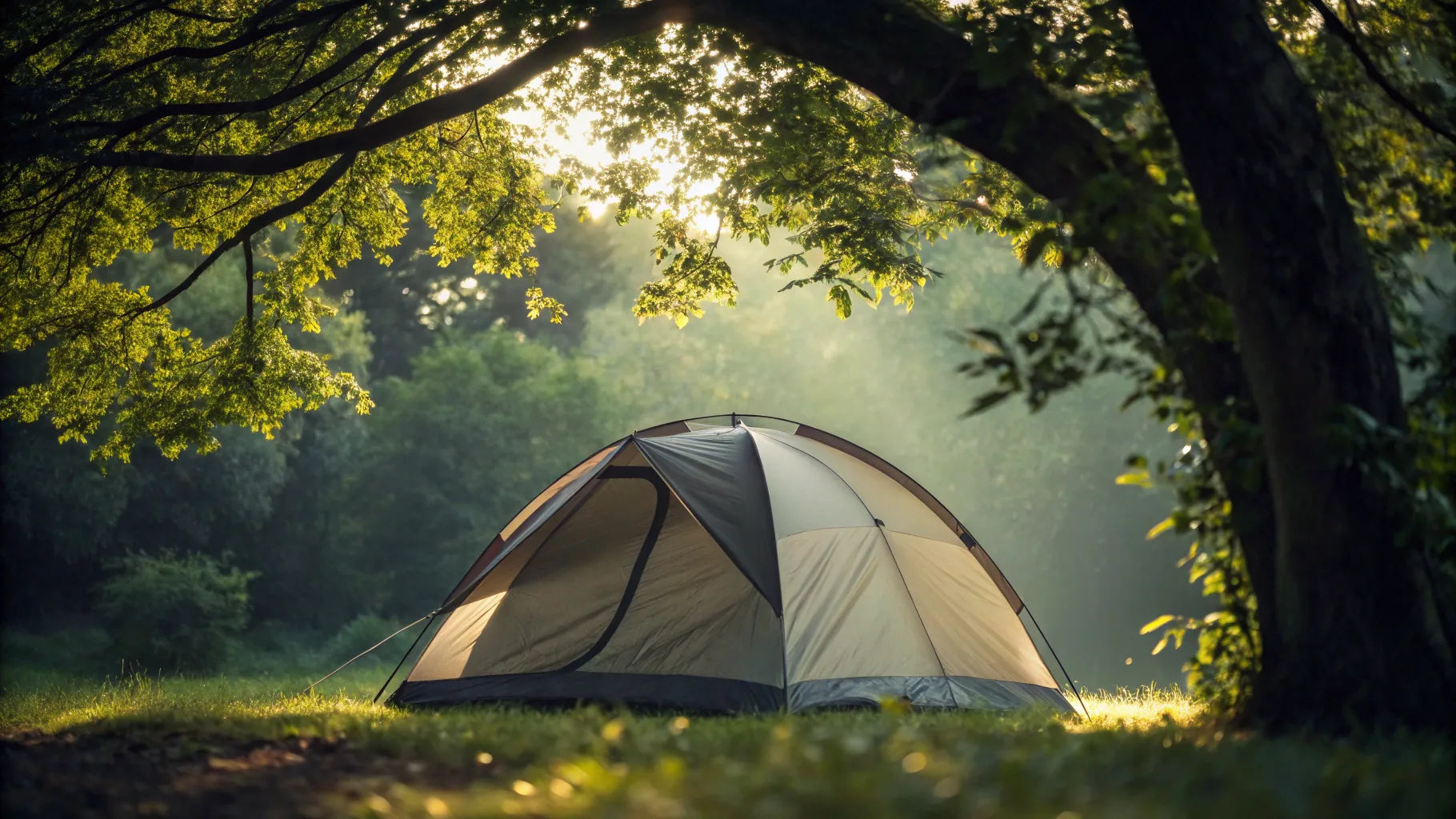
Keeping your tent cool starts with choosing the right spot. A shady campsite can lower the temperature inside your tent. This makes your camping experience much more comfortable.
Shade blocks the sun’s heat and helps your tent stay cooler throughout the day. Here are some ways to pick a shady campsite.
Natural Shade From Trees
Trees provide the best natural shade for your tent. They block direct sunlight and create a cooler area. Look for spots under large trees or near a group of trees.
Make sure the trees are safe and stable. Avoid dead branches that could fall. Also, check if the ground under the trees is flat and dry.
Avoid Direct Sunlight
Place your tent away from open spaces that get full sun. Direct sunlight heats up the tent quickly. Look for areas that stay shaded during the hottest hours.
- Set up your tent on the north or east side of a hill or rock
- Check the sun’s path to avoid afternoon sun
- Use shadows from natural objects to keep cool
Use Terrain To Your Advantage
Terrain features like hills, rocks, and valleys can help shade your tent. Pick a spot where the land blocks the sun’s rays. This lowers the temperature inside your tent.
For example, setting your tent on the shaded side of a hill can keep it cooler. Avoid flat open areas that get sun all day.
Optimize Tent Ventilation
Keeping a tent cool is important for comfort during warm weather. Good ventilation helps air move inside the tent.
Proper airflow reduces heat and keeps the inside fresh. Use simple ways to improve your tent’s ventilation.
Open Windows And Doors
Open all the windows and doors of your tent. This allows fresh air to come in and hot air to escape.
Keep openings clear of any objects that block air flow. The more openings you have, the better the air moves.
Use Mesh Panels
Mesh panels let air pass through while keeping bugs out. Use tents with mesh windows and doors for good airflow.
Mesh panels also provide shade and reduce direct sunlight inside. This helps lower the temperature in your tent.
Create Cross Breeze
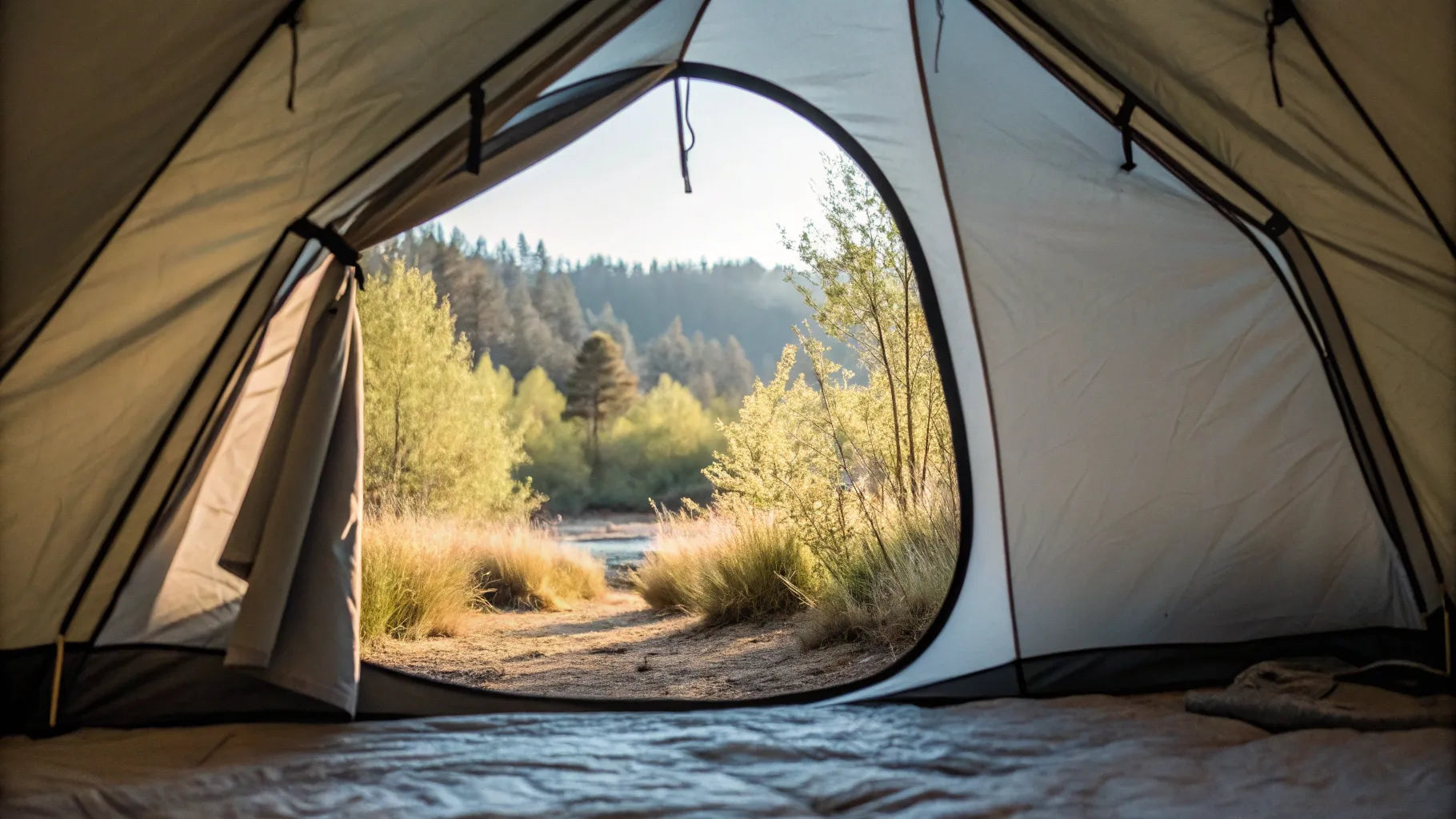
Position your tent so that openings face each other. This helps air flow straight through the tent from one side to the other.
A cross breeze moves hot air out and brings cool air in. It is one of the best ways to keep your tent cool.
Credit: www.battlbox.com
Use Cooling Accessories
Keeping a tent cool is important for comfort during hot days. Using the right cooling accessories can help lower the temperature inside your tent.
These tools work well together to make your camping experience more pleasant and safe.
Portable Fans
Portable fans are small and easy to carry. They help move air inside the tent and create a breeze. Battery-powered or rechargeable fans are best for camping.
- Use fans with adjustable speeds for better control
- Place the fan near a tent opening for fresh air flow
- Choose fans with a quiet motor to avoid noise
Cooling Towels
Cooling towels use special fabrics to absorb water and stay cool. You can wear them on your neck or face inside the tent. Wet the towel, wring out extra water, and enjoy the cool sensation.
| Cooling Towel Tips |
|---|
| Wet towel with cold water |
| Wring out excess water |
| Place on skin for instant cooling |
| Re-wet as needed throughout the day |
Reflective Tarps
Reflective tarps block sunlight and reduce heat inside your tent. Place them over or beside your tent to reflect the sun’s rays away.
- Choose tarps with reflective silver surfaces
- Secure tarps tightly to avoid wind damage
- Use tarps to create shaded areas around your tent
Manage Internal Heat Sources
Keeping a tent cool means managing the heat inside. Heat builds up from many sources inside your tent. Controlling these helps keep the air fresh and cool.
This guide covers easy ways to reduce heat inside your tent. Small changes make a big difference in comfort during warm weather.
Limit Electronics Use
Electronics create heat when they run. Using many devices can raise the tent temperature quickly. Limit the number of electronics you use inside.
- Turn off devices when not in use
- Avoid charging multiple devices inside
- Use battery power outdoors if possible
- Choose small, low-heat electronics
Avoid Cooking Inside
Cooking creates a lot of heat and moisture. Cooking inside a tent makes it hot and uncomfortable. Always cook outside the tent when possible.
| Reason | Effect Inside Tent |
|---|---|
| Open flame or stove heat | Raises air temperature quickly |
| Steam and moisture | Increases humidity and stuffiness |
| Food smells | Attracts insects |
Store Warm Clothes Outside
Warm clothes trap heat. Keeping them inside your tent adds extra warmth. Store these clothes outside to keep your tent cooler.
- Use a dry bag or container for storage
- Place clothes in shaded areas
- Keep clothes off the tent floor
- Bring only light clothes inside
Credit: www.battlbox.com
Apply External Cooling Techniques
Keeping a tent cool is important for comfort during hot weather. Using outside cooling methods helps lower the temperature inside.
These techniques work by blocking heat or adding moisture to the air around the tent. They are easy to do and use simple tools.
Spray Water On Tent
Spraying water on the tent’s exterior cools it by evaporation. The water absorbs heat as it dries, lowering the tent’s surface temperature.
Use a spray bottle or garden hose to mist the tent. Do this several times a day for best results.
- Spray lightly to avoid soaking the fabric
- Focus on areas exposed to direct sunlight
- Spray early morning or late afternoon for safety
Set Up Evaporative Coolers
Evaporative coolers use water and a fan to cool the air. They add moisture which helps lower the temperature near the tent.
Place a small evaporative cooler near the tent entrance. It will blow cooler air inside and make the tent more comfortable.
- Keep the cooler filled with clean water
- Use battery-powered models for camping
- Position cooler to direct airflow into the tent
Use Shade Canopies
Shade canopies block the sun’s rays before they reach the tent. This reduces heat buildup on the tent’s surface.
Set up a canopy or tarp above your tent. Make sure it covers the tent fully without blocking airflow.
- Use light-colored materials to reflect sunlight
- Leave space between canopy and tent for air circulation
- Secure canopy to prevent movement in wind
Choose Lightweight Sleeping Gear
Keeping your tent cool starts with the right sleeping gear. Heavy or thick items can trap heat. Lightweight gear helps air flow and keeps you comfortable.
Choose sleeping items made from breathable and light materials. This choice reduces heat and humidity inside your tent at night.
Breathable Sleeping Bags
Breathable sleeping bags use fabrics that allow air to pass through. These bags keep you cooler by letting heat escape. Look for bags made with cotton or moisture-wicking polyester.
- Choose sleeping bags with mesh panels or vents
- Avoid thick insulation for warm weather camping
- Pick lighter colors to reflect heat
- Use a sleeping bag liner made of breathable fabric
Cooling Pillows
Cooling pillows help reduce heat around your head and neck. They often use gel or breathable foam that stays cool longer. Choose pillows with covers made from cotton or bamboo.
| Type | Material | Cooling Feature |
| Gel Pillow | Memory Foam with Gel | Absorbs and releases heat |
| Mesh Pillow | Polyester Mesh | Allows air circulation |
| Bamboo Pillow | Bamboo Fabric Cover | Natural moisture-wicking |
Lightweight Blankets
Lightweight blankets provide warmth without adding heat. They are easy to carry and help with temperature control. Choose blankets made from thin cotton or fleece.
Tips for picking lightweight blankets:
- Look for breathable fabrics
- Avoid heavy wool blankets
- Choose blankets that dry quickly
- Use blankets with moisture-wicking properties
Frequently Asked Questions
How Can I Keep My Tent Cool In Hot Weather?
Use shade, open vents, and cross-ventilation. Avoid direct sunlight by setting up under trees or using a tarp. Use reflective materials to deflect heat and keep airflow moving inside the tent.
What Are The Best Tents For Hot Climates?
Look for tents with mesh panels, multiple vents, and light-colored fabric. These features promote airflow and reduce heat absorption. Lightweight tents made from breathable materials work best for hot weather camping.
Should I Use A Fan Inside The Tent?
Yes, battery-operated or USB fans improve airflow and reduce heat. Place fans near tent openings to circulate cooler air. Fans help keep you comfortable during hot nights.
Is It Better To Camp Near Water To Keep Tents Cool?
Camping near water can help cool the air slightly through evaporation. However, humidity may increase inside the tent. Choose shaded, breezy spots near water for the best cooling effect.
Conclusion
Keeping your tent cool makes camping more fun and safe. Choose a shady spot and open all vents. Use a reflective tarp to block sunlight. Bring a small fan or wet cloth for extra coolness. Drink plenty of water to stay fresh.
These simple steps help you avoid heat inside your tent. Enjoy your outdoor adventure without feeling hot or tired. Staying cool means more comfort and better rest at night. Try these tips on your next trip and feel the difference.