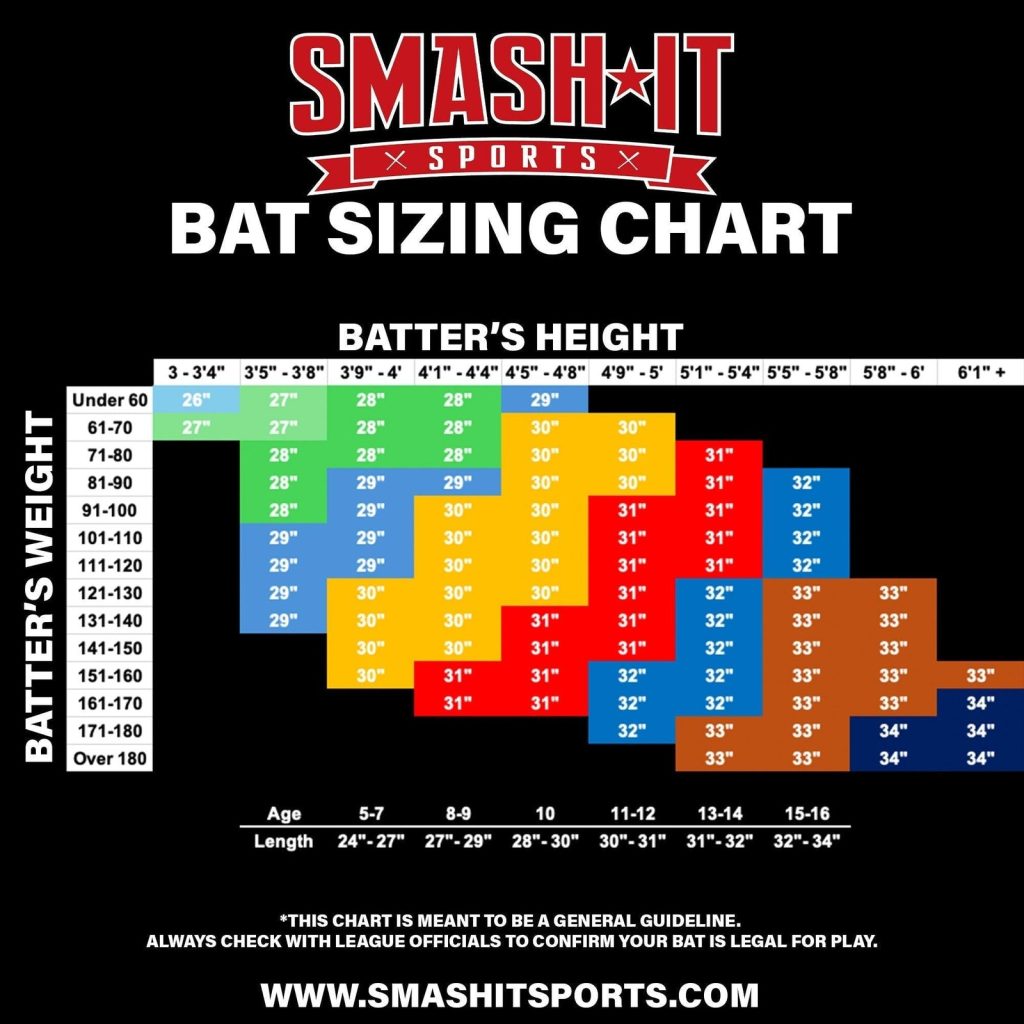
Choosing the right baseball bat for your kid can make all the difference in their game and enjoyment. If the bat is too heavy or too long, it can slow them down and affect their swing.
But how do you know which size fits best? You’ll discover simple tips to find the perfect bat size that matches your child’s height, weight, and skill level. By the end, you’ll feel confident picking a bat that helps your kid play better and have more fun on the field.
Keep reading to get started!

Credit: www.reddit.com
Why Bat Size Matters
Choosing the right baseball bat size is very important for kids. It helps them play better and stay safe.
A bat that fits well makes hitting easier and more fun. It also helps kids feel confident on the field.
Impact On Performance
The right bat size helps kids swing faster and hit the ball harder. A bat that is too heavy or too long can slow their swing.
Using the correct bat size improves timing and control. This lets kids make better contact with the ball.
- Light bats allow quicker swings
- Proper length helps with reach and balance
- Better control leads to stronger hits
Preventing Injuries
A bat that is too big or heavy can cause strain on a child’s arms and shoulders. This raises the chance of injury.
Using the right bat size helps kids swing safely without hurting themselves. It supports good posture and reduces stress.
- Reduces muscle strain
- Prevents joint pain
- Encourages safe swinging habits
Boosting Confidence
When kids use a bat that fits well, they feel more in control. This helps them enjoy the game and try harder.
Confidence grows as kids see better results from their swings. This motivates them to keep practicing and improving.
- Better swing leads to more hits
- Positive feedback builds self-esteem
- Comfortable bats help kids focus on playing
Key Factors To Consider
Choosing the right baseball bat for a kid helps improve their play and safety. A proper fit supports good swing mechanics and control.
Consider a few key factors before buying a bat. These include the child’s age and height, weight and strength, and bat material choices.
Child’s Age And Height
Age and height guide the bat length and weight. Younger or shorter kids need lighter and shorter bats for better handling.
- Children under 7 years old usually use bats 24 to 26 inches long.
- Kids 8 to 10 years old often use bats 27 to 29 inches long.
- Youth players 11 to 13 years old can use bats 30 to 32 inches long.
- Height also affects bat length; taller kids need longer bats for reach.
Weight And Strength
Bat weight should match the child’s strength. A bat too heavy slows the swing. A bat too light may reduce power.
| Child’s Strength | Recommended Bat Weight |
| Light (beginner or small build) | Less than 16 ounces |
| Medium (average strength) | 16 to 20 ounces |
| Strong (advanced or larger build) | 20 to 24 ounces |
Bat Material Choices
Bats come in wood, aluminum, and composite materials. Each has pros and cons for kids.
Material options include:
- Wood:Traditional feel but heavier and less durable.
- Aluminum:Lightweight and durable, good for learning.
- Composite:Balanced weight and power, often more costly.
Measuring For The Right Length
Choosing the right baseball bat length is key for a kid’s comfort and performance. Too long or short a bat can affect their swing and control.
Use simple methods to find the best bat length for your child. These help ensure the bat fits well and feels balanced.
Using Height As A Guide
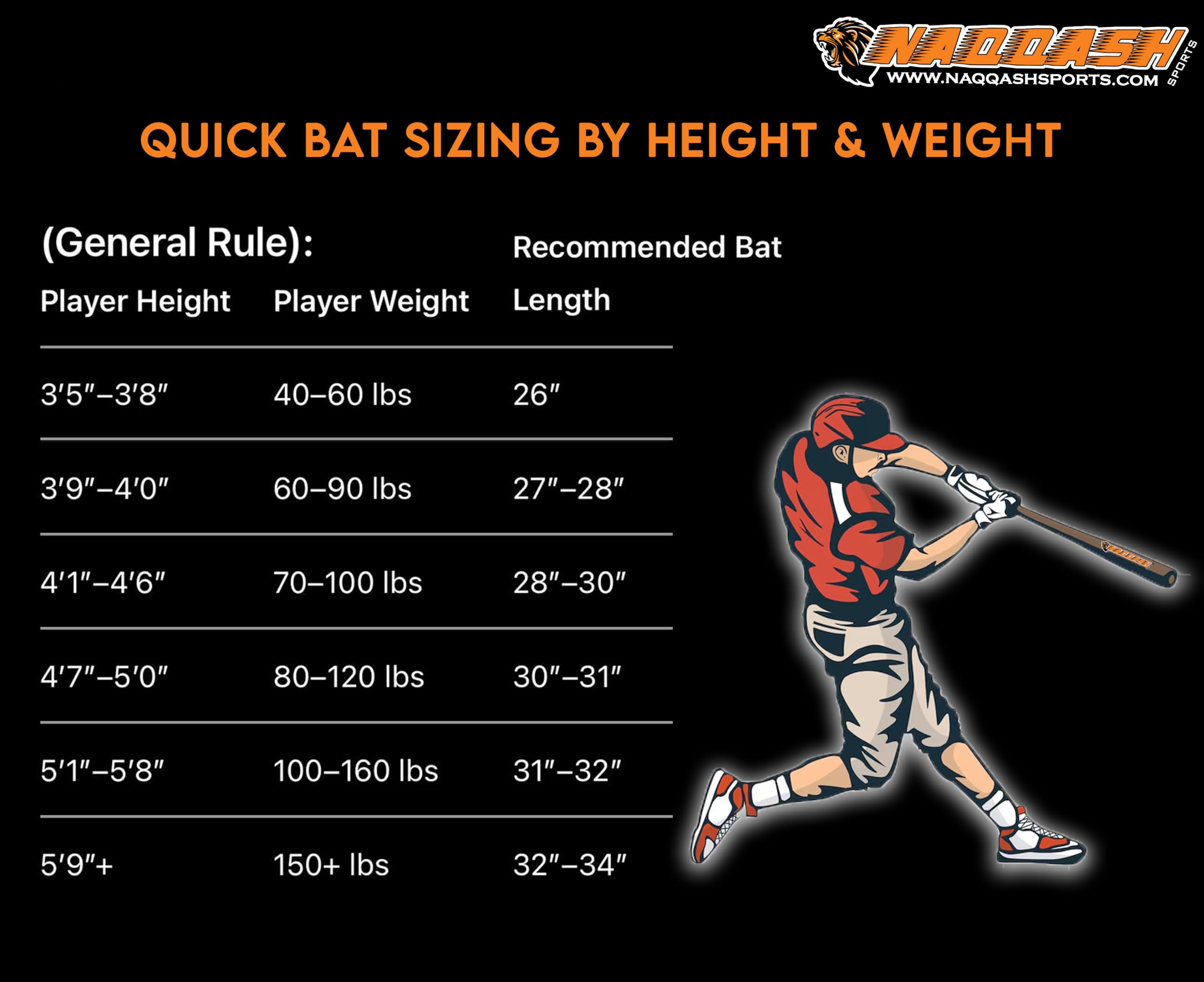
Height is a quick way to guess the right bat length. Taller kids usually need longer bats, while shorter kids need shorter ones.
| Child’s Height | Suggested Bat Length |
| 3’6″ (106 cm) | 24 inches |
| 4’0″ (122 cm) | 26 inches |
| 4’6″ (137 cm) | 28 inches |
| 5’0″ (152 cm) | 30 inches |
| 5’4″ (163 cm) | 31 inches |
Arm Length Measurement
Measuring arm length gives a more custom bat size. It helps if your child’s arms are longer or shorter than average.
- Have your child stand straight with arms relaxed.
- Measure from the center of the chest to the tip of the middle finger.
- Match this number to a bat size chart for length.
- Adjust if your child prefers lighter or heavier bats.
Trial Swing Test
Let your child try swinging different bats to feel what fits best. Comfort and control matter most in this test.
- Pick bats of varying lengths close to the measured size.
- Have the child hold and swing each bat a few times.
- Watch for ease of swing and balance.
- Choose the bat that feels natural and easy to control.
Credit: www.amazon.ca
Choosing The Ideal Weight
Choosing the right baseball bat weight for a kid is important. It helps them play better and enjoy the game.
The bat should not be too heavy or too light. It should feel comfortable when they swing it.
Understanding Drop Weight
Drop weight is the difference between the bat’s length and weight. It helps determine how easy the bat is to swing.
A higher drop weight means a lighter bat. For kids, a drop weight between -10 and -13 is common.
Balancing Control And Power
Control and power are key when choosing a bat. A lighter bat offers more control, which is good for beginners.
As kids grow stronger, they might prefer a heavier bat. This adds more power to their hits.
Testing Different Weights
It’s helpful for kids to test different bat weights. They can find out which feels best for their swing.
Visit a sports store where they can try swinging different bats. This helps in making the right choice.
- Start with lighter bats for younger kids
- Move to heavier bats as strength increases
- Ensure the bat feels balanced in their hands
Types Of Bats And Their Fit
Choosing the right baseball bat for a kid is important. The bat’s type and size affect how well the child plays.
Different bats suit different players. Knowing the types helps pick the best fit for your child.
Aluminum Vs. Composite
Aluminum bats are light and strong. They give good power and last a long time. Kids can swing them fast.
Composite bats are made from layered materials. They reduce vibration and feel softer on the hands. They may take time to break in.
- Aluminum bats are usually cheaper.
- Composite bats may have better balance.
- Choose based on comfort and budget.
Youth Vs. Senior Models
Youth bats are lighter and shorter. They fit kids aged 7 to 12 years old. These bats help kids learn good swing form.
Senior models suit older kids and teens. They are longer and heavier. These bats give more power for stronger players.
- Youth bats length: 26 to 30 inches.
- Senior bats length: 30 to 34 inches.
- Pick a bat that the kid can control well.
League Regulations
Leagues have rules about bat types and sizes. They ensure fair play and safety. Check your league’s rules before buying.
Some leagues require bats with special stamps. Others limit bat length or weight. Follow these rules to avoid problems during games.
- Check for approved bat certifications.
- Follow length and weight limits.
- Ask coaches or league officials if unsure.
Tips For Trying Out Bats
Choosing the right baseball bat for a kid is important for fun and skill. Trying out bats helps find the best fit and feel. This guide covers key tips for testing bats.
Focus on how the bat works in real play, how it feels in the hands, and how fast the kid swings it. These points show if a bat suits your young player.
Simulating Game Conditions
Test the bat in ways that are close to actual playing. This helps see how the bat performs in real moments. Use soft balls and a tee or a coach’s pitch. Let the kid swing as if in a real game.
- Use a batting tee to practice hitting the same spot.
- Try live pitching at a slow speed to mimic real swings.
- Test different swing angles to see bat control.
- Check how the bat feels during quick swings.
Checking Grip And Comfort
Grip and comfort affect how well a kid can swing a bat. The bat should feel natural in the hands. Look for a bat that is easy to hold and does not cause strain.
| Grip Aspect | What to Check |
|---|---|
| Handle Thickness | Should fit the kid’s hands without slipping |
| Bat Weight | Light enough to hold comfortably but not too light |
| Grip Material | Non-slip and soft to reduce vibration |
| Hand Position | Hands should rest naturally on the handle |
Observing Swing Speed
Swing speed shows how well the bat matches the kid’s strength and style. Faster swings mean better control and power. Watch how easily the bat moves through the air.
- Time the swings to check for speed consistency.
- Notice if the kid can swing quickly without strain.
- Look for smoothness in the swing motion.
- Compare swing speeds with different bats for best fit.
Common Sizing Mistakes To Avoid
Choosing the right baseball bat for a kid can be tricky. Many parents make mistakes that affect the child’s comfort and performance.
This guide highlights common errors to avoid when sizing a baseball bat for young players.
Choosing Based On Age Alone
Many assume age is the best way to pick a bat size. This often leads to buying a bat that is too long or heavy for the child.
- Kids of the same age can have different heights and strengths.
- Size charts based only on age ignore physical differences.
- A bat that fits one 8-year-old may not fit another of the same age.
- Choosing by age can cause discomfort and poor swinging form.
Ignoring Child’s Feedback
Parents sometimes ignore how the child feels about the bat. This is a big mistake that can hurt the child’s confidence and skill.
| Signs to Listen For | Why It Matters |
|---|---|
| Bat feels too heavy | Can cause slow swings and tired arms |
| Difficulty controlling the bat | Leads to poor hitting and frustration |
| Uncomfortable grip or length | May cause injury or bad habits |
| Excitement and confidence with the bat | Boosts performance and enjoyment |
Always ask your child how the bat feels. Their input helps find the right fit.
Overlooking League Rules
Each league has specific bat rules. Ignoring them can lead to disqualification or unsafe play.
- Check allowed bat length and weight limits.
- Look for approved certification marks on the bat.
- Follow rules about bat material and barrel size.
- Ask league officials if unsure about bat standards.
Adjusting Bat Size As Kids Grow
Choosing the right baseball bat size helps kids play better and stay safe. Kids grow fast, so bat size needs to change too.
Pay attention to your child’s height, strength, and skill as they get older. This helps you pick the right bat size each season.
Signs It’s Time For A New Bat
Watch how your child uses their bat. If the bat feels too heavy or too light, it may be time for a new one.
Look for these signs:
- Your child swings slower or with less control
- The bat feels uncomfortable or hard to handle
- Your child has grown taller or stronger
- The bat is visibly damaged or worn out
Seasonal Size Reviews
Check your child’s bat size before each baseball season. Kids grow quickly and need the right bat to play well.
Measure your child’s height and weight. Use these to find the best bat length and weight for the new season.
- Measure height from feet to head
- Weigh your child on a scale
- Test different bat sizes in the store if possible
- Ask coaches for advice on bat size
Budgeting For Growth
Kids may need new bats often as they grow. Plan your budget to handle these changes without stress.
Consider these tips:
- Buy bats that last one or two seasons
- Look for sales or secondhand bats in good condition
- Set aside money each year for new sports gear
- Trade or sell old bats to help fund new ones

Credit: www.betweenthelinesaz.com
Frequently Asked Questions
How Do I Measure My Kid For A Baseball Bat?
Measure your child’s height and weight first. Use a sizing chart to match these numbers with bat length. Also, let your child hold the bat to check comfort and control.
What Is The Right Bat Length For Kids?
Bat length depends on your child’s height, weight, and age. Generally, bats range from 24 to 32 inches for kids. A proper length helps with swing speed and accuracy.
How Important Is Bat Weight For Kids?
Bat weight affects swing speed and control. A lighter bat helps kids swing faster and develop proper technique. Always choose a weight your child can handle comfortably.
When Should I Buy A New Baseball Bat?
Buy a new bat when your child outgrows the current one or it becomes too heavy. Also, upgrade if the bat is damaged or doesn’t fit well.
Conclusion
Choosing the right baseball bat size helps kids play better and stay safe. Measure your child’s height and weight first. Then, check the bat length and weight that match those numbers. Let the child hold and swing the bat to feel comfortable.
A well-sized bat improves confidence and skill on the field. Remember, the best bat fits your child’s size and strength. Take time to find the right one. Enjoy watching your young player grow and have fun!