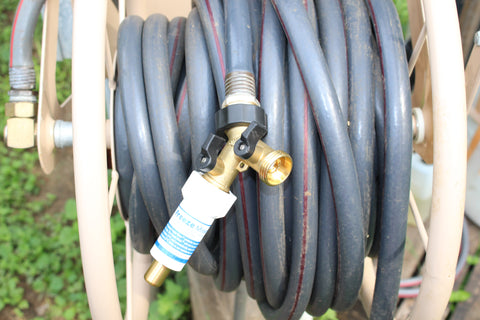
Are you wondering if you can leave your garden hose outside all winter without damaging it? You’re not alone.
Many gardeners face this question every year as cold weather approaches. Leaving your hose out might seem easier, but could it lead to costly repairs or leaks? You’ll discover what really happens to your hose in freezing temperatures and the simple steps you can take to protect it.
Keep reading to save your hose—and your money—this winter.
Winter Risks For Garden Hoses
Leaving your garden hose outside in winter can cause problems. Cold weather brings risks that could harm your hose.
Learn about the dangers of freezing, ice expansion, and mold. These issues can damage your hose if you are not careful.
Effects Of Freezing Temperatures
Freezing temperatures can turn water inside the hose to ice. This can make the hose stiff and hard to use.
When the hose is frozen, it can crack if you try to bend it. The ice can also block water flow when you want to use it.
Damage From Ice Expansion
Water expands when it freezes. If water is inside the hose, it will expand and put pressure on the hose walls.
This pressure can cause the hose to burst or develop leaks. You might not notice the damage until you use it again.
- Hose walls can crack
- Leaking water when thawed
- Reduced hose lifespan
Potential Mold And Mildew Issues
If the hose stays wet inside, mold can grow. Mold and mildew like damp and dark places.
This can make the hose smell bad and be unhealthy to use. Moldy hoses can also affect your plants when you water them.
| Problem | Effect |
| Mold growth | Bad smell |
| Mildew | Unhealthy for plants |

Credit: swanhose.com
Leaving Your Hose Out: Pros And Cons
Many gardeners wonder if they can leave their garden hose outside during winter. Leaving a hose out has both benefits and risks. Understanding these can help you decide what is best for your hose and garden.
This article explores the convenience, potential damage, and effects on the hose’s lifespan. Read on to learn more about each factor.
Convenience And Accessibility
Leaving your hose outside means it is ready to use at any time. You save time by not rolling and unrolling it each season. It also avoids storage space issues indoors.
- Easy access for quick watering
- No need to store and carry heavy hoses
- Less hassle during busy gardening days
Risk Of Cracks And Leaks
Cold winter temperatures can cause water inside the hose to freeze. Frozen water expands and can crack the hose walls. This damage leads to leaks and reduces water flow.
| Risk Factor | Details |
| Freezing Temperatures | Water inside hose freezes and expands |
| Material Damage | Cracks and splits develop on hose surface |
| Leaks | Damaged areas cause water loss during use |
Longevity Impact
Leaving your hose out all winter can shorten its life. Exposure to cold and sun wears down the hose material. Proper care and storage can help it last longer.
Follow these tips to improve hose longevity:
- Drain all water before winter
- Store hose in a shaded or insulated place
- Use hose reels or hangers to avoid kinks
- Inspect hose for damage regularly
Preparing Your Hose For Winter
Leaving your garden hose outside all winter can cause damage. Cold weather and freezing water can crack the hose.
Properly preparing your hose helps it last longer. It keeps the hose safe from winter weather.
Draining Water Completely
Before winter, remove all water from the hose. Water left inside can freeze and expand.
To drain your hose, disconnect it from the faucet. Lift one end and let the water flow out.
- Disconnect hose from water supply
- Hold one end higher than the other
- Allow water to drain fully
- Shake out any remaining water
Proper Storage Options
Store your hose in a dry, cool place during winter. Avoid leaving it on the ground outside.
Use a hose reel or hang it on a hook. This prevents kinks and damage from cold.
- Use a hose reel or wall hook
- Keep hose indoors if possible
- Store in a shed or garage
- Do not fold hose tightly
Using Hose Covers And Insulation
Protect your hose with covers made for winter use. Insulation keeps the hose safe from freezing.
Foam sleeves or insulated wraps work well. These materials stop cold air from reaching the hose.
- Use foam sleeves on the hose
- Wrap hose with insulated tape
- Cover hose connections with caps
- Check covers for damage before winter
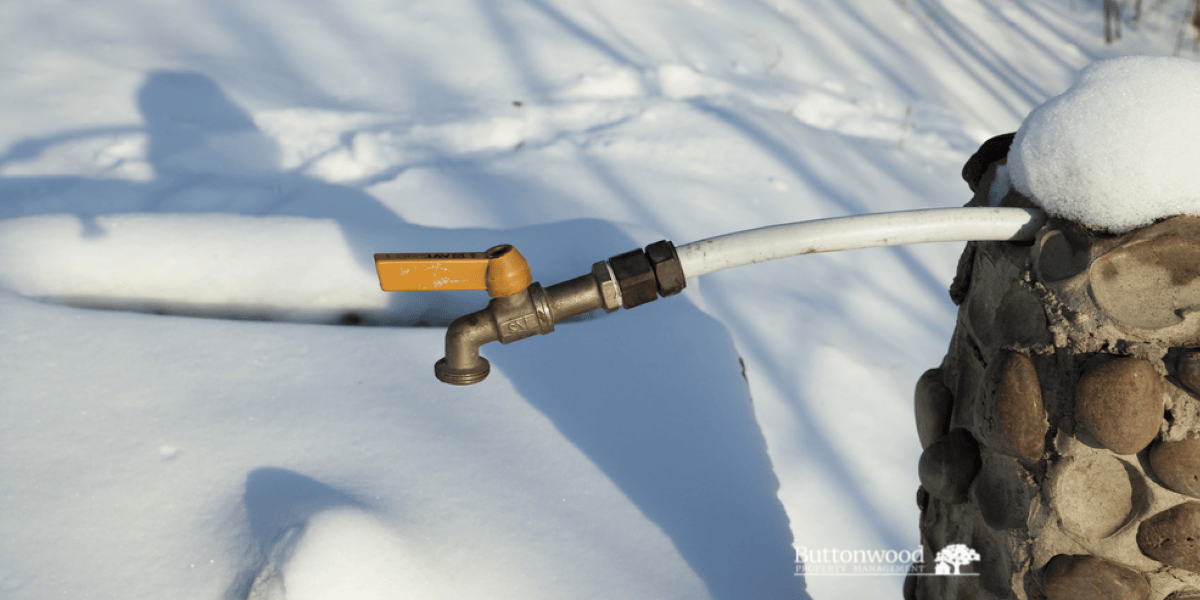
Credit: buttonwood.ca
Alternatives To Leaving Hose Outside
Leaving your garden hose outside during winter can cause damage from freezing temperatures. There are safer ways to store your hose. This helps protect it and keeps it ready for use in spring.
Here are some good alternatives to leaving your hose outside all winter. Each option offers protection and extends the life of your hose.
Indoor Storage Ideas
Storing your hose indoors is one of the best ways to protect it from cold weather. Keep it in a dry place, like a garage or basement. Make sure the hose is drained of water before storing.
- Drain all water from the hose.
- Coil the hose loosely to avoid kinks.
- Place the hose on shelves or hang it on hooks.
- Store the hose in a cool, dry area away from sunlight.
Using Heated Hose Reels
Heated hose reels keep your hose warm enough to prevent freezing. They are designed to provide gentle heat during cold months. This option allows you to keep the hose outside but protected.
| Feature | Benefit |
| Built-in heating element | Prevents freezing |
| Automatic temperature control | Energy efficient |
| Durable reel design | Easy to store hose |
| Outdoor rated materials | Safe for winter use |
Disconnecting And Storing Inside
Disconnecting your hose from the faucet prevents water from freezing inside. After disconnecting, drain the hose completely. Then, store it inside to keep it safe from cold weather.
- Turn off the water supply to the hose.
- Remove the hose from the faucet.
- Drain all remaining water from the hose.
- Coil the hose carefully to avoid damage.
- Store the hose in a dry indoor space.
Maintenance Tips During Winter
Leaving your garden hose outside during winter needs some care. Cold weather can damage the hose and connected parts.
Following simple maintenance tips helps keep your hose safe and ready for use in spring.
Regular Hose Inspections
Check your hose often for cracks, leaks, or worn spots. Cold weather can make rubber brittle and easy to break.
- Look for small cracks or holes along the hose
- Feel for soft or weak areas in the material
- Test the hose by running water through it to find leaks
- Inspect hose connectors and fittings for rust or damage
Handling Minor Damages
Fix small problems quickly to avoid bigger damage. Simple repairs can extend your hose life.
| Type of Damage | Repair Method |
| Small hole or leak | Use waterproof tape or hose patch kit |
| Loose connector | Tighten or replace the connector |
| Cracks in rubber | Seal with rubber adhesive or replace hose |
Preventing Pipe And Faucet Damage
Hoses left on pipes can cause freezing and damage. Protect your water system with these tips.
- Disconnect the hose from the faucet before winter starts
- Drain water from the hose completely to stop freezing inside
- Cover outdoor faucets with insulated covers
- Turn off water supply to outdoor pipes if possible

Credit: www.familyhandyman.com
Frequently Asked Questions
Can I Leave My Garden Hose Outside In Winter?
Leaving your garden hose outside in winter can cause damage. Water inside may freeze, expand, and crack the hose. It’s best to drain and store it indoors to extend its lifespan and avoid costly replacements.
What Happens If A Hose Freezes Outdoors?
If a hose freezes outdoors, water inside expands and may burst the hose. This leads to leaks and unusable damage. Avoid freezing by draining the hose and storing it in a warm place during winter.
How Should I Store My Garden Hose For Winter?
Drain all water from the hose, coil it loosely, and store it indoors. A garage or shed with moderate temperature is ideal. Proper storage prevents freezing, cracking, and extends the hose’s durability.
Is A Winterized Hose Necessary For Cold Climates?
Yes, winterized hoses are designed with durable materials to resist freezing. They help prevent cracking and bursting in cold climates. Consider investing in one if you live where temperatures regularly drop below freezing.
Conclusion
Leaving your garden hose out all winter can cause damage. Water inside can freeze and crack the hose. It’s best to drain and store it in a dry place. Protect your hose to save money on repairs. Taking simple steps helps your hose last longer.
A little care now avoids big problems later. Keep your garden tools safe through the cold months. Your hose will be ready to use when spring comes. Simple actions make a big difference in hose life.