Are you ready to transform your garden without breaking the bank? Filling a raised garden bed doesn’t have to cost a fortune.
In fact, with a few smart choices and some simple tips, you can create a rich, healthy growing space for your plants at a fraction of the usual price. Imagine watching your vegetables and flowers thrive in soil you built yourself—full of nutrients and perfect for growth.
Keep reading, and you’ll discover easy, budget-friendly ways to fill your raised garden bed that save you money and give your plants the best start possible. Your garden—and your wallet—will thank you!
Credit: www.ollegardens.com
Choosing Affordable Materials
Filling a raised garden bed can be expensive. Choosing affordable materials helps you save money. Use resources already available to you.
Consider recycled items and free resources. These can reduce costs while being environmentally friendly.
Reusing Soil And Compost
Old soil and compost are great for garden beds. They enrich the soil with nutrients and improve plant growth.
Collect soil from other parts of your yard. Use compost from kitchen scraps and yard waste.
- Mix old soil with new compost for balance
- Screen soil to remove large debris
- Use coffee grounds for added nitrogen
Finding Free Or Low-cost Fill
Search for free or low-cost fill materials. Many people give away extra soil, sand, or rocks.
Check online marketplaces and community boards for free giveaways. Friends or neighbors might have extra materials, too.
- Look for free fill dirt ads online
- Ask local construction sites for excess soil
- Contact landscaping companies for free mulch
Using Local Resources
Local resources can help fill your garden bed cheaply. Visit local farms or garden centers for bulk materials.
Some communities offer free compost or mulch. Check with local government programs for availability.
- Visit local farms for manure or compost
- Check community gardens for shared resources
- Inquire about municipal compost programs
Layering For Healthy Soil
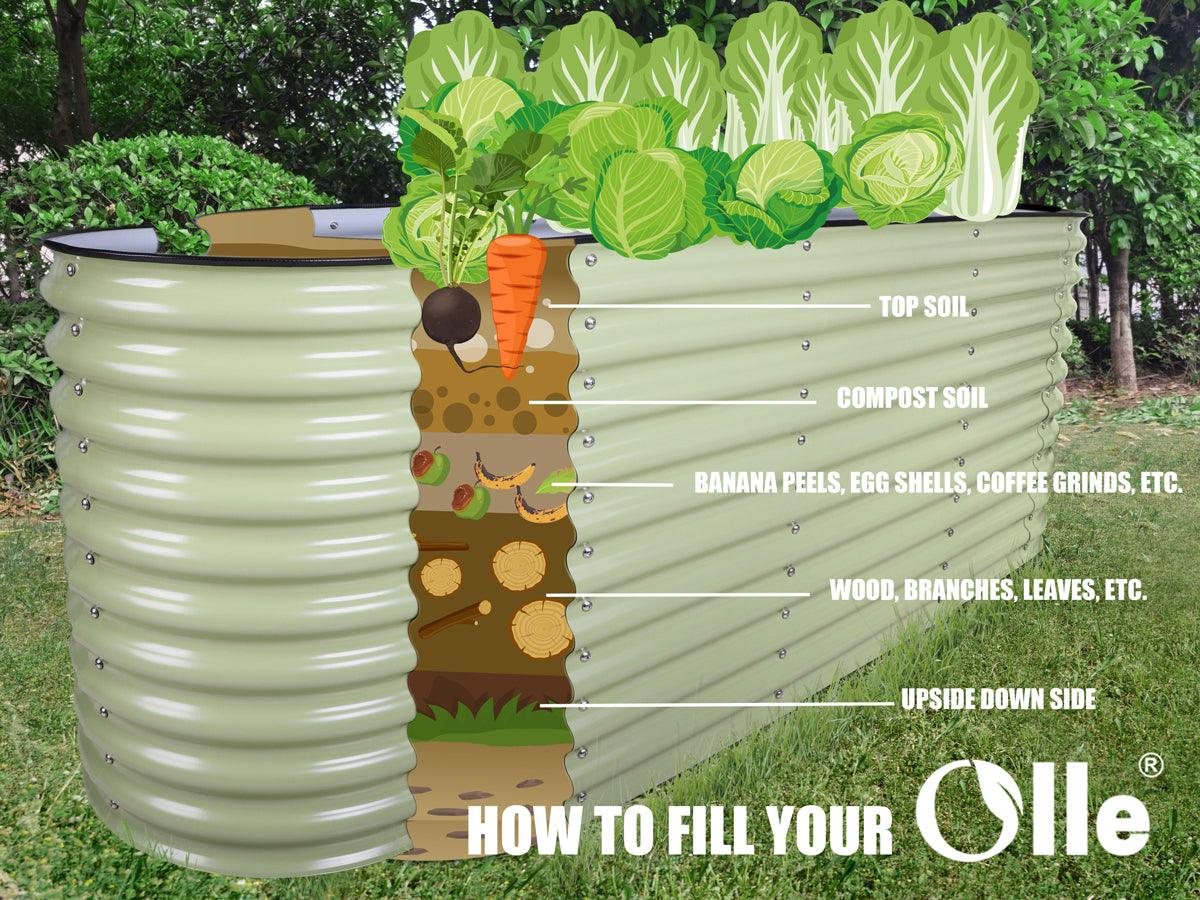
Filling a raised garden bed cheaply needs smart layering. Good layers help plants grow strong.
Each layer adds something important. Start with rough materials and add nutrients later.
Starting With Coarse Materials
Begin with a base of coarse materials. These help drainage and stop soil from packing down.
- Small branches or twigs
- Wood chips or bark
- Straw or dried leaves
- Shredded cardboard or paper
Adding Organic Matter
On top of coarse layers, add organic matter. This feeds plants and holds moisture.
- Compost from kitchen scraps
- Grass clippings
- Manure from herbivores
- Garden waste like leaves and stems
Balancing Nutrients
Plants need balanced nutrients to grow well. Use natural sources to keep soil healthy.
| Source | Key Nutrient |
| Bone meal | Phosphorus |
| Wood ash | Potassium |
| Blood meal | Nitrogen |
| Compost | Mixed nutrients |
Diy Soil Mix Recipes
Filling a raised garden bed does not have to be costly. Using simple, natural materials can create healthy soil for your plants.
These DIY soil mix recipes help you save money and grow strong plants in your garden bed.
Simple Compost And Topsoil Blend
Mixing compost with topsoil gives your garden bed a rich and balanced base. Compost adds nutrients and topsoil provides structure.
- Use two parts topsoil for one part compost
- Make sure compost is well-aged and crumbly
- Mix thoroughly before filling the bed
- Topsoil should be free of weeds and debris
Incorporating Mulch And Leaves
Mulch and leaves help improve soil texture and moisture retention. They break down slowly and feed the soil over time.
| Material | Benefits | How to Use |
| Mulch | Keeps soil moist and cool | Mix in the top 3-4 inches |
| Leaves | Add organic matter and nutrients | Shred and mix with soil layers |
Enhancing With Worm Castings
Worm castings are natural fertilizer that boost soil health. They increase nutrient availability and improve plant growth.
- Mix 10-20% worm castings into your soil blend
- Spread evenly throughout the raised bed
- Water well after mixing to activate nutrients

Credit: www.epicgardening.com
Sourcing Cheap Amendments
Filling a raised garden bed can be costly if you buy all new soil and amendments. You can save money by finding cheap or free materials.
Look around your home and neighborhood for natural items that improve soil. These items add nutrients and help plants grow.
Using Kitchen Scraps
Kitchen scraps are a great source of organic matter. They break down and add nutrients to your soil. Use vegetable peels, coffee grounds, and eggshells.
Do not add meat or dairy because they attract pests. Chop scraps into small pieces to speed up decomposition.
- Vegetable and fruit peels
- Used coffee grounds
- Crushed eggshells
- Tea leaves and bags
Collecting Yard Waste
Yard waste like leaves, grass clippings, and small branches add bulk to your garden bed. They provide carbon and nitrogen for healthy soil.
Gather fallen leaves in autumn or save grass clippings after mowing. Avoid weeds with seeds or diseased plants to keep your soil healthy.
- Dry leaves
- Grass clippings
- Small woody branches
- Plant trimmings
Buying In Bulk
Buying soil amendments in large amounts can lower the price per unit. Look for bulk deals on compost, peat moss, or manure.
Check local garden centers, farms, or online suppliers for bulk prices. Split the cost with friends or neighbors if you only need small amounts.
- Bulk compost
- Bulk peat moss
- Bulk manure
- Sharing costs with others
Tips To Stretch Your Soil Budget
Filling a raised garden bed with good soil can cost a lot. You can save money by using smart methods. These tips help you use less bought soil and still grow healthy plants.
Learn how to fill your bed partly with native soil, boost soil microbes, and keep soil healthy over time. These ideas stretch your soil budget well.
Filling Partially With Native Soil
Use the soil from your yard to fill part of the raised bed. Mix it with compost or other soil to improve it. This lowers the amount of soil you need to buy.
- Remove large roots and rocks from native soil.
- Mix native soil with compost or peat moss.
- Layer native soil at the bottom and better soil on top.
- Water the soil to help it settle.
Encouraging Soil Microbes
Healthy soil needs tiny living things called microbes. They break down organic matter and feed plants. You can help microbes grow without buying expensive products.
| Method | Benefit |
| Add compost or aged manure | Feeds microbes and adds nutrients |
| Use mulch | Keeps soil moist and cool for microbes |
| Plant cover crops | Protect soil and add organic matter |
| Avoid chemicals | Prevents killing helpful microbes |
Maintaining Soil Health Over Time
Good soil lasts if you care for it each season. Keep adding organic matter and avoid compaction to save money on new soil.
- Rotate crops to prevent soil fatigue.
- Add compost yearly to feed soil life.
- Use mulch to reduce water loss and weeds.
- Water gently to avoid washing soil away.
- Test soil every few years to check nutrients.

Credit: migardener.com
Frequently Asked Questions
What Materials Are Cheapest For Filling Raised Garden Beds?
Using a mix of local topsoil, compost, and shredded leaves is cost-effective. Avoid buying expensive garden soil. Utilize free or low-cost organic matter from your yard or community resources to fill your raised bed affordably.
Can I Use Recycled Materials To Fill Raised Beds?
Yes, recycled materials like cardboard, newspaper, and kitchen scraps work well. They improve soil health and reduce waste. Layer these materials with soil and compost for a cheap, nutrient-rich garden bed fill.
How Deep Should I Fill A Raised Garden Bed Cheaply?
Fill your raised bed at least 12 inches deep for healthy root growth. Use layers: start with coarse materials, add compost, then topsoil. This method maximizes space and keeps costs low without sacrificing plant health.
Is Using Compost A Cheap Way To Fill Garden Beds?
Absolutely. Compost enriches soil and reduces the need for fertilizers. You can make your own compost from kitchen and garden waste. This is a sustainable and budget-friendly way to fill raised beds.
Conclusion
Filling a raised garden bed does not have to be expensive. Use local materials like soil, compost, and mulch. Mixing these creates healthy, rich soil for your plants. Save money by reusing kitchen scraps for compost. Regularly add organic matter to keep soil fertile.
Small efforts lead to great garden results. Start with what you have and watch your garden grow. Simple steps make gardening easy and affordable. Your raised bed will thrive without breaking the bank. Gardening can be fun and budget-friendly.