Are you tired of losing fish because your lure isn’t tied right? Knowing how to tie a fish lure correctly can make all the difference between a great catch and an empty hook.
It’s a simple skill that boosts your confidence and improves your chances on the water. In this guide, you’ll learn easy, step-by-step methods to tie your lure securely, so it stays put no matter how hard the fish fights. Keep reading, and you’ll never miss out on a catch again.
Choosing The Right Knot
Tying the correct knot helps keep your lure secure. It also makes casting easier and improves fishing success. Different knots work better with certain lures and fishing lines.
Learning a few strong knots will help you fish with confidence. Each knot has a purpose, and choosing the right one matters.
Types Of Fishing Knots
There are many fishing knots to know. Some knots are easy to tie, while others offer more strength. Common knots include the Palomar, Improved Clinch, and Loop knots.
- Palomar Knot:Strong and simple, good for braided lines.
- Improved Clinch Knot:Popular for monofilament and fluorocarbon lines.
- Loop Knot:Creates a loop to give the lure more movement.
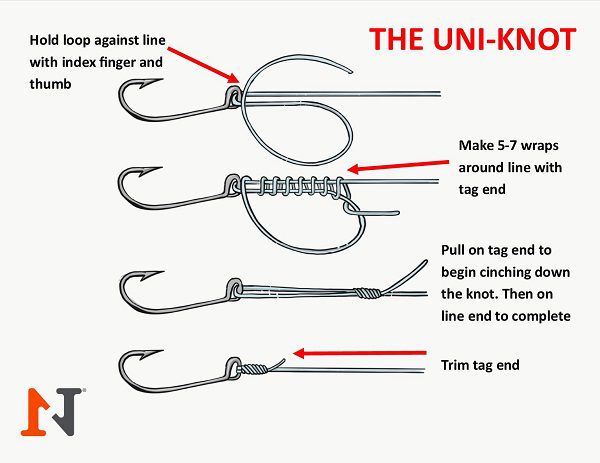
- Uni Knot:Versatile and easy, works with many line types.
- Berkley Braid Knot:Designed for braided lines to prevent slipping.
Best Knots For Different Lures
Choosing the right knot depends on the lure type. Some knots keep the lure moving naturally. Others give a tighter hold for heavy lures.
| Lure Type | Recommended Knot |
| Soft Plastic Lures | Palomar Knot |
| Spinnerbaits | Improved Clinch Knot |
| Topwater Lures | Loop Knot |
| Crankbaits | Uni Knot |
| Jigs | Berkley Braid Knot |
Preparing Your Line And Lure
Tying a fish lure properly starts with preparing your fishing line and lure. Good preparation helps the lure work well and keeps the line strong.
Focus on trimming and cleaning the line first. Then, attach the lure eye securely to avoid losing your catch.
Trimming And Cleaning The Line
Trim any damaged or old parts of your fishing line before tying your lure. Clean the line to remove dirt and salt that can weaken it.
- Cut off frayed or weak sections of the line.
- Wipe the line with a damp cloth to remove debris.
- Check for kinks or twists and straighten them out.
- Make sure the line is dry before tying the knot.
Attaching The Lure Eye
The lure eye is the small ring where you tie the line. Attach the lure eye with a strong knot to hold the lure firmly.
| Knot Type | Description | Strength |
|---|---|---|
| Improved Clinch Knot | Easy to tie and very reliable. | High |
| Palomar Knot | Strong and simple for braided line. | Very High |
| Loop Knot | Allows lure to move freely. | Medium |
Step-by-step Knot Tying Techniques
Tying knots correctly is crucial for fishing success. Learn these techniques to secure your lure.
These knots help keep your lure attached to the line. Practice these to improve your fishing skills.
Improved Clinch Knot
The Improved Clinch Knot is reliable and easy to tie. It is perfect for securing your lure to the line.
- Pass the line through the lure’s eye.
- Wrap the line around itself five times.
- Thread the line back through the loop near the eye.
- Pass the line through the big loop you just made.
- Moisten the knot and pull tight.
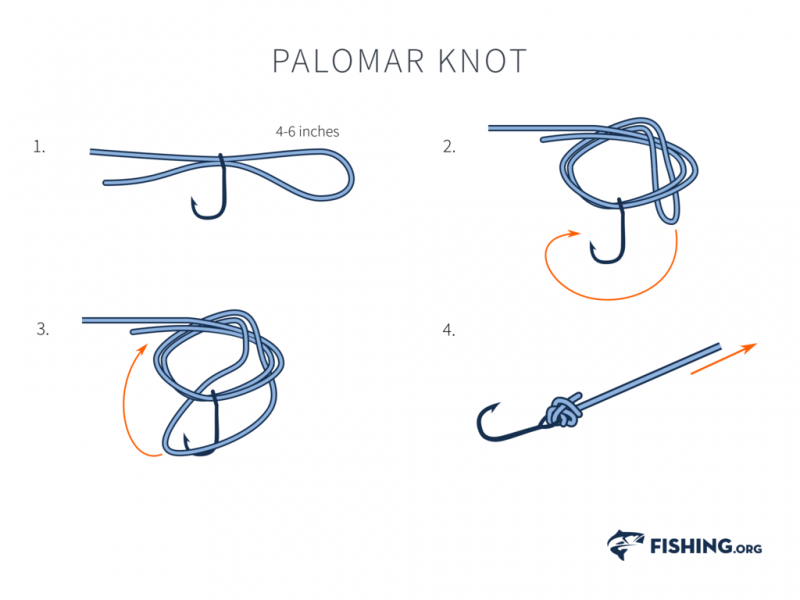
Palomar Knot
The Palomar Knot is strong and simple. It works well with braided lines.
To tie a Palomar Knot:
- Double the line and pass it through the lure’s eye.
- Tie an overhand knot with the doubled line.
- Pass the loop over the lure.
- Moisten and pull both ends to tighten.
Loop Knot Variations
Loop knots allow the lure to move freely. These are ideal for topwater lures.
| Knot Type | Use Case |
| Non-Slip Loop | Heavy-duty lures |
| Rapala Knot | Lightweight lures |
| Perfection Loop | Quick changes |

Credit: www.youtube.com
Tips For Stronger, Reliable Knots
Tying a strong knot is key to keeping your fish lure secure. A weak knot can let your catch escape.
Follow these simple tips to make your knots last longer and hold better in the water.
Moistening The Knot
Before tightening your knot, wet it with water or saliva. This reduces friction and helps the knot tighten smoothly.
Proper Tightening Methods
Pull the knot slowly and steadily to tighten. Avoid sudden jerks that can weaken the knot.
- Hold the tag end and main line firmly.
- Pull both ends evenly to tighten the knot.
- Keep tension until the knot is snug against the lure eye.
Checking Knot Security
Test your knot before fishing. A quick check ensures your lure stays attached during the fight.
| Test Method | What to Look For |
|---|---|
| Pull Test | Knot holds firm without slipping |
| Visual Check | No frayed or loose parts in the knot |
| Line Alignment | Lines lie flat and neat without twists |
Common Knot Mistakes To Avoid
Tying fish lures securely needs the right techniques. Many anglers make simple mistakes. These mistakes can weaken your knot and cost you a catch.
Learning what to avoid helps you tie strong knots every time. Two common issues are twisting and overlapping lines, and using the wrong knot for your line type.
Twisting And Overlapping
Twisting and overlapping happen when lines cross incorrectly. This creates weak spots that can break under pressure. It also makes knots harder to tighten properly.
- Do not let the line twist while tying the knot.
- Avoid overlapping the line loops unevenly.
- Keep the line straight and smooth during the process.
- Make sure the knot tightens evenly without gaps.
- Use your fingers to guide and hold lines in place.
Using The Wrong Knot For Line Type
Not all knots work well with every fishing line. Using the wrong knot weakens the connection. This mistake lowers your chances of landing fish.
| Line Type | Recommended Knot | Common Mistake |
| Monofilament | Improved Clinch Knot | Using knots made for braid |
| Braid | Palomar Knot | Using slip knots that slip easily |
| Fluorocarbon | Uni Knot | Using knots that do not tighten well |
Credit: medium.com
Maintaining Knots During Fishing
Tying a strong knot is important for fishing success. Keeping the knot secure helps catch fish without losing them.
Knots can weaken during fishing. Checking and fixing them often keeps your line strong and ready.
Regular Knot Inspection
Look at your knots regularly. Water, fish, and movement can make knots loose or weak. Check knots before and after every cast.
- Feel the knot for tightness with your fingers.
- Look for frayed or worn lines near the knot.
- Check if the knot slips or moves under pressure.
- Replace any knot that looks damaged or loose.
Retying After Snags Or Breaks
Snags and breaks weaken knots a lot. Always retie your lure if the line catches on rocks or sticks. This keeps your gear safe.
| Reason for Retie | Action Needed |
| Line snagged on debris | Cut damaged line and retie knot |
| Fish pulled hard and line stretched | Inspect knot and retie if loose |
| Visible fraying near knot | Retie with fresh line section |
| Line breaks close to knot | Retie with new knot and check strength |
Credit: www.youtube.com
Frequently Asked Questions
What Is The Best Knot To Tie A Fish Lure?
The Improved Clinch Knot is the best for tying fish lures. It’s strong, reliable, and easy to learn. This knot ensures your lure stays secure during casting and fish strikes, improving your catch rate.
How Do I Prevent My Lure From Slipping?
To prevent lure slippage, moisten the line before tightening the knot. Pull the knot slowly and firmly to secure it. This process reduces friction and keeps the lure firmly attached during fishing.
Can I Use Braided Line For Tying Fish Lures?
Yes, braided line works well for fish lures. Use a Palomar knot for braided lines. It maintains strength and ensures your lure remains securely tied during tough fishing conditions.
How Often Should I Retie My Fish Lure?
Retie your fish lure after every 5-10 casts or if the knot weakens. Regularly check for frayed lines or loose knots to avoid losing fish or lures.
Conclusion
Tying a fish lure well helps catch more fish. Practice the steps slowly to get better each time. Use strong knots to keep your lure safe. Choose the right knot for the type of fishing line. Small details make a big difference on the water.
Keep your knots tight and neat for best results. Enjoy fishing with confidence and patience. Your skills will grow with each trip out. Simple knots can lead to great catches. Try different knots to find what works for you.