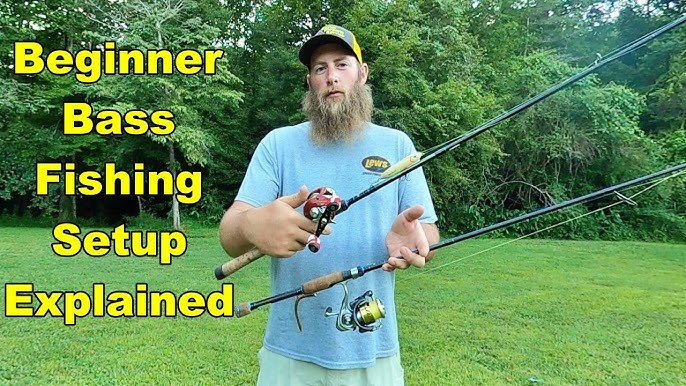
Setting up your fishing rod the right way can make all the difference between a frustrating day and an exciting catch. If you’ve ever felt confused by all the parts or unsure where to start, you’re not alone.
But don’t worry—this guide will walk you through every step clearly and simply. By the time you finish reading, you’ll feel confident and ready to cast your line like a pro. Ready to learn how to set up your fishing rod quickly and easily?
Let’s dive in!

Credit: fishingbooker.com
Choosing The Right Rod And Reel
Setting up a fishing rod starts with selecting the right rod and reel. It ensures you have the best experience on the water.
Learn how to choose the right equipment for your fishing needs. This guide covers types of rods, matching them with reels, and selecting the line.
Types Of Fishing Rods
Fishing rods come in various types, each suited for specific fishing styles and environments. Understanding the differences helps in making the right choice.
- Spinning Rods: Great for beginners, easy to use.
- Baitcasting Rods: Offers more control, ideal for experienced anglers.
- Fly Rods: Best for fly fishing, requires skill to handle.
Matching Rod And Reel
Matching your rod with the correct reel is crucial. It affects casting distance and accuracy. Consider the rod’s power and action when choosing a reel.
| Rod Type | Recommended Reel |
| Spinning Rod | Spinning Reel |
| Baitcasting Rod | Baitcasting Reel |
| Fly Rod | Fly Reel |
Selecting The Line
The line is as important as the rod and reel. Choosing the right line depends on your target fish and fishing conditions. It affects casting and fish fighting.
- Monofilament: Versatile and easy to handle, good for beginners.
- Braided: Strong and durable, suitable for heavy cover fishing.
- Fluorocarbon: Nearly invisible underwater, perfect for clear water fishing.
Attaching The Reel To The Rod
Attaching the reel to the fishing rod is an important part of setting up your gear. A secure reel helps you cast and catch fish easily.
Follow simple steps to fix the reel firmly and check its position on the rod.
Securing The Reel Seat
The reel seat holds the reel in place on the rod. Make sure it is tight and does not move.
To secure the reel seat, slide the reel foot into the seat and twist the locking ring until it feels firm.
- Place the reel foot into the reel seat grooves
- Turn the locking ring clockwise
- Tighten until the reel does not wiggle
- Check by gently pulling the reel
Checking Reel Alignment
Reel alignment ensures the reel sits straight on the rod. A straight reel helps in smooth casting and reeling.
Look down the rod to see if the reel spool lines up with the rod guides.
- The reel spool should be centered under the rod guides
- If the reel tilts, loosen the reel seat and adjust
- Retighten the reel seat after alignment
- Test by turning the reel handle smoothly
Spooling The Line
Spooling the line on a fishing rod is an important task before you start fishing. It helps your line stay neat and ready for casting.
This guide covers the main steps to spool your line correctly and avoid common problems like line twists.
Preparing The Line
Before spooling, check the fishing line for any damage or weak spots. Use the right type and weight of line for your rod and reel.
Cut the line neatly from the spool to avoid frays and knots. Make sure your hands are clean and dry to keep the line in good condition.
Winding Line Onto The Reel
Attach the line to the reel spool with a secure knot. Hold the line tight as you start winding to keep it even and tight.
- Place the line spool on a flat surface or use a line spooler tool.
- Turn the reel handle slowly to wind the line onto the spool.
- Keep tension on the line with your fingers to avoid loose wraps.
- Fill the spool until it is about 1/8 inch from the rim.
- Cut the line and tie it off to the reel’s line clip or secure it with tape.
Avoiding Line Twists
Line twists cause tangles and reduce casting distance. To avoid twists, watch how the line comes off the spool.
| Cause | How to Avoid |
|---|---|
| Line spool spins freely | Secure spool so it does not spin while winding |
| Reel handle turns too fast | Turn handle slowly and keep steady tension |
| Wrong line direction | Feed line from the correct side of the spool |
| Loose line on spool | Keep line tight during winding |

Credit: fishgenix.com
Threading The Line Through Guides
Threading the fishing line through the guides is a key step in setting up a fishing rod. This process helps the line move smoothly and prevents tangles.
Proper threading improves casting accuracy and makes fishing more enjoyable. Take your time to do it right.
Starting At The Tip
Begin threading the line through the guide at the tip of the rod. This guide is the smallest and farthest from the reel.
Pull the line gently through this guide before moving down the rod. Make sure the line goes inside the ring cleanly.
Ensuring Smooth Line Flow
Check each guide to make sure the line runs straight through the center. Twisted or caught line can cause problems.
- Pass the line through every guide, one by one.
- Keep the line tight but not too tight.
- Look for any bends or snags in the guides.
- Adjust the line if it feels rough or stuck.
Tying The Hook And Lures
Tying the hook and lures correctly is key for a strong fishing setup. It keeps your tackle secure and ready for a catch.
This guide shows simple ways to tie knots and attach hooks and lures to your fishing rod.
Choosing The Right Knot
Picking the right knot helps keep your line strong and prevents slipping. Some knots work better with certain types of lines and lures.
- Improved Clinch Knot: Easy and strong for most hooks.
- Palomar Knot: Good for braided lines and heavy lures.
- Loop Knot: Keeps lures free to move naturally.
Attaching Hooks And Lures
Securely attaching hooks and lures is important. It stops them from falling off and helps with casting and catching fish.
| Hook Type | Best Knot | Tip |
| J-Hook | Improved Clinch Knot | Make sure knot is tight and neat. |
| Circle Hook | Snell Knot | Use a tag end of at least 6 inches. |
| Treble Hook | Palomar Knot | Use for lures with multiple hooks. |
| Spinner Lure | Loop Knot | Allows free spinning action. |
Adjusting The Drag System
The drag system on a fishing rod controls the line tension. It helps prevent the line from breaking.
Proper drag adjustment makes fishing easier and safer for your gear.
Setting Proper Drag Tension
Start by tightening the drag knob until it feels firm. Avoid making it too tight or too loose.
- Turn drag knob clockwise to increase tension.
- Turn drag knob counterclockwise to decrease tension.
- Adjust until you feel moderate resistance when pulling the line.
- Test with your hand to find the right balance.
Testing Drag Performance
Test drag by pulling the line slowly. The drag should let the line out smoothly.
| Test Action | Expected Result |
| Pull line gently | Line moves out with steady resistance |
| Pull line hard | Drag holds line without slipping |
| Release line | Drag resets to original tension |
Practicing Casting Techniques
Learning to cast well is key for fishing success. Practice helps you control the rod better.
This guide covers basic casting motions and tips to improve accuracy and distance.
Basic Casting Motions
Start with a smooth back cast. Hold the rod firmly but not tight. Pull the rod tip back slowly.
- Keep your elbow close to your body.
- Pause briefly at the top of the back cast.
- Move the rod forward in a straight line.
- Release the line when the rod tip points toward the target.
Practice these motions slowly at first. Increase speed as you get comfortable.
Improving Accuracy And Distance
Good casting needs both accuracy and distance. Focus on where your lure lands.
| Tip | How to Do It |
| Focus on the Target | Pick a spot and aim your cast there. |
| Control Your Speed | Use a smooth, steady motion to avoid wild casts. |
| Adjust Your Grip | Hold the rod comfortably for better control. |
| Practice Casting Distance | Gradually increase your casting range. |
Maintaining Your Fishing Rod
Keeping your fishing rod in good shape helps it last longer. Regular care stops damage and keeps it working well.
Two key parts of rod care are cleaning and storage, and checking for damage. Both keep your rod ready for fishing trips.
Cleaning And Storage Tips
Clean your fishing rod after each use. Dirt and salt can cause rust and damage parts of the rod.
- Rinse the rod with fresh water to remove dirt and salt.
- Use a soft cloth to wipe the rod dry.
- Check the guides and reel seat for stuck debris.
- Store the rod in a cool, dry place away from sunlight.
- Keep the rod in a rod holder or case to avoid bending or scratches.
Inspecting For Damage
Look over your fishing rod regularly. Small cracks or loose parts can cause bigger problems later.
| Part | What to Check | Signs of Damage |
| Rod Blank | Surface and length | Cracks, deep scratches, warping |
| Guides | Rings and frames | Broken rings, bent frames, rust |
| Reel Seat | Thread and locking mechanism | Loose fit, stripped threads |
| Handle | Grip and connection | Worn grip, loose handle parts |

Credit: www.youtube.com
Frequently Asked Questions
How Do I Choose The Right Fishing Rod For Beginners?
Choose a fishing rod based on the fish type and fishing style. Beginners should pick a medium-action rod. It offers versatility and ease of use. Consider rod length between 6 to 7 feet for better control and casting distance.
What Are The Basic Steps To Set Up A Fishing Rod?
Start by assembling the rod and reel. Thread the fishing line through the guides. Attach the reel securely. Tie the hook or lure to the line. Add weights or bobbers if needed. Finally, check the drag system before fishing.
How Do I Properly Thread A Fishing Line Through Guides?
Begin by attaching the line to the reel spool. Pull the line and pass it through each guide starting from the bottom. Ensure the line runs smoothly without tangles. This helps in accurate casting and reduces line wear during fishing.
What Type Of Fishing Line Should I Use?
Select a fishing line based on fish size and water conditions. Monofilament lines are versatile and easy to handle. Braided lines offer higher strength and sensitivity. Fluorocarbon lines are nearly invisible underwater, ideal for clear water fishing.
Conclusion
Setting up a fishing rod is easier than it seems. Follow each step with care and patience. Check your reel, line, and hook before fishing. Practice tying knots to keep your gear secure. Remember, a well-set rod helps catch more fish.
Take your time and enjoy the process. Soon, you will feel confident by the water. Fishing is about fun and learning, not just catching fish. Keep trying, and your skills will grow day by day.