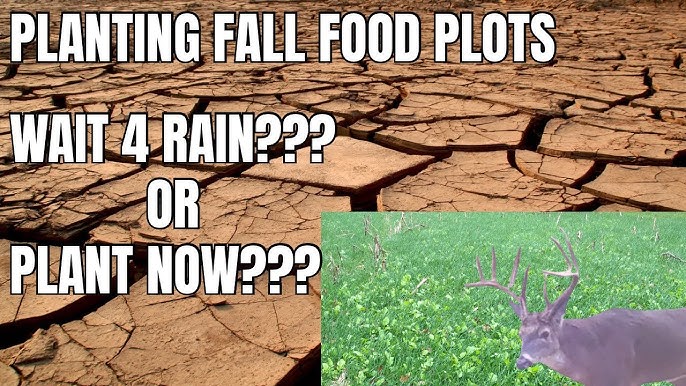
Are you wondering the best time to plant fall food plots to get the biggest payoff? Timing is everything when it comes to growing healthy, thriving plots that attract wildlife and boost your hunting success.
Plant too early or too late, and you could miss out on lush growth or fail to provide the nutrition animals need as the seasons change. You’ll discover exactly when to plant your fall food plots to maximize growth, attract game, and make your efforts count.
Keep reading to learn the insider tips that will help you get it right every time.
Ideal Planting Time
Knowing the right time to plant fall food plots is crucial. It ensures the best growth for your plants.
Several factors affect when to plant, such as climate and soil conditions.
Climate Considerations
Different regions have varying climates. This affects planting times.
- Southern regions can plant earlier.
- Northern areas may need to wait longer.
- Check local weather patterns.
Soil Temperature
Soil temperature plays a key role in seed germination. It should be warm enough for seeds to sprout.
Frost Dates
Knowing the first expected frost date is important. It helps plan the planting schedule.
| Region | First Frost Date |
| Midwest | October 10 |
| Northeast | October 15 |
| Southeast | November 5 |

Credit: www.youtube.com
Choosing The Right Crops
Selecting the right crops for fall food plots is important. It helps ensure good growth and attracts wildlife.
Think about weather, soil, and your goals before planting. Different crops work best in cool or warm seasons.
Cool-season Options
Cool-season crops grow well in cooler temperatures. They do best when planted early fall.
- Cereal grains like oats and rye
- Brassicas such as turnips and radishes
- Legumes like clover and peas
- Winter wheat for cover and food
Warm-season Alternatives
Warm-season crops can still grow if fall stays warm. They need more heat to mature.
| Crop | Best Planting Time | Notes |
|---|---|---|
| Millet | Late summer to early fall | Good for quick cover and seed |
| Sorghum | Late summer | Produces large seeds for wildlife |
| Sunn Hemp | Summer to early fall | Fixes nitrogen and adds organic matter |
| Corn | Early to mid-summer | Needs warm soil to start |
Soil Preparation Tips
Preparing soil is key for a good fall food plot. Healthy soil helps plants grow strong. Good soil makes sure your plot feeds wildlife well.
Start with testing your soil. Then work on tillage and fertilization. These steps help your soil get ready for planting.
Testing Soil Nutrients
Test your soil to know its nutrients and pH level. This helps you decide what to add to improve the soil. Use a soil test kit or send samples to a lab. Testing tells you about nitrogen, phosphorus, and potassium levels.
- Collect soil samples from several spots in your plot
- Mix samples together for a good average
- Send the mix to a testing lab or use a test kit
- Review the results to see nutrient levels and pH
- Plan fertilizer and lime based on the report
Tillage And Fertilization
Tillage loosens the soil and mixes nutrients. It also removes old plants and weeds. Fertilization adds the nutrients your soil needs. Combine these steps for best soil health.
| Task | Purpose | Timing |
| Tillage | Loosen soil and remove weeds | 1-2 weeks before planting |
| Fertilization | Add nutrients based on soil test | After tillage, before planting |
| Lime Application | Adjust soil pH if needed | At least 2 weeks before planting |

Credit: m.youtube.com
Seeding Techniques
Planting food plots in the fall needs careful seeding techniques. Proper seed depth and spacing help seeds grow strong. Watering also supports healthy plants.
Understanding how to plant seeds correctly will improve your fall food plots. Use the right methods to get better results.
Seed Depth And Spacing
Seeds must be planted at the right depth for best growth. Planting too deep can stop seeds from sprouting. Too shallow planting may dry seeds out.
- Plant small seeds about ¼ to ½ inch deep.
- Larger seeds need 1 to 1½ inches deep.
- Keep seeds spaced to avoid crowding.
- Use a seed spreader for even distribution.
- Follow seed package instructions for spacing.
Irrigation Needs
Water is key to seed germination and growth. Fall food plots need steady moisture but not too much water. Overwatering can cause seed rot.
| Watering Frequency | Amount | Notes |
| Daily | Light watering | Keep soil moist, not soaked |
| Every 2-3 days | Moderate watering | Adjust if rain occurs |
| Once a week | Deep watering | Use during dry spells |
Monitoring Growth
Planting fall food plots at the right time is important for healthy growth. Watching your plants grow helps you spot problems early. This way, you can take quick action and keep your food plot strong.
Check your food plots often. Look for signs of stress, pests, or weeds. Good monitoring helps you get the best results from your fall planting.
Weed Control
Weeds compete with your food plot plants for water and nutrients. They can slow down growth and reduce yield. Remove weeds early to protect your plants.
Use tools like hand pulling or hoeing for small weed patches. For larger areas, consider safe herbicides. Always follow label instructions to avoid harming your food plot.
- Check for weeds weekly
- Remove weeds before they seed
- Use mulch to reduce weed growth
- Apply herbicides carefully if needed
Pest Management
Pests can damage your food plot plants and lower their quality. Watch for insects and animals that eat or harm your crops. Early detection helps you control pests better.
Use natural methods like encouraging beneficial insects or using barriers. If pests grow out of control, apply pesticides safely. Always follow instructions to protect your plants and the environment.
- Inspect plants regularly for pest damage
- Encourage helpful insects like ladybugs
- Use physical barriers to block pests
- Apply pesticides only if necessary
Adjusting For Regional Variations
Planting fall food plots needs careful timing. Planting too early or late affects growth and wildlife use.
Each region has different weather and soil conditions. Adjust your planting schedule based on your location.
Northern Climates
In northern areas, the growing season is short. Plant fall food plots after the last frost date.
Cool temperatures help seeds grow well. Planting in late summer or early fall works best here.
- Plant 6 to 8 weeks before the first heavy frost
- Use cold-hardy seeds like winter peas or oats
- Prepare soil in late summer for better seed contact
Southern Climates
Southern regions have longer growing seasons. Plant food plots later in fall to avoid summer heat.
Soil stays warmer longer, which helps seeds germinate. Early to mid-fall planting is ideal here.
- Plant 4 to 6 weeks before the first frost or freeze
- Choose warm-season seeds like clover or brassicas
- Water plots after planting if rain is scarce

Credit: www.youtube.com
Frequently Asked Questions
When Is The Best Time To Plant Fall Food Plots?
The best time is late summer to early fall. This allows seeds to germinate before cold weather. It ensures plants grow strong for wildlife feeding during fall and winter.
How Does Soil Temperature Affect Fall Food Plot Planting?
Soil temperature should be between 50°F and 65°F. This range promotes seed germination and healthy root growth. Planting outside this range risks poor sprouting and weak plants.
What Seeds Are Ideal For Fall Food Plots?
Cool-season crops like clover, chicory, and winter wheat work best. These seeds thrive in cooler weather and provide good nutrition for wildlife. Choose seeds suited for your region’s climate.
How Long Before Hunting Season Should I Plant Fall Plots?
Plant food plots 6 to 8 weeks before hunting season. This timing ensures plants mature and attract game. Early planting also allows recovery if replanting is needed.
Conclusion
Planting fall food plots at the right time helps plants grow strong. Cooler weather and shorter days signal the best planting window. Starting too early or too late can hurt growth and reduce food for wildlife. Choose seeds that match your local climate and soil.
Water and care for your plot regularly to get good results. Watching nature and learning from each season improves your success. Timing matters most for a healthy, thriving fall food plot. Plan well, plant smart, and enjoy the benefits this season.