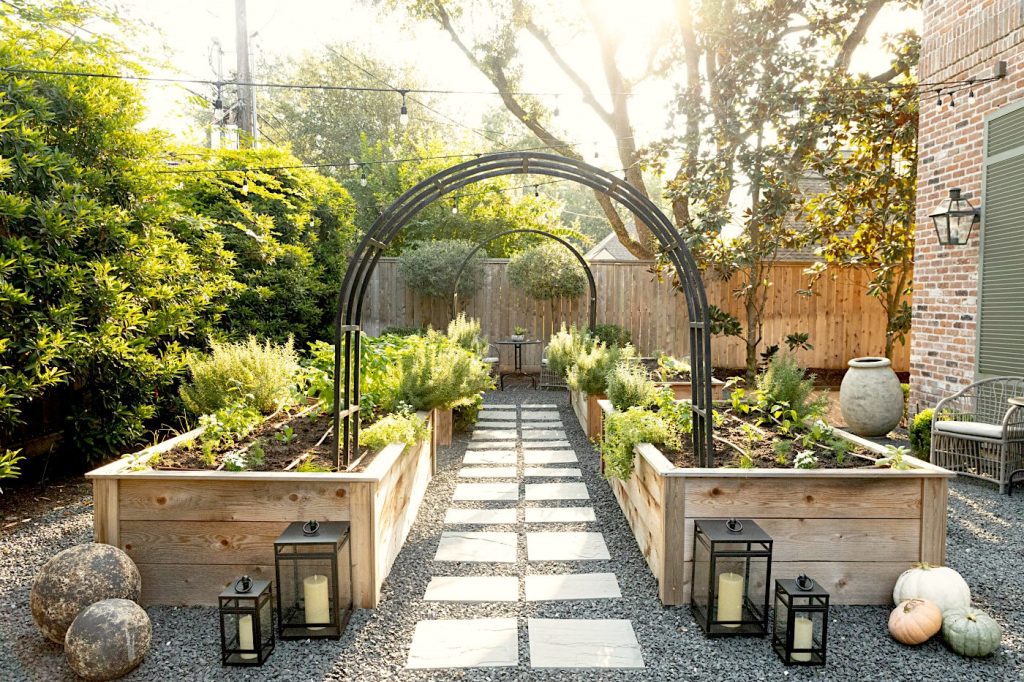
Are you wondering if lining your raised garden bed is really necessary? You’re not alone.
Many gardeners ask this question because making the right choice can save you time, money, and effort. Whether you want healthier plants, longer-lasting beds, or better soil control, the answer could change how you garden forever. Keep reading to discover the pros and cons of lining your raised garden bed—and find out what’s best for your garden’s success.
Benefits Of Lining Raised Beds
Lining your raised garden bed can bring many benefits. It helps improve plant growth and garden maintenance.
Here are some key advantages of using a liner for your raised beds.
Improved Soil Retention
Lining your garden bed keeps the soil in place. This prevents soil from washing away during heavy rain.
It also helps maintain the soil structure. Plants need stable soil for healthy growth.
Enhanced Moisture Control
A liner helps control how much water stays in the soil. This is important for plant health.
Too much water can harm plants. A liner balances moisture levels better.
Protection From Pests And Weeds
Lining your bed can keep pests out. It acts as a barrier against insects and small animals.
A liner also reduces weed growth. This means less work for you in maintaining your garden.
- Pests find it harder to reach plants
- Weeds have less chance to invade
- Less time needed for garden upkeep

Credit: www.reddit.com
Types Of Liners To Consider
Lining your raised garden bed can protect the wood and soil. It also helps control water drainage and soil quality.
Different liners offer unique benefits. Choosing the right liner depends on your needs and garden style.
Plastic And Polyethylene Liners
Plastic liners are common for raised beds. They stop moisture from leaking and protect wood from rot.
Polyethylene is a strong plastic type. It lasts long and resists tears. It keeps soil moist and prevents weeds.
- Easy to install and clean
- Waterproof and durable
- May trap too much water if no drainage
- Not biodegradable
Landscape Fabric
Landscape fabric lets water drain but stops weeds. It is breathable and helps soil stay healthy.
This fabric is lightweight and flexible. It is often used under gravel or mulch to control weeds.
- Allows water and air flow
- Reduces weed growth
- Breaks down slowly over time
- Needs to be secured well
Natural Materials
Natural liners include burlap, cardboard, or coconut coir. These break down and add nutrients to soil.
They are eco-friendly and easy to find. Natural liners may not last as long as synthetic ones.
- Biodegradable and safe for plants
- Improves soil as it decomposes
- Needs replacement after some time
- May not block all weeds
When To Skip Lining
Lining a raised garden bed can protect the wood and control soil conditions. Yet, some situations call for skipping the lining. Understanding when to avoid lining helps your garden thrive.
Look at soil health, plant root growth, and environmental effects. These factors guide your choice on whether to line your raised bed.
Soil Health And Drainage
Lining can block water flow and trap moisture. This may harm soil life and cause poor drainage. If your soil drains well and stays healthy, you might skip lining.
- Skip lining if soil drains naturally
- Use lining only if wood needs protection
- Avoid lining in areas with heavy rain
- Check for good soil aeration before lining
Plant Root Growth
Some plants need roots to spread freely. Lining can create a barrier, limiting root expansion. Skip lining if you grow deep-rooted or spreading plants.
| Plant Type | Root Growth Needs | Lining Advice |
| Carrots | Deep and straight | Skip lining |
| Tomatoes | Moderate spread | Optional lining |
| Lettuce | Shallow roots | Lining okay |
| Beans | Wide spread | Skip lining |
Environmental Impact
Some lining materials do not break down and may pollute soil. Avoid plastic liners to reduce waste. Choose natural options or no lining to protect the environment.
Environmentally friendly tips:
- Use untreated wood or natural fabrics
- Avoid plastic or synthetic liners
- Choose biodegradable liners if needed
- Consider no lining to reduce waste
Installation Tips For Liners
Lining a raised garden bed helps protect the wood and soil. It keeps the bed durable and clean. Use the right liner to avoid water problems.
Good installation makes your garden bed last longer. It also helps plants grow better by keeping soil healthy and dry.
Preparing The Bed
Clear the bed of rocks and sharp objects. Smooth the surface to avoid puncturing the liner. Make sure the bed frame is stable and free of nails or screws sticking out.
- Remove debris and sharp edges
- Check for loose nails or screws
- Level the soil inside the bed
- Dry the bed before adding the liner
Securing The Liner
Use heavy-duty materials like pond liner or landscape fabric. Cut the liner to fit the bed with extra on all sides. Attach the liner with staples or clips to keep it tight.
| Material | Attachment Method | Notes |
| Pond liner | Staples or nails with washers | Waterproof and durable |
| Landscape fabric | Staples or garden staples | Allows water flow, blocks weeds |
| Plastic sheeting | Staples or adhesive tape | Less durable, budget option |
Maintaining Proper Drainage
Drainage stops water from pooling inside the bed. Cut small holes or use gravel under the liner to help water flow. Keep the liner loose enough to prevent water traps.
- Place gravel or small stones at the bottom
- Cut drainage holes every 12 inches
- Check holes regularly to avoid clogging
- Keep liner edges raised to direct water flow
Common Mistakes To Avoid
Deciding to line your raised garden bed can help protect the wood and soil. But mistakes can cause problems for your plants and bed structure. Avoid these common errors to keep your garden healthy and long-lasting.
Pay attention to the materials you use, how you place the liner, and drainage needs. These details affect water flow, root health, and bed durability. Read on to learn what to watch out for.
Using Non-breathable Materials
Using plastic or other non-breathable liners traps moisture in the soil. This can lead to root rot and poor plant growth. Roots need oxygen to thrive, and air cannot pass through solid plastic.
- Choose breathable fabrics like landscape cloth or burlap
- Avoid thick plastic sheets that block air flow
- Check that the liner allows water to drain freely
- Replace liners every few years to prevent decay buildup
Ignoring Drainage Needs
Poor drainage causes water to pool at the bottom of the raised bed. This drowns roots and invites pests and fungi. Make sure your liner does not block water from leaving the soil.
| Drainage Problem | Effect on Plants |
| Blocked drainage holes | Water collects, roots rot |
| Non-permeable liner | Soil stays soggy |
| No gravel or sand layer | Slower water movement |
Improper Liner Placement
Placing the liner incorrectly can reduce its benefits and cause damage. Wrinkles or gaps let soil wash out or wood rot. The liner should fit snugly against the bed walls and base.
- Cut the liner slightly larger than the bed size
- Smooth out wrinkles before filling with soil
- Overlap seams to prevent leaks
- Secure the liner with staples or clips
- Keep liner away from direct sunlight to prevent cracking

Credit: www.reddit.com
Alternatives To Traditional Liners
Lining a raised garden bed helps protect wood and soil. There are other ways to keep your garden bed safe and healthy.
This guide explores options beyond plastic or fabric liners. You can try natural and long-lasting materials.
Using Cardboard Or Newspaper
Cardboard and newspaper work well as temporary liners. They break down naturally and add organic matter to the soil.
Place layers of cardboard or newspaper at the bottom of your bed. Wet them so they stay in place and start decomposing.
- Suppresses weeds from below
- Improves soil health over time
- Free and easy to find materials
- Needs replacement every season
Building With Rot-resistant Wood
Choosing rot-resistant wood helps your garden bed last longer without liners. Woods like cedar and redwood resist decay naturally.
This wood type reduces the need for extra protection. It keeps the soil contained and safe from wood rot.
- Cedar and redwood are durable
- Do not need plastic liners
- More eco-friendly and natural
- Usually cost more than regular wood
Incorporating Raised Bed Soil Mix
You can build your raised bed with a special soil mix. This mix drains well and stays healthy without liners.
Use a mix of compost, peat moss, and vermiculite. This keeps plants happy and avoids soil problems inside the bed.
- Improves water drainage
- Provides nutrients for plants
- Reduces soil compaction
- Helps roots grow strong
Credit: paradehomeandgarden.com
Frequently Asked Questions
Should I Line My Raised Garden Bed?
Lining your raised garden bed helps protect wood from moisture and soil damage. It also improves soil retention and drainage. However, choose breathable liners to prevent root rot. Overall, lining extends bed life and promotes healthier plants.
What Materials Are Best For Raised Bed Liners?
Common raised bed liners include landscape fabric, plastic, and pond liners. Landscape fabric allows water flow and weed control. Plastic liners retain moisture but may trap water. Choose liners based on your garden’s drainage and plant needs.
Can Raised Bed Liners Cause Drainage Problems?
Poor liners like thick plastic can trap excess water and cause drainage issues. Breathable fabrics or perforated liners improve drainage and prevent waterlogging. Proper liner choice ensures healthy root growth and reduces plant stress.
How Does Lining Affect Soil Temperature?
Liners can moderate soil temperature by insulating against extreme cold or heat. Dark liners absorb heat, warming soil in cooler climates. Breathable liners maintain natural airflow, preventing overheating. Proper lining supports optimal root environment year-round.
Conclusion
Lining a raised garden bed can protect wood and soil. It helps keep moisture and nutrients in place. The choice depends on your budget and garden needs. Some liners can block water flow, so choose carefully. Think about the plants you want to grow too.
Good soil and proper watering matter most for healthy plants. Experiment and find what works best for your garden. Enjoy growing your plants and watching them thrive!