Have you ever wondered how a 17th-century rebellion could change the way employers treat their workers? Bacon’s Rebellion was more than just a conflict; it shook the foundations of how planters managed their labor force.
If you want to understand the roots of employment practices in early America and how they still influence work today, this article is for you. Keep reading to discover the surprising ways this uprising shaped jobs, worker rights, and the economy in the colonies.

Credit: limerick1914.medium.com
Bacon’s Rebellion Background
Bacon’s Rebellion took place in 1676 in the Virginia Colony. It was led by Nathaniel Bacon against the rule of Governor William Berkeley.
The rebellion was a response to various grievances held by settlers. It highlighted tensions between frontier settlers and colonial government.
Causes Of The Rebellion
There were several reasons why settlers were unhappy. Economic hardship and lack of protection from Native American attacks were major issues.
- High taxes that burdened the poor
- Land shortages for new settlers
- Perceived government corruption
Key Figures Involved
Nathaniel Bacon was the leader of the rebellion. Governor William Berkeley was the main authority figure opposing the rebels.
| Figure | Role |
| Nathaniel Bacon | Leader of the rebellion |
| William Berkeley | Governor of Virginia |
| Frontier Settlers | Supported Bacon |
Rebellion’s Course And Outcome
The rebellion began with attacks on Native American tribes. It escalated into a full-scale revolt against Governor Berkeley’s government.
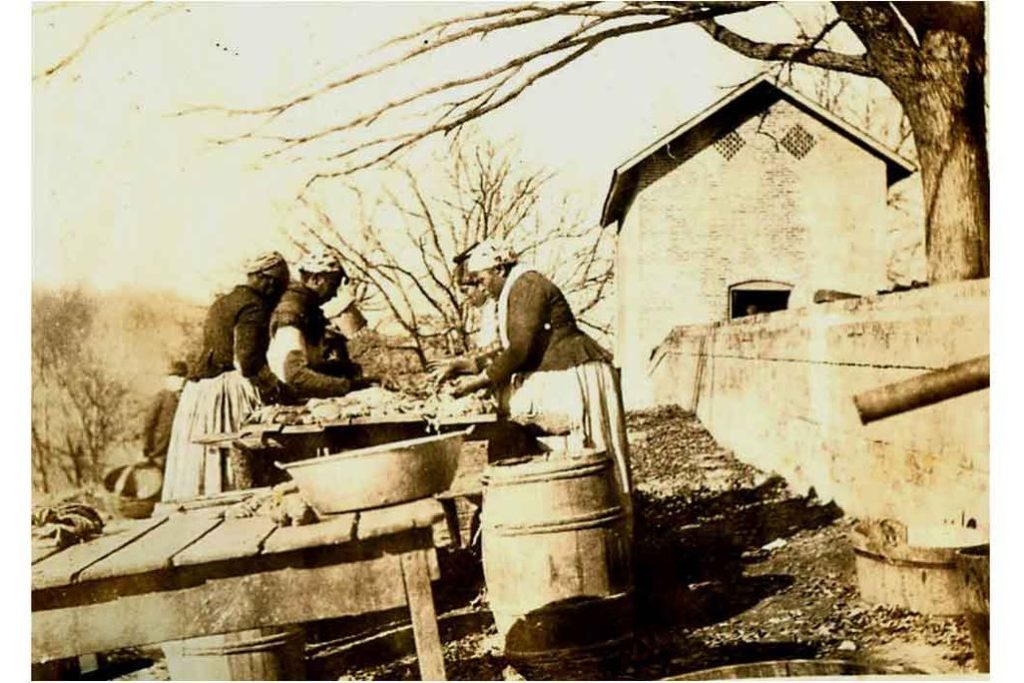
The rebellion’s aftermath led to changes in labor practices. Planters began to rely more on enslaved Africans than indentured servants.
Labor Challenges Before The Rebellion
Before Bacon’s Rebellion, planters faced many problems with their workers. The demand for labor grew as plantations expanded. Finding enough workers was hard and costly.
Planters used different groups of workers. Each type had its own challenges. These challenges shaped how planters hired and managed labor.
Indentured Servitude Role
Indentured servants were workers who agreed to work for a set time. They worked for planters in exchange for passage to America. Many planters relied on them.
These servants often had short work terms, usually four to seven years. After that, they became free. This made planters worry about long-term labor.
Native American Labor Relations
Planters sometimes tried to use Native Americans as workers. They captured or traded for labor from local tribes. This labor was less stable and often resisted.
Native Americans knew the land and could escape easily. Many planters found this labor source unreliable and costly to maintain.
Early African Labor Presence
African laborers were present but few before the rebellion. They worked as servants or slaves. Planters began to see them as a more permanent labor source.
Early African labor helped planters face worker shortages. But planters had to learn how to control this new workforce. This shaped future employment practices.
Planters’ Employment Shifts After Rebellion
Bacon’s Rebellion changed how planters hired workers on their farms. The uprising made planters rethink who they trusted for labor.
Planters wanted more control and less risk. They began to change their hiring methods to keep peace and grow their crops.
Decline Of Indentured Servitude
Before the rebellion, many workers were indentured servants. These workers agreed to work for years to pay off their travel debts.
After the rebellion, planters saw indentured servants as risky. Some servants joined uprisings, so planters used fewer indentured workers.
- Indentured servants often gained freedom after their contracts
- Freed servants sometimes challenged planters’ authority
- Planters wanted a more permanent and controlled workforce
Rise Of African Slavery
Planters started using more African slaves after the rebellion. Slaves worked for life and gave planters steady labor.
Slavery grew because it reduced the chance of worker rebellion. Slaves had no legal rights, which made control easier for planters.
- African slaves became the main labor force
- Slavery laws became stricter to control slaves
- Planters invested more in slave labor for long-term work
Changes In Labor Contracts
Planters changed how they wrote labor contracts after the rebellion. They made contracts stricter and longer.
New contracts limited workers’ freedom and made it harder to leave jobs. Planters wanted fewer chances of losing workers.
- Longer contract periods for workers
- More rules to stop workers from running away
- Contracts favored planters’ control and protection
Economic Motivations Behind Labor Changes
Bacon’s Rebellion in 1676 caused planters to rethink how they hired workers. The uprising showed that relying only on certain labor groups was risky. Planters wanted a system that kept their farms stable and productive.
Economic reasons pushed planters to find better ways to manage workers. They needed steady workforces to grow crops and keep profits high. The rebellion helped change employment practices on plantations.
Planters’ Desire For Stability
Planters wanted workers who would stay loyal and work hard. Bacon’s Rebellion showed that some workers might join uprisings. Planters looked for labor that was less likely to cause trouble.
They shifted toward hiring workers with fewer ties to rebellion groups. This helped create a more stable workforce that planters could trust to protect their land and crops.
Cost Efficiency In Labor
Planters wanted to lower costs while keeping farms productive. Bacon’s Rebellion made them realize that worker unrest could be expensive. They looked for labor systems that saved money and reduced risks.
Using enslaved workers for life became a cheaper option than hiring temporary workers. This change helped planters control labor costs and keep steady production.
Response To Labor Unrest
After the rebellion, planters acted to prevent future uprisings. They changed employment rules to limit workers’ freedom. This reduced the chance of workers organizing against them.
Planters also used laws to create divisions among workers. This strategy made it harder for different groups to unite and rebel again.
Social And Racial Implications
Bacon’s Rebellion changed how planters hired workers. It affected social and racial rules in colonies. This event pushed planters to change their work policies.
Planters started to rely more on racial divisions. These changes shaped future laws and social order in colonial America.
Enforcement Of Racial Hierarchies
After the rebellion, planters made race a key factor in hiring. They separated workers by skin color to keep control. This created a clear social order based on race.
White workers often got better jobs. Black workers and Native Americans were pushed into harder labor. This kept white planters in power.
- Whites given higher status and jobs
- Black and Native workers faced harsher tasks
- Racial divisions used to stop worker unity
Legal Codification Of Slavery
Planters pushed for laws that made slavery permanent. These laws made African people slaves for life. They also made slavery hereditary, passing from parent to child.
These legal rules gave planters more control over workers. They used laws to protect their property and power. This legal system helped grow slavery in colonies.
- Slavery became lifelong and inherited
- Laws protected slave owners’ rights
- Reduced chances for slaves to gain freedom
Impact On Colonial Society
The rebellion caused deep social divisions in colonies. It made race the main way to divide people. This shaped how people lived and worked.
Colonial leaders used these divisions to keep order. They kept workers from joining together. This helped planters keep power and control.
- Created strict social classes by race
- Weakened worker cooperation
- Strengthened planter control over society
Credit: medium.com
Long-term Effects On Southern Labor Systems
Bacon’s Rebellion in 1676 changed how planters in the South used workers. The rebellion showed dangers in relying on poor, landless workers.
Planters changed labor systems to keep control and avoid future uprisings. These changes shaped the Southern economy for years.
Establishment Of Plantation Economy
After the rebellion, planters focused on building large plantations. They grew cash crops like tobacco and rice on big farms.
Plantations needed many workers to succeed. This need pushed planters to find steady and controlled labor sources.
Legacy In Employment Practices
Planters began using enslaved Africans more than poor white workers. They thought enslaved people were easier to control.
This shift led to strict laws that kept enslaved people under tight control. It also created clear divisions between races.
- Increased use of African slaves instead of indentured servants
- Development of harsh slave codes and laws
- Racial divisions became part of labor control
Influence On Future Rebellions
Planters feared more uprisings like Bacon’s Rebellion. They changed labor rules to stop workers from joining forces.
They separated workers by race and status. This helped reduce chances of united rebellions in the future.
- Racial divisions to prevent worker unity
- Stricter laws to control enslaved people and servants
- Planters kept power by dividing labor groups

Credit: limerick1914.medium.com
Frequently Asked Questions
How Did Bacon’s Rebellion Change Planters’ Labor Use?
Bacon’s Rebellion exposed planters’ reliance on indentured servants. After the revolt, they shifted towards enslaved African labor for control and stability. This change reduced risks of unrest and ensured a more permanent workforce for plantations.
Why Did Planters Prefer Enslaved Labor Post-rebellion?
Planters saw enslaved Africans as a safer labor source after the rebellion. Enslaved workers were bound for life, lowering rebellion risks. This shift helped planters maintain control and secure their economic interests more effectively.
What Impact Did Bacon’s Rebellion Have On Labor Laws?
The rebellion prompted stricter laws to separate servants and enslaved people. Planters enforced racial divisions to prevent united uprisings. These laws institutionalized racial slavery and shaped future employment practices in the colonies.
Did Bacon’s Rebellion Influence Indentured Servant Usage?
Yes, the rebellion made planters wary of indentured servants. Their temporary contracts and potential alliances with poor settlers posed risks. Consequently, planters reduced indentured servants and increased reliance on enslaved Africans.
Conclusion
Bacon’s Rebellion changed how planters hired workers. They began to prefer enslaved people over indentured servants. This shift aimed to reduce risks of future uprisings. Planters wanted a more controlled and stable workforce. These changes shaped labor practices for many years.
The rebellion showed the power of workers united. It pushed planters to rethink their strategies. Understanding this helps explain early American labor history. The impact lasted far beyond the rebellion itself. It shaped the social and economic world of the time.