
Are you struggling with pain not just in your heel, but also around your ankle? You might be wondering if plantar fasciitis, a common cause of heel pain, could be behind that ankle discomfort too.
Understanding the connection between plantar fasciitis and ankle pain is key to finding the right relief. You’ll discover exactly how these pains are linked, what symptoms to watch for, and what you can do to ease your discomfort. Keep reading to learn how to take control of your foot and ankle health today.

Credit: www.katyfootcare.com
What Is Plantar Fasciitis
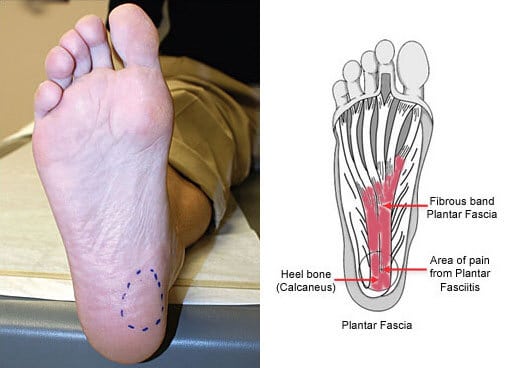
Plantar fasciitis is a common cause of heel pain. It involves inflammation of the thick band of tissue at the bottom of the foot.
This tissue, called the plantar fascia, connects the heel bone to the toes. It helps support the arch of your foot.
Anatomy Of The Plantar Fascia
The plantar fascia is a long and flat ligament. It runs along the bottom of your foot, providing support and stability.
- Connects the heel bone to the toes
- Supports the arch of the foot
- Absorbs shock when walking
How Plantar Fasciitis Develops
Plantar fasciitis develops from repeated stress on the plantar fascia. This can cause small tears in the tissue.

Credit: mapleclinic.ie
Common Symptoms Of Plantar Fasciitis
Plantar fasciitis causes pain in the bottom of the foot near the heel. This condition happens when the tissue connecting the heel to the toes gets irritated.
Knowing the common symptoms helps to identify plantar fasciitis early. The pain can sometimes affect nearby areas like the ankle.
Heel Pain Characteristics
The pain from plantar fasciitis usually feels sharp or stabbing. It often happens right at the heel or just below it. The pain may also spread to the arch of the foot and sometimes to the ankle area.
- Sharp or stabbing pain in the heel
- Pain near the arch of the foot
- Possible discomfort around the ankle
- Swelling around the heel or ankle
- Tenderness when pressing the heel
Pain Timing And Intensity
| Time | Pain Description |
| Morning or after rest | Strong pain when first stepping out of bed |
| After exercise | Increased pain or aching in heel and ankle |
| During the day | Pain lessens but may return after long standing |
| At night | Usually less pain but possible discomfort |
Link Between Plantar Fasciitis And Ankle Pain
Plantar fasciitis often causes pain in the heel and foot bottom. Some people also feel pain around the ankle. This happens because the foot and ankle work closely together.
Understanding how plantar fasciitis affects the ankle can help in managing pain better. The condition changes how you walk and how your ankle moves.
How Plantar Fasciitis Affects Ankle Mechanics
Plantar fasciitis causes the foot arch to flatten more than usual. This puts extra stress on the ankle joint. The ankle may twist or move differently to compensate.
This change in movement can lead to strain in the ankle muscles and ligaments. Over time, it may cause ankle pain and stiffness.
- Arch flattening affects ankle alignment
- Extra stress on ankle ligaments
- Changes in walking pattern increase ankle load
Nerve Irritation And Referred Pain
Plantar fasciitis inflammation can irritate nearby nerves. Nerves around the heel and foot can send pain signals to the ankle area.
This is called referred pain. The brain feels pain in the ankle even if the problem is in the plantar fascia.
- Nerve irritation causes pain in multiple locations
- Referred pain can confuse the source of pain
- Proper diagnosis helps target the right treatment
Other Causes Of Ankle Pain To Consider
Plantar fasciitis mainly affects the heel, but ankle pain can have many causes. Understanding these other causes helps with proper treatment.
Two common categories of ankle pain causes are tendonitis and sprains, and arthritis and joint issues. Each has unique signs and treatments.
Tendonitis And Sprains
Tendonitis is inflammation of the tendons around the ankle. Sprains happen when ligaments stretch or tear from injury. Both cause pain and swelling.
- Tendonitis often results from overuse or repetitive motion.
- Sprains commonly occur during sports or sudden twists.
- Symptoms include tenderness, swelling, and limited movement.
- Rest and ice help reduce pain and swelling.
Arthritis And Joint Issues
Arthritis causes joint pain and stiffness in the ankle. It can result from wear and tear or autoimmune conditions. Joint problems may worsen over time.
| Type of Arthritis | Common Symptoms | Typical Causes |
| Osteoarthritis | Pain, stiffness, swelling | Wear and tear with age |
| Rheumatoid Arthritis | Inflammation, joint damage | Immune system attack |
| Gout | Sudden severe pain, redness | Uric acid crystal buildup |
Diagnosis Methods For Plantar Fasciitis And Ankle Pain
Plantar fasciitis often causes pain in the heel and foot arch. It can also lead to ankle pain in some cases. Accurate diagnosis is important to treat the condition well.
Doctors use different methods to find the cause of pain. These include physical checks and imaging tests. Each helps to understand the problem better.
Physical Examination Techniques
The doctor examines your foot and ankle to check for pain points and movement limits. They look for swelling, tenderness, and foot shape changes. This helps to spot plantar fasciitis signs.
- Check the heel for tenderness
- Assess foot arch height
- Test range of motion in the ankle
- Observe walking pattern and foot posture
- Press along the plantar fascia to find pain spots
Imaging And Tests
Imaging tools help see inside the foot and ankle. They rule out other causes like fractures or arthritis. Common tests include X-rays, ultrasound, and MRI scans.
| Test | Purpose | What It Shows |
| X-ray | Check bone structure | Bone spurs, fractures |
| Ultrasound | View soft tissues | Inflamed plantar fascia |
| MRI | Detailed soft tissue images | Severity of fascia damage |
Credit: ankleandfootcentre.com.au
Treatment Options For Plantar Fasciitis
Plantar fasciitis causes pain in the heel and bottom of the foot. It can also lead to ankle pain due to changes in how you walk. Treating this condition early helps reduce discomfort and improve mobility.
Several treatment options exist to relieve pain and heal the plantar fascia. These include rest, physical therapy, footwear changes, and medications.
Rest And Physical Therapy
Rest reduces stress on the plantar fascia. Avoid activities that cause pain. Physical therapy helps stretch and strengthen the foot muscles.
- Apply ice to the heel for 15 minutes several times a day
- Do calf and foot stretches daily
- Use gentle massage to ease tension
- Follow a physical therapist’s exercise plan
Orthotics And Footwear Changes
Wearing the right shoes supports your feet and reduces pain. Custom orthotics can help keep the foot in the correct position.
| Type | Purpose |
| Supportive Shoes | Provide arch support and cushioning |
| Custom Orthotics | Correct foot alignment and reduce stress |
| Heel Pads | Absorb shock and protect the heel |
| Avoid Flat Shoes | Prevent extra strain on the plantar fascia |
Medications And Injections
Medications can reduce pain and inflammation. In some cases, doctors may suggest injections to relieve symptoms.
- Over-the-counter pain relievers like ibuprofen
- Topical anti-inflammatory creams
- Corticosteroid injections for severe pain
- Platelet-rich plasma (PRP) injections in some cases
Managing Ankle Pain Linked To Plantar Fasciitis
Plantar fasciitis often causes pain in the heel and foot. Sometimes, this pain can spread to the ankle. Managing ankle pain is important to improve daily movement and comfort.
Using the right exercises and knowing when to see a doctor can help you manage the pain effectively.
Stretching And Strengthening Exercises
Stretching and strengthening the foot and ankle muscles can reduce pain and improve function. These exercises help relieve tension on the plantar fascia and support the ankle.
- Calf stretches: Stand facing a wall and push your heel down while leaning forward.
- Towel stretch: Sit with your leg straight and pull a towel around your foot toward you.
- Foot rolls: Roll a ball under your foot to loosen tight muscles.
- Ankle circles: Move your ankle in slow circles to improve flexibility.
- Toe curls: Pick up small objects with your toes to build strength.
When To Seek Specialist Help
If ankle pain lasts more than a few weeks or worsens, you should see a healthcare professional. A specialist can offer a proper diagnosis and treatment plan.
| Signs to See a Specialist | Reason |
| Severe pain that limits walking | May indicate a serious injury |
| Swelling or redness around the ankle | Could show infection or inflammation |
| Pain not improving with home care | Needs professional assessment |
| Numbness or tingling in the foot | Possible nerve involvement |
Frequently Asked Questions
What Is Plantar Fasciitis And Its Main Symptoms?
Plantar fasciitis is inflammation of the thick tissue on the foot’s bottom. It causes sharp heel pain, especially in the morning or after rest. The pain may worsen with prolonged standing or walking.
Can Plantar Fasciitis Cause Ankle Pain?
Yes, plantar fasciitis can indirectly cause ankle pain. The altered walking pattern to avoid foot pain stresses the ankle. This can lead to discomfort or soreness around the ankle joint.
How To Differentiate Ankle Pain From Plantar Fasciitis?
Plantar fasciitis pain is focused on the heel and foot arch. Ankle pain usually occurs around the ankle bone and can involve swelling or stiffness. Proper diagnosis helps target the right treatment.
What Treatments Relieve Ankle Pain Linked To Plantar Fasciitis?
Rest, ice, and stretching exercises help reduce inflammation and pain. Orthotic inserts support the foot’s arch and improve walking patterns. In some cases, physical therapy or medication may be necessary.
Conclusion
Plantar fasciitis often causes heel pain but can affect the ankle too. The pain may spread near the ankle because of tight muscles and inflammation. Treating plantar fasciitis early helps reduce ankle discomfort. Rest, stretching, and proper footwear ease the symptoms.
Ignoring pain might lead to more ankle problems. Pay attention to your body’s signals and act quickly. Understanding this link helps you manage pain better. Take care of your feet to avoid future issues.