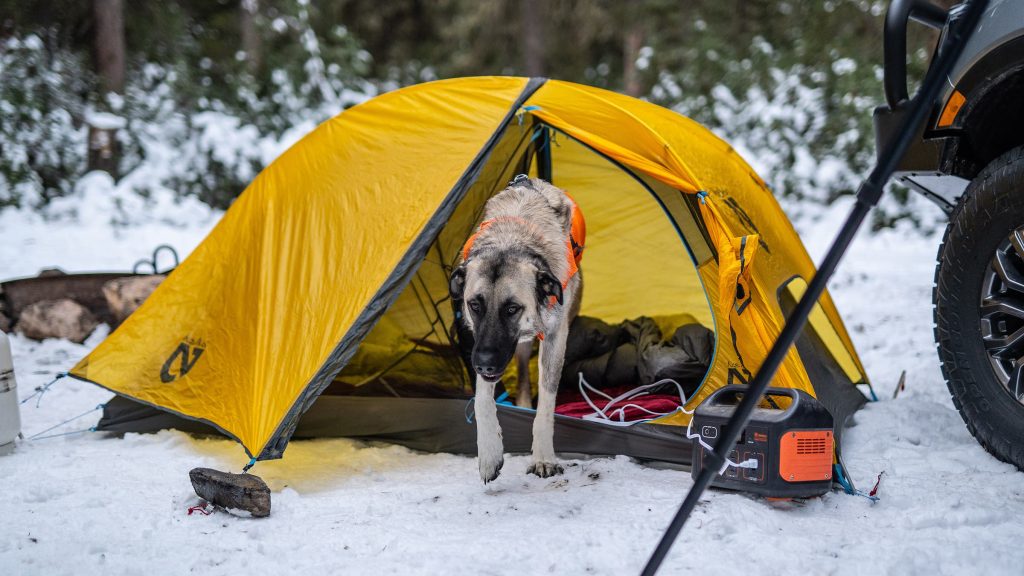
Are you planning to use a propane heater inside your tent? You might be wondering if it’s truly safe for you and your loved ones.
Keeping warm while camping is important, but safety should always come first. Using the wrong heater or not following simple precautions can put you at risk. You’ll discover everything you need to know about propane heaters in tents. By the end, you’ll feel confident making the right choice to stay warm without compromising your safety.
Keep reading to learn how to protect yourself and enjoy cozy camping nights.
Risks Of Using Propane Heaters In Tents
Propane heaters provide warmth in cold conditions. They are popular for camping in tents. But they also come with risks that you need to know.
Understanding these risks can help prevent accidents. It is important to use them safely to enjoy your camping experience.
Fire Hazards
Fire hazards are a major concern with propane heaters. The open flame can easily ignite nearby objects.
- Keep the heater away from flammable materials.
- Ensure the heater is stable to avoid tipping over.
- Use heaters with automatic shut-off features.
Carbon Monoxide Poisoning
Propane heaters can produce carbon monoxide. This gas is colorless and odorless, making it very dangerous.
Ventilation Challenges
Proper ventilation is crucial when using propane heaters. Without it, harmful gases can accumulate inside the tent.
| Ventilation Tip | Benefit |
| Open a window or flap | Allows fresh air to circulate |
| Use a vented heater | Reduces gas buildup |
| Avoid enclosed spaces | Prevents suffocation |

Credit: www.reddit.com
Choosing The Right Propane Heater
Choosing a propane heater for your tent needs care. Safety and comfort depend on the right choice.
Learn how to select a safe heater that fits your tent size and heating needs. This guide covers key points.
Certified Models
Always pick propane heaters that have safety certifications. These models meet strict safety rules.
Look for certifications like CSA, UL, or ETL. Certified heaters reduce risk of fire and gas leaks.
Safety Features To Look For
- Automatic shut-off if tipped over
- Oxygen depletion sensor to cut gas flow
- Cool-touch exterior to avoid burns
- Thermostat control to keep steady temperature
- Proper ventilation options
These features help protect you and your tent from hazards.
Size And Heat Output
| Heater Size | Heat Output (BTUs) | Recommended Tent Size |
| Small | 5,000 – 10,000 | Up to 100 sq ft |
| Medium | 10,000 – 20,000 | 100 – 200 sq ft |
| Large | 20,000+ | 200+ sq ft |
Choose a heater size that matches your tent. Too large wastes fuel; too small won’t warm well.
Safe Setup Practices
Using propane heaters in tents needs careful setup. Safety is very important to avoid accidents.
Follow good practices to keep your tent warm and safe at the same time.
Proper Placement
Place your propane heater where air can flow well. Avoid corners or areas with poor ventilation.
Keep the heater near the tent’s opening if possible. This helps fresh air enter and fumes leave.
Clearance From Flammable Materials
- Keep the heater at least 3 feet away from sleeping bags and clothes.
- Do not place near tent walls made of flammable fabric.
- Remove any paper, plastic, or dry leaves nearby.
- Check the heater’s manual for specific clearance recommendations.
Stable Surface Requirements
| Surface Type | Recommended? | Notes |
| Flat ground | Yes | Best for stability |
| Gravel | Yes | Stable but check for loose stones |
| Soft dirt | Yes | Ensure heater won’t tip |
| Sloped ground | No | Risk of tipping |
| Uneven rocks | No | Unsafe, avoid |
Always place the heater on a solid surface. This stops it from falling over and causing fires.
Ventilation Strategies
Using propane heaters in tents needs careful planning. Good ventilation keeps air fresh and safe.
Proper air flow reduces risks from carbon monoxide and other fumes. This guide covers key ways to ventilate your tent.
Ensuring Fresh Air Flow
Always keep tent vents or windows open slightly. This allows fresh air to enter and stale air to leave.
- Open vents on opposite sides of the tent
- Use mesh windows to keep bugs out
- Avoid sealing the tent completely
- Place the heater near the tent entrance
Using Carbon Monoxide Detectors
A carbon monoxide (CO) detector warns you if dangerous gas builds up. It is a must-have for tent heating.
| Detector Type | Power Source | Alarm Sound |
| Battery Operated | Batteries | Loud beep |
| Plug-in | Electric outlet | Continuous beep |
| Combination Smoke/CO | Battery or plug-in | Two-tone alarm |
Signs Of Poor Ventilation
Watch for symptoms that show your tent air is unsafe. Acting fast can prevent health problems.
- Dizziness or headache
- Nausea or vomiting
- Excess moisture or condensation inside the tent
- Weak or no flame on the propane heater
- Unusual odors or stuffy air
Operation And Maintenance Tips
Using a propane heater in a tent needs care and attention. Proper operation and upkeep help keep you safe. This guide gives tips on how to handle your heater well.
Follow these steps to avoid accidents and keep your heater working well. Check your heater often and use it carefully.
Regular Inspections
Look over your propane heater before each use. Check all parts for damage or wear. Look for cracks, rust, or leaks. Make sure hoses and connections are tight. Clean dirt or dust from the heater.
- Check the fuel hose for cracks or holes
- Test connections for tightness
- Inspect the heater’s body for rust or damage
- Clean dust and debris from vents and burners
- Replace any damaged parts right away
Safe Ignition And Shutdown
Always light your heater safely. Use the built-in ignition or a long lighter. Keep your face and hands away from the burner. Turn the heater off before refueling or moving it. Let the heater cool down before storage.
| Action | Do | Don’t |
| Lighting | Use built-in ignition or long lighter | Use matches close to burner |
| Turning Off | Switch off heater before refueling | Refuel while heater is on |
| Cooling | Let heater cool fully before storing | Store heater while hot |
Proper Fuel Storage
Store propane tanks in a cool, dry place outside the tent. Keep tanks upright and away from heat sources. Do not store extra fuel inside your tent. Check tanks for leaks before use. Use a propane tank cover to protect from rain.
- Keep tanks outside the tent, away from flames
- Store tanks upright on a flat surface
- Check for leaks using soapy water solution
- Cover tanks to shield from rain and sun
- Never store extra fuel inside the tent
Credit: www.advnture.com
Emergency Preparedness
Using propane heaters in tents requires caution. Safety measures help prevent accidents and injuries.
Prepare for emergencies to protect yourself and others in camping situations with propane heaters.
Fire Extinguisher Readiness
Keep a fire extinguisher near your tent. It must be suitable for fuel fires, like propane.
- Check the extinguisher’s pressure gauge regularly
- Know how to use it before camping
- Keep it accessible and not blocked by gear
- Inspect for any damage or leaks
First Aid For Carbon Monoxide Exposure
Carbon monoxide can build up inside tents with propane heaters. Recognize symptoms early.
| Symptom | What to Do |
| Headache | Move outside to fresh air |
| Dizziness | Call for medical help immediately |
| Nausea | Stop heater and ventilate tent |
| Confusion | Get emergency help and begin CPR if needed |
Emergency Evacuation Plans
Plan how to leave your tent quickly if there is a fire or gas leak.
- Identify all exits from your tent
- Keep pathways clear of obstacles
- Practice evacuation drills with your group
- Have a meeting place outside the camping area
- Keep a flashlight and whistle ready to use
Credit: bexcodeservices.com
Frequently Asked Questions
Are Propane Heaters Safe To Use Inside Tents?
Propane heaters can be safe in tents if used properly. Ensure proper ventilation to prevent carbon monoxide buildup. Always follow the manufacturer’s safety guidelines and never leave the heater unattended while in use.
How To Prevent Carbon Monoxide Poisoning From Propane Heaters?
To prevent carbon monoxide poisoning, use propane heaters with built-in safety features. Ventilate your tent well and install a carbon monoxide detector. Avoid sleeping with the heater on and never block the heater’s airflow.
What Safety Features Should Propane Heaters Have?
Look for propane heaters with automatic shut-off, tip-over protection, and oxygen depletion sensors. These features reduce risks by turning off the heater if it tips or oxygen levels drop. Always choose certified heaters designed for indoor or tent use.
Can Propane Heaters Cause Fires In Tents?
Yes, propane heaters can cause fires if placed too close to flammable materials. Maintain a safe distance, keep the heater on a stable surface, and never leave it unattended. Regularly inspect the heater for damage or leaks.
Conclusion
Propane heaters can warm tents safely with the right care. Always keep the heater away from flammable materials. Use a carbon monoxide detector to stay alert. Never leave the heater running while you sleep. Good ventilation is key to fresh air inside.
Following safety steps helps prevent accidents. Enjoy warmth without worry on your camping trips. Safety first means a cozy, stress-free adventure. Choose the right heater and use it wisely. Stay safe and comfortable in your tent every time.