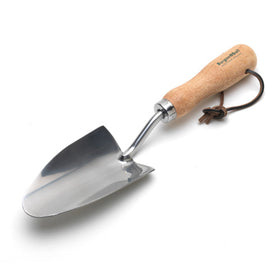
Have you ever wondered how gardeners easily dig small holes or move soil without big tools? A hand trowel is the secret weapon you might be missing in your gardening kit.
Whether you’re planting flowers, transplanting seedlings, or weeding, this simple tool makes your work faster and more enjoyable. Keep reading to discover exactly what a hand trowel is used for and how it can transform your gardening experience.
Credit: www.gardengatemagazine.com
Purpose Of A Hand Trowel
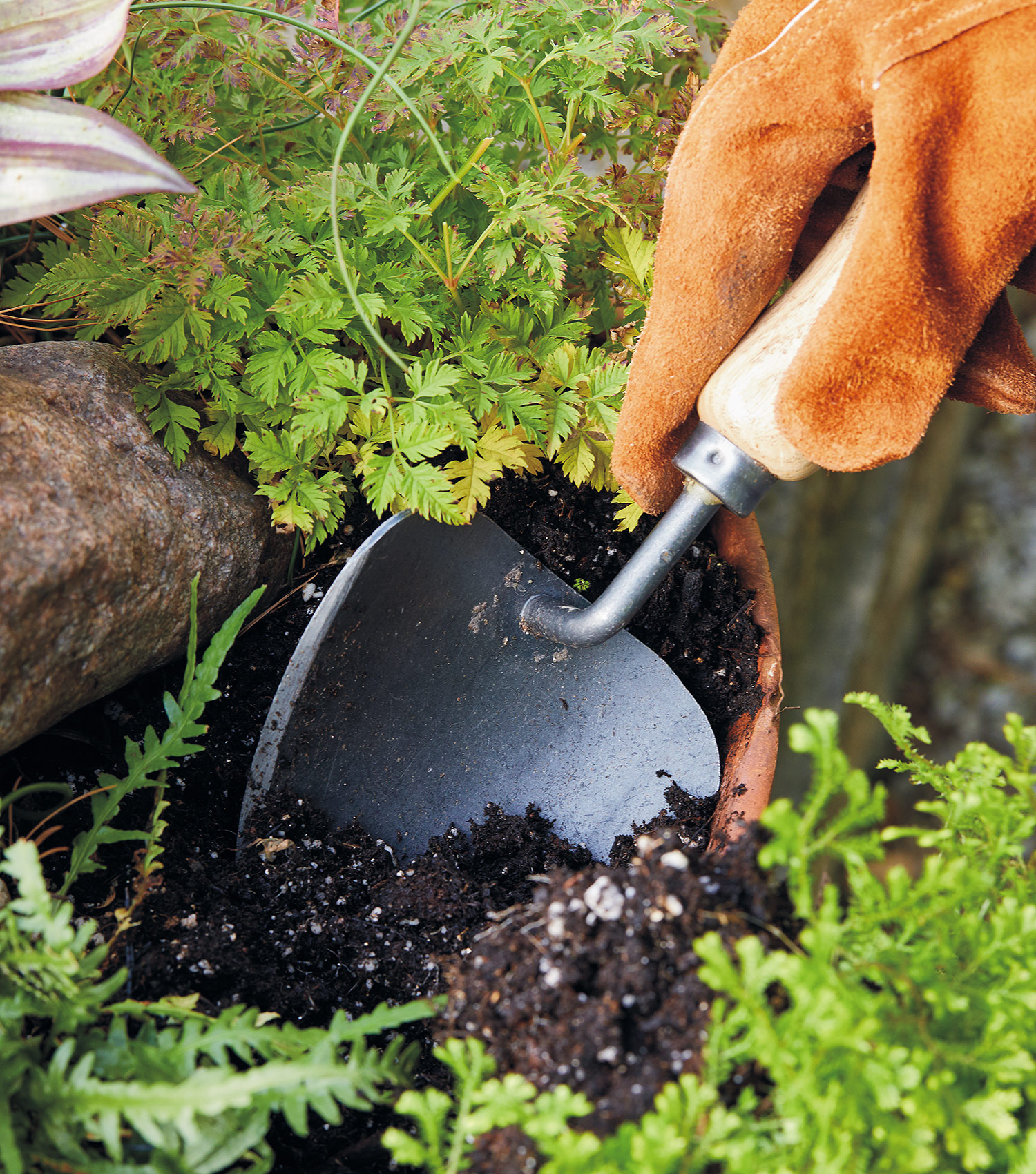
A hand trowel is a small, handheld tool used in gardening. It is versatile and essential for many garden tasks.
Gardeners use hand trowels for planting, soil work, and weed removal. It helps make gardening easier and more efficient.
Planting And Transplanting
A hand trowel is perfect for planting seeds and small plants. It creates the right size holes for easy planting.
When transplanting, a trowel gently lifts plants from the soil. It helps avoid damage to roots during the move.
Soil Digging And Loosening
The trowel’s pointed blade helps dig into the soil with ease. It loosens the soil, making it ready for planting.
Gardeners use it to break up compact soil, improving air flow. This helps roots grow strong and healthy.
Weeding And Root Removal
A trowel is great for removing weeds from the garden. Its sharp edge cuts through tough roots easily.
By removing weeds, the trowel helps plants get more nutrients. This leads to better plant growth and garden health.
Mixing Soil And Fertilizers
Gardeners use a trowel to mix soil and fertilizers together. This ensures even distribution of nutrients for plants.
Mixing with a trowel helps create the perfect growing environment. Plants thrive with the right soil and nutrients.
Types Of Hand Trowels
Hand trowels are small gardening tools used for digging, planting, and weeding. They come in different types to help with specific tasks in the garden.
Each type of hand trowel has a unique shape and size. Choosing the right trowel makes gardening easier and more efficient.
Transplanting Trowels
Transplanting trowels have a narrow, pointed blade. This design helps move seedlings and small plants safely. They dig deep holes for roots to grow well.
Weeding Trowels
Weeding trowels are made to remove weeds from the soil. Their sharp edges cut through roots easily. They help keep the garden clean without harming nearby plants.
- Sharp blade for cutting roots
- Thin shape to reach tight spaces
- Strong handle for good grip
Digging Trowels
Digging trowels have a wide, sturdy blade. They are perfect for breaking soil and digging bigger holes. These trowels make planting bulbs or removing plants easier.
Multi-purpose Trowels
| Feature | Description |
|---|---|
| Blade Shape | Moderate width, curved for various tasks |
| Use | Digging, planting, weeding, and mixing soil |
| Handle | Comfortable grip for long use |
| Material | Durable metal with rust protection |
Material And Design Features
A hand trowel is a small tool used in gardening for digging, planting, and weeding. Its material and design make it easy to use and durable.
The right materials and design help gardeners work comfortably and efficiently.
Blade Materials
Blade quality affects how well a trowel cuts through soil and resists rust. Common materials include stainless steel, carbon steel, and aluminum.
- Stainless Steel:Resists rust and lasts long.
- Carbon Steel:Strong and sharp but may rust without care.
- Aluminum:Light and rust-resistant but less durable.
Handle Comfort And Grip
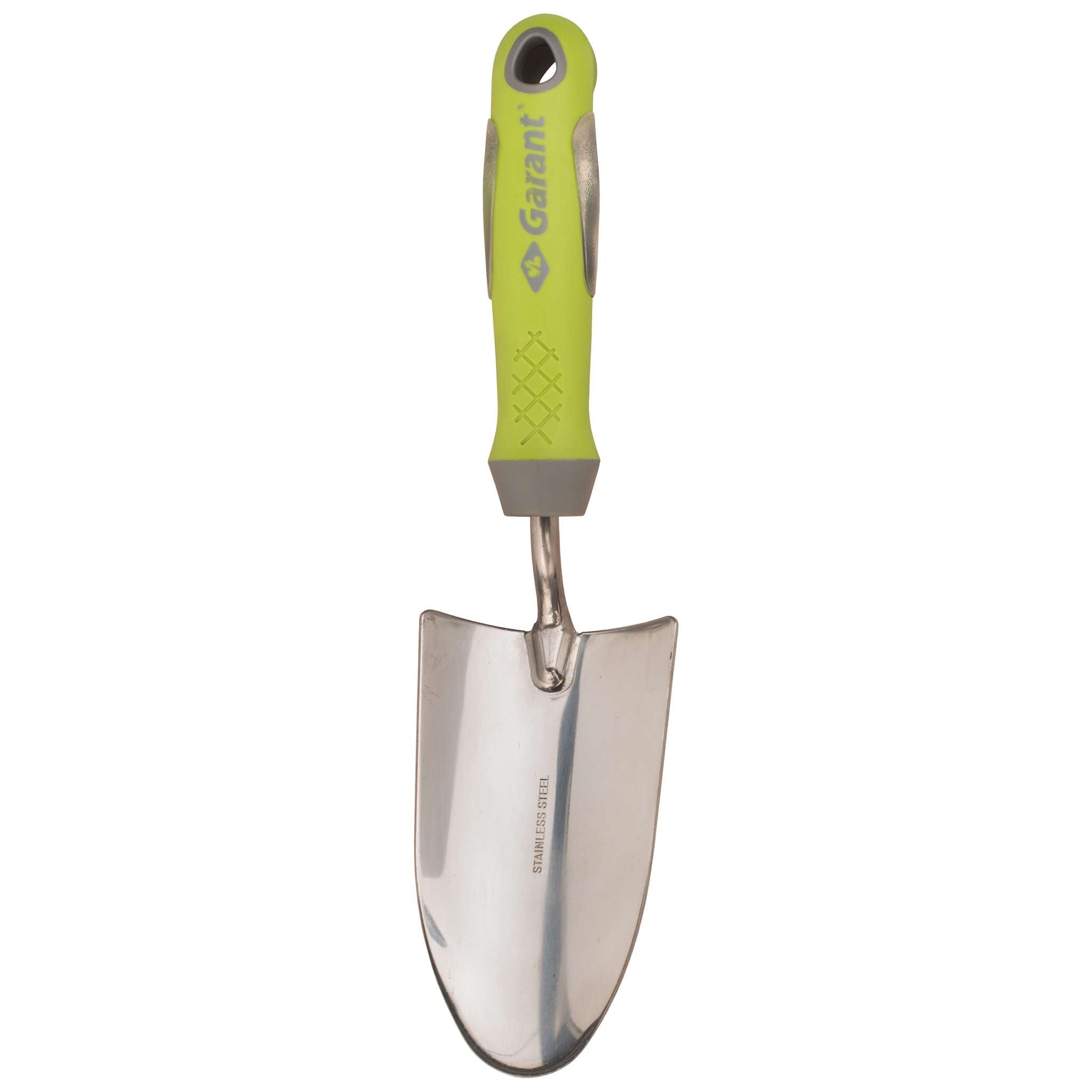
Comfortable handles reduce hand fatigue during work. Handles often have ergonomic shapes and non-slip materials to improve grip.
| Handle Material | Benefits |
| Wood | Natural feel and good grip |
| Plastic | Lightweight and easy to clean |
| Rubber-Coated | Non-slip and comfortable |
Blade Shape And Size
Blade shape and size influence the trowel’s tasks. Some blades are narrow for digging tight spaces, while others are wide for moving soil.
- Narrow Blades:Good for precision work and planting small plants.
- Wide Blades:Best for scooping and moving soil.
- Curved Blades:Help dig and hold soil easily.
Benefits Of Using A Hand Trowel
A hand trowel is a small tool gardeners use daily. It helps with planting, digging, and moving soil.
Using a hand trowel makes gardening easier and more precise. It offers many benefits for all gardeners.
Improved Precision In Gardening
A hand trowel lets you work in small spaces with control. It helps place seeds and plants exactly where needed.
This precision reduces damage to plants and roots. It also helps create neat rows and tidy garden beds.
Reduced Strain And Fatigue
The hand trowel is light and easy to hold. It reduces hand and wrist strain during long gardening sessions.
Its size fits well in your hand, making digging and planting less tiring. This helps gardeners work longer comfortably.
Enhanced Soil Management
A hand trowel helps you loosen and turn soil carefully. It improves soil aeration and drainage for healthier plants.
You can also use it to mix compost or fertilizer into the soil. This keeps the garden soil rich and fertile.
Versatility For Various Tasks
Hand trowels work well for many gardening jobs. You can dig, plant, transplant, and weed with one tool.
This tool suits flower beds, vegetable gardens, and potted plants. It saves time by handling many tasks.
Tips For Choosing The Right Hand Trowel
A hand trowel is a small gardening tool used for digging, planting, and weeding. Picking the right one helps you work better and feel comfortable.
Consider a few key points before buying a hand trowel to make sure it fits your needs and garden size.
Consider Garden Size And Needs
Think about the size of your garden and the type of work you do most. Small gardens may need a compact trowel for tight spaces.
Larger gardens or tougher soil require stronger trowels with bigger blades to handle more digging and planting.
- Small garden: Choose a lightweight, small blade trowel
- Large garden: Select a sturdy trowel with a bigger blade
- Special plants: Look for a narrow or pointed blade
Evaluate Durability And Quality
Check the materials used for the trowel. Strong metals like stainless steel last longer and resist rust.
Look for solid construction. A good trowel has a strong blade attached firmly to the handle.
- Steel blades resist bending and rust
- Forged tools are stronger than stamped ones
- Wood or fiberglass handles add durability
Check Ergonomics And Weight
Pick a trowel that feels comfortable in your hand. Ergonomic handles reduce strain during long work.
Lighter trowels are easier to use but may not be as strong. Find a balance between weight and strength.
- Look for padded or shaped grips
- Choose the right size for your hand
- Test the weight before buying if possible
Credit: www.garant.com
Maintaining Your Hand Trowel
Taking care of your hand trowel helps it last longer and work better. Proper maintenance keeps the blade sharp and the handle strong.
Regular cleaning and storage prevent rust and damage. A well-kept trowel makes gardening easier and safer.
Cleaning After Use
Remove dirt and debris from your trowel after each use. Clean tools reduce the risk of rust and keep the blade sharp.
- Rinse the blade with water to wash away soil.
- Use a brush or cloth to scrub off stubborn dirt.
- Dry the trowel completely to avoid rust.
- Apply a light coat of oil on the blade for protection.
Sharpening The Blade
A sharp blade cuts through soil easily. Sharpen your hand trowel regularly to keep it effective.
| Tool Needed | How to Use |
| File or sharpening stone | Rub along the blade edge at a 30-degree angle |
| Sandpaper | Use for smoothing rough edges after filing |
| Protective gloves | Wear to keep your hands safe during sharpening |
Proper Storage
Store your hand trowel in a dry place to protect it from rust and damage. Proper storage helps the tool stay ready for your next use.
- Hang the trowel on a hook to keep it off the ground.
- Keep it in a toolbox or shed with good air flow.
- Avoid leaving the trowel outside in wet weather.
- Wrap the blade in cloth or paper if storing for a long time.

Credit: www.amazon.com
Frequently Asked Questions
What Are The Main Uses Of A Hand Trowel?
A hand trowel is mainly used for digging small holes, planting, and transplanting. It helps loosen soil and remove weeds efficiently. Gardeners also use it to mix soil and fertilizers. Its compact size makes it ideal for detailed gardening tasks.
Can A Hand Trowel Be Used For Weeding?
Yes, a hand trowel is effective for weeding. Its pointed blade helps dig around roots and lift weeds out easily. This tool allows precise removal without disturbing nearby plants. It is a practical choice for small garden beds and containers.
What Materials Are Hand Trowels Made From?
Hand trowels are commonly made from stainless steel, carbon steel, or aluminum. Handles are often wood, plastic, or rubber for comfort and grip. Durable materials ensure longevity and resistance to rust. The choice affects weight, strength, and ease of use.
How To Choose The Right Hand Trowel For Gardening?
Choose a hand trowel based on blade size, material, and handle comfort. For heavy soil, a sturdy steel blade works best. Ergonomic handles reduce hand fatigue during extended use. Consider the gardening tasks you perform most often for the best fit.
Conclusion
A hand trowel is a small, useful tool for many garden tasks. It helps plant seeds, dig small holes, and move soil easily. Gardeners use it to remove weeds and mix fertilizers. Its simple design makes it easy to hold and control.
Anyone can use a hand trowel to care for plants better. Keep one handy for your gardening needs. It saves time and effort in the garden. A hand trowel is a must-have tool for every gardener.