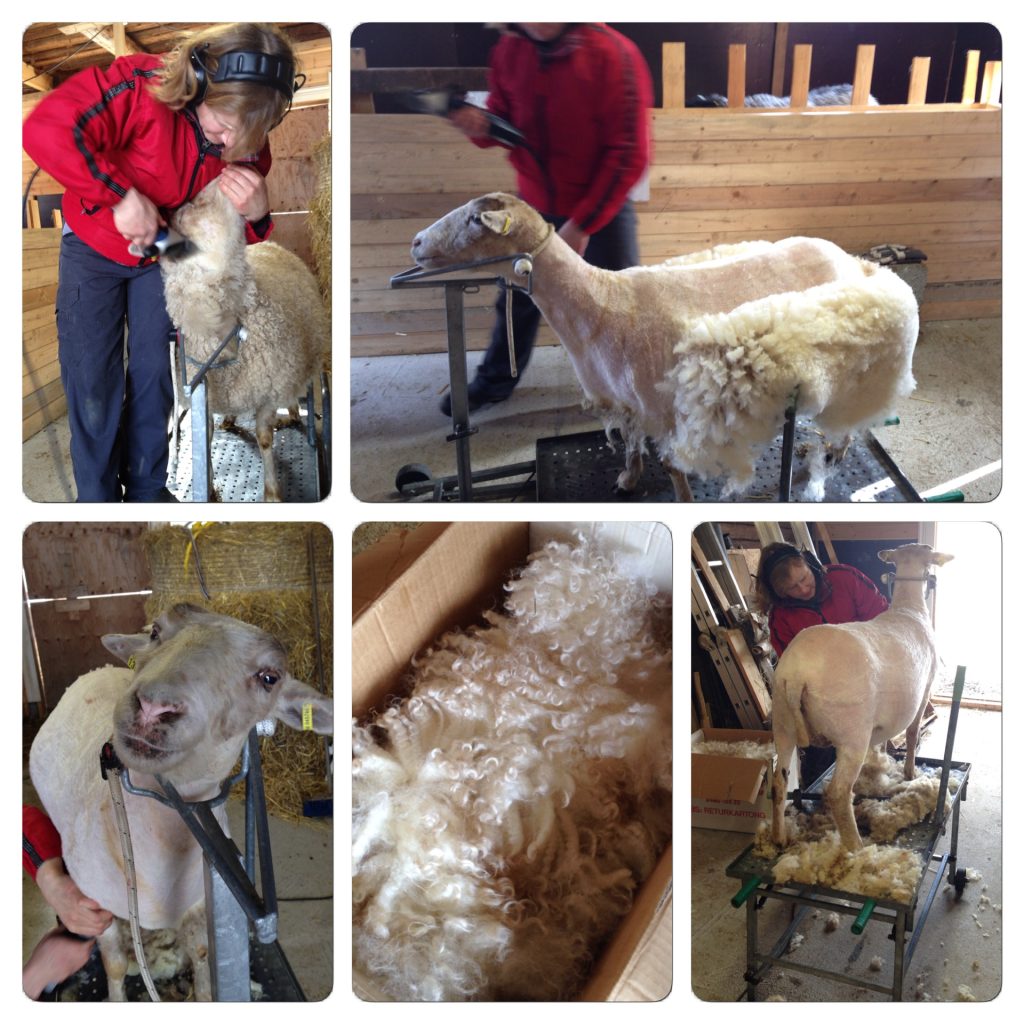
Have you ever wondered if sheep actually enjoy being sheared? You might think it’s uncomfortable or even painful for them.
But the truth might surprise you. Understanding how sheep feel during shearing can change the way you see this common farm practice. Keep reading, and you’ll discover what really goes on when those fluffy animals get their wool trimmed—and why it matters for their health and happiness.
Shearing Basics
Shearing is the process of cutting wool from sheep. This practice helps sheep stay healthy and comfortable.
Farmers shear sheep with special tools. It keeps the sheep cool and prevents infections.
Why Shearing Is Necessary
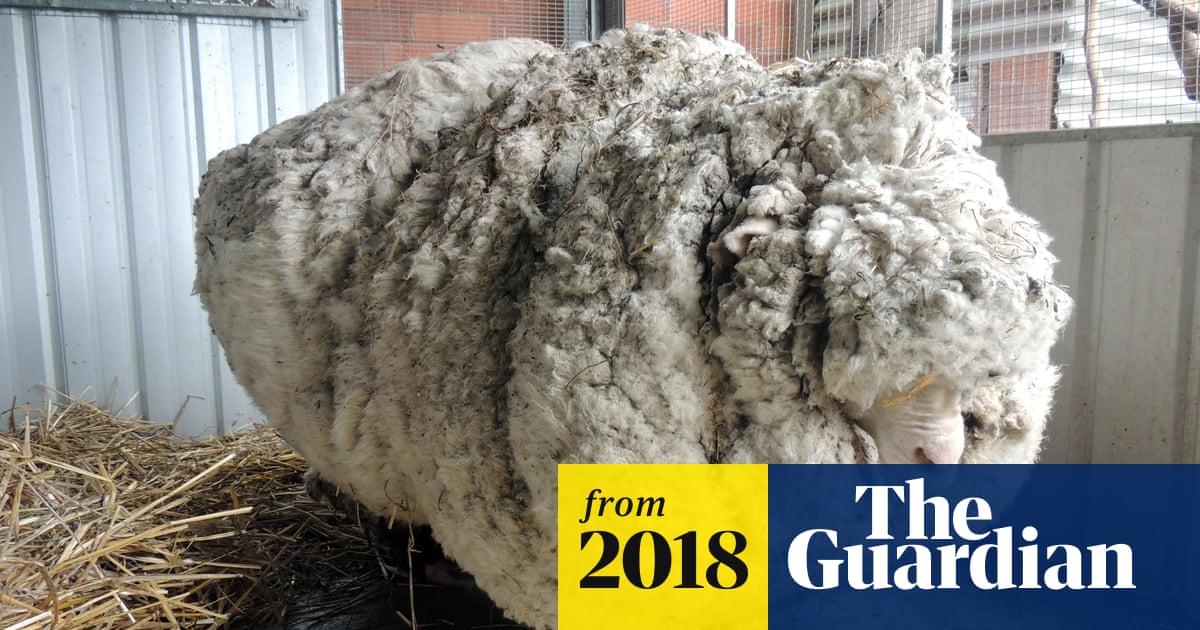
Shearing is important for sheep’s health. Too much wool can make sheep too hot.
It also helps prevent parasites and dirt from causing skin issues. A clean coat is better for sheep.
- Prevents overheating
- Reduces skin problems
- Improves mobility
When Shearing Happens
Shearing usually takes place in spring. This timing prepares sheep for warmer weather.
Farmers plan shearing before the lambing season. This ensures ewes are comfortable for birth.
- Mostly done in spring
- Occurs before lambing
- Based on wool growth
Sheep Behavior During Shearing
Shearing is an important part of sheep care. It helps keep sheep cool and prevents health problems. Understanding how sheep behave during shearing can help make the process smoother.
Sheep can show different signs of comfort or stress when they are sheared. Watching these signs helps handlers work gently and safely with the animals.
Signs Of Stress Or Comfort
Sheep show clear signs when they feel stressed or comfortable during shearing. Knowing these signs helps in reducing their fear and pain.
- Signs of Stress:Shaking, loud bleating, and trying to escape.
- Signs of Comfort:Staying calm, relaxed muscles, and slow breathing.
- Rapid eye movement or wide eyes can mean fear.
- Chewing or licking lips often shows nervousness.
- Calm sheep may stand still and look around quietly.
How Sheep React To Shearing
Sheep react in many ways during shearing. Their behavior depends on their past experience and how gently they are handled.
| Reaction | Description |
| Freezing | Sheep stand still to avoid injury. |
| Struggling | Some try to move or jump to escape. |
| Vocalizing | Bleating loudly shows discomfort or fear. |
| Calmness | Sheep that trust the shearer stay relaxed. |
| Shivering | Can happen if sheep feel cold or stressed. |
Benefits Of Shearing For Sheep
Shearing is the process of cutting off a sheep’s wool. It helps keep sheep healthy and comfortable. Many people wonder if sheep like being sheared. This article explains the benefits of shearing for sheep.
Shearing improves sheep’s health and helps them control their body temperature. These benefits make shearing an important part of sheep care.
Health Improvements
Shearing keeps sheep clean and reduces the chance of infections. Wool can trap dirt, sweat, and pests. Removing the wool helps prevent skin problems and parasites like lice and ticks.
- Reduces risk of flystrike and skin infections
- Prevents wool from becoming matted and dirty
- Makes it easier to spot and treat health issues
- Improves movement and comfort for the sheep
Temperature Regulation
Sheep can overheat if their wool grows too thick. Shearing helps them stay cool in warm weather. It also helps wool grow back fresh and healthy for cold seasons.
| Season | Effect of Shearing |
| Spring | Removes heavy winter wool to cool sheep |
| Summer | Keeps sheep comfortable in heat |
| Fall | Allows wool to grow for cold weather |
| Winter | Wool protects sheep from cold |

Credit: www.reddit.com
Common Misconceptions
Many people think sheep do not like being sheared. Some believe the process hurts the animals. These ideas are not always true. Understanding shearing helps clear up confusion.
Shearing is a natural and important part of sheep care. It keeps sheep healthy and comfortable. Let’s look at some common questions about shearing.
Does Shearing Hurt Sheep?
Shearing does not usually hurt sheep. Skilled shearers use sharp tools carefully. They avoid cutting the sheep’s skin. Most sheep feel no pain during shearing.
Sometimes sheep can get small cuts. These are rare and heal quickly. Shearing is needed to stop wool from becoming too heavy or dirty.
Shearing And Sheep Happiness
Shearing helps sheep stay happy and healthy. Wool can trap heat and dirt. Removing it keeps sheep cool and clean. This makes them feel better in warm weather.
Sheared sheep can move easily and avoid skin problems. They often seem more active after shearing. Proper care during shearing improves their well-being.
Shearing Techniques And Sheep Welfare
Shearing is an important task for sheep health and comfort. It removes thick wool that can cause heat stress.
Good shearing keeps sheep clean and helps prevent skin problems. It must be done carefully to protect the sheep.
Gentle Shearing Methods
Gentle shearing means handling sheep with care and using soft, smooth movements. This lowers stress for the animals.
- Use sharp, clean tools to avoid pulling wool.
- Shear in a calm, quiet place to keep sheep relaxed.
- Hold sheep firmly but gently to prevent injury.
- Work quickly but carefully to reduce shearing time.
- Check sheep’s skin for cuts or bruises after shearing.
Role Of Skilled Shearers
Skilled shearers know how to work fast and safely. Their experience keeps sheep safe and healthy.
| Skill | Benefit for Sheep |
|---|---|
| Proper grip and positioning | Prevents falls and injuries |
| Efficient wool removal | Reduces stress and fatigue |
| Sharp tool use | Minimizes skin cuts |
| Calm handling | Keeps sheep relaxed |
After Shearing Care
Shearing is important for sheep health. After shearing, sheep need special care. This care helps them stay safe and healthy.
Proper care after shearing can prevent problems. It also helps sheep recover quickly from the stress of shearing.
Protecting Sheep Post-shear
After shearing, sheep lose their wool coat. This makes them more open to weather and injuries. Protecting them is very important.
- Keep sheep in a dry shelter to avoid cold and rain.
- Provide extra bedding to keep them warm.
- Limit their time outside during bad weather.
- Check fences to prevent cuts or scrapes on the bare skin.
- Feed nutritious food to help them regain strength.
Monitoring For Health Issues
Shearing can cause small cuts and stress. Watching sheep closely after shearing helps catch health problems early.
| Health Issue | Signs to Watch | Action |
| Skin Infection | Redness, swelling, scabs | Apply antiseptic; call vet if severe |
| Cold Stress | Shivering, lethargy | Move to warm shelter; provide extra feed |
| Flystrike | Foul smell, flies around skin | Use insecticide; clean wounds promptly |
| Weight Loss | Thin body, weak behavior | Check diet; consult a vet |
Sheep And Wool Industry Impact
Sheep shearing is an important part of the wool industry. It helps farmers get wool while keeping sheep healthy.
Many people wonder if sheep like being sheared. This process affects both the animals and the industry.
Ethical Shearing Practices
Shearing must be done carefully to avoid hurting sheep. Skilled workers use gentle tools and quick movements.
Keeping sheep calm and safe during shearing shows respect for the animals. This helps reduce stress and injuries.
- Use sharp tools to cut wool smoothly
- Handle sheep gently and calmly
- Shear sheep regularly to prevent matting
- Watch for signs of stress or pain
Shearing’s Role In Sustainability
Shearing helps sheep stay cool and healthy, especially in warm seasons. It supports animal welfare and good farming.
The wool industry uses natural fibers. This makes it more eco-friendly than synthetic materials from oil.
- Wool is renewable and biodegradable
- Shearing prevents wool waste and damage
- Supports sustainable farming practices
- Reduces the need for synthetic fabrics

Credit: www.westplace.org
Credit: www.theguardian.com
Frequently Asked Questions
Do Sheep Enjoy Being Sheared?
Sheep generally do not enjoy shearing, but it is necessary for their health. Proper handling minimizes stress and discomfort during the process.
Why Is Shearing Important For Sheep?
Shearing prevents overheating and reduces parasite risks. It keeps sheep healthy and comfortable, especially in warmer seasons.
How Often Should Sheep Be Sheared?
Most sheep need shearing once a year. This timing ensures their wool doesn’t overgrow and cause health issues.
Does Shearing Hurt Sheep?
Shearing itself is painless when done correctly. Experienced shearers avoid cuts, making the process safe and quick for sheep.
Conclusion
Sheep feel relief after shearing, especially in warm weather. The process keeps them healthy and cool. Shearing does not hurt when done carefully by experts. It helps prevent health problems like overheating and parasites. Farmers shear sheep to keep their wool clean and manageable.
Overall, sheep benefit from regular shearing even if it seems strange. They stay comfortable and safe throughout the year. Caring for sheep means understanding their needs well. Shearing is part of good animal care and welfare.