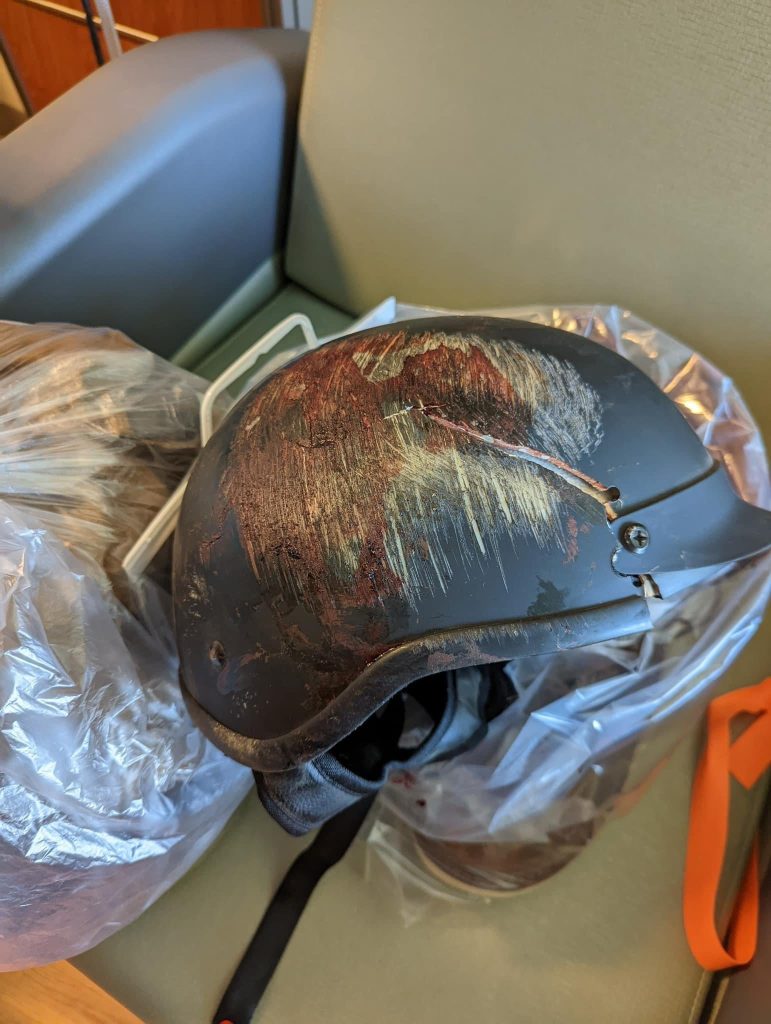
Your bike helmet is your best defense on the road or trail. But do you know how often you should replace it?
Using an old or damaged helmet can put your safety at serious risk. You’ll discover exactly when to get a new helmet, how to spot signs of wear, and why timing matters more than you think. Keep reading to protect yourself and make every ride safer.

Credit: road.cc
Helmet Lifespan
A bike helmet is an essential safety gear for every cyclist. Knowing when to replace your helmet is key to staying safe on the road.
Helmets do not last forever. They wear out over time. This guide will help you understand when to replace yours.
Manufacturer Recommendations
Manufacturers usually suggest replacing helmets every few years. This ensures maximum protection.
Check your helmet’s label or manual. It may list a specific replacement period.
Material Degradation Over Time
Materials in helmets degrade. This affects their ability to protect your head.
- Sunlight can weaken the outer shell.
- Foam inside may compress and lose its shape.
- Straps and buckles might wear out.
| Factor | Impact |
| UV Exposure | Weakens shell |
| Heat | Deforms foam |
| Wear and Tear | Damages straps |
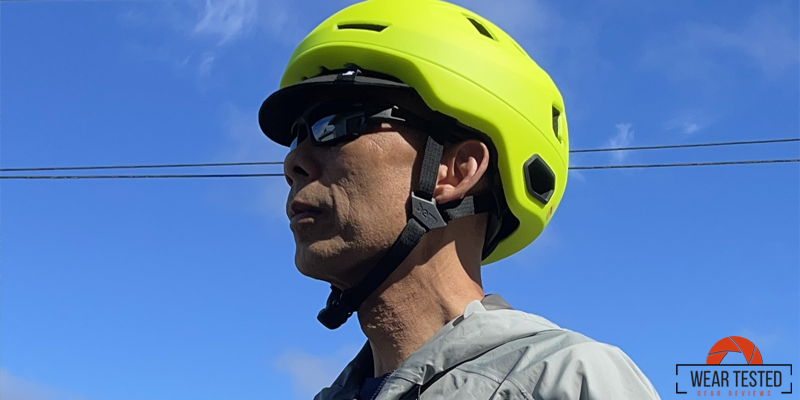
Credit: bernhelmets.com
Signs To Replace
Bike helmets protect your head during rides. Knowing when to replace them keeps you safe.
Look for clear signs that show your helmet is no longer safe to use.
Visible Damage
Cracks, dents, or deep scratches on the helmet shell mean it may not protect you well.
- Check the outer shell for cracks or breaks.
- Look inside for crushed foam or dents.
- Inspect paint that is chipped or peeling.
- Notice any parts that feel loose or separate.
After A Crash
Even if your helmet looks fine, replace it after a crash. The impact can weaken its protection.
| Crash Type | Helmet Action |
| Low-speed fall | Replace helmet |
| High-speed impact | Replace helmet immediately |
| Helmet hit a hard surface | Replace helmet |
Strap And Buckle Wear
Straps and buckles keep your helmet secure. If they wear out, the helmet may not stay in place.
Check these for signs of wear:
- Frayed or torn straps
- Stiff or cracked buckles
- Loose stitching
- Straps that do not tighten properly
Impact Of Sweat And Sunlight
Sweat and sunlight both affect how long a bike helmet lasts. Sweat contains salt and moisture that can wear down the helmet’s material.
Sunlight exposes the helmet to UV rays. These rays can break down the plastic and foam parts over time.
Effects On Helmet Integrity
Sweat can weaken the foam inside the helmet. The salt may cause the padding to smell and degrade faster.
Sunlight causes the outer shell to become brittle and crack. UV rays also fade the color and reduce protection quality.
- Foam may lose its ability to absorb shocks
- Padding can become less comfortable and less hygienic
- Shell may crack or break on impact
- Helmet straps can weaken and tear
Maintenance Tips To Extend Life
Clean your helmet regularly to remove sweat and dirt. Use mild soap and water, not harsh chemicals.
Store the helmet in a cool, shaded place. Avoid leaving it in direct sunlight or hot cars for long periods.
- Wipe down after each ride
- Remove and wash padding as recommended
- Use a helmet bag for storage
- Check straps and foam for damage often
Choosing The Right Helmet
Picking the right bike helmet is very important for safety. A good helmet protects your head during falls or accidents.
It should fit well and meet safety standards. This guide helps you find the best helmet for your needs.
Fit And Comfort
The helmet must fit your head snugly without feeling too tight. A loose helmet may not protect you properly.
Look for adjustable straps and padding. These help make the helmet comfortable and secure during rides.
- Measure your head size before buying
- Try helmets on to check comfort
- Adjust straps so the helmet stays in place
- Choose helmets with soft padding inside
Safety Certifications
Check if the helmet has safety certifications. These show the helmet meets quality and protection rules.
Common certifications include CPSC, ASTM, and Snell. Certified helmets are tested for impact resistance.
- CPSC: Required in the United States for bike helmets
- ASTM: Shows the helmet passed specific safety tests
- Snell: A high standard for impact protection
Storage And Care
Taking care of your bike helmet helps it last longer. Proper storage keeps it safe from damage.
Cleaning your helmet regularly keeps it fresh and comfortable to wear. It also removes dirt and sweat.
Proper Storage Practices
Store your helmet in a cool, dry place away from sunlight. Heat and sunlight can weaken the helmet’s materials.
Avoid putting heavy objects on your helmet. This can cause cracks or dents that reduce protection.
- Keep helmet away from direct sunlight
- Store on a shelf or in a helmet bag
- Do not place heavy items on top
- Avoid extreme heat or cold
Cleaning Guidelines
Clean your helmet with mild soap and warm water. Use a soft cloth or sponge to avoid scratches.
Do not use strong chemicals or solvents. These can damage the helmet’s outer shell and inner foam.
- Remove any removable padding before cleaning
- Use mild soap and warm water
- Rinse well and air dry completely
- Do not use bleach or harsh cleaners
Upgrading For Safety
Bike helmets protect your head during falls or crashes. It is important to keep them up to date. Using the latest safety features can reduce injury risks.
Knowing when to replace your helmet helps maintain its protective power. Old helmets may not work as well as new ones.
New Technologies
Helmet makers use new materials and designs to improve safety. Many helmets now include special foam that absorbs impact better. Some have built-in sensors that detect crashes.
- Multi-directional Impact Protection System (MIPS) reduces rotational forces.
- Lightweight materials increase comfort and wearability.
- Improved ventilation keeps riders cool.
- Crash sensors can alert emergency contacts.
Helmet Replacement Frequency
Helmets wear out over time and after impacts. Replacing your helmet on time keeps you safe on the road.
| Reason | Replacement Time |
| After a crash | Immediately |
| Visible damage | Immediately |
| Every 3 to 5 years | Even without damage |
| Worn straps or padding | Replace as needed |

Credit: lazersport.ca
Frequently Asked Questions
How Often Should I Replace My Bike Helmet?
Replace your bike helmet every 3 to 5 years. Over time, materials degrade and lose effectiveness. Also, replace it immediately after any crash or impact, even if no damage is visible.
Can I Use A Damaged Bike Helmet Safely?
No, never use a damaged helmet. Cracks or dents reduce protection significantly. Always replace a helmet after any significant impact to ensure your safety.
Does Helmet Age Affect Safety Performance?
Yes, helmet materials degrade over time. Exposure to sunlight, sweat, and weather weakens the foam and straps. This reduces the helmet’s ability to absorb shocks effectively.
Are There Signs That My Helmet Needs Replacing?
Look for cracks, dents, or worn-out straps. If the foam feels brittle or compressed, it’s time to replace. Also, faded colors and loose fit indicate aging materials.
Conclusion
Bike helmets protect your head during accidents. Replace them every three to five years. Cracks or dents mean it’s time to buy a new one. Sweat and sun can weaken the helmet’s material over time. Always choose a helmet that fits well and feels comfortable.
Taking care of your helmet keeps you safer on the road. Don’t wait for damage to show—regular replacement saves lives. Stay safe and enjoy every ride with the right helmet.