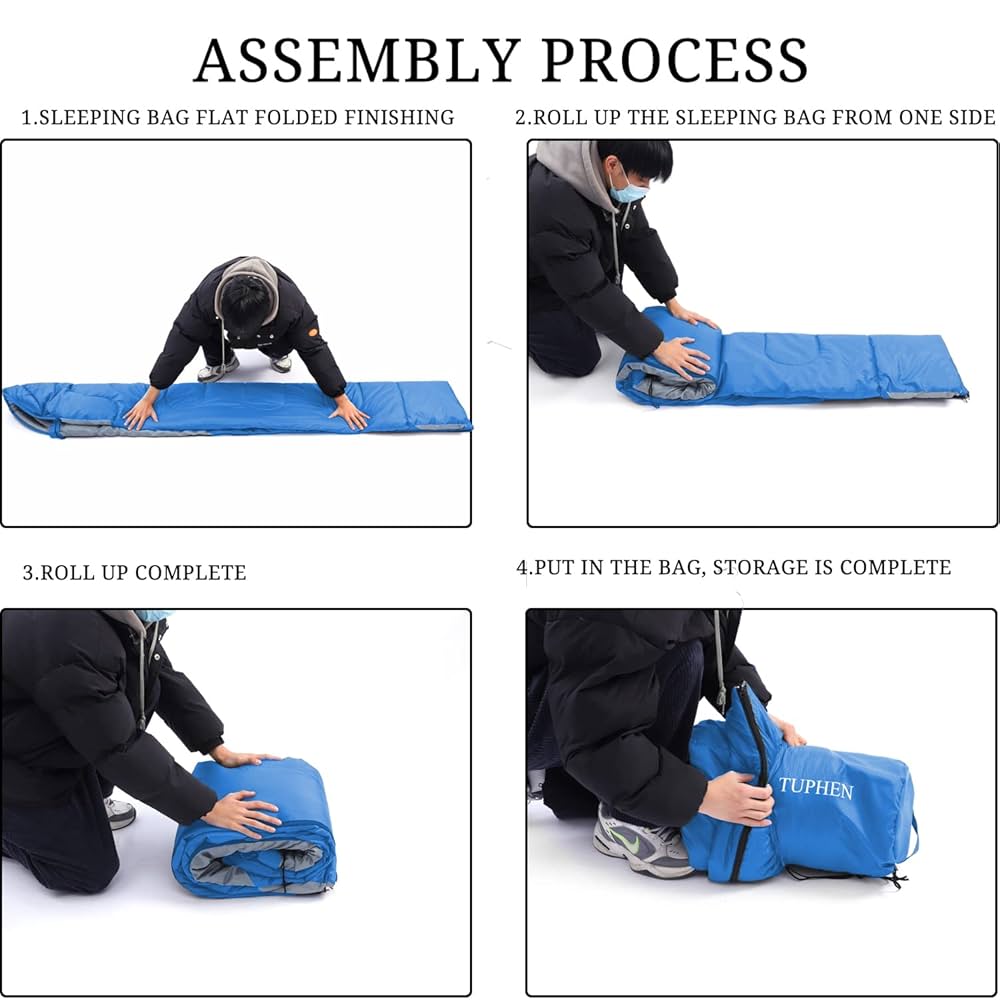
Packing up your sleeping bag might seem simple, but doing it the right way can save you space, keep your gear in good shape, and make your next adventure easier. If you’ve ever struggled with a bulky, messy sleeping bag or wasted time trying to fit it into your backpack, this guide is for you.
You’ll learn clear, easy steps to roll up your sleeping bag quickly and neatly every time. Keep reading, and discover the tricks that will change how you pack forever.
Choose The Right Spot
Rolling up a sleeping bag properly starts with finding the right spot. This helps keep your sleeping bag clean and in good condition.
Look for a flat, dry area to lay out your sleeping bag. This will make rolling it up much easier.
Check The Ground
Before you start, check the ground for sharp objects. Small rocks and sticks can tear your sleeping bag.
- Clear away rocks
- Remove twigs
- Look for glass or metal
Find A Dry Surface
Wet surfaces can damage your sleeping bag. Always choose a dry spot for rolling it up.
- Check for puddles
- Avoid damp grass
- Use a tarp if needed
Consider The Weather
Weather can affect how you roll up your sleeping bag. Wind can blow it away, and rain can make it wet.
If it’s windy, secure the edges with weights. If it’s raining, find shelter first.
Use A Clean Surface
Clean surfaces prevent dirt from sticking to your sleeping bag. This keeps it fresh for your next use.
Try to find a spot on a mat or a clean patch of ground.
Lay Out The Sleeping Bag
Rolling up a sleeping bag starts with laying it out flat. This step helps you remove air and makes the roll tight.
Find a clean, dry spot to spread your sleeping bag. Smooth out wrinkles to avoid lumps.
Find A Flat Surface
Use a flat, clean space such as a floor or a camping mat. This keeps dirt away from your sleeping bag.
A flat surface helps you roll the bag evenly and tightly. Avoid uneven ground that can cause wrinkles.
Unzip The Sleeping Bag Completely
Open the zipper fully so the bag lies flat. A zipped bag can trap air and make rolling hard.
Check for any objects inside the bag before laying it out. Remove items to prevent damage.
Smooth Out Wrinkles And Air Pockets
Use your hands to press down wrinkles and air pockets. Flattening the bag makes it easier to roll tightly.
- Start at the foot end and work toward the head end
- Press the sleeping bag flat with your palms
- Remove any trapped air by pressing gently
Flatten And Smooth The Bag
Rolling up a sleeping bag properly starts with flattening and smoothing it out. This step removes air pockets and wrinkles that can make rolling difficult.
A smooth, flat sleeping bag rolls tighter and fits better into your backpack. It also helps protect the insulation inside from damage.
Lay The Bag On A Flat Surface
Spread your sleeping bag out on a clean, flat surface. Make sure it is completely unzipped. This helps you see all parts clearly and makes smoothing easier.
Smooth Out Wrinkles And Bumps
Use your hands to press down on the sleeping bag. Push air out and flatten any lumps. Smooth the fabric from one end to the other.
- Start at the foot of the bag and move upward
- Press firmly but gently to avoid damage
- Focus on corners and edges where air can get trapped
- Repeat smoothing until the bag lies flat
Check For Damp Or Dirty Spots
Before rolling, inspect the sleeping bag for wet areas or dirt. Flattening helps reveal these spots. Clean and dry the bag if needed to prevent mold.

Credit: trendtents.com
Fold The Sleeping Bag
Folding a sleeping bag makes it easier to pack and carry. It also saves space in your backpack.
Folding properly helps keep the sleeping bag clean and ready for the next use.
Fold In Half Or Thirds
Start by laying the sleeping bag flat on a clean surface. Fold it lengthwise so it is narrower.
- Fold the bag in half or into thirds depending on its width.
- Make sure the fold is straight and smooth out wrinkles.
- Press along the fold to keep it tight.
Align Edges Neatly
After folding, line up the edges carefully. This keeps the roll tight and tidy.
| Tip | Why It Matters |
|---|---|
| Match zipper edges | Prevents snagging when rolling |
| Keep seams straight | Reduces bulk in the roll |
| Fold corners sharply | Ensures compact shape |
Start Rolling Tightly
Rolling up a sleeping bag tightly saves space and keeps it dry. A tight roll helps you pack better and carry less weight.
Focus on starting your roll well. This sets the tone for a compact bundle. Let’s look at key tips to roll your sleeping bag correctly.
Roll From The Foot End
Begin rolling from the foot end of the sleeping bag. This end is usually narrower, making it easier to keep the roll tight. Lay the sleeping bag flat and smooth out wrinkles before rolling.
- Fold the bag lengthwise if it is wide.
- Keep the foot end aligned straight to avoid bulges.
- Roll slowly and evenly towards the head end.
- Press out air as you roll to reduce volume.
Keep Pressure Firm
Apply firm pressure while rolling to squeeze out air and tighten the bundle. Loose rolling wastes space and makes the bag harder to store.
- Use your hands to press down as you roll.
- Keep the roll tight by adjusting pressure evenly.
- A helper can hold the bag while you roll for better firmness.
Secure The Roll
Rolling up a sleeping bag tightly keeps it compact and easy to carry. Securing the roll helps prevent it from unrolling during travel.
There are simple ways to keep your sleeping bag rolled up firmly. Using straps or bands and tucking in loose ends are effective methods.
Use Straps Or Bands
Straps or bands hold the sleeping bag tightly. They stop the roll from loosening and make it easier to pack.
- Wrap straps evenly around the sleeping bag roll.
- Fasten buckles or tie knots securely.
- Check that straps do not pinch the fabric too hard.
- Use adjustable bands for a snug fit.
Tuck In Loose Ends
Tucking in loose parts prevents the roll from unraveling. It also keeps the sleeping bag neat and tidy.
| Loose End | How to Tuck |
|---|---|
| Hood or Top Flap | Fold inward before rolling |
| Straps or Zippers | Secure inside the roll |
| Extra Fabric | Tuck under the last wrap |
Pack The Sleeping Bag
Packing a sleeping bag correctly saves space and keeps it clean. It also helps the bag last longer.
Follow simple steps to roll and store your sleeping bag well. This makes your backpack lighter and organized.
Use A Compression Sack
A compression sack reduces the size of your sleeping bag by squeezing out air. It makes the bag easier to carry.
- Lay the sleeping bag flat and fold it lengthwise.
- Roll the bag tightly from the foot end to the top.
- Place the rolled bag inside the compression sack.
- Pull the straps to compress the bag evenly.
- Secure the straps to keep the bag compact.
Store In Backpack Properly
Place the packed sleeping bag at the bottom of your backpack. This keeps your load balanced and stable.
| Position | Reason |
| Bottom of backpack | Supports weight and keeps balance |
| Near back panel | Protects bag from damage |
| Separate compartment | Keeps bag dry and clean |

Credit: trendtents.com
Tips For Different Sleeping Bag Types
Rolling up a sleeping bag properly helps keep it clean and saves space. Different sleeping bags need different rolling methods. Knowing these tips will keep your bag in good shape.
This guide covers key tips for down and synthetic bags, plus mummy and rectangular shapes. Follow the right steps for your type to make packing easier.
Down Vs Synthetic Bags
Down bags are soft and compress well but can lose loft if packed too tight. Synthetic bags dry faster but take more space when rolled.
- For down bags, gently shake and fluff before rolling to keep the fill even.
- Roll down bags loosely to avoid crushing the feathers.
- Synthetic bags can be rolled tighter to save space.
- Always store down bags uncompressed after use to keep insulation.
- Dry synthetic bags fully before rolling to prevent mildew.
Mummy Vs Rectangular Shapes
Mummy bags are narrow and tapered, making them easier to roll tightly. Rectangular bags are wider and need careful folding to save space.
| Sleeping Bag Shape | Best Rolling Tip |
| Mummy | Roll from the feet end tightly to the hood |
| Rectangular | Fold in half lengthwise before rolling |
| Mummy | Use compression sack for smaller pack size |
| Rectangular | Roll loosely to avoid wrinkles and damage |
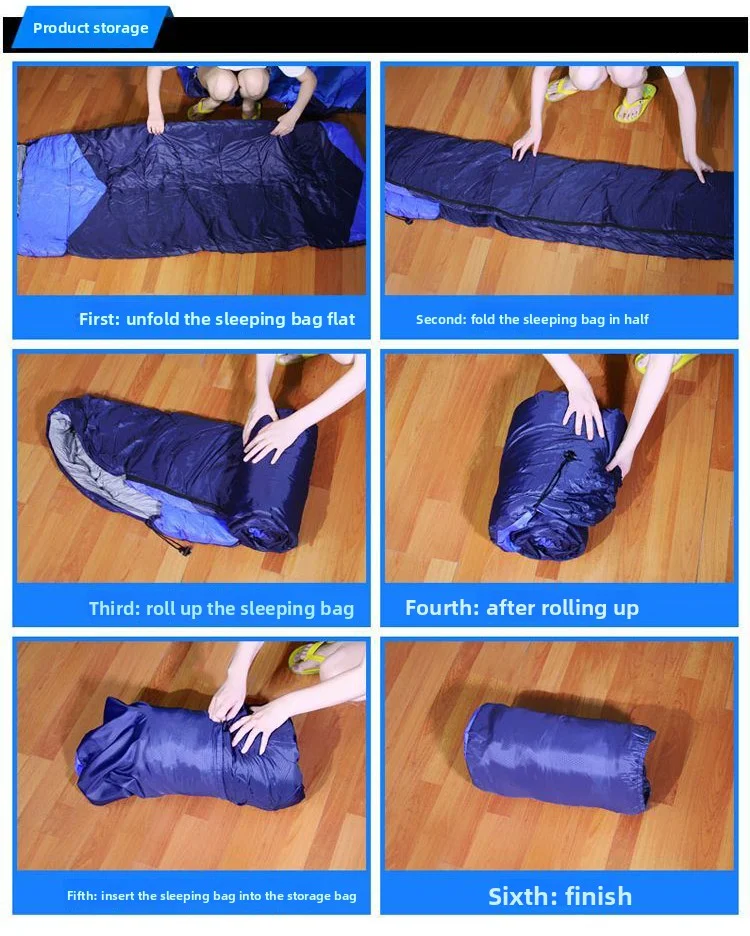
Credit: www.aliexpress.com
Frequently Asked Questions
How Do You Start Rolling Up A Sleeping Bag?
Begin by laying your sleeping bag flat and zipped up. Fold it lengthwise if it’s wide. Start rolling tightly from the foot end toward the head to minimize air inside.
What Is The Best Technique To Roll A Sleeping Bag?
Use a tight, even roll starting at the bottom. Keep pressing air out as you roll. This helps save space and keeps the bag compact for storage.
How Can You Prevent Wrinkles When Rolling A Sleeping Bag?
Roll slowly and evenly without folding sharp edges. Avoid stuffing the bag in its sack. Smooth out wrinkles by pressing as you roll to maintain insulation.
Should You Roll Or Stuff A Sleeping Bag?
Rolling is best for regular use and keeping shape. Stuffing compresses the bag faster but can damage insulation over time. Use rolling to prolong sleeping bag life.
Conclusion
Rolling up a sleeping bag is simple with practice and care. Start by laying it flat and folding it evenly. Roll tightly to save space and keep it dry. Use straps or a bag to hold it secure. This method helps your bag last longer and stay clean.
Pack it right, and enjoy your camping trips more. Remember, a well-rolled sleeping bag fits easily in your backpack. Try this next time you camp, and see the difference yourself.