Packing your hiking backpack the right way can make all the difference between a smooth adventure and a heavy, uncomfortable trek. If you’ve ever struggled with sore shoulders, lost items at the bottom of your bag, or felt unbalanced on the trail, this guide is for you.
Imagine having a clear, simple diagram that shows exactly where each item should go, so your backpack feels light and organized every step of the way. Keep reading, and you’ll discover easy tips and a handy packing diagram that will change how you prepare for your hikes forever.
Your next trip starts with the perfect pack!

Credit: www.merano-suedtirol.it
Choosing The Right Backpack
Packing the right backpack makes hiking trips enjoyable and comfortable. Choosing the right size and features is key.
Consider your needs and preferences to find the perfect fit. Let’s explore the important factors.
Backpack Sizes And Capacities
Backpack sizes vary for different hiking trips. Make sure the size matches the length of your trip.
- Daypacks: 15-30 liters
- Weekend packs: 30-50 liters
- Multi-day packs: 50-70 liters
- Expedition packs: 70+ liters
Features To Look For
Features can make your hike easier. Look for these when selecting a backpack.
- Adjustable straps
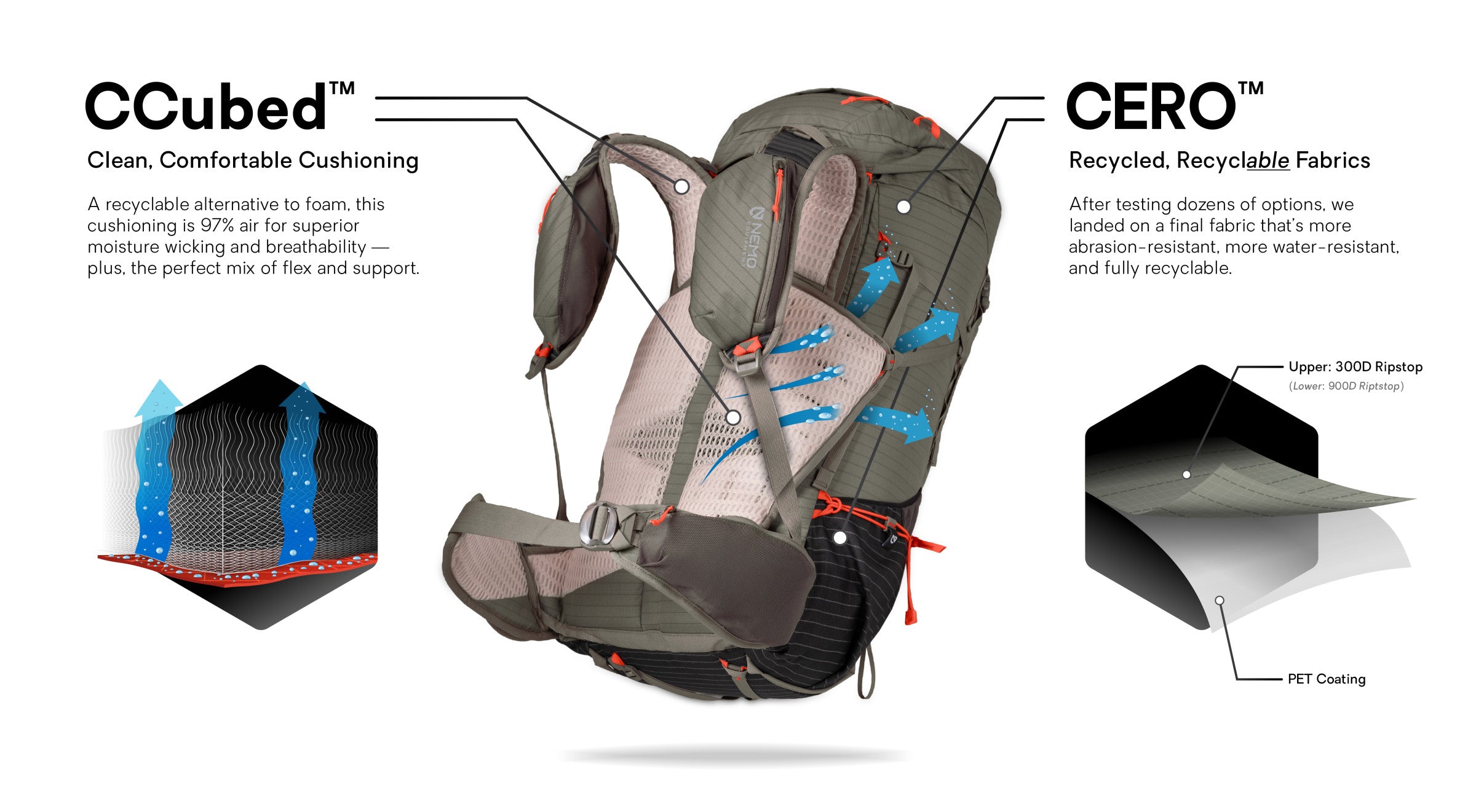
- Waterproof materials
- Multiple compartments
- Hydration reservoir compatibility
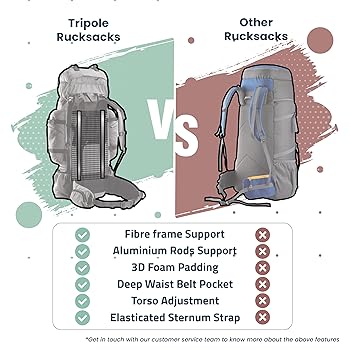
- Padded hip belts
Fit And Comfort
Comfort is crucial on long hikes. Ensure the backpack fits your body well.
| Feature | Importance |
| Adjustable torso length | High |
| Padded shoulder straps | Medium |
| Ventilated back panel | Medium |
Essential Gear For Hiking
Packing a hiking backpack properly helps you stay safe and comfortable. Bring only what you need for your trip.
Organize your gear to balance weight and access. This guide covers key items to pack for hiking.
Clothing And Footwear
Wear clothes that protect you from weather and insects. Choose layers to adjust as temperatures change.
Good footwear prevents injuries and keeps your feet dry. Always pack extra socks for long hikes.
- Waterproof jacket and pants
- Moisture-wicking shirts and underwear
- Insulating layers like fleece or down
- Hiking boots or sturdy shoes
- Extra pairs of socks
Navigation Tools
Navigation tools help you find your way and avoid getting lost. Carry backups in case one fails.
Learn to use your compass and map before hiking. A GPS device or phone app can also help.
- Topographic map of the area
- Compass
- GPS device or smartphone with offline maps
- Whistle for signaling
Safety And First Aid
Pack safety gear to handle injuries and emergencies. Know basic first aid skills before your trip.
Keep your first aid kit organized and easy to reach. Include items for common hiking injuries.
- First aid kit with bandages and antiseptics
- Multi-tool or knife
- Headlamp or flashlight with extra batteries
- Emergency blanket
- Insect repellent and sunscreen
Food And Water Supplies
Bring enough food and water to stay energized and hydrated. Plan meals that are easy to prepare.
Use lightweight containers and pack extra water in case of delays. Treat water from natural sources.
- High-energy snacks like nuts and trail mix
- Lightweight meals or freeze-dried food
- Water bottles or hydration bladder
- Water filter or purification tablets
- Collapsible cup or mug
Packing Techniques
Packing a hiking backpack well helps you carry gear comfortably. Good packing keeps the load balanced and easy to manage.
Using smart packing techniques also protects your items and saves space inside your pack.
Weight Distribution
Place heavy items close to your back and near the middle of the pack. This keeps your center of gravity steady.
Light items go at the top and bottom to balance the load evenly. Avoid putting heavy things too far from your body.
- Heavy gear near your spine
- Medium weight items in the middle
- Light gear on top and bottom
Using Compression Straps
Compression straps help tighten your backpack to stop items from moving. This keeps your load stable while hiking.
Use the straps to press down on bulky items. Tighten straps evenly on both sides for balance.
- Fasten straps after packing
- Tighten straps gently, not too hard
- Check straps regularly on the trail
Organizing With Packing Cubes
Packing cubes keep your items sorted and easy to find. Use different cubes for clothes, food, and gear.
They help compress soft items and make your backpack more organized. This saves time and space.
- Use one cube for clothes
- Use another for cooking gear
- Keep small items in a separate cube
Layering Your Backpack
Packing your hiking backpack in layers helps balance weight and access. It keeps heavy items low and easy-to-reach gear on top.
This guide shows how to layer your pack for better comfort and organization on the trail.
Bottom Layer Items
Place heavy and bulky items at the bottom of your backpack. This keeps your center of gravity low and stable while hiking.
- Sleeping bag or sleeping pad
- Extra clothes or bulky jackets
- Cooking gear and stove
- Food supplies for the day
Middle Layer Essentials
The middle section holds medium-weight items you may need during the hike. It also cushions the heavy bottom load.
| Item | Reason |
| Water reservoir or bottles | Easy to reach and balance |
| First aid kit | Quick access in emergencies |
| Extra food snacks | Fuel during breaks |
| Rain jacket or windbreaker | Protection from weather changes |
Top Layer And Accessibility
Keep items you need often on the top layer. This helps you grab things without unpacking everything.
- Map and compass
- Sunscreen and bug spray
- Hat and gloves
- Snacks and water bottle
- Small camera or phone
Side Pockets And External Storage
Use side pockets and external loops for items you want quick access to. These spots are good for smaller gear.
- Trekking poles
- Water bottles
- Trash bags
- Multi-tool or pocket knife
Using A Packing Diagram
A packing diagram helps you organize your hiking backpack efficiently. It shows where each item should go for balance and easy access.
Using a clear layout saves time and keeps your gear safe. You can adjust the diagram to fit your trip needs.
Visualizing Item Placement
Picture your backpack as zones for different items. Heavy gear goes near your back to keep balance. Light items fit in outer pockets.
- Place heavy items like water and food close to your spine.
- Keep frequently used gear in top or side pockets.
- Put sleeping bags and clothes at the bottom.
- Fill gaps with small items to avoid shifting.
Adjusting For Trip Length
Longer trips need more supplies. Your packing diagram must change to fit extra gear. Plan space for food, clothes, and tools.
| Trip Length | Essential Items | Additional Items |
| 1-2 days | Basic food, water, clothes | Small first aid kit |
| 3-5 days | Extra food, sleeping gear | Cooking supplies, repair kit |
| More than 5 days | All previous plus backup clothes | Advanced navigation tools |
Customizing For Different Terrains
Terrain affects what you carry and where you put it. Smooth trails allow balanced packing. Rough terrain needs easy access to safety gear.
- Mountain:Pack climbing gear near the top for quick reach.
- Forest:Keep insect repellent and map in side pockets.
- Desert:Store extra water in accessible spots.
- Snow:Add insulated items near your back to stay warm.

Credit: www.myogtutorials.com
Tips For Efficient Packing
Packing your hiking backpack the right way makes your trip easier. You carry less weight and find things faster.
Use smart methods to keep your gear safe and ready. This guide shows how to pack with care and speed.
Minimizing Weight
Carry only what you need to keep your backpack light. Heavy loads slow you down and cause fatigue.
- Choose lightweight gear and clothing made for hiking.
- Pack multi-use items to save space and weight.
- Limit food and water to what you can consume each day.
- Remove extra packaging before packing.
- Leave behind non-essential items like bulky books or gadgets.
Protecting Fragile Items
Keep delicate items safe from damage during your hike. Use padding and smart placement inside the pack.
| Item | Packing Tip |
| Camera | Wrap in soft clothing and place in the center. |
| Electronics | Use padded cases and keep away from heavy gear. |
| Glasses | Store in a hard case inside an accessible pocket. |
| Food Jars | Wrap with bubble wrap or cloth and place upright. |
Quick Access Essentials
Keep important items where you can reach them fast. This saves time and helps in emergencies.
- Place your map, compass, and GPS in outer pockets.
- Keep your water bottle within easy reach.
- Store snacks where you can grab them without opening the pack.
- Keep a small first aid kit handy in a top pocket.
- Put rain gear in an accessible compartment.
Credit: www.nemoequipment.com
Frequently Asked Questions
How Do I Organize A Hiking Backpack Efficiently?
To organize a hiking backpack efficiently, pack heavy items close to your back. Distribute weight evenly, place frequently used items on top, and use compartments for small gear. This method improves balance, comfort, and quick access during your hike.
What Is The Best Way To Pack A Hiking Backpack Diagram?
The best way to pack a hiking backpack diagram is by layering gear. Start with a sleeping bag at the bottom, heavy items in the middle near your spine, and lighter items on top. Use side pockets for water and snacks for easy reach.
How Should Weight Be Distributed In A Hiking Backpack?
Weight should be distributed with heavy gear near your back and centered. Keep medium-weight items around the middle and lighter items at the top and outer edges. Balanced weight reduces strain and improves stability on uneven terrain.
What Items Are Essential To Pack In A Hiking Backpack?
Essential items include water, food, first aid kit, map, flashlight, extra clothing, and shelter. Organize these items for easy access and ensure they fit securely to prevent shifting during your hike.
Conclusion
Packing your hiking backpack right makes your trip easier and safer. Keep heavy items close to your back for balance. Place frequently used gear at the top or outside pockets. Distribute weight evenly to avoid strain on your shoulders. Use a diagram as a guide to organize your items well.
A well-packed backpack helps you enjoy hiking more. Take time to pack carefully before every adventure. Your body will thank you on the trail. Ready to hit the trail with confidence?