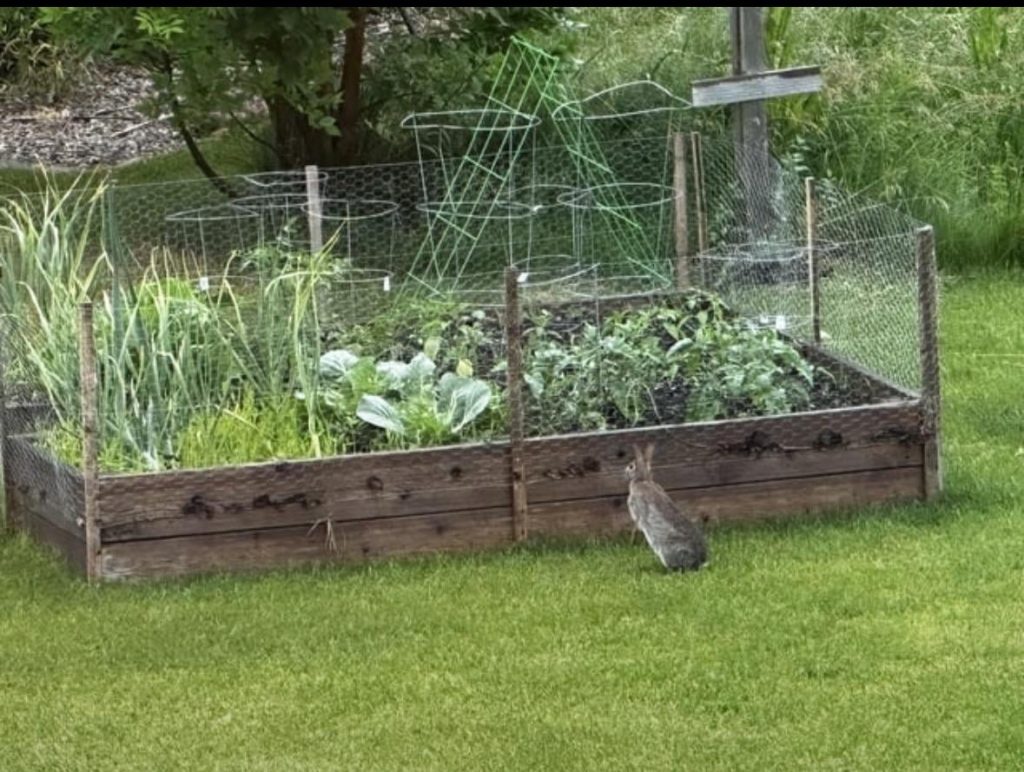
Are you tired of finding your carefully planted vegetables and flowers nibbled down by rabbits? Watching your hard work disappear overnight can be frustrating.
But don’t worry—there are simple, effective ways to keep rabbits out of your raised garden beds. You’ll discover easy tips and tricks that protect your plants without harming the rabbits. Keep reading to learn how to enjoy a thriving garden, free from unwanted furry visitors.
Rabbit Behavior And Garden Impact
Rabbits are charming but can be a nuisance to gardeners. They are drawn to fresh plants and can cause significant damage. Understanding their behavior can help protect your garden.
Raised garden beds are especially appealing to rabbits. They offer easy access to tender plants. Learning why rabbits target gardens can help in devising strategies to keep them out.
Why Rabbits Target Gardens
Rabbits are naturally inclined to gardens due to the abundance of food. They are herbivores and seek out gardens for easy meals.
- Fresh vegetables are a favorite snack.
- Garden beds offer concealment from predators.
- Soft soil makes digging easy for rabbits.
Common Damage Caused By Rabbits
Rabbits can cause various types of damage to your garden. They nibble on leaves, stems, and fruits. This can severely affect plant health and yield.
| Type of Damage | Impact on Plants |
| Nibbled Leaves | Reduced Photosynthesis |
| Damaged Stems | Stunted Growth |
| Eaten Fruits | Lower Harvest |

Credit: www.reddit.com
Physical Barriers To Protect Beds
Rabbits can damage raised garden beds by eating plants and digging around roots. Using physical barriers helps keep them out. These barriers stop rabbits without harming your plants.
Below are common physical methods to protect your garden beds. Each method uses a different type of barrier for safety and effectiveness.
Choosing The Right Fencing
Fencing is a strong way to keep rabbits away. The fence should be tall and made of tough material. Rabbits can jump or squeeze through small holes.
- Use wire or metal fencing at least 2 feet tall
- Make sure holes are smaller than 1 inch wide
- Bury the fence 6 inches into the ground to block digging
- Check the fence regularly for gaps or damage
Installing Wire Mesh And Netting
Wire mesh and netting create a barrier that rabbits cannot pass. They are easy to fit around raised beds and allow sunlight and water through.
| Type | Description | Best Use |
| Hardware Cloth | Strong metal mesh with small openings | Long-term protection around beds |
| Plastic Netting | Lightweight and flexible | Temporary or seasonal use |
| Chicken Wire | Thin wire with larger holes | May need reinforcement to block rabbits |
Using Raised Bed Covers
Raised bed covers protect plants from rabbits from above. These covers can be frames with netting or solid lids that still let air and light in.
- Build a wooden or metal frame over the bed
- Attach fine mesh or netting to keep rabbits out
- Use removable covers for easy access to plants
- Choose materials that allow rain and sunlight to pass
Natural Repellents And Deterrents
Rabbits can damage your raised garden beds by eating young plants and flowers. Using natural repellents helps protect your plants without harming animals or the environment. These methods keep rabbits away in a gentle and safe way.
This guide covers three natural ways to deter rabbits: planting rabbit-resistant species, using homemade repellent sprays, and trying commercial repellent options. Each method offers easy steps to protect your garden.
Planting Rabbit-resistant Species
Choosing plants that rabbits do not like can reduce damage in your garden. These plants often have strong smells or tastes that rabbits avoid. You can mix these species with other plants to protect your garden naturally.
- Lavender
- Marigolds
- Sage
- Thyme
- Onions
- Daffodils
- Ferns
Homemade Repellent Sprays
You can make simple sprays at home using ingredients rabbits dislike. These sprays smell strong or taste bad to rabbits. Apply the spray to your plants and soil regularly for best results.
- Mix crushed garlic and water, then strain.
- Add a few drops of hot sauce or chili powder to the mixture.
- Spray the solution on leaves and stems.
- Reapply after rain or every few days.
Commercial Repellents Options
Stores sell many commercial repellents made from natural ingredients. These products are easy to use and come with instructions. Some repel rabbits by smell, while others create a taste rabbits avoid.
| Repellent Type | Main Ingredient | Use Frequency |
| Granular | Blood meal or dried egg solids | Every 2 weeks |
| Spray | Garlic, pepper, or predator scents | After rain or 1 week |
| Liquid Concentrate | Natural oils and extracts | Every 7 to 10 days |

Credit: www.reddit.com
Garden Maintenance Strategies
Rabbits can damage your raised garden beds by eating plants and digging. Keeping them away needs regular care and smart planning.
Good garden maintenance helps stop rabbits from visiting. You can protect your plants by following simple steps every week.
Removing Rabbit Attractants
Rabbits come to gardens where they find easy food and shelter. Removing plants they like and hiding spots helps keep them away.
Remove weeds and plants that rabbits eat. Avoid growing plants near your beds that attract them.
- Pull out dandelions and clover
- Clear fallen fruits or vegetables
- Remove thick ground cover or tall grass
- Use plants rabbits dislike near your beds
Regular Bed Inspection
Check your raised beds often for signs of rabbits. Look for bite marks, footprints, or dug soil.
Early detection helps stop damage before it gets worse. Fix holes and reinforce fences quickly.
- Inspect beds twice a week
- Look for new holes or tunnels
- Check plants for chewed leaves or stems
- Repair fencing or barriers as needed
Keeping Surrounding Area Clean
Keep the area around your garden beds clean and free of debris. Rabbits hide in brush and piles of leaves.
Trim grass and remove clutter near your beds. This makes your garden less inviting to rabbits.
- Cut tall grass and weeds
- Remove wood piles and brush
- Keep compost bins sealed
- Clear fallen leaves regularly
Using Pets And Wildlife Control
Rabbits can damage plants in raised garden beds. Using pets and wildlife control helps keep them away. This method is natural and safe for your garden.
Pets and local wildlife can act as natural rabbit repellents. They create an environment that rabbits avoid. Let’s explore how to use these animals effectively.
Encouraging Natural Predators
Natural predators help control rabbit populations around your garden. Birds of prey, foxes, and snakes can scare rabbits away. Creating a habitat for these animals near your garden can reduce damage.
Plant trees and shrubs that attract predators. Avoid using harmful chemicals that can kill these helpful animals. Natural predators keep rabbits in check without extra work.
- Install birdhouses for owls and hawks
- Leave brush piles for foxes and snakes
- Provide water sources to attract wildlife
- Avoid pesticides that harm predators
Role Of Dogs And Cats In Deterrence
Dogs and cats can keep rabbits away from raised beds. Their scent and movement scare rabbits. Having pets near your garden lowers rabbit visits.
Dogs can patrol the garden and chase rabbits. Cats hunt small animals, which helps reduce rabbit numbers. Both pets add a layer of protection naturally.
- Let dogs roam near garden beds safely
- Allow cats to explore outdoor areas
- Train pets to avoid harming plants
- Supervise pets to keep balance with wildlife

Credit: www.youtube.com
Technological Solutions
Keeping rabbits out of raised garden beds can be challenging. Technology offers new tools to protect your plants.
Two popular devices are ultrasonic repellent devices and motion-activated sprinklers. Both use different methods to deter rabbits.
Ultrasonic Repellent Devices
Ultrasonic devices emit high-frequency sounds that rabbits find unpleasant. These sounds are silent to humans and pets like dogs and cats.
- Easy to install near garden beds
- Low maintenance and weather-resistant
- Safe for all plants and animals
- Needs batteries or electricity to work
- Effectiveness may vary based on placement
Motion-activated Sprinklers
These sprinklers turn on when they detect movement near the garden. The water startles rabbits and sends them away.
| Feature | Benefit |
| Detects motion up to 30 feet | Protects a wide area |
| Adjustable spray distance | Customizable for garden size |
| Water-saving sensor | Only activates when needed |
| Easy to install | No tools required |
Frequently Asked Questions
How Can I Prevent Rabbits From Entering Raised Garden Beds?
Use physical barriers like chicken wire or hardware cloth around beds. Ensure fences are at least 2 feet high and buried 6 inches underground to block rabbits effectively.
What Plants Naturally Repel Rabbits In Garden Beds?
Planting garlic, lavender, marigolds, or rosemary can deter rabbits. These plants emit scents rabbits dislike, helping protect your raised garden beds naturally.
Are Homemade Rabbit Repellents Effective For Garden Protection?
Yes, homemade repellents using garlic, hot pepper, or vinegar can work. Reapply after rain and combine with barriers for better results.
How Often Should I Check Fences Around My Garden Beds?
Check fences weekly for holes or gaps. Prompt repairs prevent rabbits from finding entry points into your raised garden beds.
Conclusion
Keeping rabbits out of raised garden beds takes patience and care. Use fences or barriers to block their access. Plant strong-smelling herbs nearby to deter them. Regularly check your garden for signs of rabbits. Combining methods works best to protect your plants.
Stay consistent to keep your garden safe and healthy. Enjoy watching your plants grow without worry. Small steps make a big difference in gardening success.