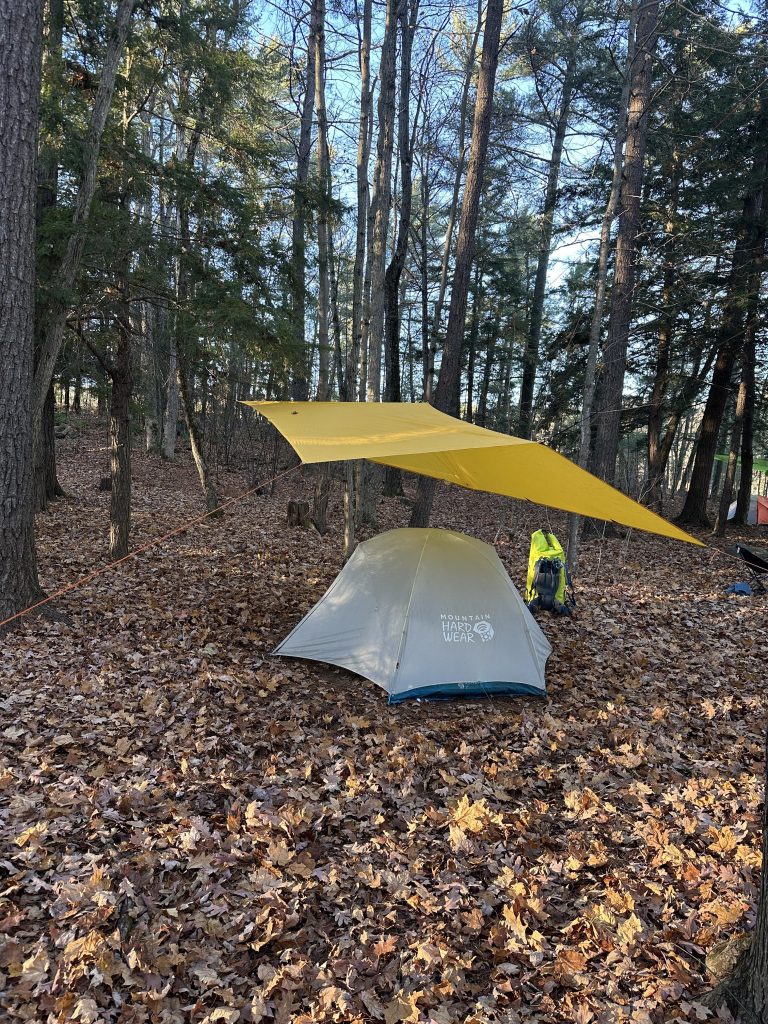
Rain can turn your camping trip from fun to frustrating in no time. You don’t want to wake up to a soggy tent or soggy gear, right?
Protecting your tent from rain is not just about staying dry—it’s about staying comfortable and safe throughout your adventure. In this post, you’ll discover simple and effective ways to keep your tent dry, so you can focus on enjoying the great outdoors without worrying about the weather.
Keep reading, and you’ll learn easy tips that make a big difference when the skies open up.
Choosing The Right Tent
Choosing a tent that can handle rain is important for a comfortable camping trip. You need to consider materials, designs, and features that keep water out.
Let’s explore how to select a tent that stays dry during rainy weather.
Materials That Resist Water
The material of the tent plays a big role in water resistance. Look for fabrics that repel water effectively.
- Nylon: Lightweight and water-resistant when treated.
- Polyester: Resists UV rays and water, ideal for camping.
- Canvas: Heavy but durable and water-resistant with proper treatment.
Tent Designs For Rainy Weather
Certain tent designs offer better protection against rain. Their structure helps in water runoff and keeps the interior dry.
- Dome Tents: Rounded shape allows water to slide off easily.
- Geodesic Tents: Stable in wind and rain, perfect for harsh conditions.
- Tunnel Tents: Provide good space and are efficient against rain.
Importance Of A Rainfly
A rainfly is a critical component for keeping a tent dry. It acts as an extra layer of protection against rain.
| Type | Benefits |
| Full-Coverage Rainfly | Offers maximum protection from rain. |
| Partial-Coverage Rainfly | Good for light showers, allows more ventilation. |

Credit: www.reddit.com
Preparing Your Tent For Rain
Camping in the rain can be fun if your tent stays dry. Preparing your tent before rain helps keep you comfortable. Follow simple steps to protect your tent from water.
Good preparation stops leaks and water damage. It makes your camping trip safer and more enjoyable.
Sealing Seams And Zippers
Seams and zippers are common places where water enters a tent. Use seam sealer to cover the stitching on the tent fabric. This blocks rain from leaking in.
Apply zipper lubricant to keep zippers working well. It also helps zippers close tightly to stop water from coming inside.
- Clean seams before sealing for better hold
- Use a brush or applicator for seam sealer
- Apply zipper lubricant gently along teeth
- Let everything dry fully before camping
Applying Waterproof Sprays
Waterproof sprays add a protective layer on your tent fabric. They help water bead up and roll off instead of soaking in. Spray evenly on clean, dry tents for best results.
Repeat spraying each season or after washing your tent. This keeps the waterproof coating strong and effective.
- Choose sprays made for tents and outdoor gear
- Spray in a well-ventilated area
- Allow tent to dry completely before packing
- Test spray on small area first to avoid damage
Using Ground Tarps And Footprints
Ground tarps or footprints go under your tent to protect the floor from water and sharp objects. They create an extra barrier to stop moisture from rising up.
Make sure the tarp is smaller than the tent floor. This prevents rainwater from collecting between the tarp and tent and causing leaks.
- Use waterproof material for tarps and footprints
- Keep tarp edges inside the tent perimeter
- Secure tarp flat to avoid folds and puddles
- Clean and dry tarp before storage
Setting Up In Wet Conditions
Setting up a tent in wet weather needs care. Rain can cause problems if you don’t prepare well.
Follow these tips to keep your tent dry and safe during rain.
Selecting A Safe Campsite
Look for a campsite that stays dry and safe in rain. Avoid low spots where water can gather.
- Pick high ground with good drainage.
- Stay away from riverbeds and valleys.
- Check for overhanging branches that might drip water.
- Clear the area of sticks and rocks before pitching.
- Look for flat spots to keep your tent stable.
Pitching Techniques To Avoid Water Pooling
How you pitch your tent affects water flow. Keep rain from pooling on your tent roof and floor.
| Technique | Purpose |
|---|---|
| Angle the tent slightly downhill | Helps water run off easily |
| Tighten the rainfly | Prevents sagging where water can collect |
| Use a groundsheet smaller than the tent floor | Stops water from collecting under the tent |
| Seal seams with waterproof tape | Blocks water from entering through stitching |
Securing Tent Stakes And Guy Lines
Strong stakes and guy lines keep your tent stable in wind and rain. Secure them well.
- Use longer stakes for soft or wet ground.
- Place stakes at a 45-degree angle for better hold.
- Tighten guy lines to keep the tent firm.
- Check stakes and lines often during rain.
- Use rocks or logs to reinforce stakes if needed.

Credit: www.amazon.com
Maintaining Waterproofing During The Trip
Keeping your tent dry during rain is important for comfort and safety. Waterproofing helps stop water from getting inside. You need to keep the waterproof layer strong throughout your trip.
Simple actions can protect your tent from rain. This guide covers key tips to manage moisture, fix damage fast, and keep your gear dry.
Managing Condensation Inside The Tent
Condensation forms when warm air meets cold tent walls. It can make your tent feel wet inside, even if rain stays out. Good ventilation helps reduce this moisture.
Open vents or windows slightly to let air flow. Avoid covering vents with gear or clothes. Using a tent with mesh panels also improves airflow and reduces condensation.
Repairing Tears And Leaks Quickly
Tears and leaks let water inside your tent fast. Check your tent daily in wet weather. Fix small holes or tears right away to keep waterproofing strong.
- Carry a repair kit with patches and waterproof tape
- Clean the area before applying any patch
- Press firmly and let it dry before use
- Seal seams with waterproof seam sealer if needed
Fixing damage quickly stops leaks and keeps your tent dry during rain.
Keeping Gear Dry Inside
Wet gear can make your tent damp and uncomfortable. Store wet clothes and shoes outside the main sleeping area. Use waterproof bags or containers to protect important items.
- Use a vestibule area to keep gear sheltered
- Place gear in plastic bags to avoid moisture
- Hang wet items on lines outside if possible
- Keep sleeping bags and clothes in dry sacks
Dry and organized gear helps maintain a comfortable, dry tent during rain.
After The Rain
Rain can soak your tent and affect its condition. Taking care of your tent after rain keeps it safe and ready for next use.
Proper care helps keep the tent waterproof and extends its life. Follow simple steps to dry, clean, store, and check your tent.
Drying And Cleaning Your Tent
Start by drying your tent as soon as possible. Set it up or hang it in a shaded area to avoid sun damage.
Clean off dirt and mud with a soft brush or sponge. Use water only; avoid harsh soaps that can harm the fabric.
- Do not dry your tent in direct sunlight for long periods
- Remove all mud and leaves before storing
- Use lukewarm water and gentle cleaning tools
Storing To Preserve Waterproofing
Store your tent only when it is completely dry. Damp fabric can grow mold and damage waterproof coatings.
Keep your tent in a cool, dry place away from direct sunlight and heat. Use a loose storage bag instead of a tight one.
- Never store your tent wet or damp
- Use breathable bags or cotton sacks for storage
- Avoid plastic bags that trap moisture
Inspecting For Damage
Check your tent for tears, holes, or broken zippers after rain. Early repairs stop small problems from getting worse.
Look at seams and waterproof coatings. Fix any damage quickly to keep your tent strong and water-resistant.
- Look closely at fabric and seams for cracks or holes
- Test zippers and other hardware for smooth operation
- Apply seam sealer or patch kits as needed
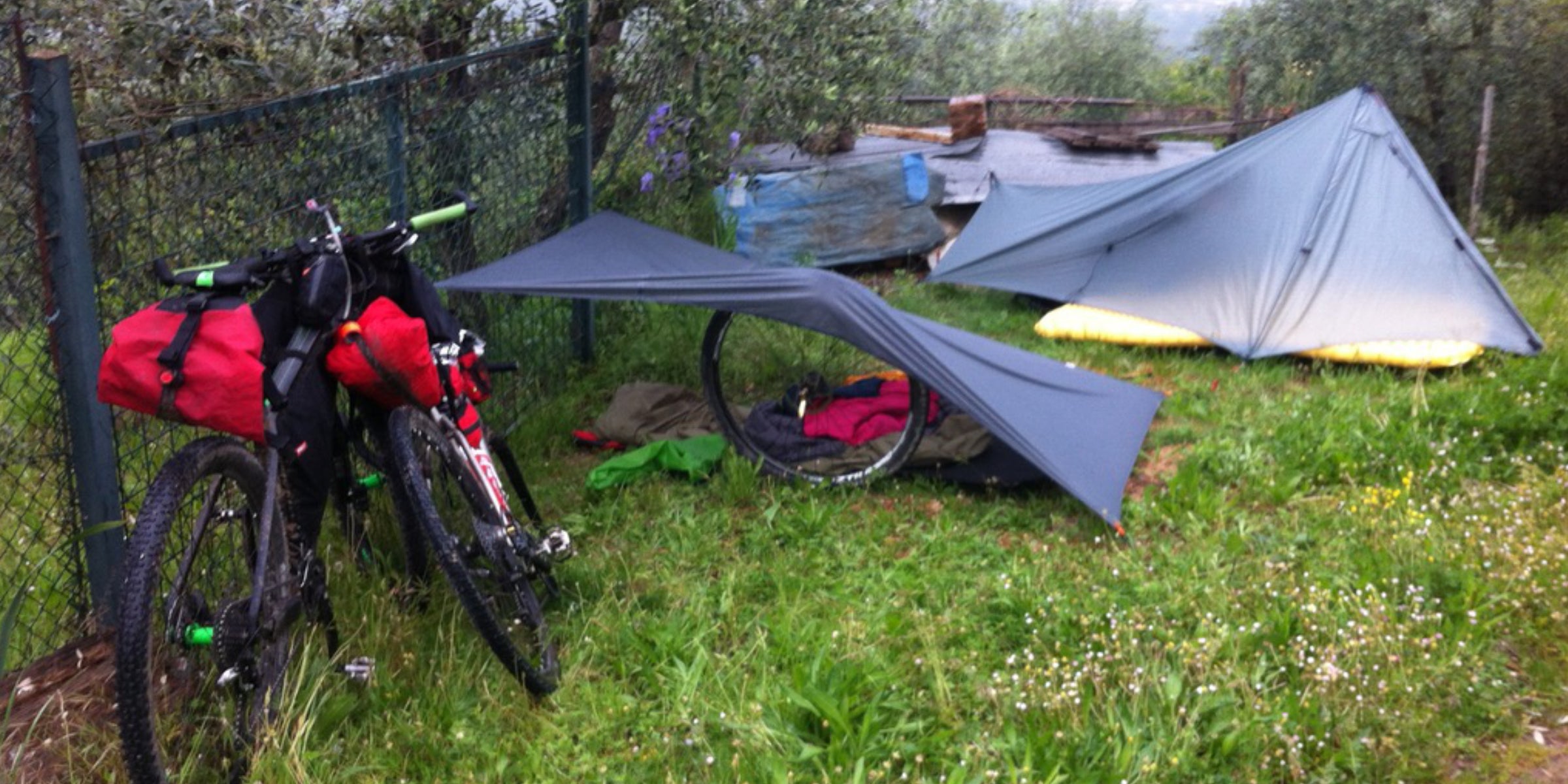
Credit: alpkit.com
Frequently Asked Questions
How Can I Waterproof My Tent Before Rain?
Apply a silicone-based waterproof spray to your tent’s fabric. Seal seams with waterproof tape. Always test sprays on a small area first.
What Ground Preparation Helps Protect A Tent From Rain?
Set up your tent on elevated, well-drained ground. Avoid low spots where water can pool. Use a footprint or tarp under the tent for extra protection.
How Do Rain Flies Protect Tents Effectively?
Rain flies act as a shield, preventing rain from reaching the tent’s fabric. Ensure it’s taut and covers all mesh areas to keep water out.
Can Proper Tent Pitching Prevent Rainwater Leaks?
Yes, pitching your tent tightly reduces sagging, which prevents water pooling. Angle the tent to allow rainwater to run off smoothly.
Conclusion
Protecting your tent from rain keeps you dry and comfortable outdoors. Use a rain fly and seal all seams tightly. Set up your tent on higher ground to avoid water pooling. Secure all guy lines firmly to withstand wind and rain.
Regularly check for leaks and fix them quickly. These simple steps help you enjoy camping, even in wet weather. Stay prepared, stay dry, and make the most of your outdoor adventure.