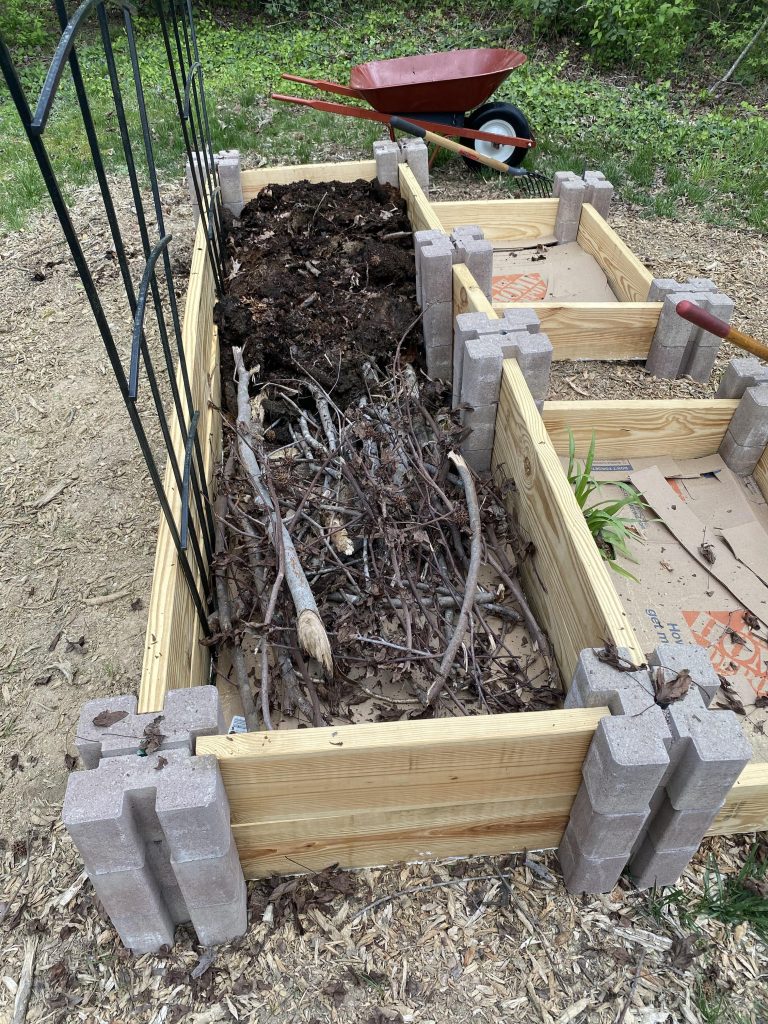
Are you wondering if you can put grass clippings in your raised garden bed? You’re not alone.
Many gardeners ask this because they want to make the most of what they have while keeping their plants healthy. Using grass clippings might seem like a simple way to add nutrients and reduce waste. But is it really good for your garden, or could it cause problems?
Keep reading to find out how grass clippings can affect your soil and plants—and learn the best way to use them for a thriving garden.
Benefits Of Using Grass Clippings
Grass clippings can be a valuable addition to your raised garden bed. They offer several benefits that can enhance the growth and health of your plants.
Understanding these benefits can help you make the most of your gardening efforts. Here are some key advantages of using grass clippings in your garden.
Nutrient Boost For Soil
Grass clippings decompose and add nutrients back into the soil. This natural process enriches the soil with essential nutrients like nitrogen.
| Nutrient | Benefit |
| Nitrogen | Promotes leafy growth |
| Potassium | Strengthens plant roots |
| Phosphorus | Enhances flower production |
Moisture Retention
Using grass clippings can help your garden retain moisture. This is important for plant health, especially in dry conditions.
- Reduces the need for frequent watering
- Prevents soil from drying out quickly
- Maintains a consistent moisture level
Weed Suppression
Grass clippings can act as a natural barrier against weeds. They cover the soil and block sunlight, which prevents weed growth.

Credit: www.ollegardens.com
Potential Risks To Consider
Using grass clippings in raised garden beds can be helpful. They add nutrients and moisture. But some risks come with it.
Knowing these risks helps you decide if grass clippings are right for your garden bed.
Pest Attraction
Fresh grass clippings can attract pests like insects and rodents. These pests may harm your plants or spread diseases.
Leaving clippings too thick or wet creates a good hiding place for pests.
- Slugs and snails like damp grass clippings
- Rodents may use clippings for nesting
- Insects can lay eggs in thick layers
Fungal Growth
Grass clippings hold moisture, which can cause fungal problems. Mold and mildew may grow on or under clippings.
Fungal growth can harm your plants by spreading diseases or blocking sunlight.
- Wet clippings create a perfect environment for fungi
- Fungi can damage roots and leaves
- Good airflow helps reduce fungal risks
Chemical Residues
Grass clippings may contain chemicals from lawn treatments. These include herbicides, pesticides, or fertilizers.
Chemicals can harm beneficial soil life and your plants if clippings come from treated lawns.
- Avoid clippings from recently sprayed lawns
- Check lawn treatment dates before using clippings
- Organic lawns reduce chemical residue risks
Best Practices For Adding Clippings
Grass clippings can be a useful addition to your raised garden bed. They add nutrients and help keep the soil healthy.
Using clippings properly ensures they do not cause problems like bad smells or pests.
Drying Before Use
Fresh grass clippings contain a lot of moisture. Adding wet clippings directly can create mold and smell.
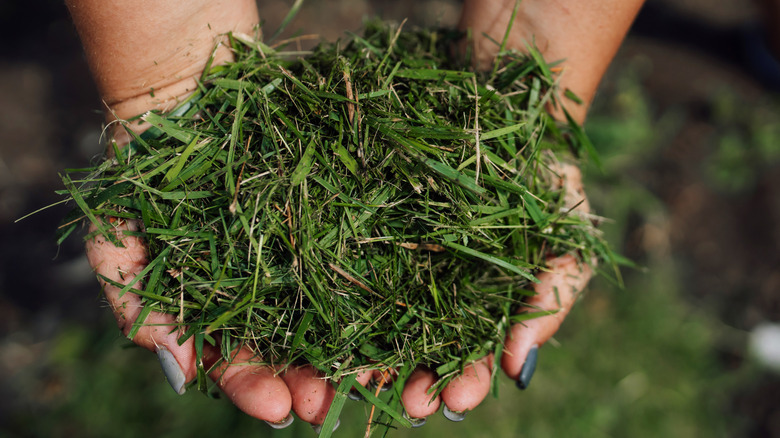
Let clippings dry in the sun for a day or two before adding them to your garden bed.
- Spread clippings thinly on a tarp or driveway
- Turn them once to dry evenly
- Use dry clippings to avoid compacting soil
Layering Techniques
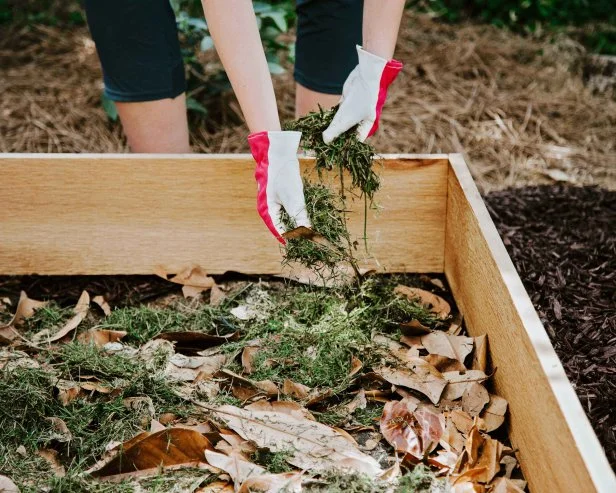
Layering grass clippings with other materials helps balance moisture and nutrients. It also prevents clumping.
Alternate thin layers of clippings with dry leaves or soil for best results.
- Start with a layer of soil or leaves
- Add a thin layer of grass clippings
- Repeat layers to build up the bed
- Finish with a layer of soil to cover clippings
Mixing With Other Compost
Grass clippings work well when mixed with other compost materials. This helps create a rich, balanced soil.
Combine clippings with kitchen scraps, dry leaves, and garden waste to improve decomposition.
- Mix clippings with dry brown materials to add carbon
- Turn the compost regularly for air circulation
- Use fully composted mix in your raised bed
Credit: www.housedigest.com
Alternatives To Grass Clippings
Using grass clippings in raised garden beds can sometimes cause problems. They may mat down and block air or bring unwanted seeds.
There are other materials you can use that help your plants grow well and keep your soil healthy.
Mulch Options
Mulch helps keep soil moist and stops weeds from growing. You can choose many types of mulch instead of grass clippings.
Wood chips, straw, and shredded leaves work well as mulch. They break down slowly and add nutrients to the soil.
- Wood chips reduce soil erosion and keep moisture.
- Straw is light and easy to spread over plants.
- Shredded leaves improve soil texture and fertility.
Compost Materials
Compost is rich in nutrients and helps plants grow strong. You can add many kitchen and garden scraps to your compost pile.
Vegetable peels, coffee grounds, and dry leaves all make good compost ingredients. Avoid adding weeds or diseased plants.
- Vegetable scraps provide nitrogen for compost.
- Dry leaves add carbon and balance moisture.
- Coffee grounds improve soil acidity and nutrients.
Cover Crops
Cover crops protect and improve soil when your garden is resting. They stop soil from washing away and add organic matter.
Plants like clover, rye, and vetch grow fast and cover the ground. Later, you can cut them and mix them into the soil.
- Clover adds nitrogen to the soil.
- Rye roots hold soil in place.
- Vetch improves soil fertility and texture.
Common Mistakes To Avoid
Adding grass clippings to raised garden beds can help soil health. Many gardeners make errors that harm plants or soil.
Understanding these mistakes can keep your garden bed healthy and productive.
Using Wet Clippings
Putting wet grass clippings directly on your garden bed causes problems. They can become slimy and smell bad. Wet clippings also stop air from reaching the soil.
Always let clippings dry before adding them. Dry clippings break down faster and do not attract pests.
Thick Layers Without Aeration
Putting too many grass clippings in one thick layer blocks air and water. This slows decomposition and may cause mold.
- Spread clippings in thin layers.
- Mix them with dry leaves or straw for better air flow.
- Turn the soil or clippings to add oxygen.
- Allow time between layers to dry.
Ignoring Chemical Treatments
Grass treated with herbicides or pesticides can harm your garden. Chemicals may kill beneficial insects or plants.
| Risk | Effect |
| Herbicide-treated grass | Harm to vegetables and flowers |
| Pesticide-treated grass | Damage to earthworms and pollinators |
| Unknown chemical use | Soil contamination and poor plant growth |
Credit: www.hgtv.com
Frequently Asked Questions
Can I Use Fresh Grass Clippings In Raised Beds?
Fresh grass clippings can be used but should be thinly spread. Thick layers may create a slimy, smelly mat that blocks air and water. It’s best to let clippings dry for a day before adding to your raised bed.
Are Grass Clippings Good For Soil Health?
Yes, grass clippings add valuable nitrogen and organic matter. They help improve soil fertility and moisture retention. Proper use supports healthy plant growth in raised garden beds.
How Often Should I Add Grass Clippings To My Bed?
Add grass clippings as a mulch layer every few weeks. Avoid over-applying to prevent compacting and mold growth. Regular light additions balance nutrients and moisture effectively.
Will Grass Clippings Attract Pests In Raised Beds?
Fresh clippings may attract pests like flies or rodents if piled thickly. Dry and thin layers reduce this risk. Properly managed grass clippings rarely cause pest problems.
Conclusion
Grass clippings can help your raised garden bed grow better. They add nutrients and keep the soil moist. Just avoid using clippings with chemicals or weeds. Let them dry a bit before adding. This stops bad smells and pests. Mixing clippings with other compost materials works best.
Your plants will thank you with healthy growth. Try it and see the difference in your garden!