Have you ever wondered if you can put your sleeping bag in the dryer? If you’re like many outdoor lovers, keeping your gear clean and ready is a top priority.
But drying a sleeping bag isn’t always as simple as tossing it in with your regular laundry. The wrong drying method can damage the fabric, reduce warmth, or even ruin your bag completely. You’ll discover the best way to dry your sleeping bag safely and effectively.
Keep reading to learn expert tips that will help you protect your gear and enjoy every adventure to the fullest.
Dryer Safety For Sleeping Bags
Drying sleeping bags requires special care. It helps maintain their quality and extends their life. Knowing dryer safety tips is essential.
Using a dryer can be tricky. It’s important to follow guidelines. Let’s explore how to keep your sleeping bags safe.
Material Considerations
Different materials need different care. Synthetic bags and down bags have unique needs. Knowing these can prevent damage.
- Synthetic sleeping bags can handle more heat
- Down sleeping bags need low heat to prevent clumping
- Always check the fabric label for instructions
Manufacturer Guidelines
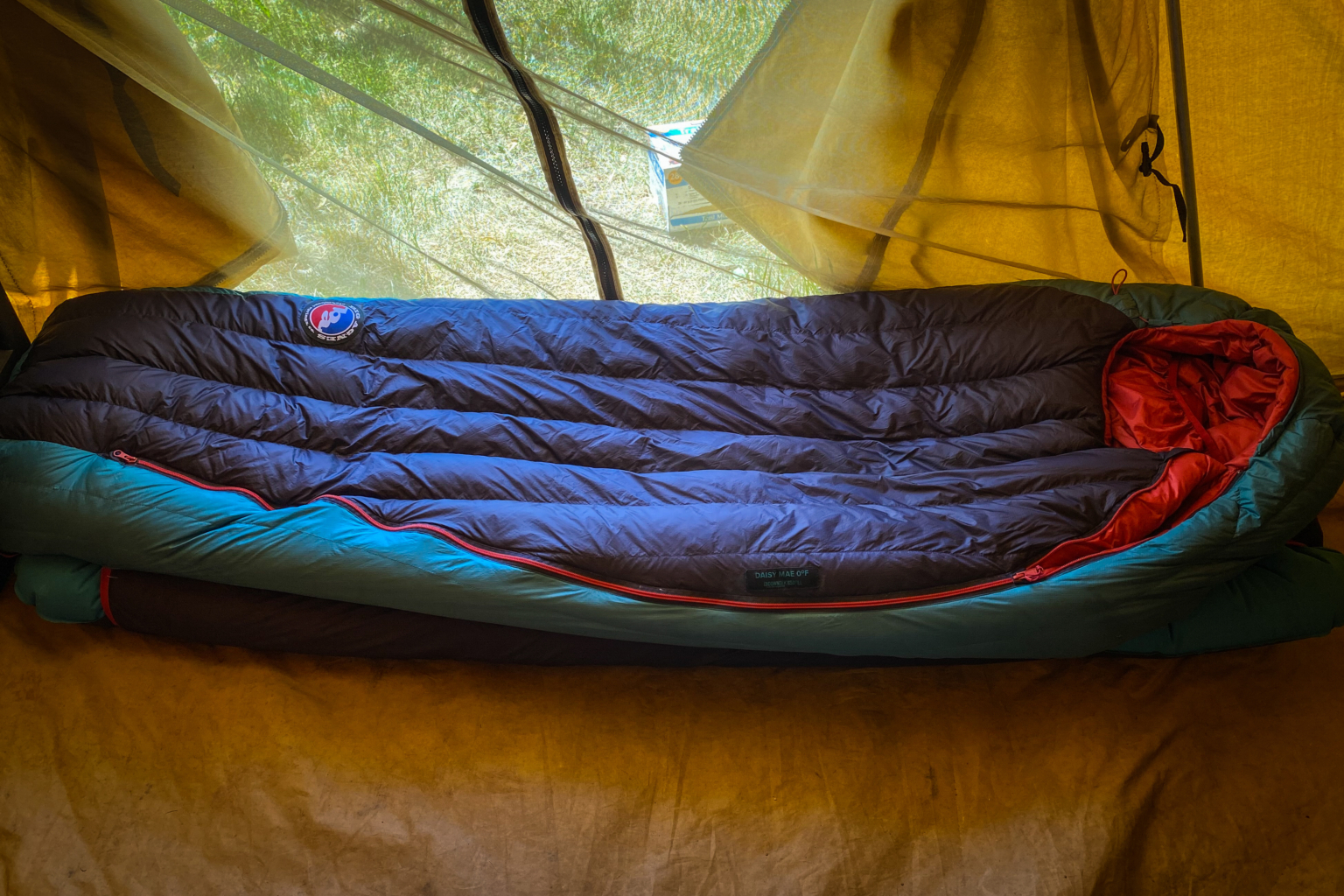
Manufacturers provide specific guidelines. These ensure the safety and longevity of your sleeping bag. Follow them closely for best results.
| Brand | Drying Instructions |
| Brand A | Tumble dry on low |
| Brand B | Air dry only |
| Brand C | Use dryer balls to fluff |
Credit: gearjunkie.com
Preparing Sleeping Bags For Drying
Drying sleeping bags properly helps keep them warm and fluffy. Preparing them well before drying saves time and prevents damage.
Follow simple steps to get your sleeping bag ready for the dryer. This guide explains what you need to do first.
Removing Excess Moisture
Start by removing as much water as you can. Too much water can make drying take longer and may harm the bag’s insulation.
- Use a gentle spin cycle in the washing machine to squeeze out water.
- Press the bag gently with towels to soak up extra moisture.
- Avoid wringing or twisting the sleeping bag to prevent damage.
Checking For Damage
Look over your sleeping bag before drying. Small tears or broken zippers can get worse in the dryer.
| Check Area | What to Look For | Action Needed |
| Fabric | Holes, rips, or thin spots | Repair or patch before drying |
| Zippers | Stuck or broken teeth | Fix or avoid dryer use |
| Seams | Loose stitching | Sew or reinforce seams |
Using Dryer Balls Or Tennis Balls
Adding dryer balls or clean tennis balls helps keep the insulation fluffy during drying. They break up clumps and speed up the process.
- Use 3 to 4 dryer balls or tennis balls.
- Make sure tennis balls are clean and dry.
- Place them inside the dryer with the sleeping bag.
- They bounce around, lifting the filling evenly.
Dryer Settings And Techniques
Drying sleeping bags in a dryer needs care to keep them soft and warm. Using the right dryer settings helps protect the materials inside.
Choosing the best technique can save time and keep your sleeping bag in good shape for many trips.
Low Heat Vs No Heat
Using low heat can help dry the sleeping bag faster but may damage delicate fabrics or insulation over time. No heat is gentler but takes longer to dry.
- Low heat dries faster but watch for overheating
- No heat is safer for down and synthetic fills
- Check the sleeping bag label for heat guidelines
- Use a dryer with a cool air or air fluff cycle if possible
Cycle Duration
Drying a sleeping bag takes time. Short cycles may leave it damp inside. Long cycles risk overheating.
| Cycle Length | Effect |
| 30 minutes | May not dry fully |
| 60 minutes | Usually enough for synthetic bags |
| 90 minutes or more | Needed for thick down bags |
Fluffing Tips
Fluffing keeps insulation from clumping and helps the bag stay warm. Use these tips to fluff your sleeping bag in the dryer.
- Throw in clean tennis balls or dryer balls to break up clumps
- Pause the dryer and shake the bag by hand every 20 minutes
- Use the air fluff or no heat cycle to finish drying without damage
Alternative Drying Methods
Drying a sleeping bag properly keeps it fresh and ready to use. Not all sleeping bags should go in the dryer. Some need gentler drying methods.
Here are some good ways to dry your sleeping bag without using a dryer. These methods help avoid damage and keep the bag fluffy.
Air Drying Outdoors
Air drying outside is a natural way to dry sleeping bags. It uses the sun and fresh air to remove moisture.
Choose a dry, sunny day and hang your sleeping bag on a clothesline or a sturdy branch. Make sure to turn it over after a few hours. This helps it dry evenly and prevents mildew.
Using A Drying Rack
A drying rack works well indoors or in shaded areas. It lets air flow around the sleeping bag to dry it gently.
- Spread the sleeping bag flat on the rack.
- Make sure it is not folded tightly.
- Place the rack near a fan or open window.
- Flip the bag every few hours to dry all sides.
Combining Air And Machine Drying
You can dry your sleeping bag faster by using both air and machine drying. Start by air drying until the bag is mostly dry.
Then, use a dryer on a low heat setting. Add clean tennis balls or dryer balls to help fluff the bag and keep its loft.
| Drying Method | Benefits | Tips |
| Air Drying Outdoors | Natural, no heat damage | Turn bag often, avoid wet weather |
| Using a Drying Rack | Gentle, good for indoor drying | Ensure good air flow, flip regularly |
| Combining Air and Machine Drying | Faster drying, maintains loft | Use low heat, add dryer balls |
Common Mistakes To Avoid
Drying sleeping bags in the dryer can save time, but it requires care. Many people make errors that damage their bags or reduce warmth.
Knowing what to avoid helps keep your sleeping bag soft and insulating for many trips.
Overdrying Risks
Leaving sleeping bags in the dryer too long causes fabric damage. Overdrying can break down insulation and cause clumping.
- Set dryer on low heat to protect material
- Check bag often during drying to prevent overheating
- Remove sleeping bag as soon as it feels dry
- Avoid drying for more than 60 minutes at a time
Ignoring Care Labels
Care labels give important drying instructions. Ignoring them risks damage to fabric and filling. Different bags need different care.
| Care Label Instruction | Meaning |
|---|---|
| Low Heat | Dry on gentle or low heat setting only |
| No Dryer | Air dry only to prevent damage |
| Remove Accessories | Take off any removable parts before drying |
| Do Not Overdry | Stop drying once bag is just dry to touch |
Drying With Zippers Or Accessories
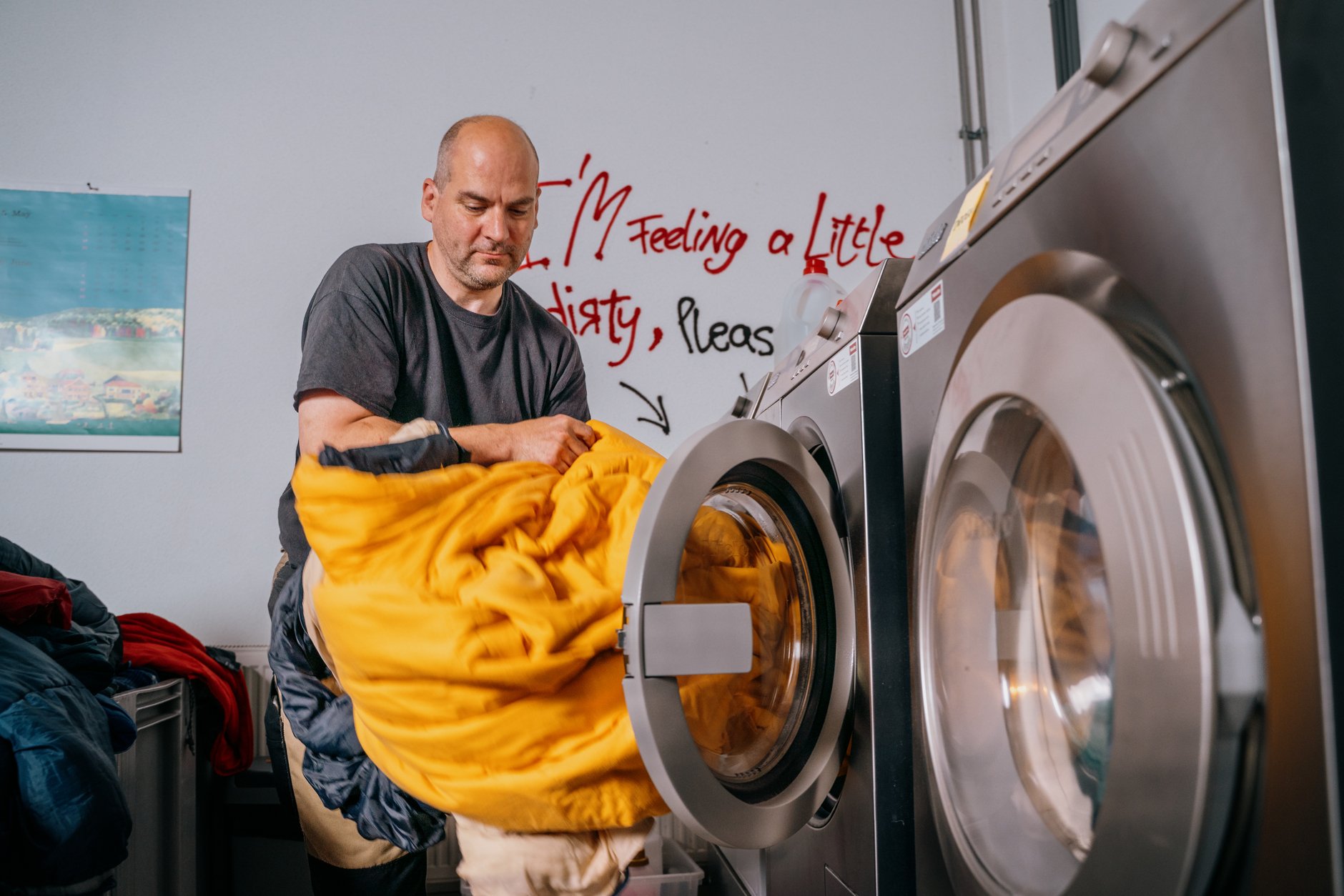
Drying sleeping bags with zippers or loose accessories can cause problems. They may snag fabric or damage the dryer drum.
Tips to avoid damage:
- Close all zippers before placing bag in dryer
- Remove any removable parts like straps or hoods
- Use a dryer bag or pillowcase to protect the sleeping bag
- Check and empty pockets before drying
Credit: sheltersuit.com
Maintaining Sleeping Bag Loft And Warmth
Sleeping bags keep you warm by trapping air in their loft. The loft is the fluffiness that holds heat close to your body. Proper care helps keep this loft full and effective.
Drying and storing your sleeping bag the right way keeps it warm and comfortable for many trips. Avoid actions that crush or damage the insulation.
Fluffing After Drying
After drying, your sleeping bag may feel flat. Fluffing helps restore its loft and warmth. Gently shake and pat the bag to separate the insulation fibers.
- Take the sleeping bag out of the dryer immediately to prevent wrinkles.
- Lay it flat or hang it to air out any damp spots.
- Use your hands to gently shake and fluff the bag.
- Avoid squeezing or pressing the bag hard to keep the loft intact.
Storage Tips
Proper storage keeps the sleeping bag’s insulation safe and ready for use. Avoid compressing the bag for long periods.
| Storage Method | Benefits | Notes |
|---|---|---|
| Loose Hanging | Keeps loft full | Use a wide hanger |
| Large Storage Sack | Protects from dust | Use breathable material |
| Loose Folded | Saves space | Do not compress tightly |
| Compression Sack | Not for long-term | Only use for travel |

Credit: www.gearaid.com
Frequently Asked Questions
Can You Dry Sleeping Bags In A Dryer?
Yes, you can dry sleeping bags in a dryer. Use a low heat setting to avoid damage. Add clean tennis balls to help fluff the insulation and speed drying. Always check the care label for specific drying instructions.
What Dryer Settings Are Best For Sleeping Bags?
Use the lowest heat or air fluff setting for drying sleeping bags. High heat can damage insulation and fabric. A gentle cycle helps maintain the bag’s loft and extends its lifespan.
How Long Does It Take To Dry A Sleeping Bag?
Drying a sleeping bag in a dryer usually takes 1 to 3 hours. Time varies based on bag thickness, insulation type, and dryer efficiency. Check regularly to avoid overheating or damage during the drying process.
Can Dryer Damage Your Sleeping Bag?
Yes, high heat or long drying cycles can damage sleeping bags. It may cause insulation clumping, fabric shrinkage, or weakening of water-resistant coatings. Always follow care instructions to protect your sleeping bag.
Conclusion
Drying sleeping bags in a dryer can be safe with care. Use low heat to avoid damage and keep the bag fluffy. Adding clean tennis balls helps keep the filling spread out. Always check the care label before drying. Avoid high heat to protect the fabric and insulation.
Proper drying helps keep your sleeping bag warm and comfortable. Taking these simple steps makes your gear last longer. Easy to follow, these tips keep your sleeping bag ready for your next trip.