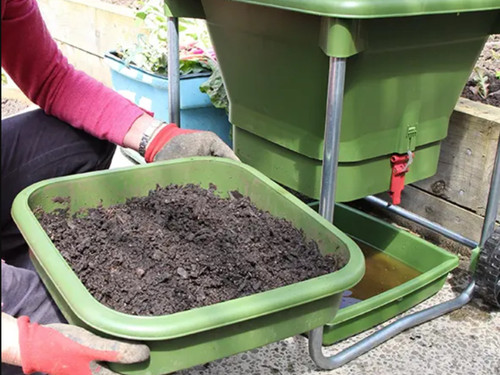
Are you looking for a simple way to turn your kitchen scraps into rich, natural fertilizer? A Can of Worms compost bin might be exactly what you need.
This compact, easy-to-use system lets you recycle food waste right at home while creating nutrient-packed soil for your garden. Curious how it works and why it’s so popular among gardeners and eco-lovers? Keep reading to discover how a Can of Worms compost bin can transform your waste into something valuable—and help you grow healthier plants with less effort.
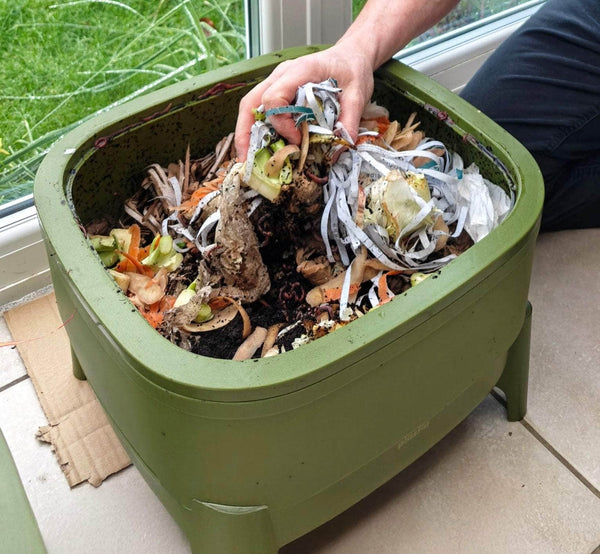
Credit: www.wigglywigglers.co.uk
Benefits Of Worm Composting
Worm composting is an eco-friendly way to recycle food scraps. It turns waste into valuable fertilizer for your garden.
A can of worms compost bin makes composting easy and effective. It provides a home for worms to break down organic waste.
Reducing Household Waste
Worm composting helps reduce the amount of waste sent to landfills. It transforms kitchen scraps into useful compost.
This process cuts down on garbage collection needs. It makes your home more environmentally friendly.
- Less trash to throw away
- Fewer garbage bags needed
- Reduced methane emissions
Producing Nutrient-rich Fertilizer
Worms create a natural fertilizer known as worm castings. This fertilizer is rich in nutrients and improves soil health.
Using worm castings boosts plant growth and resilience. It enhances the quality of your garden soil.
- Improves soil structure
- Increases water retention
- Encourages root development
Supporting Sustainable Gardening
Worm composting is a sustainable choice for gardeners. It reduces the need for chemical fertilizers.
This method fosters a healthy ecosystem in your garden. It supports beneficial microorganisms and insects.
- Natural pest control
- Encourages biodiversity
- Promotes healthy plant growth
Choosing The Right Worm Bin
Using a worm bin helps turn food scraps into nutrient-rich compost. Picking the right bin makes worm composting easier and more effective.
Different bins fit different spaces and needs. Knowing what to look for can save time and keep your worms healthy.
Types Of Worm Bins
There are many worm bin styles. Some are simple trays, while others stack in layers. Choose one that fits your space and worm amount.
- Single-tray bins are easy to use and clean.
- Stackable bins let worms move up as they finish compost.
- Continuous flow bins separate compost automatically.
Material And Size Considerations
Worm bins come in plastic, wood, or metal. Plastic is lightweight and low-cost. Wood looks natural but may rot. Metal can rust and get hot.
Size matters. Small bins fit on counters but hold fewer worms. Larger bins handle more waste but need more space.
- Plastic bins: durable and easy to clean
- Wood bins: breathable but may need maintenance
- Metal bins: sturdy but risk overheating
- Small bins: hold about 1 pound of worms
- Large bins: hold 5 pounds or more of worms
Ventilation And Drainage Features
Good airflow keeps worms healthy and stops bad smells. Look for bins with holes or vents to allow air in and moisture out.
Drainage helps remove excess liquid called worm tea. This liquid is good for plants but too much can drown worms.
- Vent holes keep fresh air flowing
- Drain holes prevent water buildup
- Some bins have trays to catch liquid
- Cover holes with mesh to stop pests
Selecting Worms For Composting
Choosing the right worms is key for a healthy compost bin. Worms help turn food waste into rich soil.
Not all worms work well in composting. Learn which types to pick and how to care for them.
Best Worm Species
Some worms are better at composting than others. The top species thrive in bins and break down waste fast.
- Red Wigglers (Eisenia fetida):Most popular for compost bins. They eat a lot and reproduce quickly.
- European Nightcrawlers (Eisenia hortensis):Larger than red wigglers and good for cooler climates.
- Blue Worms (Perionyx excavatus):Great in warm, moist conditions but less common.
Where To Source Worms
You can find composting worms from many sources. Choose healthy worms to start your bin well.
- Garden centers often sell red wigglers.
- Online worm suppliers provide various species with shipping options.
- Local farms or worm farms may offer fresh worms in bulk.
- Ask friends who compost if they can share some worms.
Worm Care Tips
Worms need good care to keep your compost healthy. Proper food, moisture, and bedding matter.
| Care Item | Tip |
| Food | Feed kitchen scraps like vegetable peels and coffee grounds. |
| Moisture | Keep the bin damp but not wet, like a wrung-out sponge. |
| Bedding | Use shredded paper or leaves for comfort and air flow. |
| Temperature | Keep worms between 55°F and 77°F for best activity. |
Setting Up Your Compost Bin
Setting up your compost bin right helps worms thrive and waste break down fast. It creates a healthy environment for your compost.
Follow simple steps to prepare bedding, add worms and food waste, and choose the best bin spot. This guide will help you get started.
Preparing The Bedding
Bedding gives worms a place to live and helps keep moisture balanced. Use soft, moist materials that worms like to eat and crawl through.
- Shred newspaper or cardboard into small pieces
- Moisten the bedding so it feels like a damp sponge
- Fill the bin about halfway with the moist bedding
- Fluff the bedding to create air pockets
- Avoid using glossy or colored paper
Adding Worms And Food Waste
Start with red wigglers; they are best for compost bins. Add food scraps slowly to avoid smells and pests.
| Worm Type | Amount to Start | Food Waste to Add |
| Red Wigglers | 1 pound (about 1,000 worms) | Vegetable peels, coffee grounds |
| Food Waste | Small handful every 3 days | Fruits, veggies, crushed eggshells |
| Foods to Avoid | Meat, dairy, oily foods | Can cause bad smells and pests |
Optimal Bin Placement
Place your bin where worms stay happy and compost breaks down well. Choose a spot with good conditions.
Ideal Bin Placement Tips:
- Keep bin in a shaded area to avoid heat
- Place bin on soil or grass for drainage
- Protect bin from strong winds and heavy rain
- Easy access for adding waste and harvesting compost
Maintaining The Worm Bin
Taking care of your Can of Worms compost bin keeps it healthy and productive. Regular checks help worms thrive and break down food waste efficiently.
Simple maintenance routines make composting easy and mess-free. Let’s look at key ways to care for your worm bin.
Feeding Schedule And Food Choices
Feed your worms small amounts often. Overfeeding can cause bad smells and pests.
Choose foods worms like and avoid harmful items. Keep a balanced diet for healthy worms.
- Feed every 2-3 days with about one cup of food
- Use fruit and vegetable scraps, coffee grounds, and crushed eggshells
- Avoid citrus, meat, dairy, oily foods, and onions
- Chop food into small pieces to speed up composting
Monitoring Moisture And Temperature
Worms need moist bedding but not soggy. Check moisture weekly by feeling the bedding.
The ideal temperature for worm bins is between 55°F and 77°F. Keep the bin in a stable spot.
- If bedding feels dry, spray with water lightly
- If bedding is too wet, add dry paper or cardboard
- Move the bin indoors or shade it in hot weather
- Keep the bin away from freezing cold areas
Troubleshooting Common Issues
Some problems can happen in worm bins. Watch for signs and fix them quickly.
Good care stops most issues. Here are common problems and what to do.
- Bad smells:Usually from too much food or wet bedding. Remove excess food and add dry bedding.
- Fruit flies:Cover fresh food with bedding and avoid overfeeding.
- Worms escaping:Check for too much heat, dryness, or poor food choices.
- Slow composting:Chop food smaller and feed regularly.
Harvesting Worm Castings
Worm castings are a rich natural fertilizer made by composting worms. Harvesting them helps keep your compost bin healthy and provides valuable nutrients for your garden.
Knowing when and how to collect castings ensures you get the best quality soil amendment. This guide covers the best times to harvest, collection methods, and ways to use castings in your garden.
When To Harvest
Harvest worm castings when the bin’s contents look dark and crumbly. The process usually takes 3 to 6 months. Signs to watch for include a strong earthy smell and fewer visible food scraps.
Do not wait too long. Old castings can become compacted and less beneficial. Regular harvesting keeps worms active and encourages fresh compost production.
Methods For Collecting Castings
You can collect worm castings using different methods. Choose what fits your compost bin and time availability. Below are common ways to gather castings:
- Hand Picking: Remove worms by hand and scoop out the castings.
- Migration Method: Add fresh food on one side; worms move there, letting you collect castings from the other side.
- Sifting: Use a mesh screen to separate worms and large debris from the castings.
Using Castings In Your Garden
Worm castings improve soil structure and provide nutrients. Use them in many ways to help plants grow strong and healthy.
| Use | How To Apply |
| Potting Mix | Mix 1 part castings with 3 parts soil for container plants. |
| Garden Beds | Spread a thin layer on the soil surface and water it in. |
| Seed Starting | Mix castings with seed starting mix to boost germination. |
| Compost Booster | Add castings to new compost piles to speed decomposition. |
Eco-friendly Practices With Worm Composting
Using a Can of Worms compost bin helps reduce waste in an easy way. Worm composting turns food scraps into rich soil naturally.
This process supports the environment by lowering pollution and improving soil health. It is a simple way to live more eco-friendly.
Reducing Carbon Footprint
Worm composting lowers greenhouse gas emissions by keeping food waste out of landfills. Food waste in landfills creates methane, a harmful gas.
By composting at home, you cut down on transportation emissions too. Worm bins help you recycle waste close to where you live.
- Reduces methane from landfills
- Decreases waste transport needs
- Supports lower carbon emissions overall
Minimizing Chemical Use
Worm compost creates natural fertilizer that does not need chemicals. This helps avoid harmful pesticides and fertilizers in your garden.
Using worm castings improves soil health and plant growth without synthetic products. It keeps your plants healthy and safe.
- Replaces chemical fertilizers
- Prevents soil and water pollution
- Supports organic gardening practices
Encouraging Biodiversity
Worm composting helps create healthy soil that supports many living organisms. It encourages beneficial bacteria and insects in the garden.
Healthy soil leads to stronger plants and attracts pollinators. This helps keep the garden ecosystem balanced and diverse.
- Supports beneficial soil microbes
- Attracts pollinators like bees
- Creates a balanced garden ecosystem

Credit: www.youtube.com

Credit: www.amazon.com
Frequently Asked Questions
What Is A Can Of Worms Compost Bin?
A Can of Worms compost bin is a worm composting system. It uses worms to break down food waste into nutrient-rich compost. It’s compact, odor-free, and ideal for indoor use. It speeds up decomposition and produces valuable vermicompost for plants.
How Do Worms Help In Composting Waste?
Worms eat organic waste and convert it into rich compost. Their digestion breaks down food faster than traditional composting. Worm castings improve soil health and fertility. They also aerate the compost, speeding up the process naturally and efficiently.
What Materials Can I Put In A Can Of Worms Bin?
You can add fruit scraps, vegetable peels, coffee grounds, and eggshells. Avoid meat, dairy, oily foods, and citrus. Use shredded paper or cardboard as bedding. Proper materials keep worms healthy and prevent odors or pests.
How Often Should I Feed Worms In The Compost Bin?
Feed worms small amounts every few days. Avoid overfeeding to prevent odor and pests. Worms eat about half their weight daily. Monitor the bin and adjust feeding based on worm activity and waste breakdown.
Conclusion
A Can of Worms compost bin makes composting simple and neat. It fits well in small spaces and works fast. Worms break down food scraps into rich soil easily. This bin helps reduce waste and grow healthy plants. Anyone can start composting with little effort.
Try it and see how your garden benefits. Composting feels good and helps the planet. A small bin, big help.