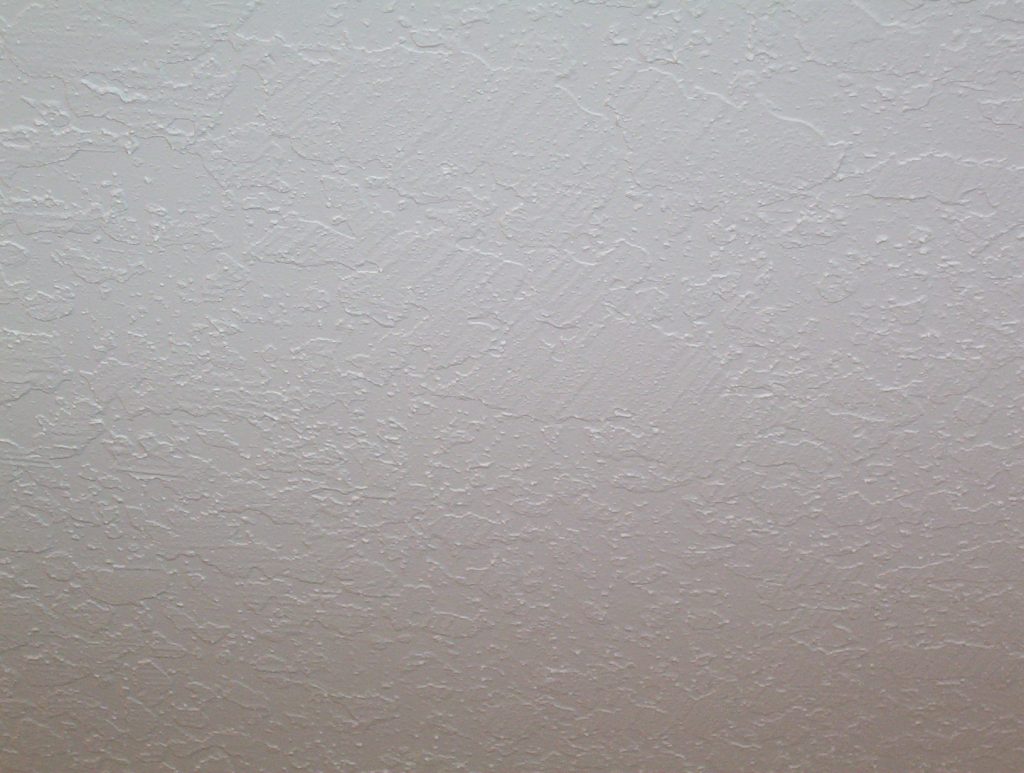
Have you ever faced the challenge of applying a skip trowel finish and wondered how to get it just right? Whether you’re a DIY enthusiast or tackling a home improvement project, mastering the skip trowel technique can transform your walls with a unique, textured look.
You’ll discover simple, step-by-step tips to skip trowel like a pro—saving you time, frustration, and costly mistakes. Ready to add that perfect touch to your walls? Keep reading, because your next project is about to get a whole lot easier.
What Is Skipping A Trowel
Skipping a trowel is a technique used in drywall finishing. It creates a textured surface on walls or ceilings.
This method involves applying joint compound with a trowel. The trowel is moved in a skipping motion, leaving behind a pattern.
Materials Needed
Gathering the right materials is essential. You need a trowel, joint compound, and a mixing tool.
- Trowel for applying the compound
- Joint compound for texture
- Mixing tool to prepare the compound
Preparing The Surface
The surface must be clean and dry. Repair any holes or cracks before starting.
Ensure the area is free of dust and debris. This helps the compound adhere properly.
Applying The Joint Compound
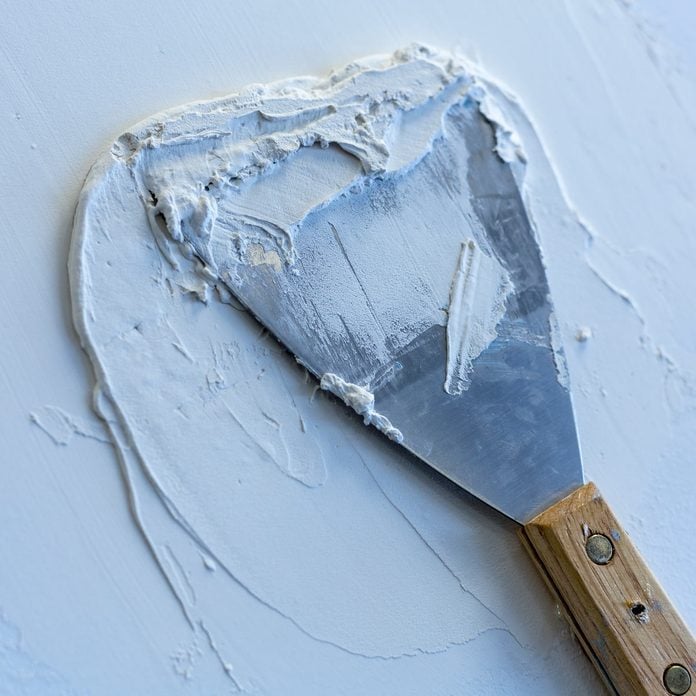
Use the trowel to apply the compound. Hold it at a slight angle to the wall.
Move the trowel in a random, skipping motion. This creates the desired texture pattern.
Drying And Finishing
Allow the compound to dry completely. This usually takes several hours.
Once dry, you can paint the surface. Choose a color that matches your decor.

Credit: www.youtube.com
Reasons To Skip A Trowel
Skipping a trowel is a choice some workers make during construction or repairs. It can save time and effort in certain jobs.
Knowing why to skip a trowel helps decide the best method for your project. This guide explains common reasons to avoid using one.
Speeding Up The Process
Using a trowel takes extra time to spread and smooth materials. Skipping it can make work faster, especially on large areas.
When Surface Texture Is Not Important
Some projects do not need a perfectly smooth surface. In these cases, skipping the trowel keeps the natural texture of the material.
Cost Savings On Tools And Labor
Not using a trowel can reduce costs. It lowers tool expenses and may cut down labor hours, saving money on small or simple jobs.
Better For Rough Or Uneven Surfaces
Troweling is less effective on rough or uneven surfaces. Skipping it allows materials to fill gaps naturally without forcing a smooth finish.
- Uneven walls or floors
- Old concrete with cracks
- Wood surfaces with knots
When Using Quick-drying Materials
Some materials dry fast, making troweling difficult. Skipping the trowel avoids damaging the material before it sets.
| Material Type | Drying Time | Reason to Skip Trowel |
|---|---|---|
| Fast-set Concrete | 10-20 minutes | Hard to smooth before hardening |
| Quick-dry Mortar | 30 minutes | May crack if troweled too late |
| Self-leveling Compound | Varies | Flows evenly without trowel |
Tools Needed For Skipping A Trowel
Skipping a trowel is a handy skill for many masonry and plastering tasks. Using the right tools makes the job easier and cleaner.
This guide will list the essential tools you need to skip a trowel efficiently. Knowing each tool’s purpose helps you work better.
Bucket For Mixing
A sturdy bucket holds your mortar or plaster mix. Choose one that is strong and easy to carry.
Hawk Board
The hawk board is a flat surface to hold plaster. It helps you carry and apply the material smoothly.
Trowel Alternatives
When skipping a trowel, you need tools to replace its functions. These include spreaders or floats that help you apply and smooth plaster.
- Putty knife for small patches
- Margin trowel for tight spaces
- Plastic or metal float for smoothing
- Scraper to remove excess material
Protective Gear
Safety is important. Use gloves to protect your hands from harsh materials. Wear safety glasses to shield your eyes.
| Tool | Purpose |
| Bucket | Mix and carry plaster |
| Hawk Board | Hold plaster while working |
| Putty Knife | Apply plaster in small areas |
| Margin Trowel | Work in corners and edges |
| Float | Smooth the plaster surface |
| Scraper | Remove extra plaster |
| Gloves | Protect hands |
| Safety Glasses | Protect eyes |
Step-by-step Skipping Technique
Skipping the trowel creates a unique texture on plaster or cement walls. It adds depth and style to plain surfaces. This guide shows how to skip the trowel in easy steps.
Follow each step carefully for the best skipping effect. You need the right tools and material to start.
Preparing The Surface
Make sure the wall is clean and dry before you start. Remove old paint, dirt, and loose parts. Repair any cracks or holes with filler.
Sanding the surface helps the material stick better. Wipe off dust after sanding.
Mixing The Material
Use a plaster or cement mix suitable for skipping. Follow the package instructions for water ratio. Mix well to get a smooth, thick paste.
- Use clean water to avoid impurities
- Mix until no lumps remain
- Check consistency; it should hold on the trowel
Applying The First Coat
Apply a thin, even first coat with a flat trowel. This layer acts as a base. Let it set until firm but not fully dry.
Check the surface for smoothness. Fix any bumps before the next coat.
Skipping The Trowel Effect
Load the trowel with plaster but do not smooth it out. Instead, skip or flick the trowel lightly over the surface. This creates small raised patches.
Move your wrist in a quick, skipping motion. Keep the trowel at a slight angle. Practice on a sample board first to control the effect.
- Use a stainless steel trowel for better texture
- Work in small sections to keep material fresh
- Adjust pressure to change patch size
Drying And Curing Tips
Let the surface dry slowly to avoid cracks. Keep the area shaded if possible. Avoid direct sun or wind during drying.
Spray water lightly if the material dries too fast. Full curing may take several days. Avoid touching or painting until fully dry.
Common Mistakes To Avoid
Skipping trowel work can save time, but it requires care. Avoiding mistakes helps keep your project strong and neat.
Many beginners make simple errors that cause cracks or weak surfaces. Learn what to watch for before you start.
Ignoring Surface Preparation
Not cleaning or wetting the surface leads to poor adhesion. Dirt and dust stop the new layer from sticking well.
Using The Wrong Mix
A mix that is too dry or too wet will not spread smoothly. This causes uneven surfaces and weak spots in the finish.
Applying Too Thick Or Too Thin Layers
Too thick layers can crack as they dry. Too thin layers may not cover the surface properly or protect it well.
- Keep layer thickness between 5 and 10 mm.
- Apply in multiple thin coats if needed.
- Check thickness with a straight edge or ruler.
Not Timing The Drying Correctly
Skipping or rushing drying can cause cracks or peeling. Wait until the first layer sets before adding the next.
Failing To Use Proper Tools
Using the wrong trowel affects the finish quality. Choose the correct size and type for your project.
| Trowel Type | Use |
|---|---|
| Notched Trowel | Applying adhesive evenly |
| Flat Trowel | Smoothing surfaces |
| Pointed Trowel | Detail work in corners |
Enhancing The Finish
Skipping the trowel can improve the look of your plaster or stucco finish. It gives a unique texture and style to walls.
Using the right additives and choosing colors and textures helps create a better final result.
Using Additives
Additives change the mix to improve workability and finish quality. They can make the plaster easier to skip with a trowel.
Some additives help the plaster dry slower. This gives more time to create a smooth, even finish.
- Plasticizers increase flexibility and reduce cracking
- Retarders slow drying for better texture control
- Bonding agents improve adhesion to surfaces
Color And Texture Options
Color choices can brighten or soften the final appearance of your skip trowel finish. Pigments mix into the plaster before application.
Texture varies from rough to smooth. You can control it by adjusting the plaster thickness and trowel technique.
- Light colors highlight texture shadows
- Dark colors hide small imperfections
- Fine skip trowel creates subtle texture
- Heavy skip trowel gives bold, rough look
Maintenance And Longevity
Skipping trowel work needs care to last long. Proper maintenance keeps surfaces strong and clean.
Good habits help avoid damage and costly repairs. Small efforts extend the life of skip trowel finishes.
Regular Cleaning
Clean skip trowel surfaces often to stop dirt buildup. Use soft brushes or cloths to avoid scratches.
Avoid harsh chemicals that can wear down the texture. Mild soap and water work best for cleaning.
- Use a soft brush or cloth
- Wash with mild soap and water
- Rinse well and dry the surface
- Do not use abrasive cleaners
Fixing Small Damages
Repair cracks or chips quickly to stop them from growing. Use patching compounds made for skip trowel.
Apply the patch gently and match the texture to keep a smooth look. Let it dry fully before touching.
- Fill cracks with skip trowel patch
- Match texture carefully
- Allow patches to dry completely
- Sand lightly if needed for smoothness
Sealing The Surface
Apply a sealant to protect skip trowel from water and stains. Sealants keep the finish looking fresh.
Reapply sealant every few years or as recommended. This adds a strong protective layer to the surface.
- Choose a sealant made for textured surfaces
- Clean surface before sealing
- Apply sealant evenly with a brush or roller
- Follow product instructions for drying time
Avoiding Heavy Impact
Skip trowel surfaces can crack from hard impacts. Avoid dropping heavy items on the finish.
Place furniture and equipment gently to keep the surface safe. Use pads under heavy objects if possible.
- Do not drop heavy tools or objects
- Lift furniture instead of dragging
- Use protective pads under heavy items
- Inspect regularly for impact damage

Credit: www.youtube.com
Credit: www.familyhandyman.com
Frequently Asked Questions
What Does It Mean To Skip A Trowel In Plastering?
Skipping a trowel means applying plaster without smoothing with a trowel. It creates a textured, rustic finish. This method saves time and adds decorative appeal. It is often used for artistic or rough wall effects.
When Should You Skip The Trowel During Plastering?
Skip the trowel when you want a textured, rough finish. It’s ideal for rustic or artistic wall designs. Avoid skipping for smooth, polished surfaces. This technique suits decorative projects or when speed is important.
Can Skipping Trowel Affect Plaster Durability?
Skipping the trowel may reduce plaster smoothness but doesn’t harm durability. Proper application and drying ensure strong plaster. The texture might trap dust but won’t weaken the wall. Use good quality plaster for best results.
How Do You Prepare The Surface Before Skipping A Trowel?
Clean the surface thoroughly and apply a bonding agent if needed. Ensure the wall is dry and free of dust. Roughen smooth surfaces for better plaster adhesion. Proper prep helps the plaster stick well without troweling.
Conclusion
Skipping trowel work can save time and effort on projects. Focus on preparation and use the right tools for best results. Practice smooth, even strokes to avoid marks and rough spots. Keep your surface clean and dry before starting. Small steps make a big difference in quality.
With patience, you can achieve a neat finish without troweling. Try these tips on your next project and see how easier it feels. Simple changes help you work smarter, not harder.