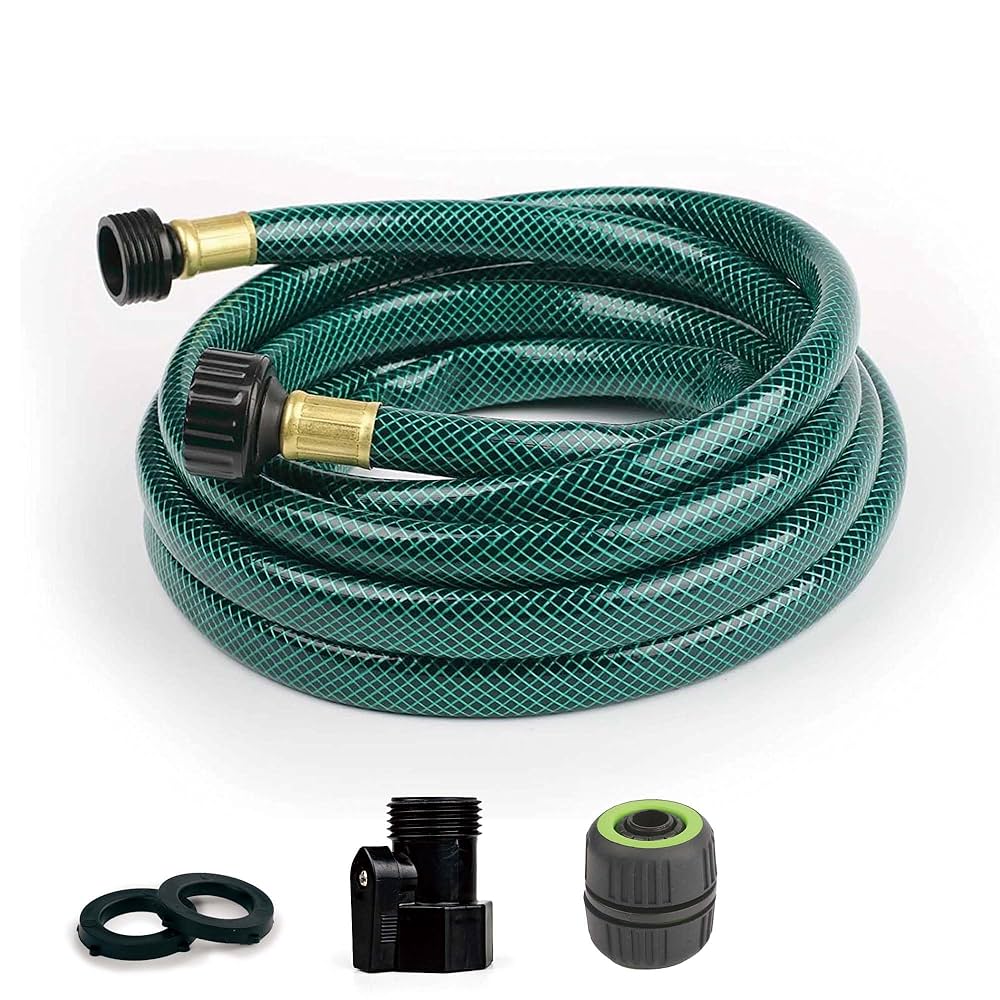
Are you struggling to choose the right garden hose for your outdoor needs? Knowing the normal size of a garden hose can save you time, money, and frustration.
Whether you’re watering plants, washing your car, or cleaning your patio, the right hose size makes all the difference. You’ll discover exactly what size a standard garden hose is and how to pick the one that fits your tasks perfectly.
Keep reading to make your garden work easier and more efficient!

Credit: www.nytimes.com
Common Hose Sizes
Garden hoses come in different sizes. Picking the right one is important for your garden needs.
Knowing the common sizes helps you make a smart choice. Let’s explore the options available.
Standard Diameter Options
The diameter of a hose affects water flow. Common diameters are 1/2 inch, 5/8 inch, and 3/4 inch.
Each size has its benefits. Smaller diameters are lighter, while larger ones allow more water through.
- 1/2 inch: Best for light watering tasks
- 5/8 inch: Most common, good for general use
- 3/4 inch: Ideal for high water flow needs
Length Variations
Garden hoses also vary in length. Typical lengths include 25, 50, 75, and 100 feet.
Consider the size of your garden. Longer hoses cover more ground but may be heavier.
- 25 feet: Good for small gardens or patios
- 50 feet: Common choice for average yards
- 75 feet: Suitable for larger areas
- 100 feet: Best for very large gardens
Choosing The Right Size
Think about your water source and garden size. Choose a hose that reaches all areas easily.
Consider weight and storage. A hose reel can help manage longer hoses.
- Match hose length to garden size
- Consider diameter for water flow needs
- Use a reel for easy storage

Credit: www.amazon.com
Factors Affecting Hose Size
Choosing the right garden hose size depends on several factors. The size affects how water flows and how easy the hose is to use.
Knowing these factors helps you pick a hose that fits your needs and works well with your water supply.
Water Pressure And Flow Rate
Water pressure is how hard water pushes through the hose. Flow rate is how much water moves per minute. Both affect hose size choice.
Higher water pressure and flow need bigger hose diameters. Smaller hoses limit water flow and reduce pressure at the end.
- Low pressure needs smaller diameter hoses to keep flow steady
- High pressure works well with larger diameter hoses for more water
- Flow rate affects how fast you can water plants or wash cars
Intended Use And Application
The size of your garden hose depends on what you plan to do with it. Different tasks need different hose sizes.
For light watering, a smaller hose works fine. For washing cars or filling pools, a bigger hose is better.
- Small hoses are easier for light gardening and flower beds
- Larger hoses are good for heavy watering and filling large containers
- Long hoses may need bigger diameters to keep water flowing well
Storage And Handling
Hose size affects how easy it is to store and carry. Bigger hoses are heavier and harder to coil.
Smaller hoses are lighter and easier to manage. Think about where you will keep your hose and how often you use it.
- Small diameter hoses are lighter and easier to move
- Large hoses need more space for storage
- Consider hose material and flexibility with size
How Size Impacts Performance
The size of a garden hose affects how well it works. A normal garden hose size helps water flow properly.
Choosing the right size can make watering easier and protect your hose from damage.
Water Flow Efficiency
The diameter of a garden hose changes the water flow speed and pressure. Larger hoses let more water pass through.
- Smaller diameter hoses have lower water flow.
- Wider hoses deliver more water faster.
- Longer hoses may lose pressure over distance.
Durability And Flexibility
Hose size also affects how strong and bendable it is. Thicker hoses tend to last longer but may be harder to move.
| Hose Size | Durability | Flexibility |
| 1/2 inch | Low | High |
| 5/8 inch | Medium | Medium |
| 3/4 inch | High | Low |
Compatibility With Attachments
Different hose sizes fit different attachments. Using the right size keeps connections tight and stops leaks.
- Check the diameter of your hose before buying attachments.
- Most garden hoses use 5/8 inch fittings.
- Adapters can help fit different sizes together.
Measuring Your Garden Hose
Knowing the size of your garden hose helps you choose the right one for your needs. You can measure the hose diameter, length, and fittings to find the correct size.
Measuring is simple and takes just a few minutes. It ensures your hose fits your equipment well and works efficiently.
Determining Diameter
The diameter of a garden hose is the width of the inside of the hose. It is usually measured in inches. Common sizes are 1/2 inch, 5/8 inch, and 3/4 inch.
- Use a ruler or caliper to measure the inside width.
- Measure across the hose opening, not the outside.
- Check the product label if available for exact diameter.
Measuring Length
Length is the total distance from one end of the hose to the other. Measure it to know how far you can reach with your hose.
| Tool | How to Use |
| Measuring tape | Lay the hose straight and measure from end to end |
| Marked hose | Look for length marks printed on the hose |
| String and ruler | Stretch a string along the hose, then measure the string |
Checking Fittings
Fittings connect the hose to faucets or sprinklers. Knowing their size and type is important for compatibility.
- Look at the ends of your hose to identify the fitting type.
- Common fittings include threaded and quick-connect types.
- Measure the outside diameter of the fitting with a ruler.
- Check the threading size if you need a replacement or adapter.
Tips For Selecting The Best Hose
Choosing the right garden hose size helps you water plants easily. The right hose saves time and effort.
Consider what tasks you need the hose for and how often you will use it.
Matching Size To Tasks
Garden hoses come in different diameters, usually 1/2 inch, 5/8 inch, and 3/4 inch. Each size fits different needs.
- 1/2 inch is good for light watering and small plants.
- 5/8 inch is the most common size for general gardening.
- 3/4 inch works best for large gardens or heavy water flow.
Balancing Quality And Cost
Hose quality affects how long it lasts and how easy it is to use. Look for hoses with strong materials and good flexibility.
| Feature | Low Cost Hose | High Quality Hose |
| Material | Thin plastic | Reinforced rubber or vinyl |
| Durability | Shorter lifespan | Lasts several years |
| Flexibility | Less flexible | Easy to move and coil |
| Price | Low | Higher |
Maintaining Your Hose
Taking care of your hose keeps it working well for a long time. Store it properly and check for leaks often.
- Drain water after use to prevent damage.
- Keep hose out of direct sunlight when not in use.
- Check and fix leaks quickly to save water.
- Store hose on a reel or hanger to avoid kinks.

Credit: www.amazon.ca
Frequently Asked Questions
What Is The Standard Diameter Of A Garden Hose?
The standard garden hose diameter is typically 5/8 inches. This size balances water flow and ease of use. It suits most residential watering needs effectively.
How Long Is A Normal Garden Hose Usually?
A normal garden hose length ranges from 25 to 50 feet. This length is convenient for most garden areas and easy to store.
What Are Common Garden Hose Diameters Available?
Common diameters include 1/2 inch, 5/8 inch, and 3/4 inch. Each size serves different water pressure and flow requirements.
Why Choose A 5/8 Inch Garden Hose?
A 5/8 inch hose delivers optimal water flow for everyday tasks. It is flexible, durable, and fits most standard hose fittings.
Conclusion
Choosing the right garden hose size makes watering easy and efficient. Most homes use a 5/8-inch hose for good water flow. Smaller hoses suit light tasks, while bigger ones handle heavy jobs. Knowing hose sizes helps avoid leaks and saves time.
Pick a hose that fits your garden’s needs and your water source. This way, your plants get just the right amount of water. Simple steps lead to a healthier, greener garden. Keep these tips in mind for your next garden hose purchase.