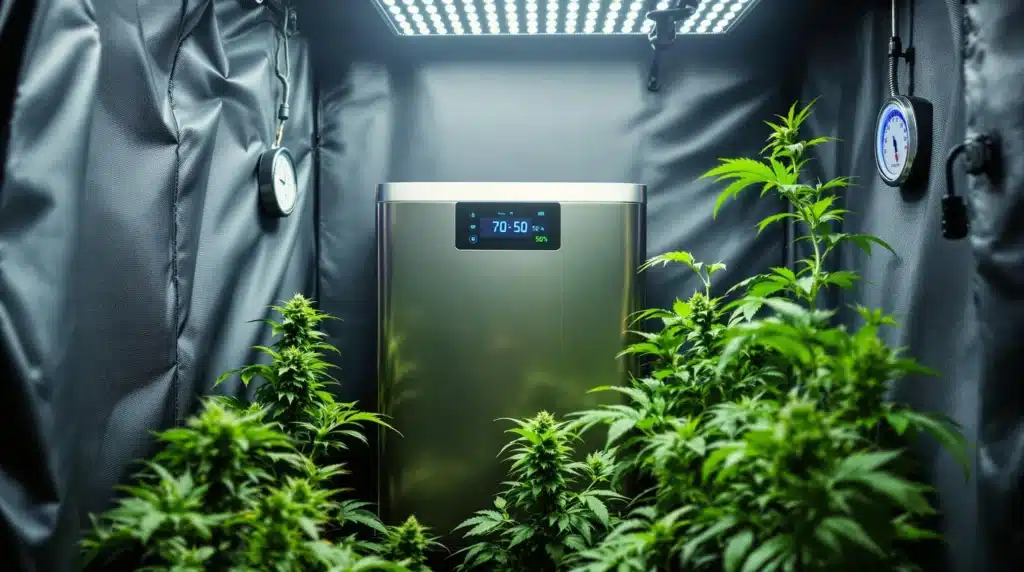
Are you struggling with high humidity inside your grow tent? Too much moisture can harm your plants, cause mold, and slow down growth.
But don’t worry—lowering humidity is easier than you think. You’ll discover simple, effective ways to keep the air dry and your plants healthy. Keep reading to learn how to create the perfect environment for your grow tent and boost your garden’s success.
Causes Of High Humidity In Grow Tents
High humidity in grow tents can harm your plants. It can lead to mold and poor plant growth. Understanding the causes helps in managing it better.
Several factors contribute to increased humidity levels in grow tents. Let’s look at each factor in detail.
Plant Transpiration Effects
Plants release water vapor into the air through transpiration. This process increases humidity inside the grow tent. More plants mean more transpiration and higher humidity.
- Large number of plants intensifies transpiration.
- Thick foliage traps moisture, raising humidity.
- High temperatures speed up transpiration rates.
Watering Practices
Overwatering is a common cause of high humidity. Excess water in the soil evaporates, adding moisture to the air. Proper watering can help manage humidity levels.
- Check soil moisture before watering.
- Use pots with drainage holes.
- Water plants during cooler times of the day.
Ventilation Issues
Poor ventilation traps humid air inside the grow tent. Fresh air circulation is essential to reduce humidity. Ensure your ventilation system is effective.
- Install fans to enhance airflow.
- Use exhaust systems to remove humid air.
- Ensure intake vents are not blocked.

Credit: www.reddit.com
Ideal Humidity Levels For Different Plants
Humidity control is important for plants grown in grow tents. Different plants need different humidity levels to grow well.
Keeping the right humidity helps prevent mold and disease. It also supports healthy growth at each stage of the plant’s life.
Seedlings And Clones
Seedlings and clones need high humidity to stay healthy. Their small leaves lose water quickly without enough moisture in the air.
Keep humidity between 65% and 80% for strong roots and fast growth. Use a humidity dome or mist often to keep air moist.
- Humidity range: 65% to 80%
- Helps prevent drying out
- Supports root development
Vegetative Stage
During the vegetative stage, plants need moderate humidity. This helps leaves grow strong and healthy.
Keep humidity between 40% and 70%. Lower humidity stops mold and encourages faster growth.
- Humidity range: 40% to 70%
- Supports leaf and stem growth
- Reduces risk of mold
Flowering Stage
In the flowering stage, lower humidity is best. High humidity can cause bud rot and mold on flowers.
Keep humidity between 40% and 50% to protect flowers and improve quality. Use a dehumidifier if needed.
- Humidity range: 40% to 50%
- Prevents bud rot
- Improves flower quality
Ventilation Solutions
High humidity in a grow tent can harm your plants. Good ventilation helps lower moisture levels. It keeps air fresh and plants healthy.
Using the right ventilation tools can control humidity better. Fans and air management improve airflow inside the tent.
Using Exhaust Fans
Exhaust fans pull humid air out of the grow tent. This stops moisture from building up inside. It also brings in fresh air from outside.
Choose an exhaust fan that fits your tent size. Place it near the top because warm air rises. This removes the most humid air efficiently.
- Removes moist air quickly
- Keeps temperature stable
- Prevents mold and mildew growth
Intake Air Management
Fresh air enters the tent through intake vents or fans. Managing this air helps control humidity and oxygen levels. Use passive or active intake systems.
Passive intake uses open vents without fans. Active intake uses fans to pull air in. Both should work with the exhaust fan for good airflow.
- Place intake near the bottom of the tent
- Keep vents clean and unblocked
- Match intake size to exhaust fan power
Oscillating Fans Benefits
Oscillating fans move air around inside the grow tent. They stop air from becoming still and moist. This helps lower humidity evenly.
These fans also strengthen plant stems by simulating wind. Proper air circulation reduces hot spots and moisture pockets.
- Improves air movement near plants
- Reduces mold risk by drying leaves
- Promotes even temperature and humidity
Dehumidification Techniques
High humidity can harm plants in a grow tent. It causes mold and slows growth.
Using dehumidification techniques helps keep humidity at safe levels. This protects plants and keeps the environment healthy.
Choosing The Right Dehumidifier
Select a dehumidifier based on your tent size and humidity level. Small tents need less powerful units.
Look for energy-efficient models that run quietly. Check the water tank size for easy maintenance.
- Match dehumidifier capacity to tent volume
- Choose energy-efficient and quiet models
- Consider water tank size and drainage options
Placement Tips
Place the dehumidifier near the air intake or exhaust for best airflow. Avoid blocking plant light.
Keep it off the ground using a small stand. This prevents dust and dirt from entering the machine.
- Position near air intake or exhaust vents
- Do not block plant lights or airflow
- Elevate to avoid dust and dirt
Maintenance And Efficiency
Clean the dehumidifier filter regularly to keep it working well. Empty the water tank daily or use a drain hose.
Check for leaks or blockages in the unit. Proper care helps the dehumidifier last longer and save energy.
- Clean or replace filters often
- Empty water tanks or connect a drain hose
- Inspect for leaks or blockages regularly
Watering And Soil Management
Managing water and soil in your grow tent helps control humidity. Proper watering and soil care keep plants healthy and reduce moisture.
Too much water can raise humidity, causing mold and pests. Good soil management improves air flow and water use.
Avoid Overwatering
Overwatering adds extra moisture to the air inside the grow tent. Plants do not need water every day, even if soil looks dry on top.
Check soil moisture before watering. Give only enough water to wet the roots. Let the soil dry a little between waterings.
- Water plants early in the day to let soil dry by night
- Use pots with drainage holes to prevent water buildup
- Watch plant leaves for signs of too much water
Soil Drainage Improvement
Good soil drainage stops water from sitting around plant roots. Wet soil raises humidity and can harm plants.
Add materials like perlite or sand to soil. These help water flow through soil better and allow air to reach roots.
- Use light, well-draining soil mixes
- Mix in perlite, vermiculite, or coarse sand
- Check that pots have enough drainage holes
Using Moisture Meters
Moisture meters measure how wet the soil is below the surface. They help avoid overwatering and reduce humidity.
Insert the meter into the soil to check moisture levels. Water plants only if the meter shows dry or low moisture.
- Use a reliable moisture meter for accurate readings
- Check soil moisture before every watering
- Keep records of moisture levels to improve watering habits
Temperature Control And Its Role
Controlling temperature is key to managing humidity inside a grow tent. Warm air holds more moisture than cool air. This means temperature changes affect humidity levels directly.
By adjusting temperature, you can lower humidity and create a better environment for your plants. Here are ways temperature control helps reduce humidity in your grow tent.
Heat And Humidity Relationship
Heat increases the air’s ability to hold water vapor. When temperature rises, humidity can go up if moisture is present. Lowering temperature can reduce how much moisture the air holds.
- High heat raises humidity levels if moisture is available
- Cooler temperatures reduce air moisture capacity
- Stable temperature helps keep humidity steady
- Fluctuating temperature causes humidity swings
Using Air Conditioners
Air conditioners cool the air and remove moisture at the same time. This lowers both temperature and humidity inside the grow tent. They work well in hot climates or during summer months.
| Type | Function | Effect on Grow Tent |
| Portable AC | Cools air and removes moisture | Lowers temperature and humidity |
| Window AC | Fixed cooling with moisture removal | Stable temp and humidity control |
| Split AC | Quiet, efficient cooling | Consistent environment control |
Timing Light Cycles
Plants release moisture when lights are on. Timing the light cycles affects temperature and humidity. Adjusting light periods helps manage heat and moisture levels.
- Turn lights off during hottest parts of the day
- Use cooler light periods to reduce heat build-up
- Match light cycles to plant needs and humidity control
- Shorten light duration if humidity stays high
Humidity Monitoring Tools
Controlling humidity in your grow tent is important for healthy plants. Using proper tools helps you keep the right moisture level. This guide covers key tools for monitoring humidity.
Good humidity control can prevent mold and improve plant growth. Learn about selecting a hygrometer, regular checks, and logging data for better results.
Hygrometer Selection
Choose a hygrometer that fits your grow tent size and budget. Digital models show exact humidity percentages. Analog ones are simple but less precise.
- Digital hygrometers offer better accuracy and easy reading.
- Look for models with temperature display for extra info.
- Consider wireless sensors for remote monitoring.
- Check for calibration options to keep measurements correct.
Regular Monitoring Habits
Check humidity levels at least twice a day. Morning and evening readings show how conditions change. Adjust your tent’s ventilation or humidifier accordingly.
- Read your hygrometer at set times daily.
- Note sudden spikes or drops in humidity.
- Make small adjustments to fans or water sources.
- Keep the environment stable for best plant health.
Data Logging Benefits
Recording humidity data helps you spot patterns and problems early. You can track changes over days or weeks. This leads to better control and healthier plants.
| Benefit | Explanation |
|---|---|
| Identify trends | See how humidity changes with time and weather. |
| Improve adjustments | Make smarter changes based on past data. |
| Prevent issues | Catch high or low humidity before damage occurs. |
| Optimize growth | Keep conditions ideal for your plants consistently. |

Credit: www.reddit.com
Natural Methods To Reduce Humidity
High humidity in a grow tent can harm plants. It causes mold and slows growth. Using natural ways to lower humidity helps keep plants healthy.
These simple methods use everyday materials and smart plant care. They reduce moisture without machines or chemicals.
Charcoal And Silica Gel
Charcoal and silica gel absorb moisture from the air. They keep the grow tent dry naturally. You can place small bags of these near your plants.
Charcoal also helps remove odors and toxins. Silica gel beads change color when full, so you know when to replace them.
- Use activated charcoal in breathable bags.
- Place silica gel packets where air flows.
- Replace silica gel when beads lose color.
- Avoid direct contact with plants to prevent damage.
Desiccant Packs
Desiccant packs are small packets filled with drying agents. They absorb excess moisture from the air in the tent. They are easy to use and replace.
These packs work best in small tents or corners. Use several packs for larger spaces. Check packs regularly and replace them when wet.
- Place packs in shaded spots inside the tent.
- Use enough packs based on tent size.
- Replace packs after they absorb moisture fully.
Plant Spacing Adjustments
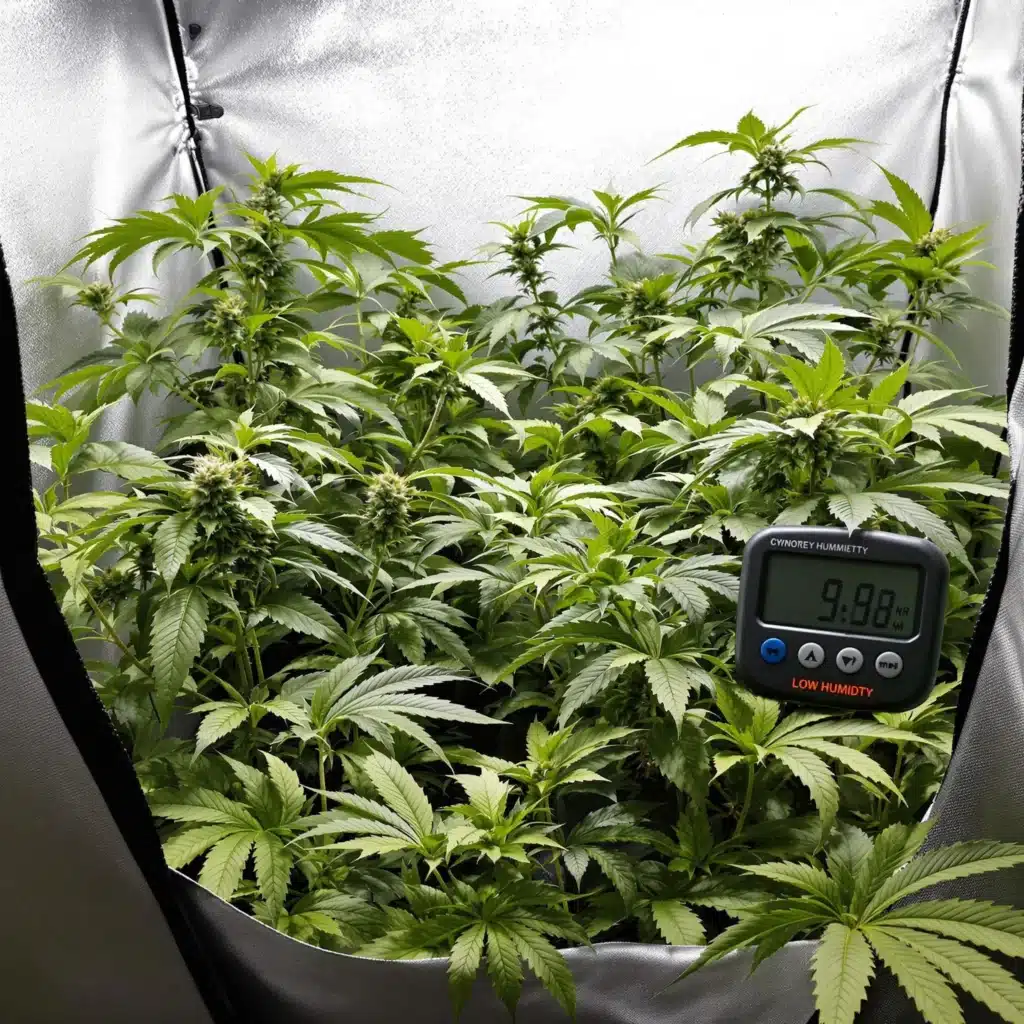
Plants close together increase humidity by trapping moisture. Spacing plants properly allows air to flow. Good airflow lowers humidity naturally.
Move plants to create gaps between them. Use shelves or supports to raise plants. This helps air reach all parts of the tent.
- Keep at least 6 inches between plants.
- Arrange plants to avoid crowded spots.
- Use vertical space with shelves or hangers.
- Check airflow regularly and adjust spacing.
Credit: blimburnseeds.com
Frequently Asked Questions
How Can I Reduce Humidity In My Grow Tent?
Use a dehumidifier to control moisture levels. Increase ventilation with fans or vents. Avoid overwatering plants to prevent excess humidity buildup.
What Is The Ideal Humidity Level For Grow Tents?
Maintain humidity between 40-60% depending on plant growth stage. Seedlings prefer higher humidity, while flowering plants need lower levels.
Does Ventilation Help Lower Humidity In Grow Tents?
Yes, proper airflow removes moist air and brings in dry air. Use exhaust fans and intake vents for better air exchange.
Can Overwatering Increase Humidity Inside A Grow Tent?
Yes, excess watering raises moisture levels. Water plants only when needed and ensure good drainage to avoid humidity spikes.
Conclusion
Controlling humidity in your grow tent keeps plants healthy and strong. Use fans and vents to move air and reduce moisture. A dehumidifier helps remove extra water from the air. Check humidity levels daily to avoid problems. Proper watering also stops too much humidity.
Small steps make a big difference in your garden. Stay patient and adjust as needed for best results. Your plants will thank you with better growth and yields.