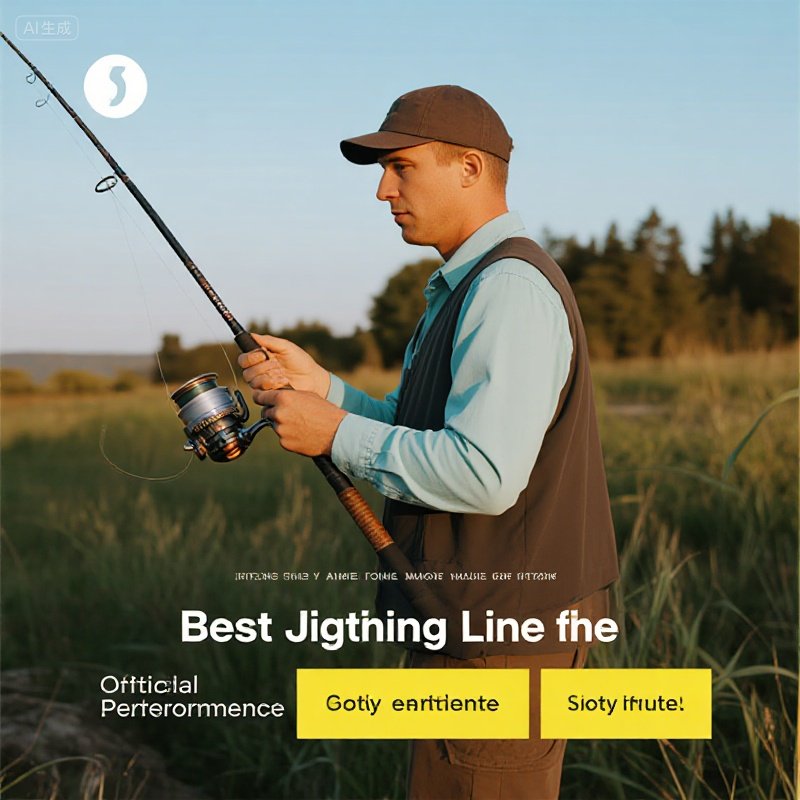
Choosing the right fishing line can make all the difference between a great catch and a missed opportunity. You might think any line will do, but the truth is, your choice affects how far you cast, how strong your setup is, and how easily fish take the bait.
If you’ve ever felt overwhelmed by the options or unsure what suits your style, this guide is for you. Keep reading, and you’ll discover simple tips that help you pick the perfect fishing line every time—making your fishing trips more successful and enjoyable.
Types Of Fishing Lines
Choosing the right fishing line is important for a successful fishing trip. There are different types of fishing lines to consider, each with unique features.
Understanding these types will help you select the best line for your fishing needs.
Monofilament Lines
Monofilament lines are made from a single strand of nylon. They are popular due to their flexibility and stretchiness.
These lines are easy to handle and are a good choice for beginners. They are also affordable and widely available.
- Good for general fishing
- Available in different colors
- Not as strong as other types
Fluorocarbon Lines
Fluorocarbon lines are made from a type of plastic. They are almost invisible in water, making them good for clear water fishing.
These lines are abrasion-resistant and sink faster than monofilament lines. They are great for deep water fishing.
- Invisible in water
- Good for clear water
- More expensive than monofilament
Braided Lines
Braided lines are made from woven fibers. They are extremely strong and have little to no stretch.
These lines are good for catching large fish. They are also durable and last a long time.
- Very strong and durable
- Visible in water
- Can be expensive
Factors To Consider
Choosing the right fishing line is important for a good fishing experience. Different factors affect how well the line performs. Knowing these will help you pick the best line for your needs.
Consider the strength, diameter, stretch, and resistance of the line. These features affect casting, sensitivity, and durability.
Line Strength And Test
Line strength shows how much weight the line can hold without breaking. It is measured in pounds and called the test. Choose a line strength that matches the fish you want to catch.
- Use a higher test for bigger fish
- Lower test lines cast farther
- Pick a test that suits your rod and reel
Line Diameter And Visibility
Line diameter affects how visible the line is to fish and how far you can cast. Thinner lines are less visible but may be weaker. Thicker lines are stronger but easier for fish to see.
| Diameter (inches) | Visibility | Strength | Best Use |
| 0.008 – 0.012 | Low | Light | Clear water, small fish |
| 0.013 – 0.018 | Medium | Medium | General fishing |
| 0.019 – 0.030 | High | Strong | Heavy cover, big fish |
Stretch And Sensitivity
Stretch affects how the line reacts to fish bites. Lines with low stretch give better sensitivity. This helps you feel bites quickly and set the hook fast. High-stretch lines absorb shocks but reduce sensitivity.
Abrasion Resistance
Abrasion resistance means how well the line stands up to rough surfaces. Lines with good abrasion resistance last longer near rocks, wood, or weeds. This keeps your line from breaking easily.
- Choose abrasion-resistant line for rough fishing spots
- Fluorocarbon lines often resist abrasion better
- Check line coating for extra protection
Matching Line To Fishing Conditions
Choosing the right fishing line is important for a good catch. Different conditions need different types of lines.
Matching your line to water, fish, and techniques helps you fish better and avoid losing fish.
Freshwater Vs Saltwater
Freshwater fishing uses lines that resist abrasion but do not need to handle salt. Saltwater lines must resist corrosion and be stronger.
Saltwater lines often have thicker coatings to protect against salt damage. Freshwater lines focus more on sensitivity and stretch.
- Freshwater lines: nylon, fluorocarbon, or braided
- Saltwater lines: braided or fluorocarbon with salt resistance
- Saltwater lines need higher strength for big fish and rough conditions
Target Fish Species
Different fish need different line strengths. Small fish need light lines. Big fish need heavy, strong lines.
Choose line test (strength) based on the size and power of the fish you want to catch.
- Light lines (2-6 lb) for small fish like trout or panfish
- Medium lines (8-15 lb) for bass or walleye
- Heavy lines (20+ lb) for big fish like pike or saltwater species
Water Clarity
Clear water needs low-visibility lines. Fish see thick or bright lines and may avoid the bait.
In murky water, stronger and thicker lines are fine because fish rely less on sight.
- Clear water: use fluorocarbon or thin lines for low visibility
- Murky water: use braided or heavier lines for strength
- Match line color to water color if possible
Fishing Techniques
Your fishing style affects line choice. Some techniques need stretchy lines. Others need stiff, sensitive lines.
Match your line to the method to improve casting, hook sets, and fighting fish.
- Spinning and baitcasting: use medium stretch lines for control
- Fly fishing: use thin, smooth lines for long casts
- Deep-sea fishing: use strong, abrasion-resistant lines
- Topwater fishing: use lines with low stretch for quick hook sets

Credit: www.youtube.com
Choosing The Right Line Weight
Picking the right fishing line weight is key to a good fishing trip. The line weight must match the fish you want to catch.
Using the correct line weight helps you cast better and avoid breaking your line.
Light Lines For Small Fish
Light fishing lines usually range from 2 to 6 pounds test. They are thin and easy to cast.
Use light lines to catch small fish like trout, panfish, and perch. These lines let small fish bite without feeling much resistance.
- Light lines cast farther with small baits
- They are less visible to wary fish
- Not strong enough for big or heavy fish
Heavy Lines For Big Game
Heavy lines range from 20 pounds test and up. They are thicker and stronger to handle big fish.
Use heavy lines to catch big fish like bass, pike, or saltwater species. These lines can resist strong pulls and sharp teeth.
- Heavy lines resist breaking under pressure
- They help control large, powerful fish
- Thicker lines can reduce casting distance
Balancing Line And Rod Strength
Match the fishing line strength to your rod’s power and action. This balance keeps your gear working well.
If the line is too strong or too weak for the rod, you risk breaking the line or the rod during fishing.
- Check the rod’s recommended line weight range
- Choose a line weight within that range
- Consider the type of fish and fishing style
Line Maintenance And Storage
Keeping your fishing line in good shape makes fishing easier and more fun. Proper care helps the line last longer and stay strong.
Learn simple tips to avoid problems like line memory and how to store your line safely. Also, know when it is time to replace your old line.
Avoiding Line Memory
Line memory happens when the fishing line keeps its coiled shape from the spool. It causes tangles and weak spots.
To avoid line memory, stretch your line before use. Use your fingers to gently pull and straighten it out.
- Use a line conditioner spray to reduce stiffness
- Keep the line loose on the reel, not too tight
- Cast regularly to help the line stay straight
Proper Storage Techniques
Store your fishing line in a cool, dry place. Avoid direct sunlight because UV rays weaken the line.
Keep your line on the reel or in a sealed container to protect it from dust and moisture.
- Use airtight plastic bags or containers
- Store line away from heat sources
- Avoid storing in extreme cold or heat
Replacing Old Line
Old fishing line loses strength and can break easily. Replace it if it shows signs of wear or damage.
Check your line for cracks, discoloration, or rough spots before every fishing trip.
- Replace line at least once a year
- Replace immediately if you notice damage
- Use fresh line for better casting and strength
Credit: medium.com
Expert Tips For Line Selection
Choosing the right fishing line is key to catching fish. The right line makes fishing easier and more fun.
Different lines work best for different fish and water conditions. Knowing how to pick helps you fish better.
Testing Line Before Use
Always test your fishing line before you start fishing. This helps you avoid surprises on the water.
Pull the line firmly to check for weak spots. Look for any damage or frays that could cause breaks.
- Stretch the line slowly to test strength
- Inspect for cuts or abrasions
- Check knots to ensure they hold well
- Replace line if it shows wear
Combining Different Lines
You can use more than one type of line for better results. Combining lines balances strength and flexibility.
For example, use a strong braided line with a clear monofilament leader. This helps with casting and hiding the line.
- Braid main line for strength and thin diameter
- Monofilament leader for stretch and invisibility
- Fluorocarbon leader to resist abrasion
- Match lines based on fish type and water clarity
Adapting Line Choice Over Time
Your fishing line needs may change as you gain experience. Adapt your line choice to improve your fishing skills.
Try different lines for new fishing spots or seasons. Adjust line strength and type based on fish size and water conditions.
- Switch to lighter line for small fish
- Use heavier line for bigger fish or rough water
- Change line type to fit different fishing techniques
- Replace old line regularly to keep it strong

Credit: www.youtube.com
Frequently Asked Questions
What Are The Main Types Of Fishing Line?
The main types are monofilament, fluorocarbon, and braided lines. Each type offers unique strength, stretch, and invisibility qualities for different fishing needs.
How To Choose Fishing Line Strength?
Choose line strength based on the fish species and fishing environment. Match the line’s pound test to the fish size for better control and fewer breaks.
Why Is Fishing Line Diameter Important?
Diameter affects casting distance and line visibility. Thinner lines cast farther and are less visible underwater but may sacrifice strength.
When To Use Fluorocarbon Fishing Line?
Use fluorocarbon in clear water for low visibility and abrasion resistance. It sinks faster and is ideal for finicky fish.
Conclusion
Choosing the right fishing line makes your fishing trip better. Think about the fish size and water type first. Match the line strength to your fishing needs. Consider line visibility and stretch for best results. Test different lines to find what feels right.
Good gear helps catch more fish and enjoy more. Keep these tips in mind for your next outing. Fishing becomes easier with the right line choice. Try, learn, and have fun by the water.