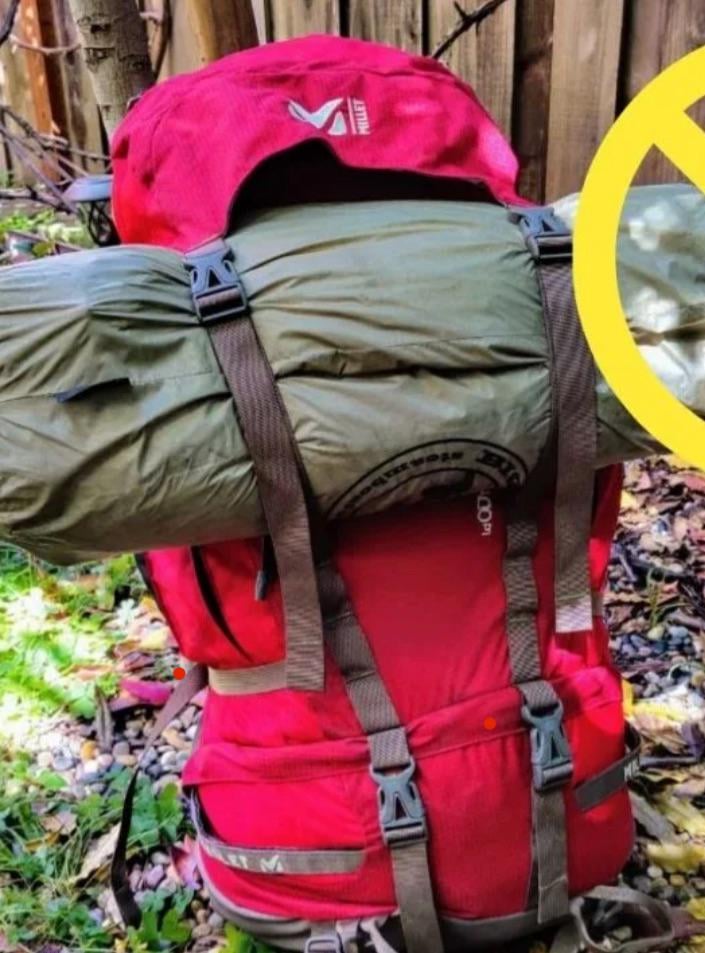
Packing your sleeping bag can make or break your hiking experience. If you don’t attach it properly to the bottom of your backpack, it can swing around, slow you down, or even get damaged.
But don’t worry—this guide will show you simple, effective ways to secure your sleeping bag so it stays put and keeps you comfortable on the trail. Keep reading, and you’ll learn how to make your backpack lighter, more balanced, and easier to carry every time you hit the outdoors.

Credit: www.reddit.com
Choosing The Right Sleeping Bag
Attaching a sleeping bag to a backpack requires choosing the right one. The right sleeping bag makes carrying it easier and more comfortable.
Consider factors like size, weight, and material. These can affect how you attach it to your backpack.
Consider Size And Weight
Size and weight are important for backpacking. A bulky sleeping bag can be hard to attach and carry.
- Choose a sleeping bag that fits your backpack size.
- Look for lightweight options to reduce your load.
- Check if the sleeping bag compresses easily.
Select Suitable Material
The material of the sleeping bag affects comfort and attachment. Durable materials are better for outdoor conditions.
Select materials that are:
- Water-resistant
- Breathable
- Durable against wear and tear
Backpack Features For Attachment
Attaching a sleeping bag to the bottom of your backpack can save space inside. Many backpacks have special features to help with this. Knowing about these features makes packing easier and safer.
This guide focuses on two important features: attachment points and compression straps. These parts help secure your sleeping bag firmly to your backpack.
Check Attachment Points
Attachment points are loops or straps on the bottom of your backpack. They are designed to hold gear like sleeping bags or mats. Find these points before you pack.
Most backpacks have several loops made of strong fabric or nylon. You can use these loops to tie your sleeping bag with cords or straps. These points keep your bag from moving around.
- Look for reinforced loops or daisy chains at the base
- Check if the loops are strong enough for your sleeping bag weight
- Use cords or straps to fasten your sleeping bag securely
Look For Compression Straps
Compression straps are adjustable bands on your backpack. They help tighten and hold gear in place. Many backpacks have straps at the bottom for securing bulky items.
Use these straps to squeeze your sleeping bag tightly against the pack. This prevents it from swinging or falling off while you walk. Make sure the straps are not too loose or too tight.
- Locate compression straps near the bottom of your backpack
- Adjust straps to fit snugly around your sleeping bag
- Use straps together with attachment points for better hold
Using Straps And Clips
Attaching a sleeping bag to the bottom of your backpack saves space inside. Straps and clips are common tools for this task.
These help keep your sleeping bag secure and easy to carry during hikes and camping trips.
Positioning The Sleeping Bag
Place the sleeping bag flat and rolled tightly. This reduces bulk and makes it easier to attach.
Attach it to the bottom center of the backpack. This keeps the weight balanced and stable.
- Roll the sleeping bag tightly
- Place it horizontally at the backpack base
- Center it for better balance
Securing With Straps
Use adjustable straps on your backpack to hold the sleeping bag in place. Tighten the straps enough to prevent movement.
Make sure the straps do not crush the sleeping bag. Leave some space so the bag keeps its shape and insulation.
- Thread the straps under and over the sleeping bag
- Tighten straps to hold it firmly
- Check for any loose ends and tuck them in
Using Carabiners And Clips
Carabiners and clips add extra security to the sleeping bag attachment. Clip them through loops on the bag and backpack.
This method is quick and allows easy removal of the sleeping bag when needed. Use strong clips that can hold the weight.
- Attach carabiners to sleeping bag loops
- Clip onto backpack straps or loops
- Test clips to make sure they hold tight
Packing Tips For Stability
Attaching a sleeping bag to the bottom of your backpack is common for hikers. It saves space inside the pack. But you must pack it right to keep the load stable.
Good packing helps balance weight and keeps the bag steady. This guide shares tips to improve your setup for safer hiking.
Balancing Weight
Balance weight by placing heavier items close to your back. The sleeping bag is light but bulky. Attach it evenly at the bottom to avoid tipping.
Keep the sleeping bag centered under the pack. Avoid hanging it too far to one side. This helps keep your balance on rough trails.
- Place the sleeping bag in the middle bottom of the pack
- Distribute other heavy items near your back
- Make sure the sleeping bag does not swing side to side
- Test the balance by standing and walking a few steps
Tightening Straps Properly
Use the backpack’s compression straps to secure the sleeping bag well. Straps should be tight but not too tight to damage the bag.
Tighten the straps in stages to avoid uneven pressure. Check the straps often during your hike. Loose straps cause shifting and discomfort.
- Attach the sleeping bag with bottom compression straps
- Pull straps tight enough to hold the bag firmly
- Check strap tension after walking a short distance
- Adjust straps if the sleeping bag moves or sways
Waterproofing Your Setup
Keeping your sleeping bag dry is very important. Wet gear can make camping uncomfortable and cold. You can protect your sleeping bag when attaching it to the bottom of your backpack.
This guide explains two easy ways to waterproof your setup. Using dry bags and applying rain covers help keep moisture away.
Using Dry Bags
Dry bags are made from waterproof materials. They create a tight seal around your sleeping bag. This stops water from getting inside.
- Place your sleeping bag inside the dry bag.
- Close the dry bag by rolling down the top tightly.
- Use the backpack straps to attach the dry bag at the bottom.
- Check the dry bag for holes or leaks before your trip.
Applying Rain Covers
Rain covers add an extra layer of protection. They fit over your backpack and sleeping bag. Rain covers are usually water-resistant and easy to use.
| Rain Cover Feature | Benefit |
| Water-resistant fabric | Keeps rain out |
| Elastic edges | Fits snugly over gear |
| Lightweight | Easy to carry |
| Durable | Lasts many trips |

Credit: www.reddit.com
Safety And Comfort Considerations
Attaching a sleeping bag to the bottom of your backpack can save space inside. You must think about safety and comfort before you do it.
Proper attachment keeps your gear safe and your load comfortable. This helps you enjoy your trip without problems.
Avoiding Damage To Gear
Place your sleeping bag in a protective stuff sack to keep it clean and dry. Avoid placing sharp objects near it to stop tears.
Secure the sleeping bag tightly but not too tight. This stops it from moving and getting damaged during the hike.
- Use compression straps to hold the bag firmly.
- Keep the sleeping bag away from wet or dirty parts of the backpack.
- Check straps often to make sure they do not loosen.
- Do not overload the bottom of the backpack.
Ensuring Comfortable Carry
Balance the weight so the backpack does not pull backward. This helps keep your posture straight and reduces strain.
Attach the sleeping bag low but close to your back. This prevents it from swinging or hitting the ground as you walk.
- Use padded straps to reduce pressure on your shoulders.
- Distribute weight evenly between all straps and compartments.
- Adjust straps to keep the load close to your body.
- Test your pack with the sleeping bag attached before long trips.
Alternative Attachment Methods
Sometimes you may not want to attach your sleeping bag to the bottom of your backpack. There are other ways to carry it safely and comfortably. These methods can protect your sleeping bag from dirt and rain.
Using different attachment methods helps you balance weight better. It also makes your backpack easier to carry on long hikes.
Using External Pockets
Many backpacks have large external pockets or straps designed to hold gear. You can use these pockets to carry your sleeping bag. This keeps the bag secure and easy to reach.
Make sure the pocket or strap is strong enough to hold the sleeping bag. Tighten any straps to prevent the bag from moving while you walk.
- Check pocket size before packing
- Use compression straps to secure the bag
- Cover the sleeping bag with a rain cover if needed
- Balance weight by placing other gear opposite the sleeping bag
Packing Inside The Backpack
You can also pack your sleeping bag inside the main compartment. This protects it from rain and dirt. It also keeps your pack balanced.
To fit the sleeping bag inside, compress it tightly using a stuff sack. Place it at the bottom of the backpack for better weight distribution.
- Use a compression sack to reduce size
- Place the bag at the pack’s base
- Pack heavier items above the sleeping bag
- Ensure the bag does not block access to other gear

Credit: www.reddit.com
Frequently Asked Questions
How Do I Attach A Sleeping Bag To My Backpack Bottom?
Use compression straps or dedicated loops on your backpack’s bottom. Roll the sleeping bag tightly and secure it evenly. This method keeps your load balanced and frees up space inside the pack. Ensure straps are snug but not overly tight to avoid damage.
What Type Of Straps Work Best For Securing Sleeping Bags?
Adjustable nylon or compression straps with buckles work best. They are strong, lightweight, and easy to tighten. These straps prevent the sleeping bag from shifting during hiking. Avoid elastic bands as they may loosen and cause instability.
Can I Use A Sleeping Bag Sack For Attachment?
Yes, a sleeping bag sack helps protect the bag and compress it. It makes attaching easier and keeps the bag dry and clean. Use straps to secure the sack firmly to the backpack’s bottom for stability.
Why Attach A Sleeping Bag Outside The Backpack?
Attaching outside frees up internal space for heavier gear. It also allows quick access without unpacking. However, ensure it is properly secured to avoid damage or loss during movement.
Conclusion
Attaching a sleeping bag to the bottom of your backpack saves space inside. It also keeps your bag balanced and easy to carry. Use straps or cords to secure it tightly. Make sure it won’t move while you walk. Check your pack before starting your trip.
This simple step helps you stay comfortable and organized outdoors. Try these tips on your next adventure for a better hiking experience.