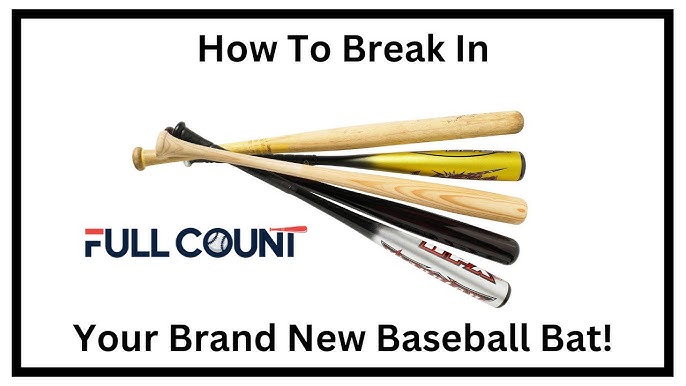
You’ve got your new baseball bat, and you’re eager to take it to the field. But before you swing for the fences, there’s an important step you can’t skip—breaking in your bat.
Knowing how to break in a baseball bat properly can make a huge difference in your performance and the bat’s lifespan. If you want your bat to feel just right and help you hit harder, keep reading. This guide will show you simple, effective ways to get your bat game-ready fast.
Choosing The Right Bat
Breaking in a baseball bat begins with choosing the right one. The right bat improves your performance and comfort. Consider these factors when selecting a bat.
Material Types
Baseball bats come in various materials. Each has its own benefits and drawbacks. Choose a material that suits your playing style.
- Wood bats offer a traditional feel and are often used in professional leagues.
- Aluminum bats are lightweight and provide more power.
- Composite bats offer a balanced mix of flexibility and strength.
Bat Length And Weight
The length and weight of a bat affect your swing. The right size helps with control and power. Consider your height and strength when choosing.
| Player Height | Suggested Bat Length |
| Under 4’6″ | 27″ to 29″ |
| 4’6″ to 5′ | 30″ to 31″ |
| 5′ to 5’6″ | 31″ to 32″ |
| Over 5’6″ | 32″ and above |
Grip Considerations
The grip of your bat influences how well you handle it. A good grip prevents slipping and improves control. Check the texture and size to ensure comfort.
- Rubber grips provide a soft and comfortable hold.
- Leather grips offer durability and a firm grip.
- Synthetic grips combine comfort and durability.

Credit: batdigest.com
Initial Inspection And Preparation
Breaking in a baseball bat starts with a good inspection and preparation. This process helps you avoid damage and improves performance.
Before using your bat, take time to check it carefully and prepare it properly. This guide covers key steps to follow.
Checking For Defects
Look closely at your bat for any cracks, dents, or loose parts. A damaged bat can break easily and affect your swing.
- Inspect the barrel for cracks or dents
- Check the handle for splinters or damage
- Make sure the knob is secure and not loose
- Look for any uneven spots or warping
Cleaning The Bat
Cleaning removes dirt and oils that reduce grip and can harm the bat’s surface. Use mild soap and water with a soft cloth.
| Cleaning Step | Details |
| Wipe Down | Use damp cloth to remove dirt |
| Soap Wash | Apply mild soap, avoid harsh chemicals |
| Dry Thoroughly | Use dry cloth and air dry completely |
| Oil Handle (Optional) | Apply light linseed oil if wood feels dry |
Acclimating To Weather Conditions
Wood bats need time to adjust to temperature and humidity. Sudden changes can cause cracks or warping.
- Store the bat indoors for 24 hours before use
- Avoid extreme heat or cold during storage
- Keep the bat away from damp or wet areas
- Use a bat sleeve or cover to protect it
Breaking In Techniques
Breaking in a baseball bat helps improve its performance. It makes the bat more flexible and easier to swing. Proper breaking in can also extend the bat’s life.
There are several ways to break in a bat. Each technique helps prepare the bat for real game use. Here are some common methods to try.
Soft Toss Drills
Soft toss drills involve hitting balls tossed gently by a partner. This helps you get used to the bat’s weight and feel. It also warms up the wood slowly.
Start with light swings and focus on hitting the ball on the bat’s sweet spot. This reduces stress on the bat and helps it break in evenly.
- Use a partner to toss balls softly
- Stand close to the tosser, about 10-15 feet
- Focus on smooth, controlled swings
- Hit the ball on the middle of the bat
- Do 50-100 swings over several days
Progressive Hitting Practice
This practice starts with slow swings and gradually moves to harder hits. It helps the bat adjust to more force without cracking. You build confidence in the bat’s strength.
Begin with light swings, then hit off a tee, and finally hit pitched balls. This step-by-step approach is safe and effective for breaking in the bat.
- Start with slow, light swings
- Move to hitting balls off a tee
- Finish by hitting soft pitches
- Increase swing speed each session
- Practice regularly for 1-2 weeks
Using A Bat Mallet
A bat mallet is a wooden tool used to hit the bat barrel. It helps compress the wood fibers and loosen the bat. This speeds up the breaking-in process.
Tap the bat barrel gently with the mallet. Avoid hitting too hard to prevent damage. This technique is good for new bats made of solid wood.
- Hold the bat firmly on a padded surface
- Tap the barrel with the mallet gently
- Focus on all sides of the bat barrel
- Do about 100 taps per session
- Repeat over several days for best results

Credit: www.ripit.com
Avoiding Common Mistakes
Breaking in a baseball bat needs care and the right steps. Many players make mistakes that can damage the bat. Knowing what to avoid helps the bat last longer and perform well.
This guide covers common errors to avoid when breaking in your bat. Follow these tips to protect your investment and play better.
Over-hitting Risks
Hitting too hard or too often at the start can cause cracks and dents. Over-hitting wears down the bat faster and may lead to breakage.
- Use gentle swings to start with.
- Avoid hitting balls that are too hard.
- Limit the number of hits in the beginning.
- Check the bat regularly for damage.
Ignoring Manufacturer Guidelines
Each bat comes with instructions from the maker. These rules tell you how to break in the bat safely. Not following them can void the warranty or damage the bat.
| Guideline | Why It Matters |
| Use recommended balls only | Prevents damage from hard impacts |
| Do not use machines to break in | Machines can cause uneven wear |
| Break in slowly over time | Helps the bat absorb impact evenly |
| Keep bat dry and clean | Extends bat life and performance |
Skipping Warm-up Sessions
Not warming up before use can cause stress on the bat. Cold bats are more likely to crack or dent on impact. Warm-ups prepare the wood or composite for hitting.
Tips for effective warm-ups:
- Start with light swings without a ball.
- Gradually increase swing speed.
- Use soft toss or tee hits before full swings.
- Keep the bat at room temperature before play.
Maintenance During Break-in
Breaking in a baseball bat takes time and care. Proper maintenance helps the bat last longer. It also improves performance.
Focus on cleaning, storing, and checking the bat regularly. These actions keep the bat in good shape during the break-in phase.
Regular Cleaning
Clean your bat after every use. Dirt and moisture can damage the wood or composite material. Use a soft cloth to wipe off dust and grime.
- Use warm water and mild soap if needed
- Avoid soaking the bat or using harsh chemicals
- Dry the bat completely before storing it
Proper Storage
Store your bat in a cool, dry place. Avoid areas with high heat or humidity. These conditions can warp or crack the bat.
| Storage Condition | Effect on Bat |
| High heat | Can weaken wood fibers |
| High humidity | May cause swelling or mold |
| Dry, cool area | Preserves bat integrity |
Monitoring Wear And Tear
Check your bat often for cracks or dents. Early detection stops small problems from getting worse. Use this simple checklist after each game or practice.
- Look for surface cracks or chips
- Check the handle for looseness or splinters
- Inspect the barrel for dents or bruises
- Ensure the grip tape is secure and comfortable
- Replace or repair parts as needed

Credit: wolfpacbatreviews.com
Signs Of A Well-broken-in Bat
Breaking in a baseball bat makes it easier to use. A well-broken-in bat helps players hit the ball better. It feels more natural and comfortable in the hands.
To know if your bat is ready, look for signs. These signs show the bat works well and lasts longer during play.
Improved Ball Contact
A broken-in bat hits the ball more cleanly. The ball stays on the bat longer, which helps control the hit. This improves the chance of good hits.
You will notice the ball feels solid when it hits the bat. The sound of the hit will be sharper and more consistent.
- Ball feels solid on the bat
- Sharper, consistent hitting sound
- More control over direction and power
Reduced Vibrations
New bats often cause vibrations that sting the hands. A broken-in bat reduces these vibrations. This makes swinging more comfortable and less tiring.
Less vibration means better control and less chance of injury. Players can swing harder without feeling pain.
- Less sting in hands after hits
- Smoother feel when swinging
- More comfort during long games
Consistent Performance
A well-broken-in bat performs the same every time. It does not lose power or control after many swings. This helps players trust their bat.
Consistent performance means fewer surprises during games. The bat feels reliable and steady in all situations.
- Same power on every hit
- Reliable feel during games
- Steady performance over time
Frequently Asked Questions
How Long Does It Take To Break In A Baseball Bat?
Breaking in a bat typically takes 100 to 150 firm hits. This process softens the wood and improves performance. Timing varies by wood type and bat quality. Consistent use speeds up breaking in, ensuring better ball contact and longer bat life.
What Is The Best Way To Break In A Wooden Bat?
The best way is to gently hit softballs or dough balls repeatedly. Avoid hard hits initially to prevent cracks. Gradually increase swing speed and ball hardness. This method conditions the wood evenly and extends bat durability while enhancing hitting power.
Can Breaking In A Bat Affect Its Performance?
Yes, breaking in improves bat performance by softening the wood. It increases the “trampoline effect,” allowing the ball to travel farther. Proper breaking in reduces the chance of cracks and makes the bat more responsive during games.
Should I Use A Bat Mallet To Break In My Bat?
Using a bat mallet is an effective way to break in a bat. It allows controlled, repeated hits to soften the wood. This technique reduces the risk of damage compared to full swings and helps condition the bat evenly.
Conclusion
Breaking in a baseball bat takes time and care. Start slow and use soft hits to protect the wood. Keep practicing regularly to make the bat feel right. Avoid hard swings early to prevent damage. Patience helps the bat become stronger and last longer.
With steady effort, your bat will perform better on the field. Enjoy the process and watch your skills grow alongside your bat. This simple routine keeps your bat ready for every game.