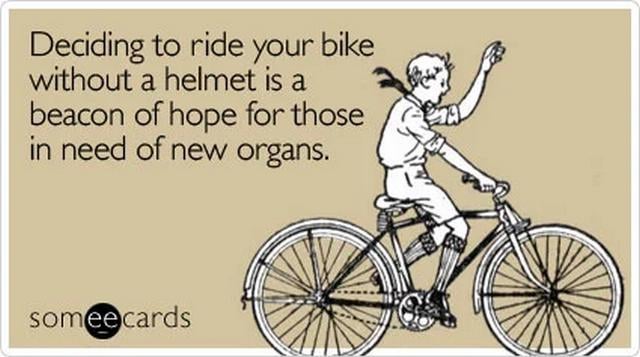
Are you wondering if it’s legal to ride a bike without a helmet? You’re not alone.
Many cyclists ask this question, especially when the weather is nice or they’re just taking a quick ride. But before you hop on your bike without a helmet, it’s important to know the rules that could affect your safety—and your wallet.
Keep reading to find out what the law really says about biking without a helmet and how it might impact you every time you hit the road.
Helmet Laws Worldwide
Riding a bike is fun and healthy. But wearing a helmet can be important. Different countries have different laws about helmets.
Some places make helmets a must. Others leave it up to the rider. Let’s look at these laws around the world.
Countries With Mandatory Helmet Rules
Many countries require helmets for all bike riders. This is to keep people safe. Helmets can help prevent head injuries.
- Australia: Helmets are required for everyone.
- New Zealand: All riders must wear helmets.
- Canada: Some provinces have mandatory helmet laws.
Regions With No Helmet Requirements
Some places do not have strict helmet laws. Riders can choose if they want to wear one. This gives people more freedom.
- Netherlands: Helmets are not required for regular cyclists.
- Denmark: No national law for helmets.
Age-specific Helmet Regulations
In some areas, only young riders need helmets. These rules protect kids and teens. Adults might have different rules.
| Country | Age Requirement |
| United States | Varies by state, often under 18 |
| United Kingdom | No national law, but recommended for children |
Safety Benefits Of Helmets
Wearing a helmet while riding a bike can protect your head. It helps reduce serious injuries in crashes.
Helmets are made to absorb impact and keep your skull safe. They are a key part of bike safety gear.
Impact Protection
Helmets reduce the force on your head during an accident. They have layers that absorb shock and spread it out.
- Outer shell stops sharp objects from penetrating
- Inner foam cushions the brain from sudden hits
- Straps keep the helmet in place for full protection
Reducing Head Injury Risks
Wearing a helmet lowers the chance of brain injuries. It protects against cuts, bruises, and fractures on the head.
- Reduces risk of skull fracture
- Lessens severity of concussions
- Prevents serious brain damage
Statistics On Helmet Effectiveness
Research shows helmets save lives. They greatly lower injury risks in bike accidents.
| Helmet Use | Head Injury Risk |
| Wearing Helmet | Reduced by 70% |
| Not Wearing Helmet | High Risk |
| Helmet Users | Less Fatal Injuries |
Legal Consequences Of Riding Without A Helmet
Riding a bike without a helmet can lead to serious legal troubles. Laws about helmets vary in different areas.
Knowing the legal effects helps you stay safe and avoid fines or other problems.
Fines And Penalties
Many places require cyclists to wear helmets by law. Not wearing one can cause fines.
- Fines range from small fees to larger penalties.
- Repeat offenses may lead to higher fines.
- Some areas may require community service for breaking helmet laws.
- Police may stop you to check helmet compliance.
Insurance Implications
Not wearing a helmet can affect your insurance claims after an accident.
| Insurance Aspect | Effect of No Helmet |
| Medical Coverage | May be reduced or denied |
| Liability Claims | Could be harder to prove |
| Damage Compensation | May be lowered |
Liability In Accidents
If you cause or are in an accident without a helmet, liability can be affected.
Key points on liability:
- You may be seen as more at fault if injured without a helmet.
- Other parties may argue your injury was due to not wearing a helmet.
- Legal help is often needed to handle liability issues.

Credit: www.sacbee.com
Arguments Against Helmet Laws
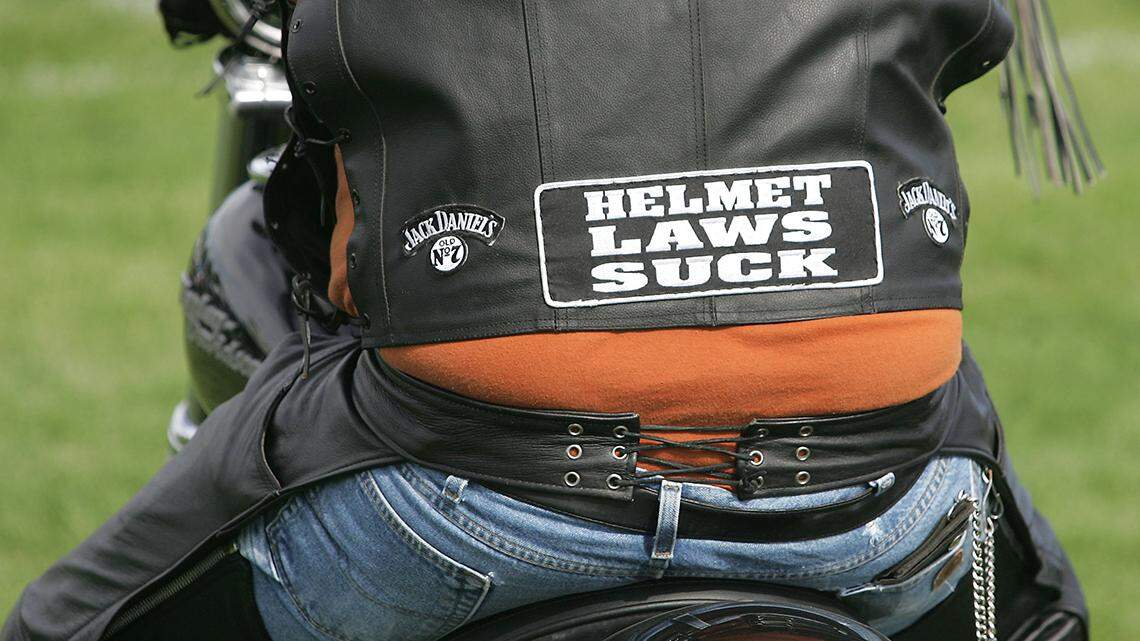
Many people debate if laws requiring bike helmets are fair or effective. Some feel these laws limit personal freedom. Others worry such rules may reduce how many people ride bikes.
This article looks at reasons some oppose helmet laws. It covers personal choice, cycling popularity, and problems with enforcing these laws.
Personal Freedom And Choice
Some argue that adults should decide for themselves whether to wear a helmet. They say forcing helmets limits freedom. People can weigh risks and make their own choices.
These points support the idea that laws should not control what people wear on bikes:
- Adults can understand safety information.
- Personal responsibility matters in many activities.
- Forcing helmets may feel like government overreach.
- Some riders find helmets uncomfortable or restrictive.
Effect On Cycling Popularity
Helmet laws may reduce the number of people who bike. Fewer riders can mean less health and environmental benefits. Some stop cycling because they dislike helmet rules.
| Impact | Description |
| Less Cycling | Helmet laws may discourage casual riders |
| Health Effects | Reduced exercise from fewer bike trips |
| Traffic | More cars on roads, less bike safety |
| Social | Lower community cycling culture |
Helmet Law Enforcement Challenges
Enforcing helmet laws can be difficult and costly. Police may focus on helmets instead of more serious safety issues. Not all areas have enough resources to check every cyclist.
Common enforcement problems include:
- Limited police presence on bike paths
- Disputes about when helmets are needed
- Costs for fines and court cases
- Unequal enforcement in different neighborhoods
Choosing The Right Helmet
Riding a bike without a helmet can be risky. Choosing the right helmet helps protect your head in accidents. A good helmet fits well and meets safety standards.
This guide explains different helmet types, how to find a proper fit, and when to replace your helmet.
Types Of Bike Helmets
There are several types of bike helmets. Each type is made for different riding styles and protection levels.
- Road Helmets:Lightweight and well-ventilated, ideal for speed and long rides.
- Mountain Bike Helmets:Designed for rough trails with extra coverage at the back of the head.
- Urban Helmets:Stylish and practical for city riding, often with built-in lights or reflectors.
- Full-Face Helmets:Provide full coverage and are used in downhill or extreme biking.
Proper Fit And Comfort
A helmet must fit snugly without causing discomfort. A poor fit reduces protection and can distract you while riding.
| Fit Element | What to Check | Tips |
| Size | Helmet should sit level on your head | Measure head circumference before buying |
| Straps | Should form a V under your ears | Adjust tightness so it feels secure but not tight |
| Padding | Comfortable and removable for cleaning | Try different brands for best comfort |
Maintenance And Replacement
Keep your helmet clean and check it regularly for damage. Replace it after any crash or every few years.
- Clean helmet with mild soap and water only
- Check for cracks, dents, or broken straps
- Replace helmet if it shows any damage
- Consider replacing every 3-5 years even without damage
Credit: www.kansascity.com
Tips For Safe Cycling
Riding a bike is fun and good exercise. Staying safe should be your top priority.
Following simple safety tips can help you avoid accidents and enjoy your ride.
Visibility And Signaling
Make sure others see you on the road. Use bright clothes and lights to stay visible.
Signal your turns and stops clearly. This helps drivers and pedestrians know your moves.
- Wear bright or reflective clothing
- Use front and rear bike lights
- Signal turns with hand gestures
- Use a bell or horn to alert others
Road Awareness
Keep your eyes on the road ahead. Watch for cars, pedestrians, and obstacles.
Follow traffic rules and ride in bike lanes when possible. Stay alert at all times.
- Check for cars before crossing streets
- Ride with traffic, not against it
- Use bike lanes and paths
- Be careful at intersections
Using Protective Gear
Wearing protective gear helps prevent injuries. Always use a properly fitted helmet.
Other gear like gloves and pads can protect your hands and knees in case of a fall.
- Wear a helmet that fits well
- Use gloves to protect your hands
- Wear knee and elbow pads if needed
- Choose shoes with good grip

Credit: greensafaris.com
Frequently Asked Questions
Is It Legal To Ride A Bike Without A Helmet?
Helmet laws vary by country and region. Some places require helmets for all riders, while others only for minors. Check your local laws to ensure compliance and safety.
What Are The Risks Of Riding Without A Helmet?
Riding without a helmet increases the risk of serious head injuries during accidents. Helmets protect your brain and can save your life in crashes.
Are Helmet Laws Strictly Enforced Everywhere?
Enforcement of helmet laws varies widely. Some areas impose fines and penalties, while others have lax enforcement. Always follow local regulations to avoid fines.
Can I Get Fined For Not Wearing A Helmet?
Yes, in many regions, not wearing a helmet can result in fines. The amount varies depending on local traffic laws and regulations.
Conclusion
Riding a bike without a helmet depends on local laws. Some places require helmets by law. Others leave it up to the rider’s choice. Wearing a helmet always adds safety. It protects your head in case of falls. Remember, safety should come before style or comfort.
Knowing the rules where you ride helps avoid fines. Stay safe and enjoy your bike rides responsibly.