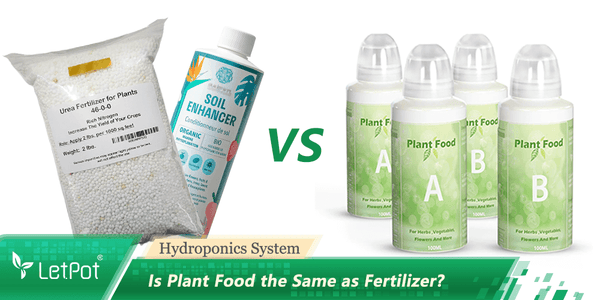
Have you ever stood in the garden center aisle, wondering if plant food and fertilizer are actually the same thing? You’re not alone.
Knowing the difference can make a huge impact on how you care for your plants and how well they grow. You’ll discover what sets plant food and fertilizer apart, why it matters for your garden, and how to choose the right option to help your plants thrive.
Keep reading—your green thumb will thank you.
Plant Food Basics
People often think plant food and fertilizer are the same. They are not. Plant food refers to natural nutrients found in the soil. Fertilizer, however, is a manufactured product that adds nutrients to the soil.
Plants need nutrients to grow healthy and strong. Understanding the difference helps gardeners make better choices for their plants.
What Plants Need To Grow
Plants need sunlight, water, and air to grow. They also need nutrients like nitrogen, phosphorus, and potassium. These nutrients help plants build strong roots and healthy leaves.
Plants get these nutrients naturally from the soil. Sometimes, the soil lacks enough nutrients, so gardeners use fertilizers to help plants grow better.
- Sunlight provides energy for photosynthesis.
- Water helps transport nutrients.
- Air supplies carbon dioxide for photosynthesis.
- Nutrients support growth and development.
Natural Nutrients In Soil
Soil is full of nutrients that plants need. These natural nutrients come from organic matter like decayed leaves and animal waste. They break down and become food for plants.
Different soils have different amounts of nutrients. Gardeners test soil to know what nutrients are present. This helps them decide if they need to add fertilizers.
- Organic matter enriches the soil.
- Microorganisms help decompose organic matter.
- Soil testing identifies nutrient levels.

Credit: everythingexterior.com
Fertilizer Explained
Plants need nutrients to grow strong and healthy. Fertilizers add these nutrients to the soil.
Not all plant food and fertilizer are the same. Fertilizer is a product that helps plants get the nutrients they need.
Types Of Fertilizers
Fertilizers come in different forms. Each type gives nutrients in a unique way to plants.
- Organic Fertilizers:Made from natural materials like compost and manure.
- Inorganic Fertilizers:Manufactured with chemicals to supply specific nutrients.
- Liquid Fertilizers:Dissolved in water and easy to apply to plants.
- Slow-Release Fertilizers:Release nutrients slowly over time to avoid waste.
How Fertilizers Work
Fertilizers provide essential nutrients like nitrogen, phosphorus, and potassium. These help plants grow leaves, roots, and flowers.
Plants absorb these nutrients through their roots. Fertilizers improve soil quality and help plants get what they need.
- Nitrogen (N):Helps plants grow green leaves.
- Phosphorus (P):Supports root and flower development.
- Potassium (K):Strengthens plant health and disease resistance.
Plant Food Vs Fertilizer
People often wonder if plant food and fertilizer are the same thing. Both help plants grow, but they work differently.
This article explains the differences between plant food and fertilizer in simple terms.
Key Differences
Plant food is what plants make themselves using sunlight, water, and air. It is the sugars and energy plants use to live.
Fertilizer is a product people add to soil to supply nutrients. It helps plants get elements like nitrogen, phosphorus, and potassium.
- Plant food is made inside the plant by photosynthesis.
- Fertilizer is added to soil to improve plant nutrition.
- Plant food provides energy; fertilizer provides nutrients.
- Plants cannot survive without making plant food.
- Fertilizer supports healthy growth but is not energy.
Common Misconceptions
Many people think plant food and fertilizer are exactly the same. This is not true because they serve different roles for plants.
Some also believe that fertilizers create energy for plants. Fertilizers only supply nutrients, not energy.
- Plant food is not bought or added; plants produce it themselves.
- Fertilizer does not replace plant food or photosynthesis.
- Too much fertilizer can harm plants, but plant food is safe.
Sources Of Plant Food
Plants need food to grow strong and healthy. Plant food provides essential nutrients. These nutrients come from different sources.
Understanding where plant food comes from helps gardeners choose the best options for their plants.
Organic Sources
Organic sources of plant food come from natural materials. They improve soil health and provide nutrients slowly.
Common organic sources include compost, manure, and bone meal. These materials release nutrients as they break down.
- Compost: Decomposed plant and food waste rich in nutrients
- Manure: Animal waste that adds nitrogen and other nutrients
- Bone meal: Ground animal bones high in phosphorus
- Green manure: Plants grown and turned into soil for nutrients
- Seaweed: Provides trace minerals and growth hormones
Synthetic Sources
Synthetic sources are man-made fertilizers. They contain specific amounts of nutrients for quick plant use.
These fertilizers come in powders, liquids, or granules. They help plants grow fast but do not improve soil health.
- Nitrogen fertilizers: Help leaves grow green and strong
- Phosphorus fertilizers: Support root and flower development
- Potassium fertilizers: Improve overall plant health and disease resistance
- Complete fertilizers: Contain nitrogen, phosphorus, and potassium (N-P-K)
- Micronutrient mixes: Provide small amounts of needed minerals
When To Use Fertilizer
Fertilizer helps plants grow by adding nutrients to the soil. Knowing the right time to use it keeps plants healthy.
Using fertilizer at the right moment supports strong roots and green leaves. It also avoids wasting product or harming plants.
Signs Of Nutrient Deficiency
Plants show clear signs when they lack nutrients. Watching for these signs helps decide when to add fertilizer.
- Yellowing leaves, especially older ones
- Slow or stunted growth
- Leaves with brown or dead spots
- Poor flowering or fruit production
- Thin or weak stems
Proper Application Techniques
Applying fertilizer correctly helps plants absorb nutrients better and prevents damage.
| Technique | Description |
| Soil Testing | Check soil nutrients before adding fertilizer |
| Right Amount | Use the recommended dose for your plant type |
| Timing | Apply during active plant growth phases |
| Watering | Water plants after applying to help absorption |
| Even Spread | Distribute fertilizer evenly around the plant base |

Credit: www.reddit.com
Impact On Plant Health
Plant food and fertilizer both help plants grow. They give plants the nutrients they need. But their effects on plant health can differ.
Understanding how each affects plants helps gardeners choose the right product. This keeps plants healthy and strong.
Benefits Of Balanced Nutrition
Balanced nutrition supports all parts of a plant’s growth. It improves root strength, leaf health, and flower production.
- Promotes steady growth over time
- Increases resistance to pests and diseases
- Improves fruit and flower quality
- Maintains soil health for future plants
Risks Of Overfertilizing
Too much fertilizer can harm plants and soil. It can cause leaf burn, slow growth, and root damage.
| Risk | Effect on Plant |
| Leaf Burn | Leaves turn brown and dry |
| Stunted Growth | Plants grow slower than normal |
| Root Damage | Roots become weak and die |
| Soil Pollution | Harmful chemicals build up in soil |
Choosing The Right Product
Plant food and fertilizer are often thought to be the same. Both help plants grow better. Choosing the right one depends on what your plants need.
Knowing the difference helps you pick the best product. This keeps your plants healthy and strong.
Matching Fertilizer To Plant Needs
Different plants need different nutrients. Fertilizers come in many types to match these needs. Some plants need more nitrogen, others need more phosphorus or potassium.
Choose fertilizer based on your plant type. Use the right balance for flowers, vegetables, or trees. This helps plants grow well without waste.
- Leafy plants often need more nitrogen.
- Flowering plants may need extra phosphorus.
- Root vegetables like more potassium.
- Check what your soil lacks before choosing.
Reading Labels And Ingredients
Fertilizer labels show three numbers like 10-10-10. These are nitrogen, phosphorus, and potassium amounts. These nutrients help plants in different ways.
Look for added ingredients like calcium or magnesium. These also support plant health. Follow label instructions for the best results.
| Nutrient | Role |
|---|---|
| Nitrogen (N) | Helps leaves grow green and strong |
| Phosphorus (P) | Supports root and flower development |
| Potassium (K) | Improves overall plant health and resistance |

Credit: www.familyhandyman.com
Frequently Asked Questions
What Is The Main Difference Between Plant Food And Fertilizer?
Plant food refers to natural nutrients plants produce or receive, while fertilizer is a manufactured or natural substance added to soil. Fertilizers supply essential nutrients to improve plant growth and soil fertility, making them supplemental rather than the same as plant food.
Are Plant Food And Fertilizer Used Interchangeably?
Though often used interchangeably, plant food and fertilizer are not the same. Plant food is the nutrients plants naturally absorb, while fertilizer is an added source of nutrients to enhance growth. Fertilizer supports plants but does not replace natural plant food processes.
Can Fertilizer Replace Natural Plant Food Completely?
No, fertilizer cannot fully replace natural plant food. Fertilizers supplement nutrients in the soil but plants also rely on natural processes like photosynthesis. Balanced use of fertilizer supports healthy growth without disrupting natural nutrient cycles essential for plants.
Is Organic Fertilizer Better Than Synthetic Plant Food?
Organic fertilizer provides nutrients from natural sources and improves soil health over time. Synthetic fertilizers offer quick nutrient supply but may harm soil quality with overuse. Both serve as fertilizers, but organic options promote sustainable plant food availability.
Conclusion
Plant food and fertilizer are not exactly the same. Plant food is what plants make or get naturally. Fertilizer is something added to soil to help plants grow. Knowing the difference helps you choose what your plants need. Use fertilizer carefully to avoid harming plants.
Good care means healthy, strong plants. Remember, each plant may need different nutrients. Understanding these basics makes gardening easier and more fun. Keep learning and enjoy watching your plants thrive.