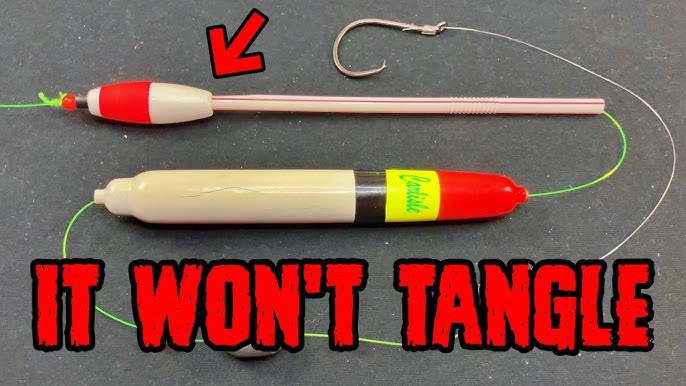
If you want to catch more fish and make your fishing trips more successful, learning how to put a bobber on a fishing line is a must. A bobber helps you know when a fish is biting, making your fishing experience easier and more fun.
Whether you’re a beginner or just need a quick refresher, this simple skill can change the way you fish. Keep reading, and you’ll discover step-by-step how to attach a bobber quickly and correctly—so you never miss a catch again.
Credit: nwiowaoutdoors.com
Choosing The Right Bobber
Bobbers are crucial for fishing. They help keep bait at the right depth. Choosing the right bobber can make your fishing experience better.
Different bobbers suit different fishing conditions. Consider type, size, color, and material when choosing a bobber.
Types Of Bobbers
Bobbers come in various types. Each type has its unique benefits.
- Round Bobbers: Easy to use, great for beginners.
- Slip Bobbers: Allow bait to sink deeper.
- Pencil Bobbers: Work well in calm waters.
Selecting Size And Color
The size and color of a bobber can affect your catch. Choose wisely to increase your chances.
| Size | Fishing Situation |
| Small | For light fish and calm water |
| Medium | For general use and moderate conditions |
| Large | For heavy fish and rough water |
Material Considerations
Materials affect a bobber’s durability and performance. Consider where and how often you fish when choosing.
Popular materials include:
- Plastic: Affordable and lightweight.
- Wood: Durable and environmentally friendly.
- Foam: Floats well and is easy to see.

Credit: www.amazon.com
Preparing Your Fishing Line
Before you put a bobber on your fishing line, you need to prepare the line properly. This helps your bobber work well and catch fish.
Take time to clear the line and measure where to place the bobber. These steps make fishing easier and more fun.
Clearing The Line
Start by checking your fishing line for any tangles or knots. A clean line lets the bobber move freely and stay visible.
- Remove all knots or twists in the line.
- Cut off any frayed or damaged parts.
- Pull out enough line to work with easily.
- Make sure the line is dry and not slippery.
Measuring For Bobber Placement
Decide how deep you want your bait to sit in the water. This depth decides where you put the bobber on the line.
| Fish Type | Depth to Set Bobber |
| Bluegill | 2 to 4 feet |
| Trout | 3 to 6 feet |
| Catfish | 4 to 8 feet |
| Crappie | 1 to 3 feet |
Use a ruler or tape to mark the line from the hook end. Slide the bobber to that mark to keep bait at the right depth.
Attaching A Slip Bobber
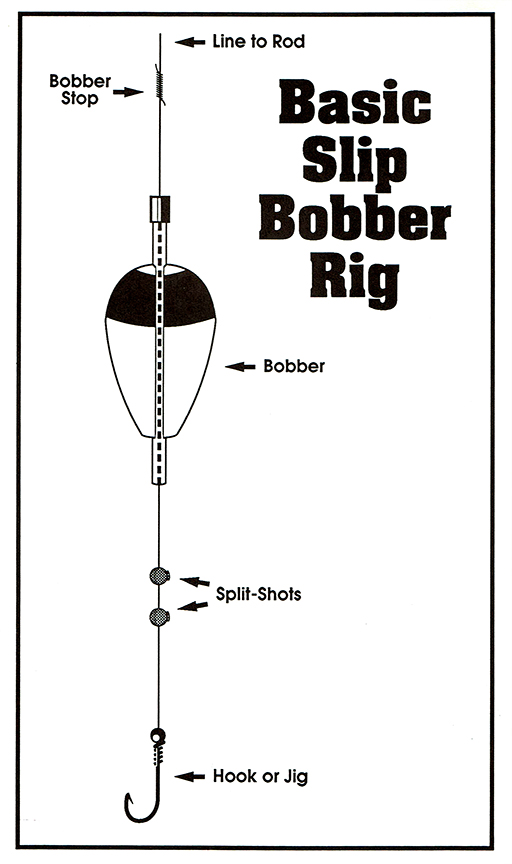
Using a slip bobber helps fishers cast farther and adjust depth easily. It slides freely on the fishing line until it hits a stop knot.
This guide explains how to attach a slip bobber with simple steps for better fishing.
Threading The Bobber Stop
Start by threading your fishing line through the small bobber stop. This stop controls how deep your bait will go.
Make sure the stop is tight enough to hold the bobber in place but not too tight to damage the line.
Adding The Bead
Next, slide a small plastic or glass bead onto your line. The bead protects the knot from the bobber’s impact.
- Choose a bead that fits snugly on your fishing line.
- Insert the bead right after the bobber stop.
- Check if the bead moves freely but stays close to the stop knot.
Inserting The Bobber
Now, slide the slip bobber onto the line. The line goes inside the bobber’s hollow tube.
Push the bobber down until it rests on the bead. It should slide smoothly along the line.
Securing The Stop Knot
Tie a strong stop knot above the bobber stop to keep it in place. This controls the fishing depth.
| Stop Knot Types | Description |
|---|---|
| Overhand Knot | Simple and fast to tie. Good for beginners. |
| Uni Knot | Strong and reliable. Holds well under tension. |
| Improved Clinch Knot | Secure and easy to adjust after tying. |
Credit: mysterytacklebox.com
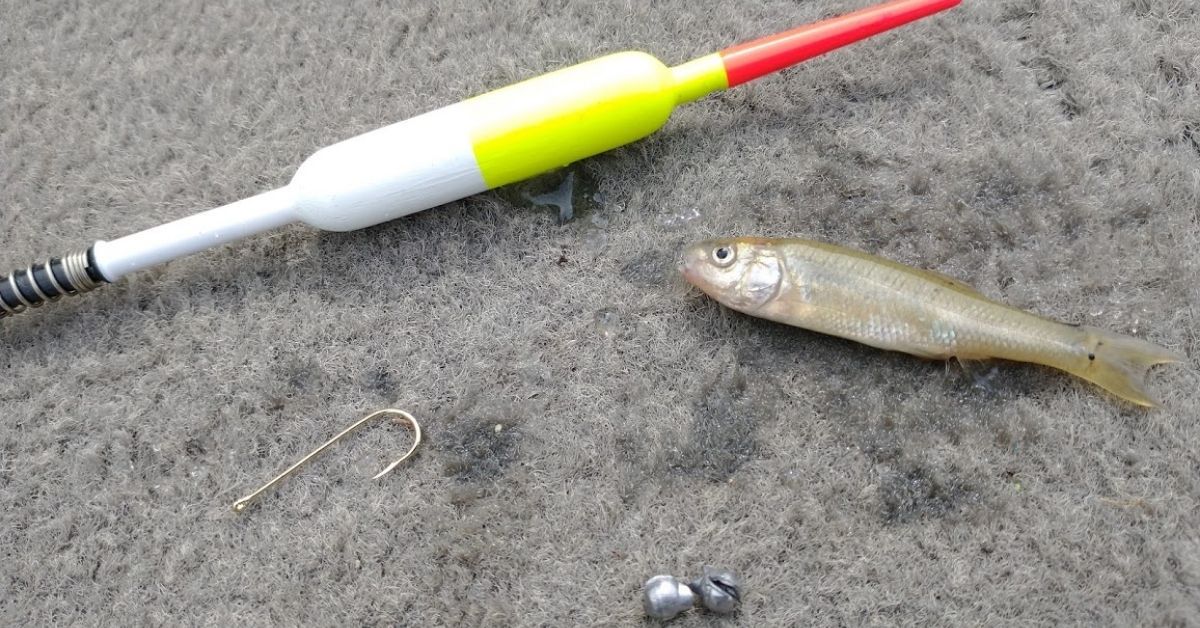
Attaching A Fixed Bobber
Putting a fixed bobber on your fishing line helps keep your bait at the right depth. This guide shows how to attach it securely.
The fixed bobber stays in one place on the line. You can adjust it to match the depth you want to fish.
Pinching The Bobber Clip
Start by holding the bobber clip with your fingers. Pinch the clip gently but firmly to open it just enough for the line.
- Use your thumb and index finger to pinch the clip.
- Do not squeeze too hard to avoid breaking the clip.
- The clip should open slightly to let the line slip in.
Sliding The Bobber Onto The Line
With the clip pinched open, slide the fishing line into the slot of the bobber. Make sure the line sits inside the clip securely.
Move the bobber to your desired fishing depth by sliding it along the line before locking it in place.
Locking The Bobber In Place
After sliding the bobber to the right spot, release the clip slowly. The clip will grip the line and hold the bobber firmly.
| Tip | Description |
| Check Security | Gently pull the bobber to ensure it does not move. |
| Adjusting | Pinch clip again to move bobber if needed. |
| Line Condition | Use a smooth, undamaged line for better grip. |
Testing Bobber Setup
After putting a bobber on your fishing line, you need to test the setup. This ensures the bobber works well for catching fish.
Testing helps you see if the bobber floats correctly and if the bait is at the right depth.
Checking Float Position
Look at where the bobber sits on the water. It should float upright and not sink too deep.
If the bobber leans or dips, it may need less weight or a different size.
Adjusting Depth
Set the bobber so your bait reaches the fish’s usual swimming level. This helps attract fish better.
Move the bobber up or down the line to change how deep the bait goes.
- Shallow water: keep bobber close to hook
- Deep water: slide bobber farther from hook
- Test by watching where bait floats near plants or bottom
Ensuring Stability
Check that the bobber stays steady in the water and does not drift too fast.
A stable bobber helps you see bites clearly and keeps your bait in place.
- Use a small weight if bobber moves too much
- Choose a bobber size that suits water conditions
- Test in calm water before fishing in streams or waves
Tips For Successful Bobber Fishing
Using a bobber on your fishing line helps you see when a fish bites. It keeps your bait at the right depth. This makes fishing easier and more fun.
To catch more fish, you need to know how to choose bait, cast your line, and read bobber movements. These tips will help you fish better with a bobber.
Choosing The Right Bait
Pick bait that fish like in your area. Worms are good for many fish types. Small minnows or insects can work too.
Use bait that matches the fish’s natural food. Fresh bait often catches more fish than old bait.
- Use live bait for active fish
- Try small pieces for picky fish
- Match bait size to fish size
Casting Techniques
Cast your line gently to avoid scaring fish. Aim for calm water near plants or rocks. Fish like to hide there.
Practice smooth, steady casts. This helps your bobber land softly and stay in place.
- Hold the rod firmly but relaxed
- Use a smooth motion to cast
- Aim for spots with shade or cover
Reading Bobber Movements
Watch your bobber closely. If it moves up and down or goes under water, a fish may be biting.
Sometimes the bobber wiggles or drifts slowly. This can also mean a fish is interested in your bait.
- Bobber sinks fast: fish took the bait
- Bobber moves side to side: fish is testing bait
- Bobber stays still: no fish yet
Frequently Asked Questions
How Do I Attach A Bobber To My Fishing Line?
To attach a bobber, slide the line through the bobber’s eyelet or clip. Secure it tightly to prevent slipping. Adjust the bobber’s position based on the desired fishing depth for effective use.
What Type Of Bobber Is Best For Beginners?
A slip bobber is best for beginners. It allows easy depth adjustments and is simple to attach. It works well for various fishing conditions and helps detect bites clearly.
How Do I Adjust The Bobber Depth Correctly?
Adjust the bobber so your bait rests just above the bottom or desired depth. Slide the bobber up or down the line until the bait is at the right level. This helps attract fish efficiently.
Can I Use Any Fishing Line With A Bobber?
Most fishing lines work with bobbers, but lightweight lines are ideal. They help the bobber float properly and respond to fish bites better. Avoid very heavy or thick lines that may hinder bobber movement.
Conclusion
Adding a bobber to your fishing line is simple and effective. It helps you see when a fish bites. Just follow the steps carefully. Choose the right size bobber for your fishing needs. Slide it on the line, secure it, and cast your line into the water.
Watching the bobber move makes fishing fun and easy. Practice a few times to feel confident. With patience, you will enjoy better fishing trips. Keep your gear ready and enjoy the peaceful time by the water. Fishing with a bobber can bring good catches and fun moments.