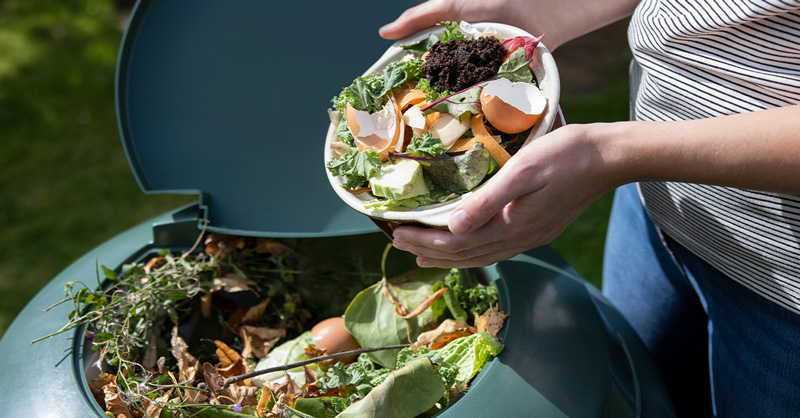
Have you ever wondered what to do with your compost bin once you have it? If you want to turn your kitchen scraps and yard waste into rich, natural fertilizer, your compost bin is the key.
But knowing how to use it effectively can make all the difference between a smelly mess and nutrient-packed soil. You’ll discover simple, practical steps to get the most out of your compost bin and transform your garden. Ready to unlock the full potential of your compost?
Keep reading to find out how.
Choosing The Right Compost Bin
Picking the right compost bin helps you recycle kitchen and garden waste easily. It also speeds up the process of turning waste into rich soil.
Different bins work better for different spaces and needs. Learn about types, size, and materials to make a smart choice.
Types Of Compost Bins
There are many compost bin types. Each one works well in certain places and with certain amounts of waste.
- Open Pile:Simple heap of compost. Good for big gardens.
- Closed Bin:Enclosed container. Keeps pests away and looks tidy.
- Tumbler:Rotates to mix compost easily. Faster breakdown of waste.
- Vermicompost Bin:Uses worms to compost food scraps quickly.
Size And Placement Tips
Choose a bin size that fits your household waste and garden space. Too small bins fill too fast. Too large bins may waste space.
| Bin Size | Best For | Placement Tips |
|---|---|---|
| Small (10-20 gallons) | Couples or small families | Place near kitchen or small garden |
| Medium (30-50 gallons) | Average family | Shaded spot with easy access |
| Large (60+ gallons) | Large families or garden waste | Spacious backyard area |
Materials To Consider
Compost bins come in different materials. Each affects durability, cost, and how well the compost breaks down.
- Plastic:Lightweight, affordable, and easy to clean.
- Wood:Natural look and good insulation but can rot over time.
- Metal:Very durable but may heat up too much in sun.
- Wire Mesh:Good airflow but may let pests in.
Credit: canadale.ca
Starting Your Compost
Composting is a great way to recycle kitchen and yard waste. It turns scraps into rich soil for gardens.
Start your compost bin with the right materials. This helps the compost break down faster.
Best Organic Materials To Use
Use a mix of green and brown materials. This balance helps create healthy compost.
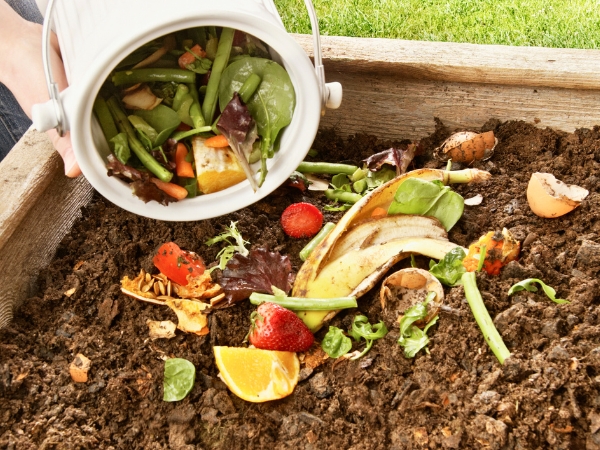
- Vegetable peels and fruit scraps
- Grass clippings and coffee grounds
- Dry leaves and small branches
- Eggshells and tea bags
Balancing Greens And Browns
Green materials are rich in nitrogen, while brown materials provide carbon. Both are needed for good compost.
Use equal parts of green and brown. This balance keeps the compost active and odor-free.
Avoiding Common Mistakes
Some items should not go in the compost bin. They can slow down the process or attract pests.
- Avoid putting meat or dairy products
- Do not use diseased plants
- Keep out pet waste and oily foods
Maintaining Your Compost Bin
Keeping your compost bin in good shape helps turn waste into rich soil. Regular care speeds up composting and prevents problems.
Simple actions can keep your bin healthy and ready for new kitchen scraps and yard waste.
Turning And Aerating
Turning your compost adds air and mixes materials. This helps bacteria break down waste faster.
Use a garden fork or compost aerator to turn the pile every 1 to 2 weeks.
- Move outer compost to the center
- Lift and mix the layers gently
- Check for dry or wet spots while turning
Managing Moisture Levels
Your compost needs to stay as damp as a wrung-out sponge. Too dry or too wet slows down the process.
Add water if the compost looks dry. Add dry materials like leaves if it is too wet.
- Check moisture by squeezing a handful
- Water lightly to avoid flooding
- Add dry scraps to soak up extra water
Dealing With Odors And Pests
Bad smells often come from too much wet material or not enough air. Turning the compost helps reduce odors.
Keep pests away by covering food scraps and avoiding meat or dairy in the bin.
- Mix in brown materials like dry leaves
- Use a tight lid or cover the bin
- Remove pests by hand if needed
- Keep the bin in a shaded, dry place

Credit: savvygardening.com
Using Finished Compost
Finished compost is dark, crumbly, and smells like earth. It is full of nutrients that plants need.
You can use finished compost in many ways to help your garden grow strong and healthy.
Soil Improvement Techniques
Add compost to your soil to improve its texture and structure. It helps sandy soil hold water and clay soil drain better.
Mix compost into garden beds or dig it into the soil before planting. This helps plants grow better roots.
- Mix compost with soil to improve air flow
- Use compost to increase water retention
- Help soil hold nutrients longer
Fertilizing Plants Naturally
Compost adds natural nutrients to your plants. It feeds them slowly and safely without chemicals.
Use compost as a top dressing around plants or mix it into potting soil for potted plants.
- Spread compost around plant bases
- Mix compost with soil for new plants
- Use compost tea for liquid feeding
Mulching Benefits
Compost works well as mulch. It keeps soil moist and cool. It also stops weeds from growing.
Apply a layer of compost around plants. This layer slowly breaks down and feeds the soil below.
- Reduces water loss from soil
- Protects plant roots from heat
- Prevents weed seeds from sprouting
Advanced Composting Tips
Composting is a great way to reduce waste and help your garden. You can take composting to the next level with some smart tips. These ideas will improve the quality of your compost and boost your plants’ health.
Below are three important areas to focus on. Each one helps you get the most from your compost bin all year round.
Composting Kitchen Scraps
Kitchen scraps are a key part of good compost. Use a mix of green and brown materials for balance. Avoid putting oily or cooked foods in the bin as they attract pests.
- Include vegetable peels, fruit scraps, and coffee grounds.
- Add shredded paper or cardboard to keep the pile dry.
- Chop large scraps to speed up decomposition.
- Turn the compost regularly for better airflow.
- Keep the compost moist but not wet.
Compost Tea For Plant Health
Compost tea is a liquid made from steeping compost in water. It contains nutrients and helpful microbes that improve soil and plant health. Use it as a natural fertilizer and disease fighter.
To make compost tea, soak a small amount of finished compost in water for 24-48 hours. Stir well before straining and using the liquid on your plants.
| Benefit | Details |
| Improves soil | Adds beneficial bacteria and fungi |
| Boosts growth | Supplies nutrients in easy-to-absorb form |
| Fights disease | Strengthens plant immune systems naturally |
| Easy to apply | Use as a foliar spray or soil drench |
Winter Composting Strategies
Composting slows down in cold weather. You can keep your bin active through winter by adjusting your methods. Protect your compost and help it break down even in low temperatures.
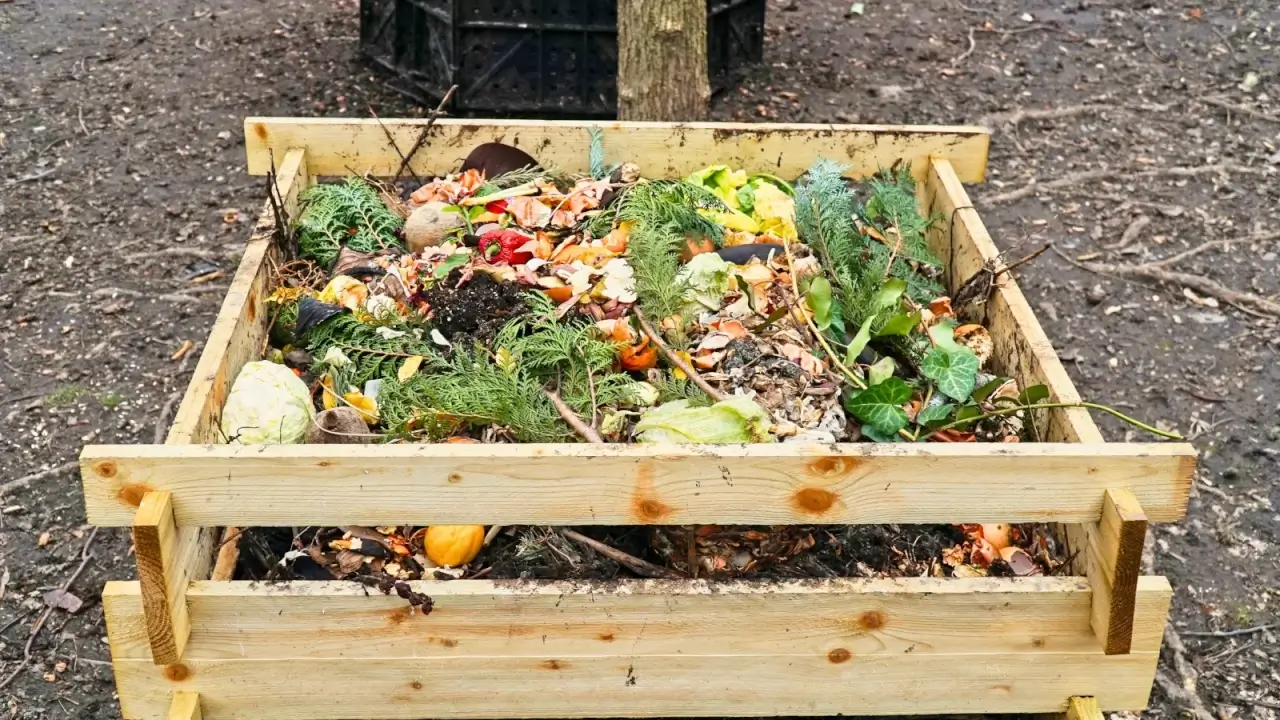
- Move your bin to a sunny spot to catch warmth.
- Add extra brown materials like leaves and straw for insulation.
- Chop scraps smaller to help faster breakdown.
- Turn the pile less often to keep heat inside.
- Use a compost bin with a lid to keep out moisture and pests.
Credit: modernfarmer.com
Eco-friendly Gardening Benefits
Using a compost bin helps gardeners reduce waste and improve their soil naturally. Composting turns kitchen scraps and yard waste into valuable nutrients for plants.
This eco-friendly method supports healthy gardens and lessens the need for chemical fertilizers. It also helps protect the environment by lowering landfill waste.
Reducing Waste Impact
Compost bins keep organic waste out of landfills. This process lowers methane gas, a harmful greenhouse gas produced when waste breaks down in landfills.
- Diverts food scraps from trash
- Reduces plastic bag use for waste
- Lowers overall garbage volume
- Decreases landfill pollution
Enhancing Soil Biodiversity
Compost adds rich organic matter to soil. This improves soil structure and feeds beneficial microbes and insects.
| Benefit | Effect on Soil |
| Microbial Growth | Boosts nutrient cycling |
| Earthworms | Improves soil aeration |
| Fungi | Helps plant root health |
Supporting Sustainable Practices
Composting supports eco-friendly gardening by cutting resource use and waste. It promotes a cycle of reuse and natural growth.
Here are ways composting supports sustainability:
- Reduces need for chemical fertilizers
- Conserves water by improving soil moisture
- Encourages local waste recycling
- Promotes healthy plant growth naturally
Frequently Asked Questions
What Can I Compost In A Compost Bin?
You can compost fruit and vegetable scraps, coffee grounds, eggshells, grass clippings, leaves, and small paper pieces. Avoid meat, dairy, and oily foods as they attract pests and slow decomposition. Properly balancing green and brown materials speeds up composting.
How Often Should I Turn My Compost Bin?
Turn your compost bin every 1-2 weeks to aerate it. This helps speed up decomposition by providing oxygen to microbes. Regular turning prevents bad odors and compacts materials for even breakdown. Use a pitchfork or compost aerator tool.
How Long Does Compost Take To Be Ready?
Compost usually takes 2 to 6 months to fully decompose. The time depends on temperature, moisture, materials, and how often you turn it. Finished compost is dark, crumbly, and smells earthy. Use it as nutrient-rich soil for your garden.
Can I Compost Weeds And Garden Waste Safely?
Yes, you can compost most weeds and garden waste if they haven’t gone to seed. Avoid composting invasive plants or those treated with herbicides. Chop large plant material to speed breakdown. This helps enrich your compost with natural nutrients.
Conclusion
A compost bin turns kitchen scraps into rich soil. It helps reduce waste and supports healthy plants. Regularly add fruit peels, vegetable bits, and yard waste. Keep the bin moist and turn it often for best results. Soon, you will have natural fertilizer for your garden.
This simple step helps both your plants and the planet. Start composting today and enjoy the benefits of healthy soil. Easy, useful, and good for nature. Why not give it a try?