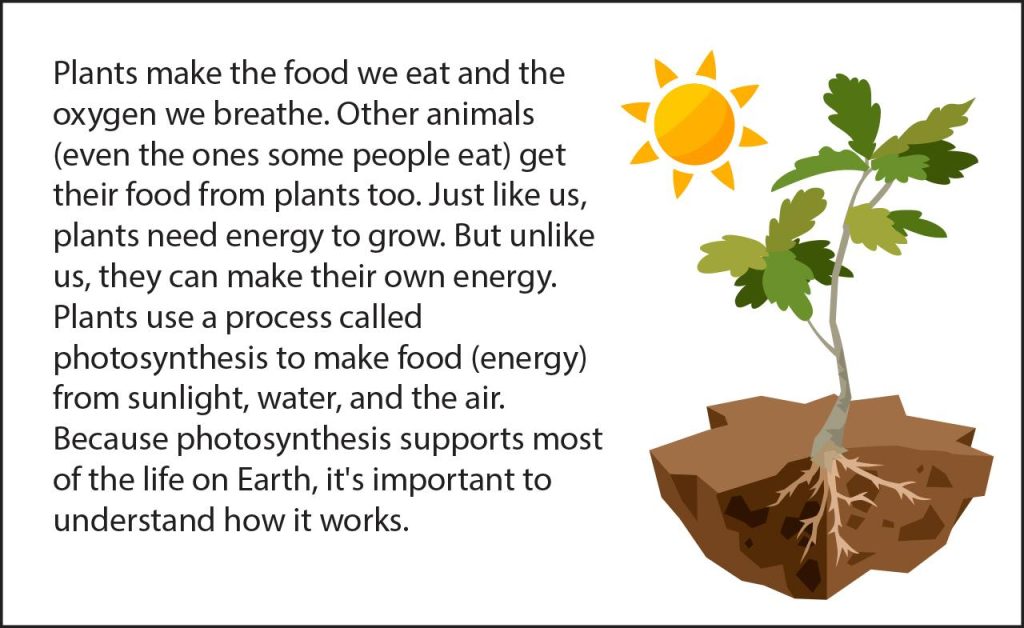
Have you ever wondered how plants manage to feed themselves without a kitchen or a grocery store? It might seem like magic, but there’s a fascinating process working behind the scenes that keeps plants alive and thriving.
Understanding how plants make their own food will not only surprise you but also help you appreciate the green world around you even more. Keep reading, and you’ll discover the simple steps plants use every day to turn sunlight into energy — a secret that’s closer to you than you think.
Credit: sklep.kagero.pl
Photosynthesis Basics
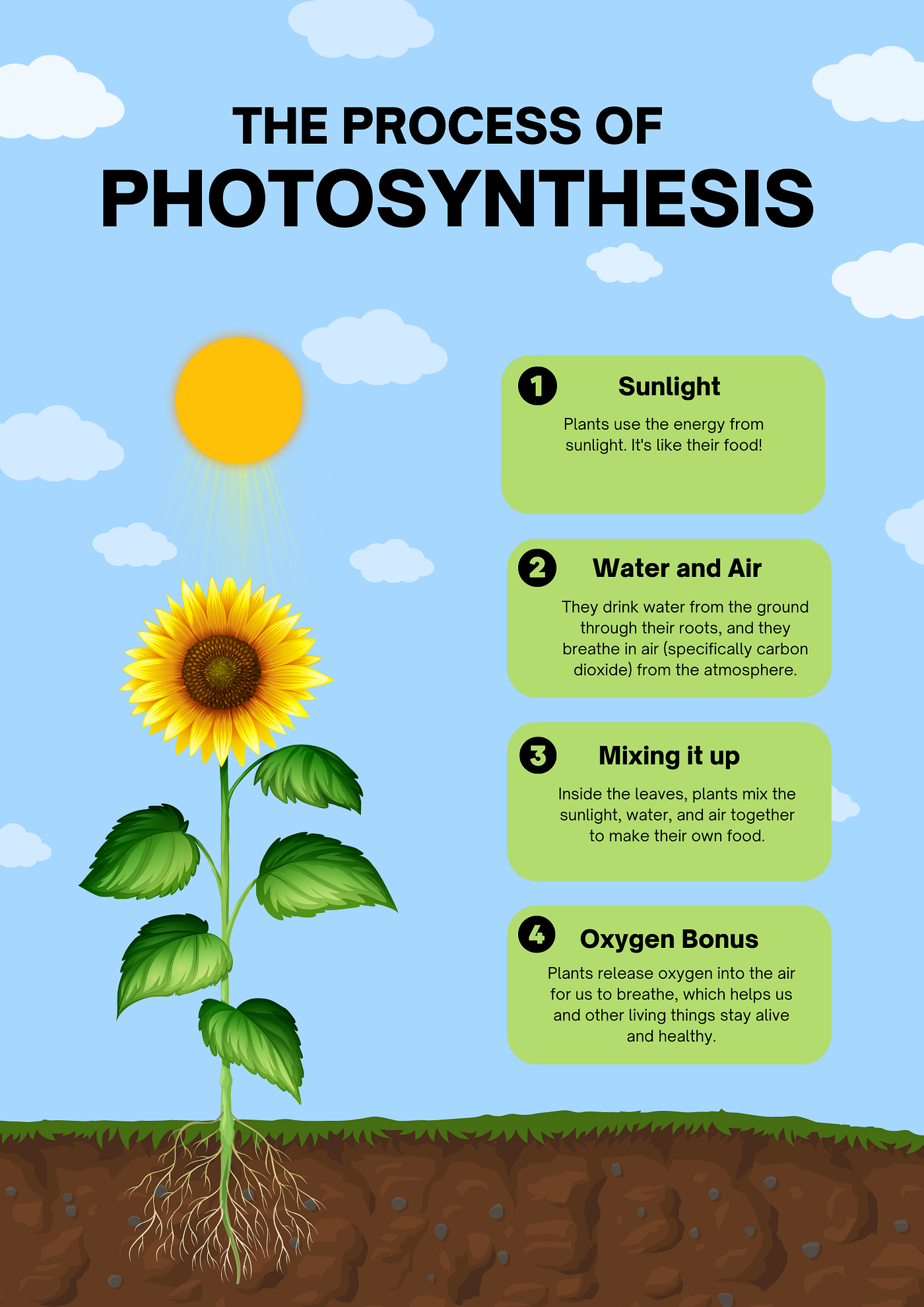
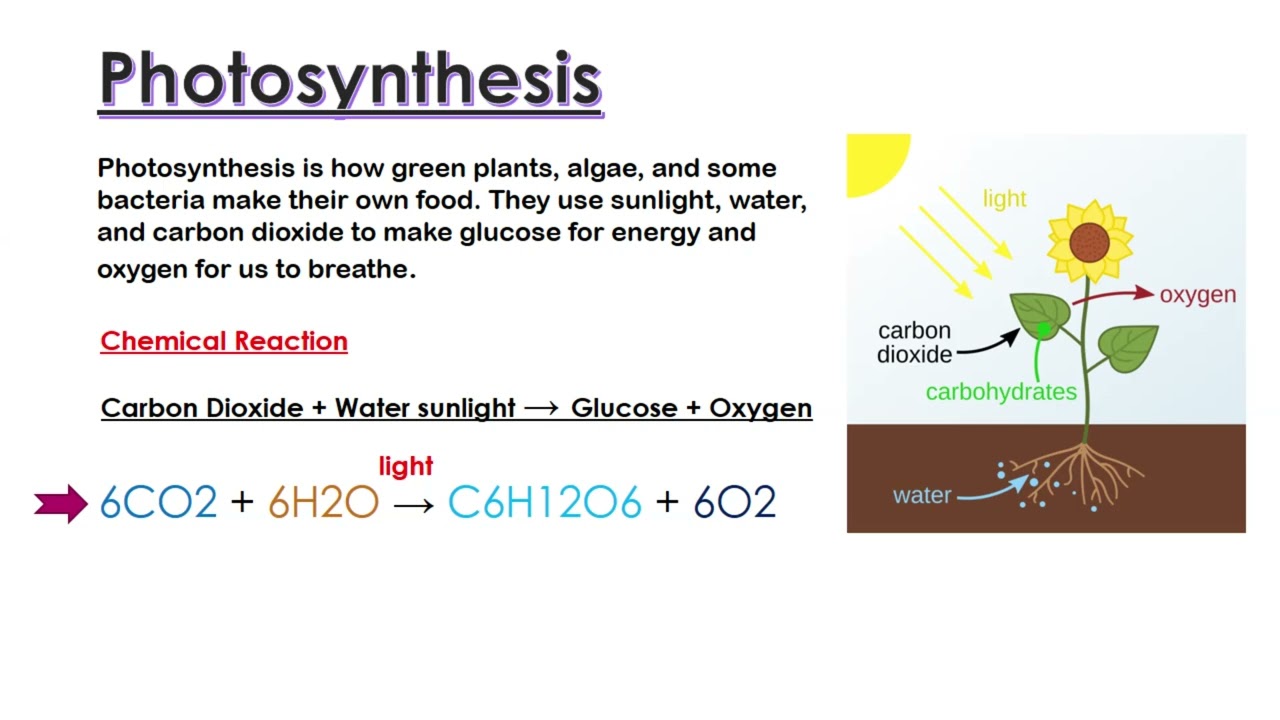
Photosynthesis is how plants make their own food. They use sunlight, carbon dioxide, and water to create energy.
This process happens in the leaves, mainly in cells with chlorophyll. Let’s explore each part of this process.
Chlorophyll And Light Absorption
Chlorophyll is a green pigment found in plant cells. It absorbs light from the sun. This light energy starts the process of photosynthesis.
- Chlorophyll absorbs mostly blue and red light.
- Green light is reflected, making leaves look green.
- Light energy is converted into chemical energy.
Role Of Sunlight In Energy Capture
Sunlight provides the energy needed for photosynthesis. Without sunlight, plants cannot make food. The energy from sunlight is captured by chlorophyll.
Carbon Dioxide And Water Intake
Plants take in carbon dioxide from the air through tiny openings in their leaves called stomata. Water is absorbed by roots from the soil.
| Element | Source |
| Carbon Dioxide | Air |
| Water | Soil |
Both carbon dioxide and water are crucial for the chemical reactions in photosynthesis.
The Photosynthesis Process
Plants make their own food through photosynthesis. This process uses sunlight to turn water and carbon dioxide into food.
Photosynthesis happens in two main parts: light-dependent and light-independent reactions. Both are important for creating energy.
Light-dependent Reactions
Light-dependent reactions happen in the plant’s chloroplasts. They need sunlight to work.
These reactions use light energy to make two molecules: ATP and NADPH. They also split water to release oxygen.
- Sunlight is captured by chlorophyll
- Water molecules split into oxygen, protons, and electrons
- ATP and NADPH are produced to store energy
- Oxygen is released into the air
Light-independent Reactions
Light-independent reactions do not need light directly. They happen in the stroma of chloroplasts.
These reactions use ATP and NADPH from the light-dependent stage. They turn carbon dioxide into a sugar called G3P.
- Carbon dioxide enters the plant
- ATP and NADPH provide energy and electrons
- Carbon dioxide is fixed into a sugar molecule
- G3P sugar is made for glucose production
Formation Of Glucose
Glucose forms when G3P molecules join together. This sugar is the plant’s food and energy source.
Glucose can store energy or build other parts of the plant like cellulose for cell walls.
- Two G3P molecules combine to form glucose
- Glucose is used for energy or stored as starch
- It helps the plant grow and repair itself
- Glucose is the base for other plant compounds
Energy Transformation In Plants
Plants make their own food using sunlight. They change light energy into chemical energy. This process is called photosynthesis.
Energy transformation helps plants grow and produce oxygen. It involves special molecules and reactions inside the plant cells.
Conversion Of Light To Chemical Energy
Plants use chlorophyll to absorb sunlight. The light energy excites electrons in the chlorophyll. This energy starts a chain of reactions.
- Sunlight hits the chlorophyll in chloroplasts
- Electrons gain energy and move through proteins
- Water molecules split to release oxygen
- Energy carriers like ATP and NADPH are formed
Atp And Nadph Functions
ATP and NADPH carry energy to the next stage of photosynthesis. They help build sugar molecules from carbon dioxide.
| Molecule | Role in Photosynthesis |
| ATP | Provides energy for sugar creation |
| NADPH | Supplies electrons and hydrogen |

Credit: sizzlekidz.com
Gas Exchange Through Stomata
Plants make their own food using sunlight, water, and air. They take in carbon dioxide (CO2) and release oxygen through tiny openings called stomata.
Stomata are small pores mostly found on the leaves. These pores help plants exchange gases needed for photosynthesis.
Opening And Closing Mechanism
Stomata open and close to control gas exchange. Guard cells surround each stoma and change shape to open or close the pore.
When guard cells fill with water, they swell and open the stomata. When they lose water, the stomata close.
- Guard cells gain water to open stomata
- Guard cells lose water to close stomata
- Opening lets CO2 in and oxygen out
- Closing stops water loss and gas exchange
Regulation Of Water Loss And Co2 Intake
Plants must balance water loss with CO2 intake. Stomata help by opening only when needed.
On hot days, stomata close to save water. This reduces CO2 intake but helps the plant survive.
- Stomata open to allow CO2 for photosynthesis
- Stomata close to reduce water loss
- Plants respond to light, humidity, and temperature
- Guard cells control stomata based on plant needs
Factors Affecting Food Production
Plants make their own food through photosynthesis. This process depends on many factors. These factors affect how well plants grow and produce food.
Understanding these factors helps us learn how plants survive and thrive. Let’s explore the main factors that affect food production in plants.
Light Intensity And Quality
Light provides the energy plants need for photosynthesis. The amount and type of light affect food production. Bright light increases the rate of photosynthesis. Different colors of light also have different effects.
- High light intensity speeds up food production
- Low light intensity slows it down
- Red and blue light support photosynthesis best
- Green light is least effective for food production
Temperature Effects
Temperature controls the speed of chemical reactions in plants. Too low or too high temperatures can harm photosynthesis. Each plant has an ideal temperature range for making food.
| Temperature (°C) | Effect on Photosynthesis |
| Below 10 | Very slow or stops |
| 15 – 35 | Optimal rate |
| Above 40 | Damage and decline |
Water Availability And Nutrients
Water is essential for photosynthesis and plant health. Nutrients from soil help plants grow strong. Lack of water or nutrients limits food production. Plants need both in the right amounts.
Key nutrients plants need:
- Nitrogen (N) – for leaf growth
- Phosphorus (P) – for roots and energy transfer
- Potassium (K) – for overall function
- Magnesium (Mg) – for chlorophyll production
- Calcium (Ca) – for cell wall strength
Credit: www.youtube.com
Plants Beyond Photosynthesis
Most people know plants make food by photosynthesis. They use sunlight, water, and carbon dioxide to create energy. But some plants use other ways to get food.
These different methods help plants survive in places with less sunlight or poor soil. Let’s explore some of these unique food-making methods and special adaptations.
Alternative Food-making Methods
Some plants do not rely fully on photosynthesis. They get nutrients by other means. One way is through carnivory. Carnivorous plants trap insects and digest them to get nitrogen.
Other plants form partnerships with fungi or bacteria. These partners help plants absorb nutrients from the soil. This is common in plants growing in poor soil.
- Carnivorous plants catch insects for nutrients
- Mycorrhizal fungi help roots absorb minerals
- Legumes work with bacteria to fix nitrogen
- Parasitic plants take nutrients from other plants
Adaptations In Different Environments
Plants live in many environments, from deserts to swamps. Each place needs special ways to get food. Desert plants store water and reduce leaf size to save energy.
In shady forests, some plants grow large leaves to catch more light. Others live on trees and get nutrients from rain and air. These adaptations help plants survive and grow.
- Desert plants store water and have small leaves
- Shade plants grow big leaves to catch sunlight
- Epiphytes live on trees and absorb water from air
- Swamp plants have air tubes to breathe in wet soil
Frequently Asked Questions
What Process Do Plants Use To Make Food?
Plants make food through photosynthesis. They convert sunlight, water, and carbon dioxide into glucose and oxygen. This process occurs mainly in leaves.
Why Is Chlorophyll Important For Plant Food Production?
Chlorophyll absorbs sunlight needed for photosynthesis. It gives leaves their green color and helps convert light energy into chemical energy.
How Do Plants Get The Raw Materials For Food?
Plants absorb water from soil through roots. They take carbon dioxide from the air through leaf pores called stomata.
What Role Does Sunlight Play In Food Making?
Sunlight provides energy for photosynthesis. Without sunlight, plants cannot produce food, affecting their growth and survival.
Conclusion
Plants make their own food using sunlight, water, and air. This process, called photosynthesis, helps them grow and stay healthy. Plants also produce oxygen, which animals and humans need to breathe. Understanding how plants feed themselves shows how important they are for life on Earth.
Next time you see a green leaf, remember the amazing work happening inside. Nature’s way of making food is simple, yet powerful. It keeps our world alive and balanced every day.