Have you ever wondered when the baseball bat was first invented? If you’re curious about the origins of this iconic piece of sports equipment, you’re in the right place.
The story behind the baseball bat is full of interesting twists and surprising facts that might change the way you see the game. By the end of this article, you’ll not only know when the baseball bat came to life but also understand how it evolved into the powerful tool players use today.
Keep reading to uncover the fascinating history that shaped your favorite sport.
Early Origins Of Baseball Bats
Baseball bats have a long history. Their design has changed over time. Understanding their origins helps us appreciate the game.
In the beginning, bats were simple tools. They evolved as the game of baseball became popular.
Pre-19th Century Bat-like Tools
Before baseball, people used bat-like tools. These were often sticks or clubs. They were made from wood found nearby.
These tools were not uniform. They varied in size and shape. Early players crafted them by hand.
- Sticks used in early games
- Carved from local wood
- Varied in design
Influence Of English Bat-and-ball Games
English games influenced baseball bat development. Cricket and rounders used bats. These games were played with wooden tools.
These games shaped the way bats were made. They also influenced how people played bat-and-ball games in America.
- Cricket used flat bats
- Rounders used shorter bats
- Inspired American bat designs
The 19th Century Baseball Bat Evolution
The baseball bat has changed a lot since the 1800s. In the 19th century, players and makers shaped the bat’s design.
This time saw early bats made by hand. Different styles and materials were tested to improve play.
First Recorded Use In Baseball
The first time a bat was used in baseball dates back to the early 1800s. Players made bats from wood they found nearby.
Early games did not have rules for bat size or shape. Players used bats that felt right for them.
Materials And Shapes Used
Wood was the main material for bats in the 19th century. Ash wood became popular because it was strong and light.
Bat shapes changed a lot. Some were thick and heavy, others were thin and light. Players chose what suited their style.
- Round barrels for better hitting
- Tapered handles for grip
- Different lengths from 30 to 42 inches
- Knobs added at the handle end for control
Standardization Efforts
By the late 1800s, rules began to set bat standards. Leagues wanted fair play and safety for players.
Standard sizes and weights helped make the game more balanced. This led to the bats used today.
- Maximum length of 42 inches
- Maximum diameter of 2.75 inches
- Use of ash or similar woods
- Bats must be round and smooth
Key Figures In Bat Development
The baseball bat has a long history with many people helping to improve it. Early designs were simple, but changes made the bat better for hitting.
Several inventors and companies played important roles in shaping the bat into what it is today. Their work helped players perform well on the field.
Innovators And Manufacturers
One early innovator was Abner Doubleday, often credited with popularizing baseball, though not the bat itself. The real bat makers came later.
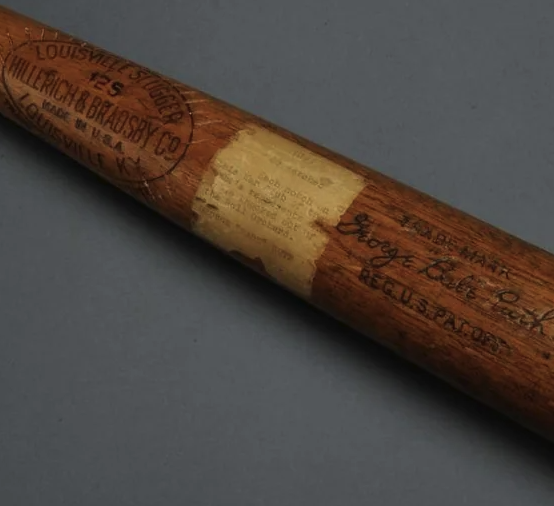
The Louisville Slugger company, started by J. Frederick Hillerich in the late 1800s, became a famous bat manufacturer. They made bats by hand at first.
- J. Frederick Hillerich: Founded Louisville Slugger in 1884
- Adolph Luhrsen: Early bat maker in the 19th century
- Rawlings Sporting Goods: Known for mass producing quality bats
Notable Patents And Designs
Many patents helped improve baseball bats. These patents covered bat shapes, wood types, and ways to make bats stronger.
One famous patent from the 1880s was for a bat with a thicker handle and thinner barrel. This design helped players swing faster.
- Patent for a laminated bat design, making bats more durable
- Invention of the knobbed bat to help grip better
- Use of ash and hickory woods for strength and lightness

Credit: newatlas.com
Impact Of Bat Design On The Game
The design of the baseball bat has changed a lot since it was first made. These changes affect how players hit the ball and how the game is played.
Bats today are made to help players swing faster and hit farther. The shape, size, and weight all play a role in player success.
Changes In Bat Length And Weight
Early baseball bats were heavier and longer than most used now. Players needed strong arms to swing them well.
Today, bats come in many lengths and weights. Players pick bats that fit their strength and hitting style.
- Longer bats help reach balls farther away
- Lighter bats allow faster swings
- Heavier bats can hit the ball harder but swing slower
- Players balance length and weight for control and power
Effect On Player Performance
Bat design affects how well players hit the ball. A good bat helps players make contact and drive the ball far.
Choosing the right bat can increase a player’s confidence and improve their hitting skills during the game.
- Faster swings give more control over the ball
- Proper weight reduces player fatigue during games
- Better bat balance helps with timing and accuracy
- Custom bats fit each player’s needs for best performance
Modern Baseball Bats
Baseball bats have changed a lot since they were first invented. Today, players use bats made from different materials and with new technology. These changes affect how the bats perform and how the game is played.
This article looks at modern baseball bats by comparing wood and aluminum bats, exploring new technology, and explaining rules that control bat use.
Wood Vs. Aluminum Bats
Wood bats have been used for many years in baseball. They offer a traditional feel and sound. Aluminum bats are lighter and can hit the ball farther. Each type has benefits and drawbacks.
- Wood Bats:Heavier, break easier, used in professional leagues.
- Aluminum Bats:Lighter, last longer, common in amateur and college games.
- Performance:Aluminum bats provide more power but less control for some players.
- Cost:Wood bats are usually cheaper but need replacing more often.
Technological Advances
New technology has improved how baseball bats work. Manufacturers use better materials and designs to help players hit better and reduce injury risks.
| Technology | Purpose |
|---|---|
| Composite Materials | Make bats lighter and stronger |
| Vibration Dampening | Reduce sting on players’ hands |
| Barrel Design | Increase hitting area and power |
| Weight Distribution | Improve swing speed and control |
Regulations And Standards
Baseball leagues have rules about what bats players can use. These rules keep the game fair and safe for everyone.
- Wood bats must meet certain size and weight limits.
- Aluminum bats must pass tests for speed and safety.
- Some leagues do not allow aluminum bats.
- Bat certification labels show if a bat is approved for play.

Credit: authenticbats.com
Fun Facts And Surprising Discoveries
The baseball bat has a long history, but when was it first invented? People used simple wooden sticks to hit balls in early bat-and-ball games. Over time, the bat evolved into what we see today. Some facts about baseball bats might surprise you.
From unusual materials to record-breaking sizes, baseball bats have a rich story. They also hold cultural importance beyond just sports. Let’s explore some fun and surprising details about baseball bats.
Unusual Bat Materials
Wood is the most common material for baseball bats. Early bats were made from ash, maple, and hickory. Some players tried other materials to improve performance or durability.
- Aluminum bats became popular in amateur baseball.
- Carbon fiber bats offer light weight and strength.
- Even bamboo has been used for its flexibility.
- In the past, some bats were made from metal alloys.
These materials changed how the bat feels and performs. Wood remains the official choice in professional leagues.
Record-breaking Bats
The longest baseball bat ever made was over 120 feet tall. It was built as a display, not for actual play. The heaviest bat weighed nearly 100 pounds, much heavier than a typical bat.
- Longest bat: 120 feet, built in 1992 in the USA.
- Heaviest bat: about 100 pounds, used for shows.
- Standard bat length: 32 to 34 inches for adults.
- Professional bats usually weigh between 30 and 34 ounces.
These records show how bats can vary a lot. Size and weight affect how players swing and hit the ball.
Cultural Significance
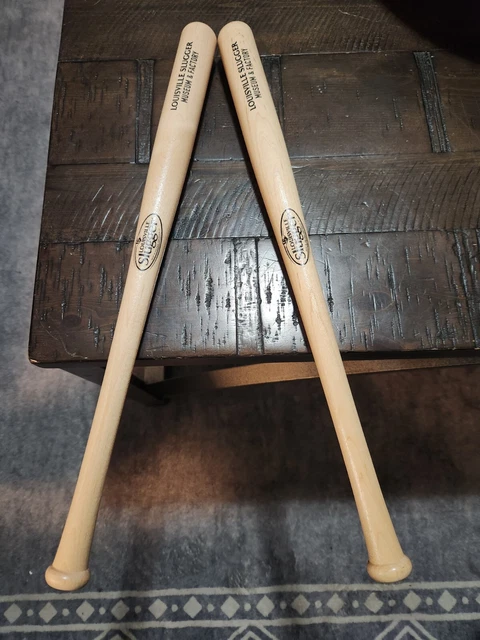
Baseball bats are more than sports tools. They represent tradition and teamwork in many countries. Players often keep bats as keepsakes or gifts.
In some places, bats appear in art and stories. They symbolize strength and skill. Baseball bats connect fans and players worldwide.
Credit: picclick.ca
Frequently Asked Questions
When Was The Baseball Bat First Invented?
The baseball bat was first invented in the mid-1800s. Early players used handcrafted wooden bats before mass production began.
Who Invented The First Baseball Bat?
The exact inventor is unknown, but early bats were handmade by players and local craftsmen in the 1840s and 1850s.
How Has The Baseball Bat Evolved Over Time?
Baseball bats evolved from simple wooden sticks to standardized designs. Modern bats feature specific sizes, weights, and materials for performance.
What Materials Were Originally Used For Baseball Bats?
Early baseball bats were made from solid wood, typically ash or hickory, prized for their strength and flexibility.
Conclusion
The baseball bat has a long and interesting history. People first used simple wooden sticks to hit balls. Over time, designs changed to improve the game. Today’s bats come in many shapes and sizes. They reflect years of skill and craftsmanship.
Knowing when the bat was invented helps us appreciate baseball more. It shows how sports evolve with time. The bat remains a key part of the game’s fun and challenge. Every swing connects players to a rich past. Baseball and its bat will keep growing together.