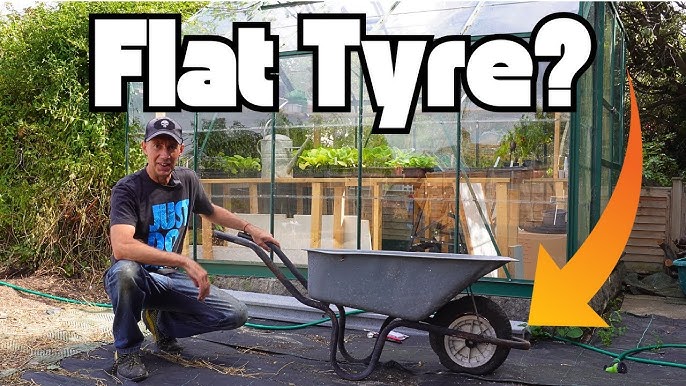
Is your wheelbarrow tire flat or losing air? It can be frustrating when you’re ready to get work done, but your tire won’t cooperate.
Knowing how to pump up a wheelbarrow tire quickly and correctly can save you time and effort. In this guide, you’ll discover simple steps that anyone can follow—even if you’ve never done it before. Keep reading, and you’ll have your wheelbarrow rolling smoothly in no time.

Credit: www.youtube.com
Tools Needed
Pumping up a wheelbarrow tire is simple with the right tools. You will need a pump and a few extra items to make the job easier.
This guide explains the tools you need and their uses. It helps you get your wheelbarrow ready fast.
Types Of Pumps
There are different pumps to fill your wheelbarrow tire. Each pump works well depending on your needs and tire type.
- Hand Pump:Small and portable. Good for low-pressure tires.
- Foot Pump:Uses your foot to push air. Easier for bigger tires.
- Electric Pump:Fast and requires little effort. Best for quick inflation.
- Air Compressor:Powerful and used for many tires. Often found in garages.
Additional Accessories
Some extra tools help make pumping easier and more accurate. These accessories keep your tire in good shape.
- Pressure Gauge:Measures air pressure inside the tire. Prevents over or under inflation.
- Valve Adapter:Fits different valve types. Makes pump use easier.
- Tire Repair Kit:Fixes small leaks or holes in the tire.
- Air Hose:Connects pump to tire. Allows better reach and movement.
Checking Tire Condition
Before pumping up a wheelbarrow tire, you need to check its condition. This helps you avoid problems while working.
Look closely at the tire to see if it is safe to inflate. A damaged tire can cause accidents or leaks.
Inspecting For Damage
Check the tire surface for cracks, cuts, or holes. Damage can make the tire unsafe or cause air leaks.
Look at the tire tread and sidewalls for any signs of wear or weakness. Also, check the valve stem for damage.
- Cracks or splits on the tire surface
- Visible holes or punctures
- Worn or bald tread
- Damaged or bent valve stem
Assessing Air Pressure
Use a tire pressure gauge to check the current air pressure. The right pressure keeps the tire firm and safe.
Compare the pressure reading with the recommended tire pressure. If it is low, you need to add air carefully.
- Check tire sidewall for pressure info
- Use a pressure gauge for accuracy
- Do not overinflate the tire
- Adjust pressure to match the recommended level
Removing The Valve Cap
Pumping up a wheelbarrow tire starts with removing the valve cap. This is a simple yet essential step.
The valve cap protects the valve from dirt and damage. It must be removed carefully to avoid losing it.
Locating The Valve Cap
The valve cap is found on the tire’s valve stem. It is usually small and made of plastic or metal.
- Inspect the tire to find the valve stem.
- Look for a small cap on the end of the valve.
- Make sure you have a clear view of the cap.
Unscrewing The Valve Cap
Twist the valve cap counterclockwise to remove it. Keep a firm grip to avoid dropping it.
Checking The Valve Stem
Once the cap is off, inspect the valve stem for any damage. A clean and undamaged valve ensures efficient inflation.
| Action | Purpose |
| Remove Cap | Access the valve |
| Inspect Valve | Ensure no damage |
| Store Cap | Prevent loss |
Attaching The Pump
Attaching the pump correctly is important to fill your wheelbarrow tire with air. A good connection stops air leaks and makes pumping easier.
Follow simple steps to attach the pump head tightly to the tire valve. This helps the tire get the right pressure fast.
Securing The Pump Head
First, find the valve on your wheelbarrow tire. It looks like a small metal stem. Place the pump head on the valve carefully.
Press the pump head firmly onto the valve. Some pumps have a lever to lock the head in place. Flip the lever down to secure it.
- Locate the tire valve
- Place the pump head on the valve
- Push the head firmly
- Flip the lever down if available
Ensuring A Tight Seal
Check for air leaks before you start pumping. A tight seal keeps air inside the tire during inflation.
If you hear hissing, adjust the pump head or press it harder. Make sure the lever is locked to keep a strong seal.
- Listen for hissing sounds
- Push the pump head more firmly
- Lock the lever if your pump has one
- Repeat until no air escapes
Pumping The Tire
Pumping a wheelbarrow tire keeps it ready for use. Proper inflation helps the wheel roll smoothly.
Using the right pump and pressure makes the job easier. It also prevents damage to the tire.
Recommended Pressure Levels
Check the tire sidewall for the recommended pressure number. Most wheelbarrow tires need 20 to 35 psi.
Too much pressure can cause a blowout. Too little pressure makes pushing harder and can damage the tire.
- Inflate between 20 and 35 psi for best performance
- Lower pressure for rough or soft ground
- Higher pressure for hard surfaces and heavy loads
Pumping Techniques
Use a hand pump or air compressor with a proper nozzle for the valve. Secure the nozzle tightly to avoid air leaks.
Pump air slowly and steadily. Stop often to check the pressure with a gauge. This prevents overinflation.
- Attach the pump nozzle securely to the valve
- Pump air in slow, steady strokes
- Check tire pressure regularly with a gauge
- Stop pumping when the recommended pressure is reached

Credit: www.youtube.com
Detaching The Pump And Sealing
After inflating a wheelbarrow tire, detaching the pump properly is key to avoid air loss. Sealing the valve correctly keeps the tire airtight and maintains pressure.
Follow simple steps to remove the pump head and replace the valve cap. These steps help keep your tire ready for use and prevent leaks.
Removing The Pump Head
Detach the pump head carefully from the tire valve. Quick removal prevents air from escaping and protects the valve stem.
- Hold the pump head firmly to avoid slipping.
- Unlock the lever or release the clip securing the pump head.
- Pull the pump head straight off the valve stem.
- Check the valve for any damage or debris.
Replacing The Valve Cap
The valve cap protects the valve and keeps dirt out. Always replace it after removing the pump head.
| Action | Reason |
|---|---|
| Clean valve area | Removes dirt and prevents blockage |
| Screw valve cap on tightly | Keeps air sealed inside the tire |
| Check cap condition | Replace if cracked or missing |
Troubleshooting Common Issues
Pumping up a wheelbarrow tire is usually quick. Sometimes problems stop the pump from working right.
Knowing common issues helps you fix the tire fast and get back to work.
Air Leaks
Air leaks cause the tire to lose pressure quickly. Check the valve and tire for holes or cracks.
- Listen for hissing sounds near the valve or tire
- Inspect the valve stem for damage or dirt
- Look over the tire surface for punctures or cuts
- Use soapy water on the valve and tire to spot bubbles
- Replace the valve core if it is loose or damaged
Pump Malfunctions
A broken or clogged pump stops air from filling the tire. Check the pump parts carefully.
| Problem | Cause | Solution |
| Handle hard to push | Rust or stuck parts | Lubricate moving parts |
| No air flow | Clogged valve or hose | Clean or replace parts |
| Pump head leaks air | Worn seals | Replace seals or pump head |
| Pressure gauge not working | Broken gauge | Replace gauge |

Credit: www.youtube.com
Frequently Asked Questions
How Do I Know When A Wheelbarrow Tire Needs Air?
Check if the tire looks flat or feels soft when pressed. A properly inflated tire feels firm and supports weight evenly. Low air pressure makes pushing harder and can damage the tire. Regularly inspect for softness to maintain optimal performance.
What Type Of Pump Is Best For Wheelbarrow Tires?
A manual hand pump or a portable air compressor works best. Ensure the pump fits the tire valve, usually a Schrader valve. Using the correct pump avoids valve damage and inflates the tire efficiently, making wheelbarrow use easier and safer.
How Much Air Pressure Should A Wheelbarrow Tire Have?
Most wheelbarrow tires need 30 to 40 PSI, but check the tire sidewall for exact specs. Proper pressure ensures smooth movement and prevents tire damage. Use a pressure gauge to avoid over or under-inflation for best results.
Can I Pump Up A Flat Tire Without Removing It?
Yes, you can inflate the tire while still on the wheelbarrow. Position the pump nozzle on the valve stem securely. Inflate gradually and check pressure frequently to avoid over-inflation or damage during the process.
Conclusion
Pumping up a wheelbarrow tire is simple with the right steps. Check the tire for damage before starting. Use a pump that fits the valve well. Pump air slowly and watch the tire fill. Stop when the tire feels firm but not too hard.
Regularly keeping your tire full makes work easier. A well-pumped tire lasts longer and rolls smoothly. Small effort, big difference. Keep your wheelbarrow ready for every job.