Are you tired of waking up to find your carefully planted garden beds full of holes and missing vegetables? Keeping critters out of your raised garden beds can feel like an endless battle.
But what if you could protect your plants easily and enjoy a thriving garden all season long? You’ll discover simple, effective ways to keep those pesky animals away without harming your garden. Keep reading, and you’ll learn how to create a safe haven for your plants that lets you focus on growing, not chasing critters.

Credit: www.reddit.com
Common Garden Bed Pests
Keeping critters out of your raised garden beds can be a challenge. Many pests enjoy feasting on your hard-grown produce.
Understanding what critters are in your area helps in protecting your plants. Let’s explore how to identify them and recognize the damage they cause.
Identifying Local Critters
Each region has specific critters that might invade garden beds. Knowing what to look for is essential.
- Rabbits: Often spotted at dawn or dusk, they leave behind droppings.
- Squirrels: Active during the day, they dig up seeds.
- Deer: Known for eating leaves and flowers, they leave hoof prints.
Damage Patterns To Watch For
Spotting damage early can save your garden. Each critter leaves different signs.
| Critter | Damage Pattern |
| Rabbits | Clean cuts on stems and leaves |
| Squirrels | Scattered seeds and uprooted plants |
| Deer | Ragged edges on leaves |

Credit: www.reddit.com
Physical Barriers
Keeping critters out of raised garden beds is important to protect your plants. Physical barriers stop animals from reaching your crops.
Using fences, netting, and smart bed designs can help you keep pests away. These methods are safe and effective.
Installing Fencing
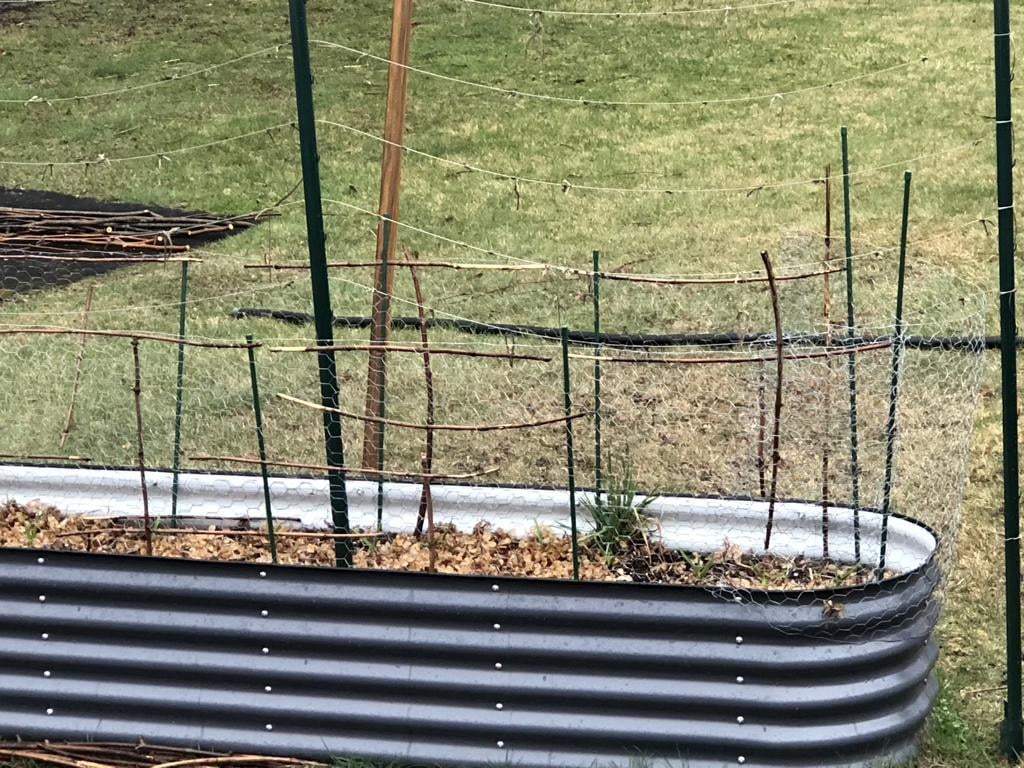
Fencing is a strong way to block animals from raised beds. Use wire or mesh fences around the garden.
Make sure the fence is tall enough and buried a few inches underground. This stops animals from jumping over or digging under.
- Use metal mesh or chicken wire
- Fence height should be at least 3 feet
- Bury bottom edge 6 inches deep
- Check and repair holes often
Using Netting And Covers
Netting and covers protect plants from birds and insects. They create a barrier while letting sunlight and rain through.
Use lightweight netting over plants or cover the entire bed with a frame and net. Remove covers when plants need pollination.
- Choose bird or insect netting
- Use hoops or frames to hold netting up
- Secure edges to the ground
- Lift covers for watering and harvesting
Raised Bed Design Tips
Design your raised bed to help keep critters out. Use materials and shapes that discourage pests.
Build taller beds and add smooth sides to stop climbing animals. Avoid gaps where small animals can enter.
- Make beds at least 12 inches tall
- Use smooth wood or metal sides
- Seal gaps or cracks tightly
- Add a bottom barrier for digging animals
Natural Deterrents
Raised garden beds are great for growing plants. Keeping critters away is important to protect your crops.
Using natural deterrents helps keep animals out without chemicals. This is safe for your plants and the environment.
Planting Repellent Species
Some plants naturally keep critters away. Planting these near your garden beds can help protect your vegetables.
Strong smells or tastes confuse animals and make them avoid the area.
- Marigolds repel insects and rabbits.
- Lavender keeps deer and moths away.
- Garlic and onions deter many pests.
- Chili peppers stop animals from eating plants.
- Mint repels ants and mice.
Homemade Spray Solutions
Spraying your plants with natural solutions can keep critters away. These sprays are easy to make at home.
Use ingredients that animals dislike to protect your garden beds without harming them.
- Mix water with crushed garlic and spray on plants.
- Use chili pepper powder mixed with water as a spray.
- Soap and water spray can deter insects.
- Vinegar diluted in water works for some pests.
- Essential oils like peppermint mixed with water repel many animals.
Traps And Baits
Keeping critters out of raised garden beds helps protect plants. Using traps and baits can control unwanted animals safely.
Choosing the right traps and baits makes your garden less attractive to pests. This guide explains safe traps and effective bait options.
Safe Trap Options
Safe traps catch animals without hurting them. These traps let you release critters far from your garden.
Live traps come in many forms. They are easy to use and work on animals like squirrels, rabbits, and raccoons.
- Wire cage traps with a door that closes when triggered
- Box traps that close when an animal enters
- Bucket traps designed to hold small animals safely
Effective Bait Choices
Bait attracts critters to traps. Using the right bait increases your chances of catching them.
Different animals prefer different foods. Choose bait based on the pest you want to catch.
- Peanut butter for squirrels and mice
- Fresh vegetables like carrots for rabbits
- Fruit pieces such as apples for raccoons
- Birdseed or nuts for small rodents
Maintaining Garden Hygiene
Keeping your raised garden beds clean helps keep critters away. Dirt and debris can attract unwanted animals. Good garden hygiene makes your plants safer and healthier.
Simple daily habits can prevent pests and protect your garden. Focus on removing things that attract critters and cleaning your garden regularly.
Removing Attractants
Critters come to gardens looking for food, water, and shelter. Removing these attractants can stop them from visiting.
- Clear fallen fruits and vegetables from the soil.
- Keep compost bins sealed and away from beds.
- Remove standing water and fix leaks.
- Trim dense plants where animals can hide.
- Store pet food indoors and clean feeding areas.
Regular Cleaning Practices
Cleaning your raised beds often helps reduce pest problems. It also keeps plants strong and soil healthy.
| Cleaning Task | Frequency | Purpose |
| Remove dead leaves and stems | Weekly | Stops pests from nesting |
| Turn the soil | Monthly | Reduces insect eggs |
| Wash tools and containers | After use | Prevents disease spread |
| Inspect plants for damage | Weekly | Detects pest problems early |
Encouraging Beneficial Wildlife
Keeping critters out of raised garden beds can be a challenge. Encouraging helpful wildlife is a natural way to protect your plants.
Birds, insects, and other animals can control pests and improve your garden’s health without chemicals.
Attracting Predators
Predators like ladybugs, spiders, and birds eat harmful insects. Attracting them helps reduce pest damage naturally.
- Plant flowers such as marigolds and daisies to attract ladybugs.
- Install bird feeders or birdbaths nearby to invite insect-eating birds.
- Avoid pesticides that can harm beneficial predators.
- Provide shallow water sources for wildlife to drink.
Creating Habitat For Helpers
Creating spaces for helpful animals encourages them to stay in your garden. This supports pest control and plant health.
| Habitat Feature | Benefits |
| Brush piles | Offer shelter for frogs and insects |
| Native plants | Provide food and nesting areas |
| Bee hotels | Encourage native pollinators |
| Mulch | Protect soil and host ground insects |
Monitoring And Early Detection
Keeping critters out of raised garden beds starts with watching your garden often. Early detection helps stop damage before it grows worse.
Checking your garden regularly lets you spot signs of animals early. This keeps your plants safe and healthy.
Routine Inspections
Look over your garden beds every few days. Walk around and check all sides for holes or broken fences. Check the soil for new holes or tunnels.
- Inspect fences and barriers for gaps or damage
- Check soil for fresh digging or burrows
- Look under leaves for disturbed plants
- Examine stems and leaves for bite marks
- Notice any unusual footprints or tracks
Signs Of Critter Activity
Recognize signs that animals have been in your garden. Knowing these signs helps you act fast to protect your plants.
| Sign | What It Means |
|---|---|
| Chewed leaves or stems | Animals feeding on plants |
| Fresh holes or tunnels | Digging animals like moles or voles |
| Tracks in soil | Footprints from rabbits, squirrels, or deer |
| Droppings | Presence of specific critters nearby |
| Damaged mulch or soil moved | Searching for insects or roots |

Credit: frameitall.com
Frequently Asked Questions
How Do I Prevent Critters From Entering Raised Beds?
Install physical barriers like wire mesh or hardware cloth around your raised beds. Secure edges tightly to block small animals. Use natural repellents or companion plants to deter critters effectively without harming your garden.
What Are The Best Natural Repellents For Garden Critters?
Natural repellents include garlic spray, neem oil, and chili pepper solutions. These deter pests by scent or taste without chemicals. Regular application improves effectiveness and keeps your raised garden beds safe from unwanted visitors.
Can Fencing Protect Raised Garden Beds From Animals?
Yes, fencing is effective in keeping larger animals out. Use sturdy materials like chicken wire or hardware cloth. Ensure the fence is tall enough and buried a few inches underground to prevent digging critters from entering.
Which Plants Help Repel Critters In Raised Beds?
Plant herbs like rosemary, lavender, and mint near raised beds. Their strong scents naturally repel many garden pests. Companion planting also improves soil health and attracts beneficial insects for pest control.
Conclusion
Keeping critters away protects your plants and saves your effort. Use barriers like wire mesh to block small animals. Plant strong-smelling herbs to keep pests distant. Regularly check your garden for signs of intruders. Stay consistent with these simple steps to enjoy healthy plants.
A little care makes your raised beds thrive. Gardening can be peaceful without unwanted visitors. Try these tips and watch your garden grow safely.