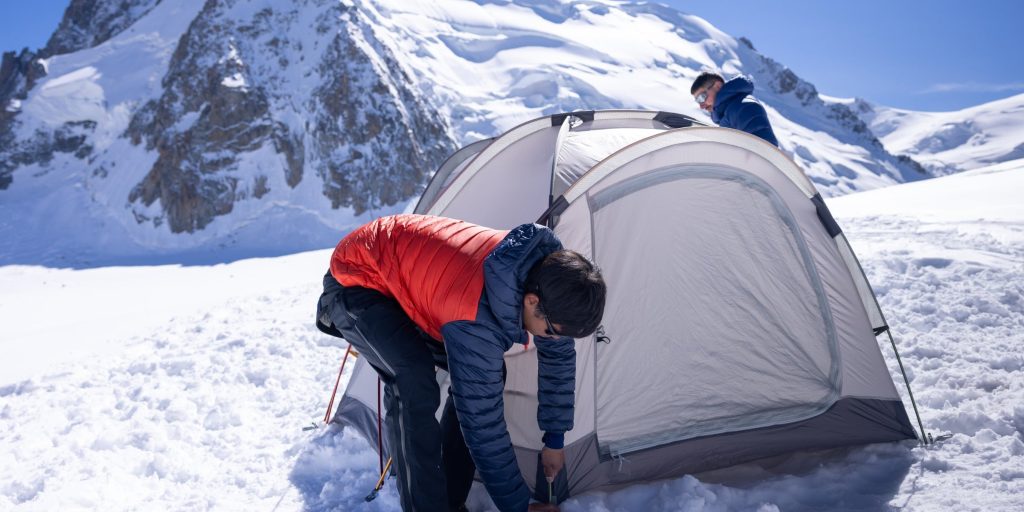
When winter camping, staying warm inside your tent can feel like a real challenge. You want to enjoy the crisp air and peaceful surroundings, but cold nights can quickly turn your adventure into an uncomfortable experience.
What if you could sleep soundly and wake up refreshed, no matter how low the temperature drops? You’ll discover simple, effective tips to keep your tent cozy and warm throughout the winter. Read on, and learn how to make your winter camping trips something you look forward to instead of dread.
Choose The Right Tent
Choosing the right tent is key to staying warm in winter. Not all tents offer the same protection from cold weather. Learn how to select a tent that keeps you cozy even in freezing temperatures.
Consider the type of tent, its size, and additional features to ensure comfort and warmth during your winter camping adventure.
Four-season Vs Three-season Tents
Four-season tents are designed for winter use. They have stronger poles, sturdier fabrics, and better insulation. Three-season tents are lighter and good for spring, summer, and fall.
- Four-season tents handle heavy snow and strong winds.
- Three-season tents are not suitable for severe winter conditions.
- Check for features like snow skirts and reinforced seams.
Tent Size And Insulation
The size of your tent affects warmth. A smaller tent heats up faster. Consider your group size and how much gear you have.
| Tent Size | Benefits |
| Small | Heats quickly |
| Medium | Good for small groups |
| Large | More space, but harder to heat |
Weatherproof Features
Look for tents with strong weatherproof features. This includes waterproof fabric, sealed seams, and a durable rainfly.
Select Proper Sleeping Gear
Keeping warm inside a tent during winter needs the right sleeping gear. Good gear blocks cold air and holds body heat.
This guide covers insulated sleeping bags, sleeping pads, and thermal liners to help you stay cozy.
Insulated Sleeping Bags
Insulated sleeping bags trap heat close to your body. Look for bags with down or synthetic fill. Down is light and warm, but synthetic works better if wet.
Check the temperature rating on the bag. Choose one that fits the coldest temperature you expect to face.
Sleeping Pads And Mats
Sleeping pads stop cold from the ground reaching your body. Use pads with good insulation value (R-value). Higher R-value means better warmth.
| Pad Type | R-Value | Weight |
| Foam Pad | 2-3 | Light |
| Inflatable Pad | 3-5 | Medium |
| Self-Inflating Pad | 4-6 | Heavy |
Thermal Liners And Blankets
Thermal liners add extra warmth inside your sleeping bag. Blankets made from wool or fleece help keep heat in.
- Use liners to boost sleeping bag temperature ratings.
- Choose lightweight, compressible blankets for easy packing.
- Layer blankets for more warmth if needed.
Dress For Warmth
Keeping warm inside a tent during winter needs careful clothing choices. Dressing well helps keep your body heat inside and cold air out.
Focus on the right layers, avoid certain materials, and protect your hands and feet. These steps make a big difference in cold weather.
Layering Techniques
Use several clothing layers to trap heat. Each layer has a job to do for warmth and comfort.
- Base layer:Wear thin, moisture-wicking clothes to keep sweat away.
- Middle layer:Add an insulating layer like fleece or wool for warmth.
- Outer layer:Use a windproof and waterproof jacket to block cold air and snow.
Materials To Avoid
Some materials can make you colder. Avoid fabrics that trap moisture or lose heat quickly.
| Material | Reason to Avoid |
| Cotton | Absorbs sweat, dries slowly, causes chill |
| Silk | Holds moisture, not very insulating when wet |
| Denim | Heavy when wet, poor heat retention |
Keeping Extremities Warm
Your hands, feet, and head lose heat fast. Keep them covered with warm gear.
- Wear insulated gloves or mittens that fit well.
- Use thick wool or synthetic socks. Consider sock liners for extra warmth.
- Put on a hat or beanie that covers your ears completely.
- Use a neck gaiter or scarf to protect your neck and face.
Optimize Tent Setup
Staying warm in a winter tent depends a lot on how you set it up. Small changes can keep cold air out and hold heat inside.
Focus on choosing the right spot, blocking wind, and controlling air flow. These steps help keep your tent cozy.
Location And Shelter
Pick a tent spot that is safe from strong winds. Look for natural cover like trees or hills. These can block cold gusts.
Avoid low spots where cold air gathers. Choose flat ground with good drainage to keep your tent dry and warm.
Windbreaks And Snow Walls
Use windbreaks to stop cold air from hitting your tent. You can build snow walls around the tent for extra protection.
Snow walls reflect heat back and reduce wind chill. Make them sturdy but leave some space for air to flow.
- Build snow walls about 1-2 feet high
- Place windbreaks on the side facing the wind
- Use branches or rocks if snow is not available
Ventilation Management
Keep tent vents open slightly to avoid moisture build-up. Moist air can freeze and make you colder.
Good airflow helps reduce condensation. Check vents regularly and adjust if it gets too cold or damp inside.
Use Heat Sources Safely
Keeping warm in a tent during winter is important for comfort and safety. Using heat sources correctly helps avoid accidents and keeps everyone cozy.
Follow simple rules to use heaters and other heat sources safely inside your tent. Always think about ventilation and fire risks before starting any heat source.
Portable Heaters
Portable heaters can warm your tent quickly. Use only heaters made for indoor or tent use to prevent carbon monoxide buildup. Always keep a window slightly open for fresh air.
- Place the heater on a flat, stable surface away from flammable items.
- Never leave the heater unattended while it is on.
- Turn off the heater before sleeping or leaving the tent.
- Keep children and pets away from the heater.
- Use heaters with automatic shut-off features for safety.
Hot Water Bottles
Hot water bottles are a safe way to add warmth inside your sleeping bag. Fill the bottle with hot water but not boiling water to avoid burns.
| Tip | Reason |
| Use a cover or wrap the bottle in a cloth | Prevents direct skin contact and burns |
| Check the bottle for leaks before use | Avoids water spills that can dampen your gear |
| Place the bottle near your feet or torso | Provides warmth to core body areas |
| Refill with warm water as needed | Keeps warmth lasting through the night |
Body Heat Sharing
Sharing body heat is a natural way to stay warm. When sleeping close to others, your combined warmth helps fight the cold.
To use body heat sharing safely:
- Sleep close but avoid overcrowding to prevent sweating.
- Wear dry clothes to keep heat inside.
- Use shared blankets or sleeping bags designed for two people.
- Keep your heads covered with hats or beanies.
- Stay hydrated and eat well to maintain body warmth.

Credit: m.youtube.com
Manage Moisture And Condensation
Keeping warm in a winter tent means managing moisture well. Moisture and condensation can make you cold and uncomfortable.
Understanding how to control moisture helps keep your tent dry and warm all night.
Dry Clothes And Gear
Wet clothes and gear bring cold inside your tent. Always dry them before entering the tent.
Keep clothes in waterproof bags to avoid dampness. Change into dry clothes before sleeping.
- Hang wet clothes outside the tent to dry
- Use a separate bag for wet gear
- Keep dry clothes in sealed plastic bags
- Wear moisture-wicking layers to reduce sweat
Ventilation Strategies
Good ventilation helps reduce condensation inside your tent. It lets moist air escape and fresh air enter.
Open vents or windows slightly, even in cold weather, to keep airflow steady.
- Use tent vents to allow air circulation
- Keep tent doors slightly open when safe
- Avoid blocking vents with gear or clothing
- Set up your tent facing the wind for better airflow
Avoiding Dampness
Dampness lowers your body temperature and comfort. Keep your sleeping area dry by using ground tarps.
Remove snow and wet debris from your tent area before setting up. Avoid cooking inside the tent to reduce moisture.
- Use waterproof groundsheet under the tent
- Clear snow or water from the tent site
- Store food and cooking gear outside the tent
- Use moisture-absorbing packs inside the tent
Nutrition And Hydration
Keeping warm in a winter tent needs more than just clothes and blankets. What you eat and drink helps your body stay warm. Good nutrition gives energy and heat. Drinking enough water stops you from getting cold and tired.
Planning meals and snacks carefully can keep your body temperature up. Eating and drinking the right things helps you enjoy your camping trip safely.
Warm Meals And Drinks
Hot meals help raise your body temperature quickly. Warm drinks also keep you cozy inside the tent. Choose foods that are easy to cook and full of nutrients. Soups, stews, and hot tea are great options.
Try to eat meals that have protein and healthy fats. These give long-lasting energy. Hot drinks like herbal tea, hot chocolate, or warm water with lemon can warm you up from the inside.
- Hearty soups with vegetables and meat
- Oatmeal with nuts and dried fruit
- Warm tea or hot chocolate
- Instant noodles with added protein
Staying Hydrated
Cold weather makes you feel less thirsty. Still, your body needs water to stay warm. Dehydration lowers your energy and body heat. Drink water often, even if you do not feel thirsty.
Carry water inside your tent to prevent freezing. Warm water bottles or insulated flasks help keep drinks from freezing. Avoid too much caffeine or alcohol because they can dry you out.
- Drink water regularly throughout the day
- Use insulated bottles to keep water from freezing
- Limit caffeinated and alcoholic drinks
- Warm water helps maintain body temperature
Energy-boosting Snacks
Snacks give a quick energy boost. Choose snacks with healthy fats, protein, and carbs. These help your body make heat and keep energy up. Avoid sugary snacks that cause energy crashes.
Good snacks for winter camping include nuts, seeds, cheese, and dried fruit. Carry snacks that do not freeze or melt easily. Eating small snacks often helps keep your energy steady.
- Nuts and mixed seeds
- Cheese or hard cheese sticks
- Dried fruit like raisins or apricots
- Granola or energy bars with natural ingredients

Credit: www.reddit.com
Credit: www.outsideonline.com
Frequently Asked Questions
How Can I Insulate My Tent Floor In Winter?
Use a thick foam sleeping pad or an insulated groundsheet. This blocks cold from seeping through the tent floor. Layering with a reflective emergency blanket underneath adds extra warmth and moisture protection.
What Is The Best Sleeping Bag For Cold Tents?
Choose a sleeping bag rated for temperatures below freezing. Down insulation offers excellent warmth-to-weight ratio. A mummy-shaped bag with a hood traps heat efficiently in winter conditions.
How Do I Prevent Condensation Inside A Winter Tent?
Ventilate your tent by slightly opening vents or windows. This reduces moisture buildup from breath and body heat. Using a breathable tent fabric also helps minimize condensation during cold nights.
Can Portable Heaters Be Used Safely In Tents?
Yes, but only use heaters designed for indoor or tent use. Ensure proper ventilation to avoid carbon monoxide buildup. Follow manufacturer safety guidelines strictly to prevent fire hazards and poisoning.
Conclusion
Staying warm in a winter tent takes smart planning and good gear. Choose the right sleeping bag and use a sleeping pad for insulation. Dress in layers and keep dry to avoid cold. Use heat packs or hot water bottles for extra warmth.
Ventilate your tent to reduce moisture buildup. These simple steps help you enjoy camping, even in cold weather. Stay safe, stay warm, and enjoy the winter outdoors.