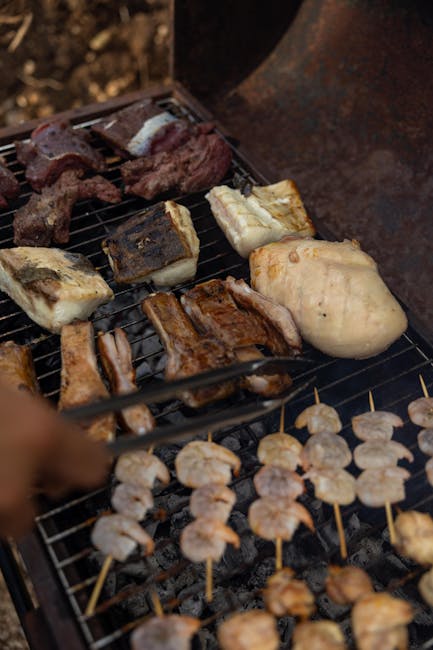
Have you ever wondered if you can cook a brisket on a charcoal grill? If you’re looking to unlock bold, smoky flavors and impress your friends, the answer is a resounding yes.
But getting it just right takes more than tossing meat on the coals. You’ll discover simple steps and insider tips to turn your charcoal grill into a brisket masterpiece. Keep reading, and soon you’ll be serving up tender, juicy brisket that will have everyone asking for seconds.

Credit: snakeriverfarms.com
Choosing The Right Brisket
Cooking a brisket on a charcoal grill is possible and rewarding. Picking the right brisket is the first step to a great meal.
A good brisket ensures tenderness and flavor. Learn how to choose wisely for your grilling needs.
Selecting Quality Meat
Quality meat makes a big difference in taste and texture. Look for brisket with even marbling.
The fat should be white and firm, not yellow or soft. This ensures better flavor during grilling.
Understanding Brisket Cuts
Brisket is typically sold in two parts: the flat and the point. The flat is leaner and more uniform.
The point has more fat and is juicier. Choose based on your preference for flavor or leanness.
| Flat | Leaner, easier to slice |
| Point | More fat, more flavor |
Trimming Tips
Trimming the brisket is important for even cooking. Remove excess fat, leaving a quarter-inch layer.
Trim any silver skin, as it does not break down when cooked. Proper trimming helps in flavor absorption.
Preparing The Charcoal Grill
Cooking a brisket on a charcoal grill requires careful preparation. Setting up the grill properly ensures even cooking and great flavor.
Focus on arranging the charcoal, picking the right fuel, and controlling the airflow. These steps help keep the temperature steady for hours.
Setting Up For Indirect Heat
Use indirect heat to cook brisket slowly without burning it. Place the charcoal on one side of the grill, leaving the other side empty for cooking.
Put a drip pan under the cooking area to catch fat and keep the grill clean. This setup creates a gentle heat that surrounds the meat.
Choosing The Best Charcoal
Pick charcoal that burns long and hot. Lump charcoal is a good choice because it lights quickly and produces less ash.
- Lump charcoal: Burns hotter and cleaner
- Briquettes: Burn evenly but produce more ash
- Natural hardwood charcoal: Adds smoky flavor
Managing Airflow And Temperature
Control the grill’s vents to keep the temperature steady. Open vents increase oxygen and heat. Close vents lower oxygen and cool the fire.
| Vent Position | Effect on Temperature |
| Fully Open | High heat, fast burn |
| Half Open | Medium heat, steady burn |
| Mostly Closed | Low heat, slow burn |
Seasoning And Marinating
Cooking brisket on a charcoal grill needs good seasoning and marinating. These add flavor and help keep the meat tender. This guide covers dry rub recipes, marinade ideas, and how to apply the seasoning.
Using the right mix of spices and letting the meat soak in a marinade can make a big difference. Learn simple ways to prepare your brisket for the grill.
Dry Rub Recipes
Dry rubs add a crust and deep flavor to brisket. You can mix your own spices at home. Here are some easy dry rub ideas to try.
- Salt and black pepper for classic taste
- Paprika, garlic powder, and onion powder for smoky flavor
- Brown sugar, chili powder, and cumin for sweet and spicy
- Mustard powder, coriander, and cayenne for a sharp kick
Marinade Ideas
Marinades help the meat stay juicy and add extra taste. Use acidic ingredients to tenderize brisket and herbs to boost flavor.
| Ingredient | Purpose | Example |
| Vinegar | Tenderizes meat | Apple cider vinegar |
| Soy sauce | Adds saltiness and umami | Low sodium soy sauce |
| Olive oil | Keeps meat moist | Extra virgin olive oil |
| Garlic | Enhances flavor | Minced fresh garlic |
| Herbs | Fresh taste | Rosemary, thyme |
Applying The Seasoning
Apply dry rub or marinade evenly for best results. Here are simple steps to follow.
- Pat the brisket dry with paper towels.
- Rub the dry mix all over the meat, covering every part.
- If using marinade, place brisket in a sealed bag with marinade.
- Let it rest in the fridge for several hours or overnight.
- Bring brisket to room temperature before grilling.
Cooking Techniques
Cooking a brisket on a charcoal grill needs patience and the right techniques. It is a popular way to get smoky flavors and tender meat.
Using the right methods helps keep the brisket juicy and cooked evenly. Let’s explore some key techniques to try.
Low And Slow Method
Cooking brisket at low heat for a long time breaks down tough fibers. This makes the meat soft and easy to chew.
Keep the charcoal grill temperature between 225°F and 275°F. This slow cooking helps the brisket absorb smoky flavors.
Using A Water Pan
Place a water pan inside the grill to add moisture. This prevents the brisket from drying out during cooking.
The water pan also helps keep the grill temperature steady. It acts as a heat buffer for even cooking.
Maintaining Consistent Heat
Check charcoal often to keep steady heat. Add more charcoal when needed to keep the temperature stable.
- Use a grill thermometer to monitor heat.
- Arrange charcoal on one side for indirect cooking.
- Adjust grill vents to control airflow and temperature.
Monitoring The Brisket
Cooking a brisket on a charcoal grill takes time and attention. Watching the brisket closely helps you get the best results.
You need to check the brisket’s temperature and texture. This helps you know when it is ready to eat.
Checking Internal Temperature
The internal temperature shows how cooked the brisket is inside. Use a thermometer to check it often.
Keep the grill lid closed to keep heat steady. Open it only to check the temperature to avoid heat loss.
Assessing Doneness
Doneness means the brisket is fully cooked and tender. Look for soft texture and clear juices.
Push the brisket with a fork or your finger. It should feel soft and have little resistance if done.
- Brisket feels soft and tender
- Juices run clear, not pink
- Meat pulls apart easily
Using A Meat Thermometer
A meat thermometer is the best tool to check the brisket’s doneness. Insert it into the thickest part.
Look for a temperature between 195°F and 205°F. This range means the brisket is tender and cooked well.
- Insert thermometer into the thickest part
- Avoid touching bone or fat for accurate reading
- Check temperature regularly after the first hour
- Remove brisket once it reaches 195°F to 205°F
Resting And Serving
After cooking brisket on a charcoal grill, resting it is very important. Resting lets the meat juices settle. This makes the brisket tender and juicy.
Serving the brisket correctly also enhances the eating experience. Proper slicing and presentation help bring out the best flavors.
Resting Time Guidelines
Let the brisket rest before slicing to keep it moist. Rest it wrapped in foil or butcher paper for best results.
- Remove brisket from the grill.
- Wrap it tightly in foil or butcher paper.
- Place it in a cooler or warm spot.
- Rest for 30 to 60 minutes.
Slicing Tips
Slicing brisket correctly ensures tender bites. Cut against the grain to shorten the meat fibers.
| Tip | Description |
| Use a sharp knife | Clean cuts without tearing the meat |
| Slice thinly | Improves tenderness and flavor absorption |
| Cut against the grain | Shortens meat fibers for easier chewing |
| Separate flat and point | Slice each part according to its grain direction |
Serving Suggestions
Serve brisket with sides that complement its rich flavor. Popular choices include baked beans, coleslaw, and pickles.
- Arrange slices on a large platter.
- Add barbecue sauce on the side.
- Include fresh bread or buns.
- Offer pickles and onions for contrast.
Common Challenges And Solutions
Cooking brisket on a charcoal grill is a popular method for many BBQ lovers. It can create great flavors but also brings some challenges.
Understanding how to handle common problems will help you get better results and enjoy the process more.
Avoiding Dry Brisket
Dry brisket happens when the meat loses too much moisture during cooking. It can be tough and less tasty.
- Use a water pan inside the grill to add moisture.
- Wrap the brisket in foil or butcher paper partway through cooking.
- Cook at a low temperature for a longer time to keep juices inside.
- Rest the brisket after cooking before slicing to let juices redistribute.
Handling Flare-ups
Flare-ups occur when fat drips onto the hot coals. This creates flames that can burn the brisket.
Here are ways to manage flare-ups safely and keep your meat cooking evenly.
| Cause | Solution |
|---|---|
| Fat dripping on coals | Move the brisket to cooler side temporarily |
| Too much grease buildup | Trim excess fat before cooking |
| Large flames | Spray water lightly to reduce flames |
Troubleshooting Temperature Fluctuations
Keeping a steady temperature on a charcoal grill is hard. Fluctuations can dry out or undercook the brisket.
- Use a grill thermometer to monitor heat inside the grill.
- Add charcoal in small amounts to keep a steady burn.
- Adjust air vents slowly to control oxygen flow and heat.
- Arrange coals on one side for indirect cooking to avoid hot spots.

Credit: www.reddit.com
Enhancing Flavor With Smoke
Cooking brisket on a charcoal grill adds a rich smoky flavor. Smoke enhances the meat’s taste and aroma deeply.
Understanding how to use smoke well helps you cook a brisket that is tender and full of flavor.
Choosing Wood Chips
Different wood chips give different flavors to your brisket. Some woods are stronger, others are mild.
- Hickory: Strong and smoky, great for bold flavor.
- Apple: Mild and sweet, adds a fruity touch.
- Mesquite: Very strong, best for short smoking times.
- Cherry: Slightly sweet, good for a rich color.
Smoking Techniques
Use indirect heat to avoid burning the brisket. Place wood chips near the coals to create smoke.
- Soak wood chips in water for 30 minutes to slow burning.
- Place soaked chips on hot coals or in a smoker box.
- Keep the grill covered to trap smoke around the meat.
- Adjust air vents to control temperature and smoke flow.
Balancing Smoke Intensity
Too much smoke can make brisket bitter. Too little leaves it bland. Balance is key.
| Smoke Level | Effect on Brisket |
| Light | Mild flavor, subtle aroma |
| Moderate | Rich smoke taste, balanced |
| Heavy | Bitter, can overpower meat |

Credit: snakeriverfarms.com
Frequently Asked Questions
Can You Slow Cook Brisket On A Charcoal Grill?
Yes, you can slow cook brisket on a charcoal grill. Use indirect heat and maintain low temperatures around 225°F. This method ensures tender, juicy meat with a smoky flavor.
How Long Does Brisket Take On A Charcoal Grill?
Brisket typically takes 1 to 1. 5 hours per pound on a charcoal grill. Cooking time depends on maintaining consistent low heat and the size of the brisket.
What Charcoal Setup Is Best For Cooking Brisket?
Use a two-zone charcoal setup for brisket. Arrange coals on one side for direct heat and keep the other side cooler for indirect cooking. This setup prevents burning and cooks the brisket evenly.
Should You Wrap Brisket While Grilling On Charcoal?
Yes, wrapping brisket in foil or butcher paper helps retain moisture. Wrap it after the bark forms and the internal temperature hits about 160°F for tender results.
Conclusion
Cooking brisket on a charcoal grill takes time and patience. The slow heat helps make the meat tender and full of flavor. Charcoal adds a smoky taste you can’t get with other grills. Keep the temperature low and watch the fire carefully.
Use a good rub and let the meat rest after cooking. The result? A delicious brisket with a perfect crust. Try it yourself and enjoy the rich, smoky taste of grilled brisket. Charcoal grilling can turn a simple meal into something special.