If you want to catch more fish, knowing how to tie a hook on your fishing line is a skill you can’t skip. A strong, secure knot keeps your hook in place, so you don’t lose that big catch at the last moment.
But if you’ve ever struggled with tangled lines or knots that slip, you’re not alone. This guide will show you simple, step-by-step methods to tie your hook quickly and confidently. By the end, you’ll feel ready to cast your line with trust in your gear—and reel in success every time.
Keep reading to master this essential fishing skill.

Credit: www.wikihow.com
Choosing The Right Hook And Line
Learning how to tie a hook on a fishing line is essential for any angler. Choosing the right hook and line is the first step to a successful fishing experience.
In this guide, we will explore the types of fishing hooks and how to select the appropriate line for your fishing needs.
Types Of Fishing Hooks
Fishing hooks come in various shapes and sizes. Each hook type is designed for specific fish and conditions.
| Hook Type | Best For |
| J-Hook | General use |
| Circle Hook | Catch and release |
| Treble Hook | Lures |
Selecting The Appropriate Line
Choosing the right fishing line depends on several factors. Consider the type of water and the fish species you are targeting.
- Monofilament Line: Good for beginners, easy to handle.
- Braided Line: Strong and suitable for heavy cover.
- Fluorocarbon Line: Invisible under water, good for clear conditions.

Credit: www.youtube.com
Essential Knot Types For Hook Tying
Tying a hook securely to your fishing line is key for a good catch. Different knots work better with various line types and fishing styles.
This guide explains three popular knots. They are simple and strong for hooking fish.
Improved Clinch Knot
The Improved Clinch Knot is easy to tie and holds well. It works great for light to medium fishing lines.
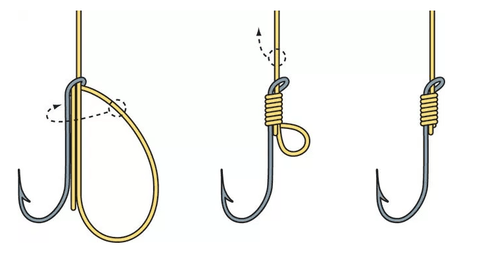
To tie it, pass the line through the hook eye. Wrap the tag end around the standing line five to seven times. Then pass the tag end through the small loop near the hook eye. Finally, wet the knot and pull tight.
- Good for monofilament and fluorocarbon lines
- Strong and reliable
- Simple to learn
Palomar Knot
The Palomar Knot is very strong and easy to tie. It works well with braided and monofilament lines.
Double about six inches of line and pass it through the hook eye. Tie a loose overhand knot with the doubled line. Pass the hook through the loop. Pull both ends tight and trim the excess line.
- High strength knot
- Works well with braided line
- Resists slipping
Uni Knot
The Uni Knot is versatile and easy to tie. It works for hooks, lures, and swivels with many line types.
Pass the line through the hook eye and double it back. Make a loop alongside the standing line. Wrap the tag end around both lines five to six times. Pull the tag end to tighten the coils. Slide the knot to the hook eye and pull the standing line to secure.
- Works with all types of fishing line
- Strong and easy to adjust
- Good for beginners
Step-by-step Knot Tying Guide
Tying a hook to a fishing line is an important skill for every angler. A strong knot keeps your hook secure and prevents fish from escaping.
This guide shows you how to tie a hook knot in simple steps. Follow each part carefully for the best results.
Preparing The Line And Hook
Start by choosing the right hook for your fishing style. Make sure your fishing line is clean and free of knots.
Cut a length of line about 12 inches long to work with. This gives you enough line to tie a strong knot.
- Pick a hook that fits the fish you want to catch
- Use clean fishing line without damage
- Cut about 12 inches of line for knot tying
Tying The Knot Securely
Pass the end of the line through the eye of the hook. Make a loop by doubling the line back toward itself.
Wrap the tag end around the doubled line 5 to 7 times. Pull the tag end through the loop near the eye.
- Thread line through hook eye
- Create a loop by doubling the line
- Wrap tag end around doubled line 5-7 times
- Pull tag end through loop near hook eye
Moisten the knot with water or saliva. Pull both ends slowly to tighten the knot. Make sure the coils lie neatly.
Trim the excess tag end close to the knot. This prevents snagging while fishing.
Testing Knot Strength
Hold the hook and pull the main line firmly. The knot should not slip or come undone.
Test your knot by pulling hard several times. If it loosens, retie the knot using the same steps.
- Pull hook and line to check knot tightness
- Repeat test pulls to ensure strength
- Retie if knot slips or loosens
Tips For Perfect Knot Tying
Tying a hook on a fishing line needs care. A strong knot helps catch fish easily.
Use these tips to tie knots that hold well and last long.
Keeping Line Moist
Wet the fishing line before tightening the knot. This stops friction from weakening the line.
Using water or saliva works well to keep the line moist during knot tying.
Avoiding Line Twist
Line twists make knots weak and can cause tangles. Keep the line straight while tying.
- Hold the hook steady and pull the line slowly.
- Let the line spin freely to reduce twists.
- Use swivel hooks to prevent twisting during fishing.
Trimming Excess Line
Cut off extra line close to the knot. Too much line can catch weeds and debris.
| Trim Length | Reason |
|---|---|
| 2-3 mm | Prevents snagging and keeps knot neat |
| More than 5 mm | Increases chance of tangles and catches debris |
Common Mistakes To Avoid
Tying a hook on a fishing line seems simple but many make mistakes. These errors can cause lost fish or broken lines.
Knowing what to avoid helps you tie strong, reliable knots every time you fish.
Loose Knots
Loose knots do not hold well and can slip when you catch a fish. This leads to lost hooks and missed catches.
Always pull the knot tight and wet the line before tightening. This helps the knot slide into place and hold better.
Incorrect Wrapping
Wrapping the line the wrong way around the hook or line weakens the knot. Too few or too many wraps both cause problems.
- Use the right number of wraps for your line type.
- Wrap evenly and neatly without overlapping.
- Follow knot instructions carefully for best results.
Ignoring Line Type
Different lines need different knots and wrapping techniques. Ignoring this can cause knots to fail.
Check if your line is braided, monofilament, or fluorocarbon. Use knots that work best with each type.

Credit: n1outdoors.com
Maintaining Your Fishing Gear
Tying a hook on a fishing line is important. Keeping your gear in good shape helps you catch more fish.
Check your knots and lines often. Store hooks safely to avoid damage or injury.
Inspecting Knots Regularly
Knots can get loose or weak after use. Look at your knots before every fishing trip to be sure they hold tight.
Retie any knot that looks worn or damaged. A strong knot keeps your hook on the line and helps catch fish.
Replacing Damaged Lines
Fishing lines get old and break easily. Cut off old parts and replace them to avoid losing fish.
Check for frays, cuts, or weak spots on the line. Replace the line if it looks damaged or worn out.
Storing Hooks Properly
Hooks are sharp and can get dull or rusty. Store hooks in a dry box or container to keep them safe.
Use a hook holder or small tackle box with compartments. This stops hooks from tangling and keeps them ready to use.
Frequently Asked Questions
How Do You Tie A Hook To A Fishing Line?
To tie a hook, thread the line through the hook eye. Wrap the line around itself 5-7 times. Pull the tag end through the loop near the eye. Tighten the knot firmly to secure the hook.
What Is The Strongest Knot For Fishing Hooks?
The Palomar knot is one of the strongest for fishing hooks. It’s simple, reliable, and maintains high line strength. This knot works well with monofilament and braided lines.
How Tight Should The Hook Knot Be?
The hook knot should be very tight to avoid slipping. Pull firmly on both ends while moistening the line. A tight knot ensures your hook stays secure during fishing.
Can You Tie A Hook Without Special Tools?
Yes, you can tie a hook without tools using your fingers. Practice makes it easier to form secure knots quickly. No tools are necessary for most common fishing knots.
Conclusion
Tying a hook on a fishing line is simple with practice. Use the right knot to keep your hook secure. Make sure the knot is tight and neat. Test the knot before casting your line. Good knots help catch more fish and avoid lost tackle.
Keep practicing to improve your fishing skills. Enjoy your time by the water, ready to catch fish.