Choosing the right bike helmet might seem simple, but it can make a huge difference in your safety and comfort. You want a helmet that fits perfectly, protects well, and feels good every time you ride.
If you’re unsure where to start or what to look for, this guide is made just for you. Keep reading, and you’ll discover easy tips to pick the best helmet that keeps you safe and confident on every ride. Don’t settle for less when it comes to your protection—your head deserves the best.
Credit: www.hovsco.com
Importance Of Bike Helmets
Bike helmets protect your head during a fall. They are essential for all riders. Choosing the right helmet can save lives.
Helmets are designed to absorb impact. They reduce the risk of head injuries. Wearing a helmet is a smart choice for safety.
Safety Benefits
Helmets provide a protective barrier for your head. They help prevent serious injuries. This is especially important in accidents.
Helmets can reduce the severity of head trauma. They are designed to absorb shock. This feature makes them crucial for cyclists.
- Reduce risk of skull fractures
- Protect against brain injuries
- Absorb impact during collisions
Legal Requirements
Many places have laws about wearing helmets. These laws aim to increase safety. Not wearing a helmet can lead to fines.
Check local laws to know the rules. Some areas require helmets for all ages. Others may have specific age groups in mind.
| Country | Helmet Law |
| United States | Varies by state |
| Australia | Mandatory for all riders |
Impact On Riding Confidence
Wearing a helmet boosts confidence. Riders feel safer on the road. This can improve their overall biking experience.
Confident riders are more likely to enjoy cycling. They may ride more frequently. Helmets help make riding a positive experience.
- Increases sense of safety
- Encourages regular biking
- Enhances enjoyment of cycling
Types Of Bike Helmets
Choosing the right bike helmet helps protect your head while riding. Different helmets fit different types of cycling. It is important to know the features of each type.
Below are common types of bike helmets. Each type is made for specific riding styles and safety needs.
Road Helmets
Road helmets are light and well-ventilated. They focus on aerodynamics and speed. These helmets often have many vents and a smooth shape to reduce wind resistance.
Mountain Bike Helmets
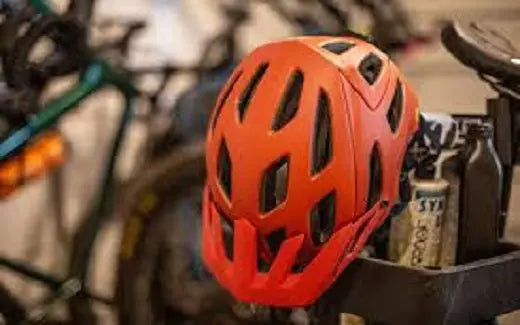
Mountain bike helmets provide extra coverage at the back of the head. They usually have a visor to block sun and branches. These helmets are built to handle rough trails and impacts.
- Extra protection around the ears and neck
- Visors for sun and debris
- Strong build for rough riding
- Good ventilation for active use
Commuter Helmets
Commuter helmets focus on comfort and visibility. They often include reflective elements and mounts for lights. These helmets balance safety and style for daily use.
| Feature | Benefit |
| Reflective strips | Better visibility in low light |
| Light mounts | Easy to attach front or rear lights |
| Comfort padding | Comfort for long rides |
| Simple design | Stylish for everyday wear |
Full-face Helmets
Full-face helmets cover the entire head and face. They are common in downhill mountain biking and BMX. These helmets offer the highest level of protection.
- Chin guard for face protection
- Strong outer shell
- Thick padding inside
- Secure straps for firm fit
Helmet Safety Standards
Bike helmets protect your head during accidents. Safety standards ensure helmets give good protection.
Knowing these standards helps you pick a safe and reliable helmet for riding.
Certification Labels
Look for certification labels on the helmet. These labels show the helmet passed safety tests.
Common labels include CPSC, ASTM, and Snell. Each has rules for helmet safety.
- CPSC:Required in the US for bike helmets.
- ASTM:Covers various sports helmets.
- Snell:Offers stricter safety standards.
Testing Procedures
Helmets go through tests to check impact resistance and strap strength. Tests mimic real crashes.
They measure how well a helmet absorbs shock and stays on the head during a fall.
- Impact tests drop helmets on hard surfaces.
- Penetration tests check helmet shell strength.
- Retention tests pull on chin straps to ensure they hold.
What To Avoid
Do not buy helmets without safety labels. They may not protect you well.
Avoid helmets that are cracked, old, or damaged. They lose their safety features.
- Helmets without certification labels
- Helmets older than five years
- Helmets with visible dents or cracks
- Used helmets with unknown history

Credit: www.reddit.com
Sizing And Fit
Choosing the right bike helmet is key to safety. A good fit keeps the helmet secure and comfortable.
Helmet sizing depends on measuring your head, adjusting straps, and checking the fit carefully.
Measuring Your Head
Use a soft tape measure to find your head size. Wrap it around your head above your eyebrows and ears.
- Keep the tape level all around.
- Note the measurement in centimeters or inches.
- Use this size to choose a helmet from the size chart.
Adjusting Straps And Pads
Straps and pads help customize the helmet for your head shape. Adjust them for comfort and security.
| Component | Adjustment Tip |
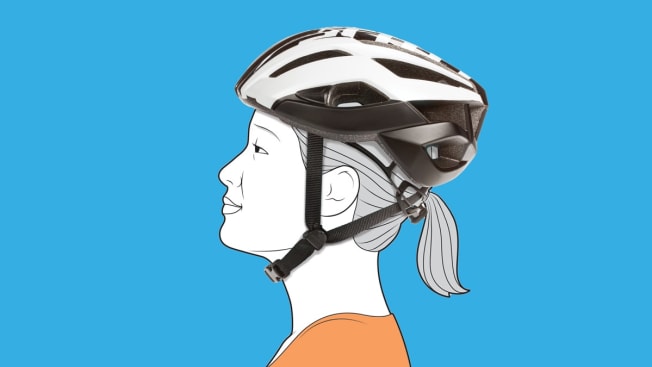
| Chin Strap | Snug but allows opening your mouth |
| Side Straps | Form a V shape under your ears |
| Interior Pads | Place for comfort and to reduce helmet movement |
Ensuring Proper Fit
Check the fit by putting the helmet on and shaking your head gently. It should not move much.
- The helmet should sit level on your head.
- There should be space for one or two fingers between your eyebrows and the helmet.
- Adjust straps so they hold the helmet firmly.
- Make sure the helmet feels comfortable for long rides.
Comfort Features
Choosing a bike helmet means looking beyond safety. Comfort plays a big role in your riding experience. A helmet that fits well and feels good will encourage you to wear it every time.
Comfort features include how well the helmet breathes, its weight, and the quality of padding inside. These details help keep you cool, light, and cushioned on your ride.
Ventilation Systems
Good ventilation keeps your head cool by allowing air to flow through the helmet. Look for helmets with multiple vents placed to guide air over your head and out the back.
- Front vents let fresh air in
- Channels inside guide air around your head
- Rear vents help hot air escape
- Mesh covers block bugs and debris
Weight Considerations
Lighter helmets feel less tiring on your neck and head. They are easier to wear for long rides. However, very light helmets might cost more or offer less protection in some cases.
| Helmet Type | Approximate Weight |
| Road Helmet | 200–300 grams |
| Mountain Bike Helmet | 300–400 grams |
| Commuter Helmet | 350–450 grams |
Padding And Liners
Padding inside the helmet adds comfort and helps with fit. Soft liners can absorb sweat and reduce pressure points. Some helmets have removable and washable padding for easy cleaning.
- Check if padding is soft and breathable
- Look for removable liners to keep clean
- Adjustable pads help customize fit
- Some liners offer antimicrobial properties
Additional Helmet Features
Choosing a bike helmet means looking beyond safety alone. Extra features can improve comfort and usefulness.
These features help protect you better and make your ride more enjoyable.
Visors And Sun Protection
Visors shield your eyes from sun, rain, and dirt. They help you see clearly on bright days.
Some helmets have adjustable or removable visors. This adds flexibility for different weather conditions.
- Reduces glare from sunlight
- Keeps rain off your face
- Protects eyes from flying debris
- Can be flipped up or removed
Reflective Elements
Reflective parts on helmets make you more visible in low light. This helps drivers see you at night.
These elements include stickers, strips, or built-in reflective paint. They add safety without extra weight.
- Improve visibility in dark conditions
- Do not affect helmet comfort
- Available on many helmet styles
- Can be added after purchase
Integrated Technology
Some helmets come with built-in technology. This includes lights, speakers, or Bluetooth devices.
These features let you listen to music or get calls while riding. They add convenience but may raise cost.
- Bluetooth for hands-free calls
- Built-in speakers for music
- Integrated lights for extra safety
- Some have crash sensors or alerts
Maintenance And Replacement
Keeping your bike helmet clean and stored properly helps it last longer. Regular checks can keep you safe. Knowing when to replace your helmet is also very important.
Good care ensures your helmet works well in a crash. Read on to learn cleaning tips, replacement signs, and storage advice.
Cleaning Tips
Cleaning your helmet keeps it fresh and safe. Use gentle methods to avoid damage.
- Use mild soap and warm water to clean the shell and straps.
- Avoid strong chemicals or solvents that can weaken the helmet.
- Remove any liners or padding and wash them separately if possible.
- Let the helmet air dry away from direct sunlight or heaters.
When To Replace Your Helmet
Helmets lose protection over time. Replace your helmet if it shows signs of wear or damage.
| Reason to Replace | Details |
| After a Crash | Even small impacts can weaken the helmet. |
| Visible Damage | Cracks, dents, or broken straps mean less safety. |
| Older than 5 Years | Materials degrade and safety reduces with age. |
| Fit Changes | If it no longer fits snugly, get a new one. |
Storage Advice
Store your helmet in a safe, clean place to keep it in good shape.
- Keep it away from direct sunlight to avoid material damage.
- Avoid placing heavy objects on top that can deform the helmet.
- Store it in a cool, dry area to prevent mold and odors.
- Use a helmet bag or soft cloth cover if possible.

Credit: velo.outsideonline.com
Budgeting For A Helmet
Choosing the right bike helmet means thinking about your budget. Helmets come in many prices and styles.
Planning your budget helps you find a helmet that fits your needs without spending too much.
Price Ranges
Bike helmets usually cost between $30 and $200. The price depends on materials and features.
- Basic helmets: $30 to $60
- Mid-range helmets: $60 to $120
- High-end helmets: $120 to $200+
More expensive helmets often have better ventilation and lighter weight.
Balancing Cost And Quality
Buy a helmet that protects well and feels comfortable. Price is important but safety matters more.
Look for helmets that meet safety standards in your country. This ensures good protection.
- Check for certifications like CPSC, ASTM, or CE
- Try helmets on to find a good fit
- Read reviews to learn about durability and comfort
Where To Buy
You can buy helmets at bike shops, sports stores, or online. Each option has pros and cons.
Bike shops offer expert advice and fitting help. Online stores have more choices and deals.
- Bike shops: personalized fitting and local support
- Sports stores: try before you buy
- Online: larger selection and competitive prices
Frequently Asked Questions
What Size Bike Helmet Should I Buy?
Choose a helmet that fits snugly without pressure points. Measure your head circumference and check the helmet’s size chart. Proper fit ensures safety and comfort during rides.
How Do I Know If My Helmet Is Safe?
Look for safety certifications like CPSC, ASTM, or Snell on the helmet label. Certified helmets meet impact and safety standards required by law.
What Type Of Bike Helmet Suits My Riding Style?
Road helmets are lightweight and aerodynamic. Mountain helmets offer more coverage and ventilation. Choose based on your typical terrain and riding intensity.
How Often Should I Replace My Bike Helmet?
Replace your helmet every 3-5 years or after any significant impact. Helmet materials degrade over time, reducing protection effectiveness.
Conclusion
Choosing the right bike helmet keeps you safe and comfortable. Focus on fit, weight, and ventilation. Pick a helmet that matches your riding style. Don’t forget to check safety certifications. Replace your helmet after any crash or damage. Always wear it properly to protect your head.
Good helmets make biking more fun and secure. Stay safe and enjoy every ride with the right helmet.