Choosing the right trowel size for your 12×24 tile can make all the difference in how your project turns out. If you want your tiles to stick properly and lay flat without any gaps or uneven spots, understanding which trowel to use is key.
You might be wondering, “Is there a specific trowel size that works best for these large tiles? ” The answer is yes—and getting it wrong could mean wasted time, money, and effort. Keep reading, and you’ll discover exactly what trowel size you need to make your 12×24 tile installation smooth and successful.
Choosing The Right Trowel Size
Picking the correct trowel size for 12×24 tiles is important. It helps ensure the tiles stick properly and look great.
The trowel size affects how the adhesive spreads under the tiles. Using the right size can make your tiling project easier and more successful.
Factors Influencing Trowel Size
Several factors determine the best trowel size for 12×24 tiles. Understanding these can help you make the right choice.
- Tile size and type
- Surface flatness
- Adhesive thickness
- Project area
Bigger tiles need more adhesive coverage. A larger trowel helps achieve this.
Impact On Adhesion And Tile Placement
The right trowel size ensures good adhesion. It helps the tile stick firmly to the surface.
Proper tile placement is easier with the right trowel. It prevents tiles from slipping or moving.
| Trowel Size | Best For |
| 1/4 x 3/8 inch | Flat surfaces, smaller tiles |
| 1/2 x 1/2 inch | 12×24 tiles, uneven surfaces |

Credit: alsyedconstruction.com
Trowel Size For 12×24 Tiles
Choosing the right trowel size is important for installing 12×24 inch tiles. The trowel helps spread adhesive evenly and holds the tile in place.
Using the correct notch size ensures good adhesion and prevents tiles from slipping or cracking later.
Recommended Notch Dimensions
For 12×24 tiles, a larger notch size is usually best. This provides enough thinset to cover the back of the tile fully.
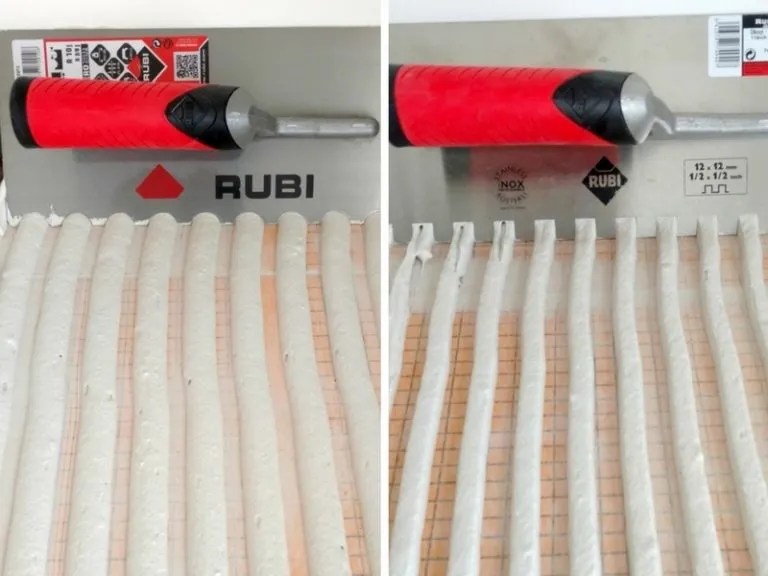
A 1/2 inch by 1/2 inch square notch trowel is the most common recommendation for these tiles.
- 1/2 inch x 1/2 inch square notch
- 1/2 inch x 1/2 inch V-notch can be used but less common
- Ensure full coverage under tile for strong bond
Comparing Different Trowel Types
There are several trowel notch shapes. Each spreads thinset differently and fits tile sizes differently.
Square notch trowels hold more adhesive and work well for large tiles like 12×24 inches.
- Square notch:Holds more thinset, best for 12×24 tiles
- V-notch:Holds less thinset, better for small tiles
- U-notch:Holds medium thinset, good for medium tiles
Material And Surface Considerations
Choosing the right trowel size for 12×24 tiles depends on the material and surface. These factors affect how well the tile sticks and stays in place.
It is important to think about the type of substrate and the tile’s back profile. These details help decide the best trowel size for even coverage and strong adhesion.
Substrate Type Effects
The substrate is the surface where the tile will be set. Different substrates absorb thinset mortar in different ways. This changes how much mortar you need.
For smooth and non-porous surfaces, use a smaller notch trowel. Rough or uneven substrates need a larger notch to fill gaps and create a good bond.
- Smooth concrete: 1/4″ x 1/4″ square notch
- Uneven or rough concrete: 1/2″ x 1/2″ square notch
- Wood or plywood: 1/4″ x 3/8″ square notch
Tile Back Profile Importance
Tile backs come in different shapes and textures. Some are flat, while others have ridges or bumps. This affects how the mortar spreads under the tile.
Tiles with a flat back need less thinset, so a smaller trowel notch works well. Tiles with a rough or ribbed back need more mortar for full coverage and strong hold.
- Flat-backed tiles: 1/4″ x 1/4″ notch
- Ribbed or lipped tiles: 1/2″ x 1/2″ notch
- Thick or heavy tiles: Use larger notch for better coverage
Credit: www.tilemountain.co.uk
Techniques For Applying Thinset Mortar
Using the right trowel size is important for installing 12×24 tiles. The thinset mortar must spread evenly. Proper techniques help tiles stick well and last longer.
This guide explains how to spread thinset and avoid common mistakes. Follow these tips for a smooth tile installation.
Spreading And Comb Patterns
Use a 1/2 inch by 1/2 inch square notch trowel for 12×24 tiles. This size creates the right thickness of thinset. Spread mortar evenly over the surface before combing.
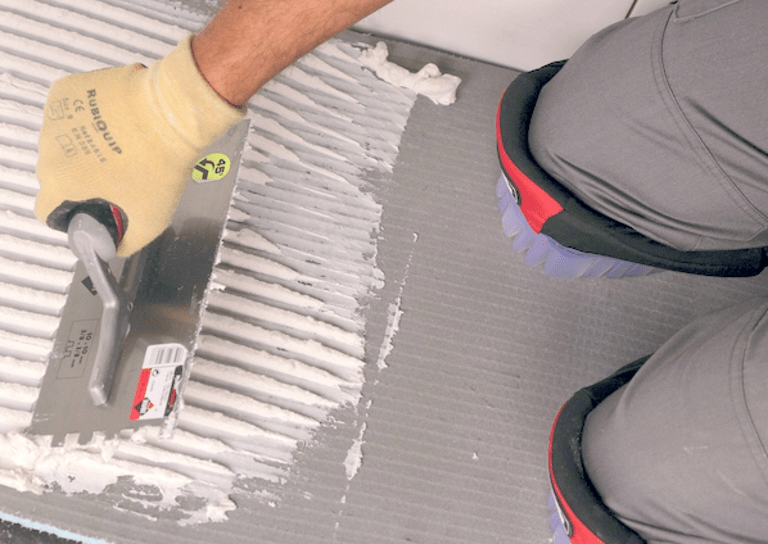
- Hold the trowel at a 45-degree angle to the floor.
- Spread thinset in small sections to prevent drying out.
- Use the notched side to comb the mortar, creating ridges.
- Comb ridges help air escape and improve adhesion.
- Apply firm pressure when pressing tiles into the mortar.
Avoiding Common Installation Mistakes
Many problems come from thinset mistakes. Avoid these errors to keep tiles secure and level.
| Mistake | Effect | How to Avoid |
|---|---|---|
| Using too small trowel | Poor coverage under tile | Use 1/2 inch by 1/2 inch trowel |
| Not combing thinset | Weak bond and air pockets | Create ridges with notched trowel |
| Spreading too much thinset | Thinset dries before tile placement | Work in small sections |
| Pressing tiles unevenly | Uneven tile surface | Press tiles firmly and evenly |
Tools And Accessories For Smooth Installation
Installing 12×24 tiles needs the right tools. Using the correct accessories helps the job go smoothly. It makes sure the tiles stick well and look good.
Choosing the right trowel size and material is important. Other tools also make the installation easier and more precise.
Choosing The Best Trowel Material
Trowels come in different materials like stainless steel, notched steel, and plastic. The material affects how easy it is to spread the thinset and how long the trowel lasts.
Stainless steel trowels are strong and easy to clean. Plastic trowels are lighter but may wear out faster. Notched steel trowels hold thinset well for large tiles like 12×24.
- Stainless steel: durable and rust-resistant
- Plastic: lightweight but less durable
- Notched steel: holds thinset firmly for big tiles
Additional Helpful Tools
Besides trowels, some tools make tile installation easier. These tools help with measuring, cutting, and setting tiles correctly.
- Tile spacers: keep even gaps between tiles
- Tile cutter: cuts tiles to fit edges and corners
- Level: ensures tiles are flat and even
- Rubber mallet: taps tiles into place without damage
- Bucket and mixing paddle: mix thinset smoothly
Maintenance Tips For Trowels
Using the right trowel size for 12×24 tiles ensures a smooth installation. Keeping your trowel clean and well-maintained helps in achieving a professional finish.
Proper care extends the life of your trowel and makes your work easier. Follow simple steps for cleaning and storing your trowel after use.
Cleaning After Use
Clean your trowel immediately after using it to prevent mortar from hardening. Use water and a stiff brush to remove any residue.
- Rinse the trowel in water right after use
- Scrub with a stiff brush to remove stuck mortar
- Dry the trowel to prevent rust
- Check for any damage or bent edges
Storage Recommendations
Store your trowel in a dry place to avoid rust and damage. Keep it away from heavy tools that can bend the blade.
| Storage Tip | Reason |
| Hang on a wall hook | Keeps blade straight and dry |
| Store in a toolbox with padding | Protects from impact and dust |
| Avoid leaving on wet surfaces | Prevents rust and corrosion |
| Inspect before storing | Fix any damage early |

Credit: www.reddit.com
Frequently Asked Questions
What Trowel Size Is Best For 12×24 Tiles?
A 1/2 inch x 1/2 inch square-notched trowel works best for 12×24 tiles. It provides proper mortar coverage and adhesion.
Can I Use A Smaller Trowel For Large Tiles?
Using a smaller trowel can cause insufficient mortar coverage. For 12×24 tiles, a larger notch ensures even mortar spread and better bonding.
Why Is Trowel Size Important For Tile Installation?
Trowel size controls mortar thickness and coverage. Correct size prevents hollow spots and ensures tiles stick firmly and level.
What Happens If I Use A Wrong Trowel Size?
Wrong trowel size leads to uneven mortar, weak adhesion, and tile movement. It can cause tile cracking or loosening over time.
Conclusion
Choosing the right trowel size helps your 12×24 tiles stick better. A 1/2 inch by 1/2 inch square notch trowel works best. It spreads the thinset evenly and supports the tile properly. Using the wrong size can cause uneven tiles or weak bonds.
Take your time and use the right tools for a strong, lasting floor or wall. Good preparation makes tile installation easier and results look great. Simple steps lead to a smooth, professional finish every time.