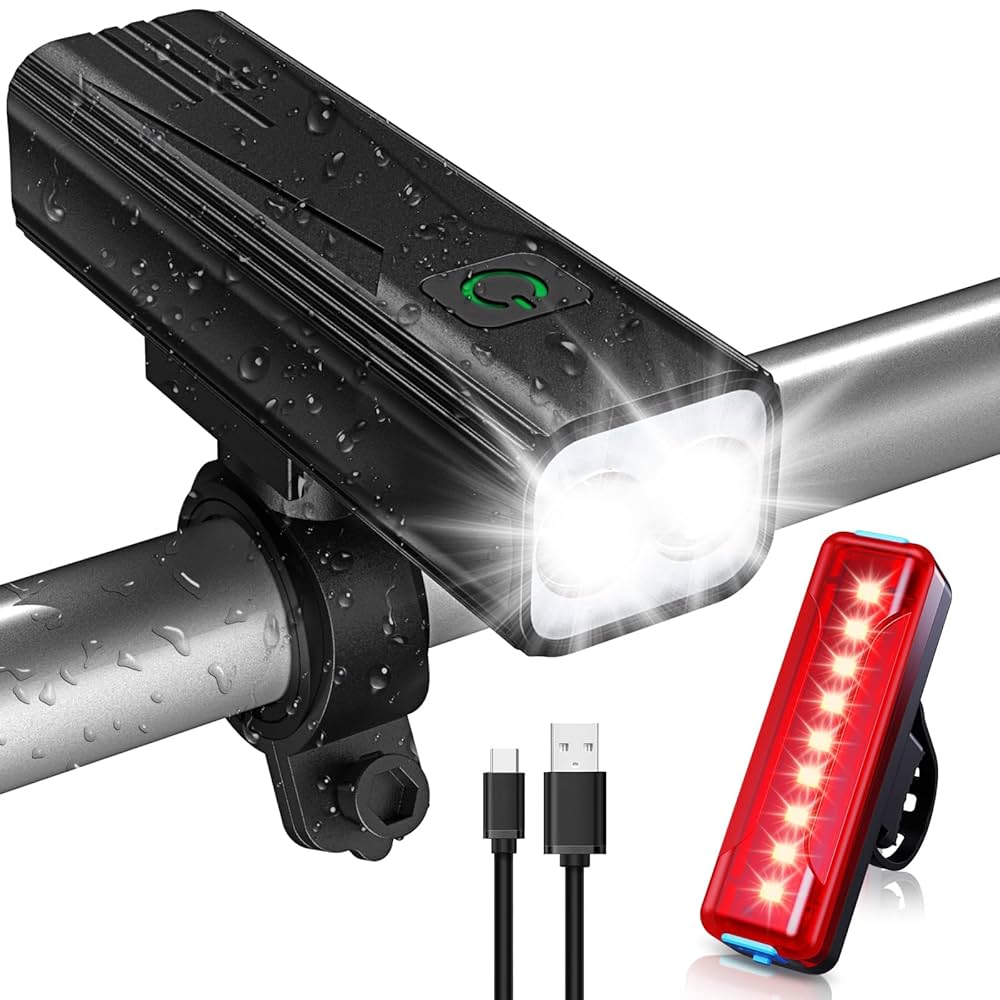
Choosing the right bike light can make a huge difference in your safety and riding experience. But how do you know how many lumens your bike light needs?
Too dim, and you might not see the road clearly. Too bright, and you could blind others or waste battery life. You’ll discover exactly what lumen level suits your riding style and conditions. By the end, you’ll feel confident picking the perfect light that keeps you safe and visible every time you hit the road or trail.
Keep reading to find out what really matters when it comes to bike light brightness.

Credit: www.amazon.ca
Lumen Basics
Understanding lumens is important for choosing the right bike light. Lumens measure brightness, which affects how well you see and are seen.
Knowing how many lumens you need helps ensure safety during night rides or poor weather conditions.
What Lumens Measure
Lumens indicate the total amount of visible light emitted by a source. It is different from watts, which measure energy use.
- More lumens mean a brighter light.
- Higher lumens are better for dark trails.
- Lower lumens can save battery life.
Why Lumens Matter For Bike Lights
Choosing the right lumen count is crucial for a bike light. It affects visibility and safety.
| Terrain | Recommended Lumens |
| City Streets | 100-300 |
| Country Roads | 400-600 |
| Mountain Trails | 800+ |

Credit: www.newegg.ca
Lumens For Different Riding Conditions
Lumens measure the brightness of a bike light. Choosing the right lumens helps you see and stay safe.
Different places need different light levels. Brightness depends on road type, traffic, and time of day.
City Riding Needs
City streets often have streetlights and traffic. You do not need a very bright light here.
A bike light with 200 to 400 lumens is usually enough. It helps you see cars and pedestrians clearly.
- Bright enough to be seen by others
- Not too bright to blind drivers
- Good for short rides in well-lit areas
Suburban And Rural Roads
These roads are darker with fewer streetlights. You need a stronger light to see far ahead.
Lights with 400 to 800 lumens are better here. They help you spot obstacles and animals early.
- Higher brightness for safety
- Longer beam distance for early warning
- Works well on quiet roads with less traffic
Off-road And Trail Riding
Off-road trails are very dark and uneven. You need a very bright light to see rocks and roots.
Lights with 800 to 1500 lumens or more work best. They give a wide and strong beam for fast reactions.
- High lumens for clear vision on rough paths
- Wide beam covers a large area
- Helps avoid accidents on tricky trails
Front Vs Rear Bike Light Brightness
Bike lights help riders see and be seen. Front and rear lights have different brightness needs.
Choosing the right lumen level for each light improves safety on the road and trails.
Recommended Front Light Lumens
Front lights need more brightness to light the path ahead clearly. The right lumens depend on where you ride.
- City riding: 200 to 400 lumens is enough for visibility.
- Suburban roads: 400 to 700 lumens help see farther and avoid obstacles.
- Off-road or dark trails: 800 to 1500 lumens provide strong illumination.
- Night rides on poorly lit roads: 1000+ lumens improve safety and visibility.
Rear Light Brightness Standards
Rear lights focus on being seen by others. They usually need less brightness but must be visible from a distance.
| Light Type | Recommended Lumens | Purpose |
|---|---|---|
| Standard rear light | 50 to 100 lumens | Visible in city traffic |
| High visibility rear light | 100 to 200 lumens | Better visibility on dark roads |
| Flashing rear light | Varies, usually 50-150 lumens | Attracts attention and improves safety |

Credit: www.youtube.com
Battery Life And Brightness Balance
Choosing the right bike light means finding a good balance between brightness and battery life. Too bright lights can drain the battery quickly. Dim lights last longer but may not be safe on dark roads.
Understanding how lumens affect battery life helps you pick the best light for your rides. This way, you can stay visible without running out of power.
Impact Of Lumens On Battery Life
Lumens measure how bright a bike light is. Higher lumens mean brighter light but use more energy. This lowers the battery life.
For example, a 1000-lumen light may run for 2 hours, while a 300-lumen light can last 6 hours or more. Brightness helps you see and be seen, but it costs battery time.
- High lumens = brighter light, shorter battery life
- Low lumens = dimmer light, longer battery life
- Adjust brightness to save battery on long rides
Choosing Efficient Lights
Pick bike lights that use power well to get more light from less battery. LED lights are usually the best choice.
Some lights have settings to lower brightness and save battery. Rechargeable batteries also help you ride longer without extra costs.
- Choose LED lights for better energy use
- Look for multiple brightness settings
- Use rechargeable batteries for longer rides
Legal Requirements For Bike Light Brightness
Bike lights help riders see and be seen at night. Different places set rules for how bright these lights must be. Following these rules keeps you safe and legal.
Brightness is measured in lumens. The right number of lumens depends on your location. Below are some key legal rules by region and tips to stay safe.
Regulations By Region
| Region | Minimum Front Light Lumens | Minimum Rear Light Lumens | Additional Notes |
| United States | 100 lumens | 50 lumens | Front light must be white, rear red |
| European Union | 10 lumens | 4 lumens | Lights must be steady or flashing |
| United Kingdom | 400 lumens | 100 lumens | Rear light must be red and visible from 140 m |
| Australia | 200 lumens | 50 lumens | White front, red rear required |
These numbers are minimums. Using brighter lights can improve your visibility. Always check local laws before buying bike lights.
Safety Compliance Tips
- Use white lights for the front and red for the rear.
- Make sure lights are bright enough for your area’s legal minimum.
- Keep your lights clean and batteries charged.
- Test your lights before riding at night.
- Use flashing modes if allowed to increase visibility.
- Replace old or damaged lights promptly.
Following these tips helps you avoid fines and stay safe on the road. Bright, reliable lights make a big difference in how others see you.
Additional Features Affecting Visibility
Choosing the right bike light is not just about lumens. Other features can change how well you see and are seen. These details help improve safety and comfort on your ride.
Two important features are beam patterns and flashing modes. These affect how light spreads and how visible you are to others.
Beam Patterns
Beam patterns describe how a bike light spreads its light. Different patterns help in different situations.
A narrow beam shows far ahead but covers less around you. A wide beam lights up the sides and close areas well.
- Spot beams focus light far ahead on a narrow path
- Flood beams spread light wide for close, side visibility
- Mixed beams combine spot and flood for balanced lighting
Flashing Modes And Their Benefits
Flashing modes make your bike light blink or pulse instead of shining steady. This helps you stand out to others.
Flashing lights grab attention better than steady beams. This is useful in traffic or low visibility conditions.
- Steady mode gives constant light for clear vision
- Slow flash mode saves battery and increases visibility
- Fast flash mode grabs more attention from drivers
- Pulse mode mimics a heartbeat to catch the eye
Selecting The Right Lumen Level
Choosing the correct lumen level for your bike light is important for safety and comfort. Lumens measure how bright the light is.
Different rides need different brightness. Too little light can be unsafe. Too much light can waste battery power.
Matching Lumens To Your Riding Style
Think about where and how you ride your bike. This helps you pick the right lumen level.
City riders need less light than those who ride in dark trails or rural roads.
- Urban riding: 100 to 200 lumens is usually enough
- Suburban roads: 200 to 400 lumens works well
- Rural or dark trails: 400 to 800 lumens is better
- Mountain biking or very dark areas: 800+ lumens offers more safety
Testing And Adjusting Brightness
Try your bike light in real conditions before long rides. Test different brightness levels if your light allows it.
Adjust brightness to save battery or improve visibility. Make sure you can see clearly without blinding others.
- Start with medium brightness for your usual route
- Increase brightness on dark or unfamiliar paths
- Lower brightness in well-lit areas to save power
- Check how long the battery lasts at different settings
Frequently Asked Questions
What Lumen Range Is Ideal For City Bike Lights?
For city riding, 200 to 400 lumens is ideal. This range provides sufficient brightness to see and be seen in urban areas. It balances visibility and battery life for safe nighttime cycling on well-lit streets.
How Many Lumens Do Mountain Bike Lights Need?
Mountain bike lights usually require 800 to 1500 lumens. This higher brightness helps illuminate rough trails and obstacles. It ensures safer rides on dark and uneven terrains by improving your vision and reaction time.
Are Higher Lumens Always Better For Bike Lights?
Not always. Higher lumens mean brighter light but drain batteries faster. Choose lumens based on your riding environment and duration. Overly bright lights can also blind others, so balance brightness with practical needs.
How Do Lumens Affect Bike Light Battery Life?
Higher lumens consume more power, shortening battery life. Lower lumen settings extend ride time but reduce brightness. Opt for adjustable lights to balance visibility and battery efficiency during different rides.
Conclusion
Choosing the right lumens for your bike light keeps you safe and seen. Brightness depends on where and when you ride. City streets need fewer lumens than dark trails. Balance brightness with battery life for longer rides. A good bike light helps you avoid accidents.
Stay visible to drivers and pedestrians alike. Pick a light that fits your riding style. Safe rides start with clear, bright lighting. Remember, the right lumen count makes all the difference.