Are you waking up with a sharp pain in your heel that seems to spread down your calf? You might be wondering if plantar fasciitis is causing that discomfort in your lower leg.
Understanding whether your calf pain is linked to plantar fasciitis can help you find the right relief faster. You’ll discover how these pains connect, why it happens, and what steps you can take to ease your symptoms. Keep reading to get clear answers and take control of your foot and leg health today.
What Is Plantar Fasciitis?
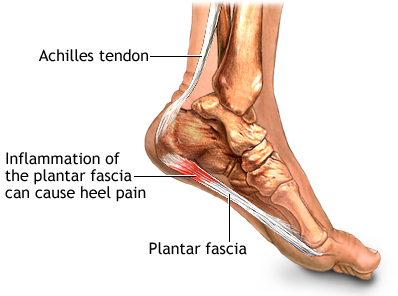
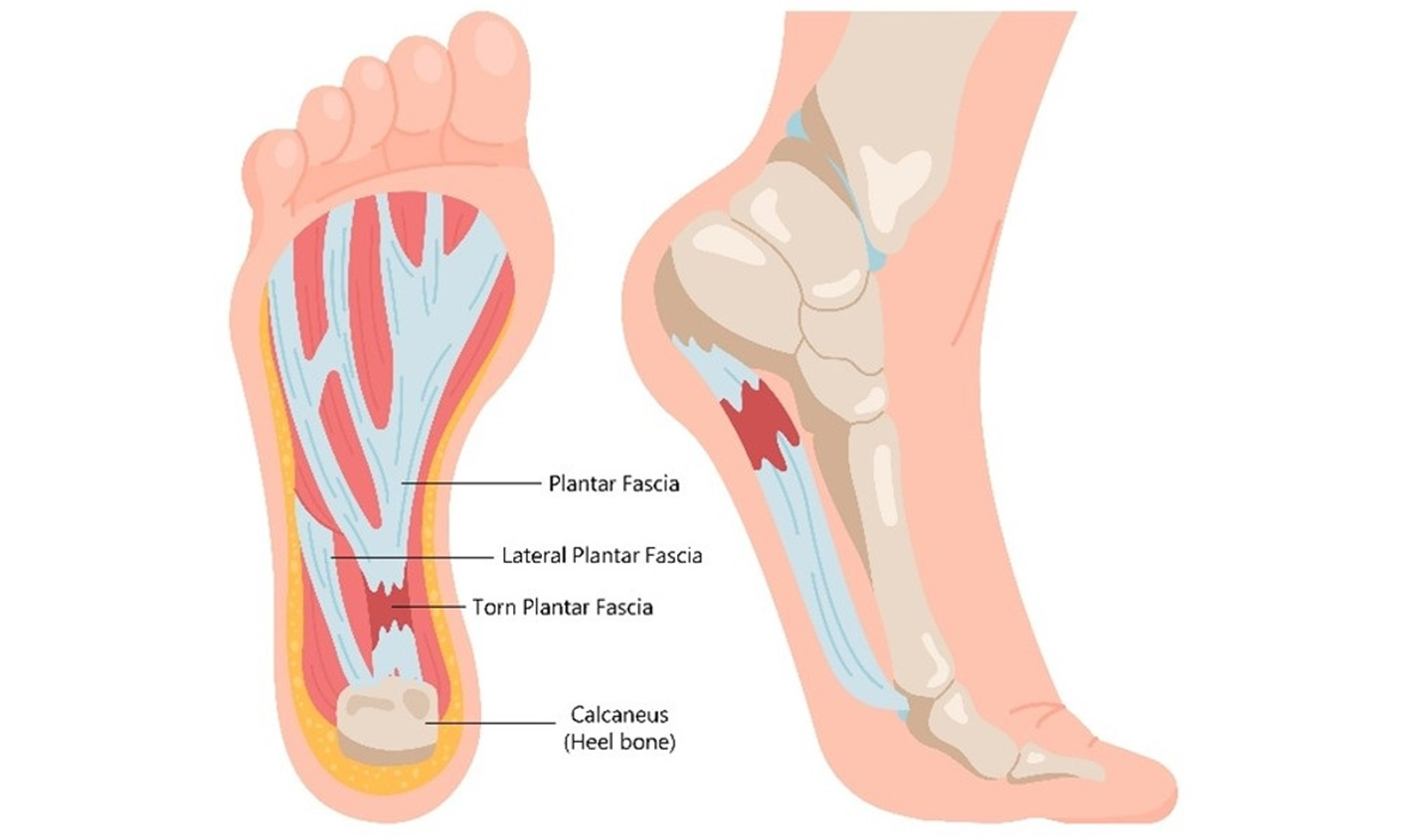
Plantar fasciitis is a common foot condition. It causes pain in the heel and bottom of the foot. The pain is due to inflammation of the plantar fascia. This is a band of tissue that supports the arch of the foot.
Many people experience this condition. It can happen to anyone, but some people are more at risk. Understanding plantar fasciitis helps in managing its symptoms and causes.
Causes And Risk Factors
Several factors can lead to plantar fasciitis. It often affects people who stand or walk for long periods. Age and certain physical activities can also increase the risk.
- High-impact sports like running
- Being overweight
- Wearing shoes with poor support
- Having flat feet or high arches
- Age, usually between 40 and 60
Common Symptoms
Plantar fasciitis symptoms can vary. The most common symptom is heel pain. This pain is usually worse in the morning or after resting. It can also cause discomfort in the calf area.
- Sharp pain in the heel
- Pain after standing for a long time
- Stiffness in the foot and calf
- Swelling and redness in the heel

Credit: rebuildphysiotherapy.com
How Plantar Fasciitis Affects The Foot
Plantar fasciitis is a common foot problem. It causes pain in the bottom of the foot.
This condition happens when the plantar fascia, a thick band of tissue, becomes inflamed. It can change how you walk and move.
Location Of Pain
The main pain from plantar fasciitis is at the heel. It can also spread along the arch of the foot.
Pain is usually worst in the morning or after rest. It may feel sharp or like a bruise.
Impact On Foot Mechanics
Plantar fasciitis changes how the foot moves. It can make you walk differently to avoid pain.
This change can put extra stress on other parts of the leg, including the calf muscles.
- Reduced foot flexibility
- Uneven weight distribution
- Increased calf muscle strain
- Altered walking patterns
Link Between Plantar Fasciitis And Calf Pain
Plantar fasciitis causes pain in the heel and foot. Some people also feel pain in their calf muscles. This connection can confuse those who suffer from foot pain.
Understanding why calf pain happens with plantar fasciitis helps in proper care. There are a few reasons linked to nerves, muscles, and inflammation.
Nerve Involvement
Nerves in the foot and leg can become irritated due to plantar fasciitis. The pain may travel from the heel up to the calf. This happens because some nerves connect both areas.
When the plantar fascia swells, it may press on nearby nerves. This pressure causes discomfort that feels like calf pain.
Muscle Compensation
People with plantar fasciitis often change how they walk. This change puts extra stress on calf muscles. The calf muscles work harder to support the foot.
This extra work can cause muscle soreness and pain in the calf area. The body tries to protect the injured foot by shifting weight.
- Alters walking pattern
- Increases calf muscle use
- Leads to muscle fatigue and pain
Inflammation Spread
Inflammation from plantar fasciitis can extend beyond the heel. Swelling may reach nearby tissues, including those in the lower leg. This spread can cause calf discomfort.
Inflammation irritates tissues and muscles, leading to pain signals in the calf. Treating inflammation early helps reduce this pain.

Credit: www.morningsideacupuncturenyc.com
Other Conditions That Cause Calf Pain
Calf pain can come from many different problems. It is important to know other causes besides plantar fasciitis.
Understanding these conditions helps you find the right treatment fast. Some causes are muscle issues, blood clots, or nerve problems.
Muscle Strain
A muscle strain happens when calf muscles stretch too much or tear. This causes pain and stiffness in the calf.
Strains often occur after exercise or sudden movements. The pain gets worse when you move or touch the muscle.
- Pain during or after physical activity
- Swelling or bruising in the calf
- Muscle weakness or difficulty walking
Deep Vein Thrombosis
Deep vein thrombosis (DVT) is a blood clot in a deep vein of the leg. It can cause swelling, warmth, and calf pain.
DVT is serious because the clot can travel to the lungs. Seek medical help if you have sudden calf pain with swelling.
- Swelling in one calf
- Red or warm skin over the calf
- Cramping or tenderness in the calf
Nerve Compression
Nerve compression happens when nerves in the lower back or leg are pinched. This can cause sharp or burning calf pain.
The pain may come with numbness or tingling. Sitting or standing for long periods can make the pain worse.
- Sharp or burning pain in the calf
- Numbness or tingling in the leg or foot
- Pain that changes with position
Diagnosis Methods For Plantar Fasciitis And Calf Pain
Plantar fasciitis causes heel pain and sometimes calf pain. Doctors use different ways to find the cause. This helps to treat the pain well.
Understanding if calf pain relates to plantar fasciitis needs careful checks. Diagnosis helps to rule out other problems.
Physical Examination
Doctors check the foot and calf for pain and swelling. They look for tender spots on the heel and calf muscles.
They watch how you walk and test foot movement. This shows if plantar fasciitis or other issues cause pain.
- Check for heel pain when pressing the bottom of the foot
- Look for tight calf muscles
- Observe walking patterns
- Test ankle and foot flexibility
Imaging Tests
X-rays help see bone spurs or fractures in the heel. They do not show soft tissue well.
MRI and ultrasound show the plantar fascia and calf muscles. These tests find inflammation or tears.
- X-rays for bone problems
- Ultrasound to check soft tissue
- MRI for detailed images of muscles and ligaments
Differential Diagnosis
Doctors rule out other causes of calf and heel pain. Conditions like tendonitis, nerve issues, or blood clots can cause similar pain.
Knowing the exact cause helps to give the right treatment and avoid complications.
- Tendonitis in the calf or foot
- Nerve problems like sciatica
- Deep vein thrombosis (blood clots)
- Stress fractures in foot bones
Treatment Options
Plantar fasciitis can cause pain not only in the heel but sometimes in the calf. Treating this condition can reduce discomfort and help with healing. Several options focus on relieving pain and improving foot function.
Choosing the right treatment depends on the severity of the pain and how long it has lasted. It is important to follow a care plan that fits your needs and lifestyle.
Rest And Ice Therapy
Rest helps reduce stress on the foot and calf muscles. Avoiding activities that cause pain is key to healing. Applying ice to the affected area can lower inflammation and numb soreness.
Ice should be applied for about 15 minutes every few hours during the first days of pain. Using a cold pack or a bag of frozen peas wrapped in a towel works well.
Stretching And Strengthening Exercises
Stretching the calf muscles and the plantar fascia can ease tightness. Strengthening exercises improve foot support and reduce strain. Consistent practice helps prevent future pain.
- Calf stretches against the wall
- Towel stretch for the foot arch
- Toe curls using a towel
- Heel raises to build calf strength
Orthotic Devices
Orthotic devices support the arch and reduce pressure on the plantar fascia. They come in different forms like shoe inserts or custom-made braces. Proper footwear with good cushioning also helps.
| Device Type | Purpose | Use |
| Over-the-counter inserts | Arch support | Daily footwear |
| Custom orthotics | Tailored fit for foot shape | Prescribed by a doctor |
| Night splints | Keep foot flexed during sleep | Worn overnight |
Medications And Injections
Pain relievers like ibuprofen reduce inflammation and ease pain. In some cases, doctors may recommend steroid injections for faster relief. These treatments should be used with care and guidance.
It is important to monitor effects and avoid overuse of medications. Combining medicines with physical treatments often gives the best results.
Preventing Calf Pain Related To Plantar Fasciitis
Plantar fasciitis often causes heel pain but can also lead to calf pain. This happens because tight muscles and changes in walking affect the calf. Preventing calf pain means caring for your feet and legs well.
Simple steps like wearing the right shoes, doing stretches, and changing activities can help reduce calf pain. These actions support your feet and stop extra strain on your calves.
Proper Footwear
Wearing shoes with good arch support lowers stress on the plantar fascia and calf. Proper shoes absorb shock and keep your feet in a natural position. Avoid flat shoes or worn-out soles.
Shoes with cushioned heels also help reduce calf muscle strain. Change shoes if they feel uncomfortable or cause pain.
- Choose shoes with firm arch support
- Use cushioned insoles for comfort
- Replace shoes regularly to avoid wear
- Avoid walking barefoot on hard surfaces
Stretching Routines
Stretching the calf muscles and plantar fascia eases tightness that leads to pain. Stretch daily to improve flexibility and reduce tension. Focus on gentle stretches that do not cause discomfort.
Simple stretches can improve blood flow and muscle health. Hold each stretch for at least 20 seconds and repeat two to three times.
- Calf stretch against a wall
- Plantar fascia stretch by pulling toes up
- Seated towel stretch for the foot and calf
- Heel raises to strengthen calf muscles
Activity Modification
Changing how you move helps reduce calf pain from plantar fasciitis. Avoid high-impact activities that strain your feet and calves. Switch to low-impact exercises like swimming or cycling.
Rest your feet when pain increases. Gradually return to activity with careful attention to pain levels. Use ice and elevation after exercise if calves feel sore.
- Limit running or jumping on hard surfaces
- Try swimming or biking for cardio
- Rest if calf pain worsens
- Use ice packs after activity if needed
Credit: www.veterans.gc.ca
Frequently Asked Questions
Does Plantar Fasciitis Cause Calf Pain?
Plantar fasciitis primarily causes heel pain but can lead to calf discomfort. Tight calf muscles strain the plantar fascia, causing referred pain in the calf area.
How Is Calf Pain Linked To Plantar Fasciitis?
Calf pain may occur due to muscle tightness from plantar fasciitis. This tightness limits ankle movement, increasing calf muscle strain and causing pain.
Can Plantar Fasciitis Treatment Relieve Calf Pain?
Treating plantar fasciitis with stretching and orthotics often reduces calf pain. Improving foot mechanics eases calf muscle tension and promotes healing.
When Should I See A Doctor For Calf Pain?
Consult a doctor if calf pain persists over a week, worsens, or limits mobility. Professional diagnosis ensures appropriate treatment and rules out serious conditions.
Conclusion
Plantar fasciitis mainly causes heel pain, not calf pain. Calf pain often comes from other issues like muscle strain or nerve problems. Understanding the difference helps you find the right treatment fast. Always check with a doctor if pain lasts or gets worse.
Taking care of your feet and legs can prevent many problems. Stay active, stretch, and wear proper shoes to keep pain away. Knowing the cause makes healing easier and faster.