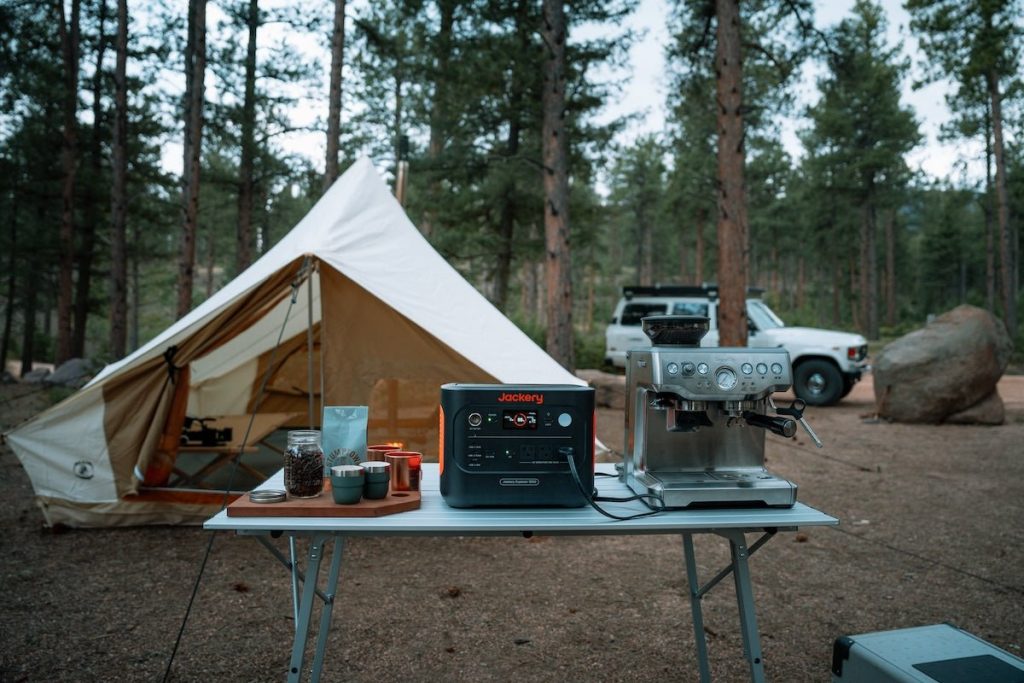
When the sun is blazing and you’re camping out in your tent, the heat can quickly turn your cozy shelter into an uncomfortable oven. You want to relax, sleep well, and enjoy your time outdoors—but the rising temperature inside your tent might be making that impossible.
What if you could keep your tent cool and comfortable, no matter how hot it gets outside? You’ll discover simple, practical tips that will help you beat the heat and make your camping experience much more enjoyable. Ready to transform your tent into a cool retreat?
Let’s dive in!
Choose The Right Tent
Keeping your tent cool is important for comfort in warm weather. Choosing the right tent can make a big difference.
Consider factors like fabric, ventilation, and color when selecting your tent. These features help keep the inside cool.
Lightweight And Breathable Fabrics
Choose tents made from lightweight and breathable materials. These fabrics allow air to flow through easily.
Breathable fabrics help reduce heat buildup inside the tent. They keep the air fresh and cool.
- Polyester and nylon are common choices
- Look for tents with mesh panels
- Avoid heavy, non-breathable fabrics
Ventilation Features
Good ventilation is key to keeping a tent cool. Look for tents with multiple vents and windows.
These features allow hot air to escape and cool air to enter. Proper airflow helps maintain a comfortable temperature.
- Roof vents provide upward airflow
- Side windows allow cross-ventilation
- Mesh doors keep bugs out while allowing air in
Color And Reflective Materials
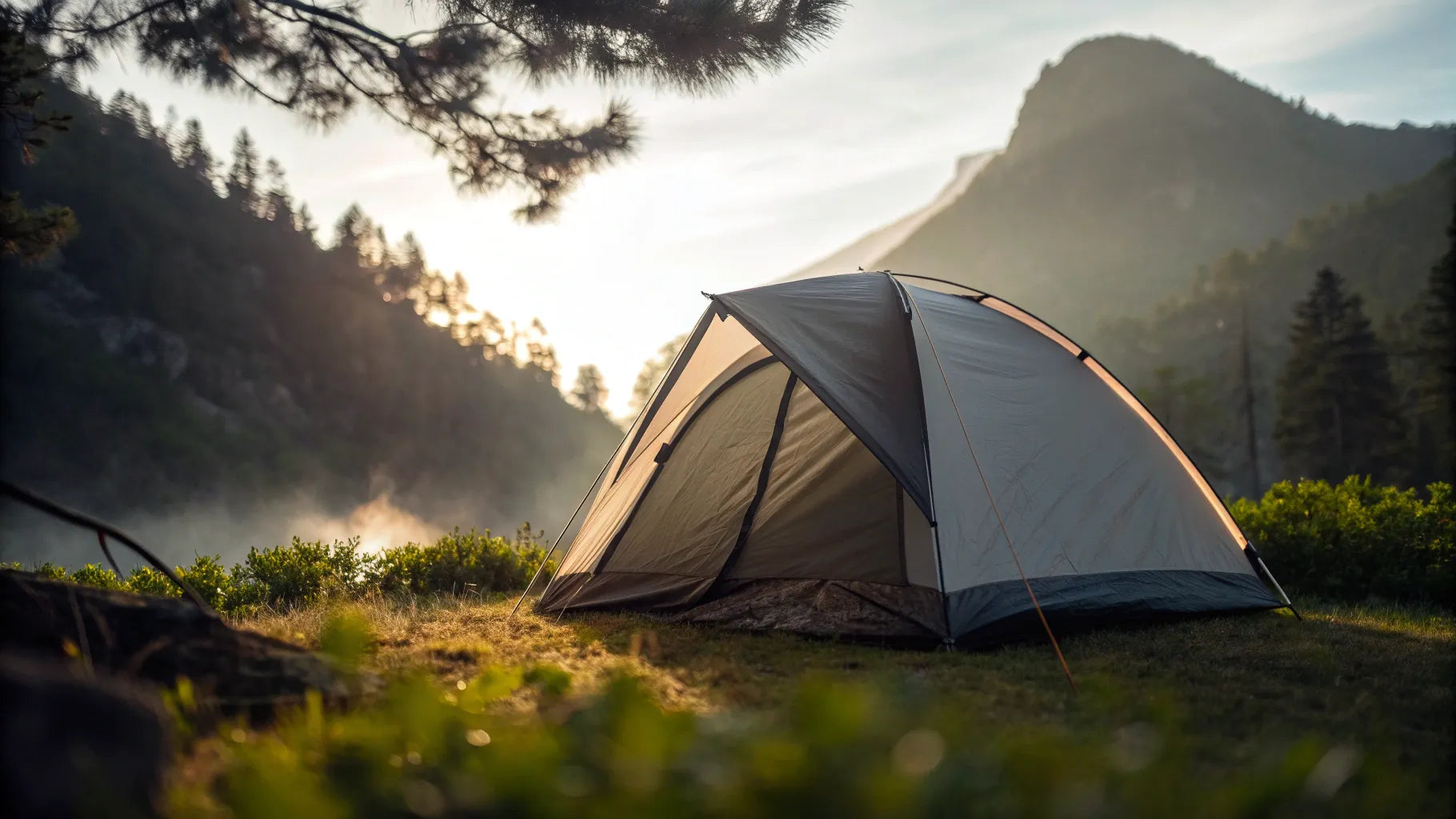
The color of your tent affects how much heat it absorbs. Light colors reflect sunlight and keep the tent cooler.
Some tents have reflective coatings. These materials bounce sunlight away, reducing heat inside the tent.
- Choose light colors like white or beige
- Look for tents with reflective elements
- Avoid dark colors that absorb heat
Credit: www.battlbox.com
Pick The Best Campsite
Choosing the right campsite helps keep your tent cool during hot days. A good spot can make your camping trip more comfortable. Think about the environment around you before setting up.
Look for places that naturally protect you from the sun and heat. Simple choices can lower the temperature inside your tent.
Find Natural Shade
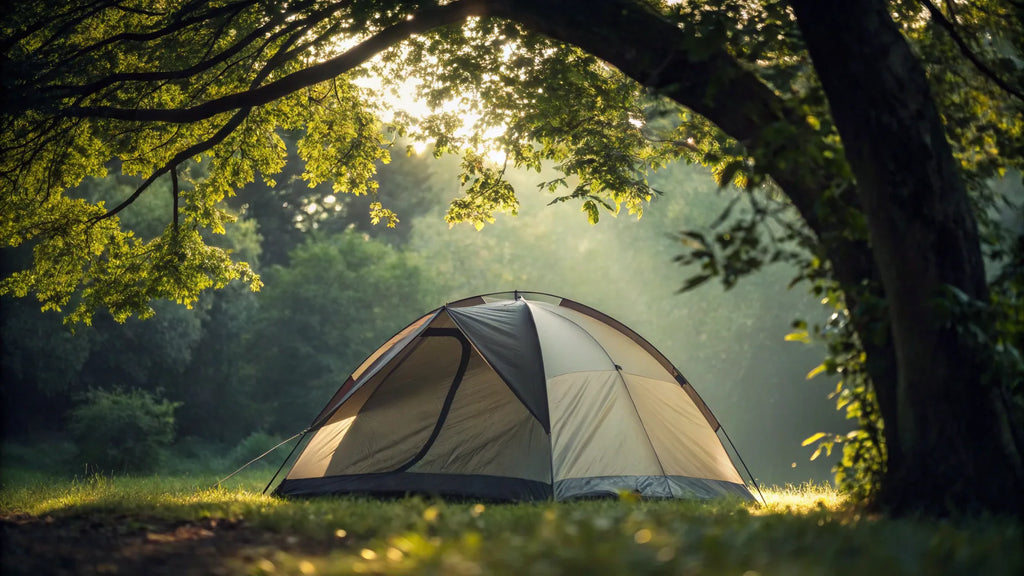
Shade from trees or rocks blocks direct sunlight from hitting your tent. This reduces heat buildup inside. Set your tent under large trees or near tall bushes.
Natural shade also keeps the ground cooler around your tent. Avoid open fields where sunlight shines all day.
Avoid Heat Traps
Heat traps are areas that stay hot because they hold heat. Avoid setting your tent near rocks or dark surfaces that absorb sun. These spots can make your tent very warm.
Also, steer clear of low spots where heat can gather. Look for flat or gently sloping areas with good airflow.
Consider Wind Direction
Wind helps cool your tent by moving hot air away. Set your tent where the wind can reach it easily. Avoid places blocked by hills or thick trees.
Check the usual wind direction before camping. Position your tent’s door or vents facing the breeze for better airflow.
Set Up Smartly
Keeping your tent cool starts with how you set it up. Good planning helps air flow and reduces heat inside.
Small changes in tent placement and ground cover can make a big difference on hot days.
Orient Tent For Airflow
Place your tent so that the doors face the direction of the wind. This helps fresh air enter and hot air leave.
Try to avoid setting up under trees that block the breeze. Open spaces allow better air movement.
Use Ground Tarps Wisely
Use a tarp under your tent to protect the floor from moisture and dirt. But be careful with tarp size and material.
- Choose a tarp slightly smaller than the tent floor to avoid rain runoff collecting underneath.
- Select a breathable tarp to reduce trapped heat and moisture.
- Keep the tarp clean and dry before setup.
Elevate Tent Floor
Raising your tent floor improves air flow below the tent. This helps reduce heat buildup.
| Method | Benefit |
|---|---|
| Use wooden pallets | Creates space under tent for airflow |
| Place tent on rocks or logs | Lifts tent off hot ground |
| Use camping cot inside | Keeps you off hot floor |
Credit: www.battlbox.com
Enhance Ventilation
Keeping your tent cool is important for comfort during warm days. Good airflow helps lower the temperature inside.
Improving ventilation lets fresh air flow in and hot air flow out. This stops the tent from feeling stuffy.
Open Windows And Doors
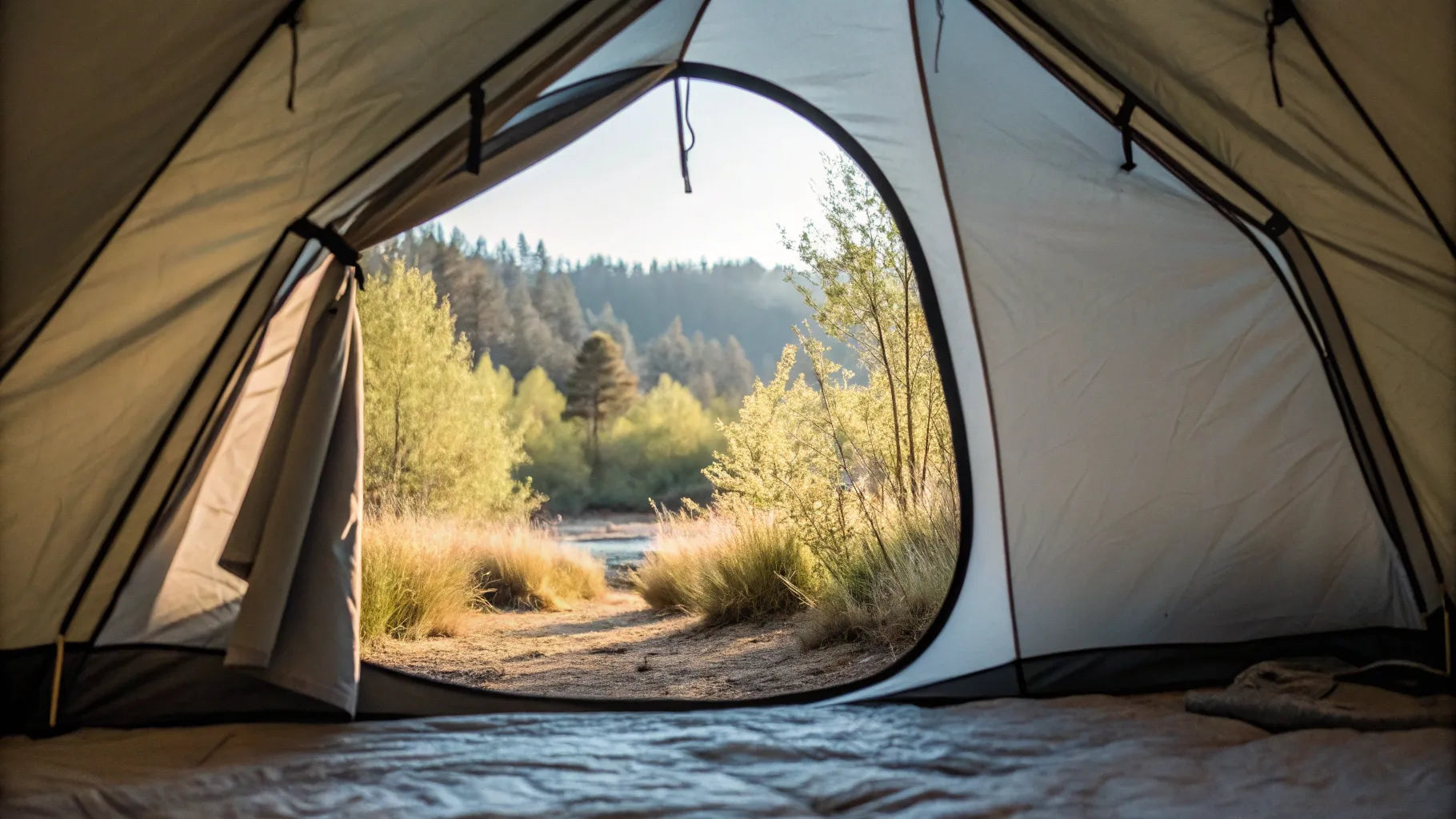
Opening the tent’s windows and doors lets air move freely. This helps cool the inside by replacing hot air.
Try to open windows and doors on opposite sides. This creates a path for air to flow through the tent.
Use Mesh Screens
Mesh screens cover windows and doors to keep bugs out. They still let air pass through easily.
Using mesh screens means you can leave openings without worrying about insects entering your tent.
Add Portable Fans
Portable fans help move air inside the tent. They make the space feel cooler by increasing airflow.
Place fans near openings to push hot air out or pull fresh air in. Battery-powered fans work well for camping.
Use Cooling Accessories
Keeping your tent cool makes camping more comfortable. Cooling accessories help lower the temperature inside the tent. They are simple tools that work well in hot weather.
Using the right accessories can make a big difference. They block heat, add coolness, and keep air fresh.
Cooling Towels And Mats
Cooling towels stay wet and feel cool on your skin. You can hang them inside the tent for a cooler air effect. Cooling mats use special materials to reduce heat where you sit or sleep.
- Use cooling towels to wipe your face and neck.
- Place cooling mats on tent floors or sleeping areas.
- These accessories absorb heat and release coolness slowly.
Ice Packs And Frozen Bottles
Ice packs and frozen bottles can cool the air inside your tent. Place them near a fan or open window for better air flow. They help lower the temperature quickly and last for hours.
- Freeze water bottles before your trip.
- Put ice packs in a shallow container inside the tent.
- Make sure to catch melting water to avoid wet floors.
Reflective Sun Shades
Reflective sun shades block sunlight from heating your tent. They reflect the sun’s rays away, keeping the tent cooler. Use them on the tent roof or windows to reduce heat build-up.
- Attach reflective shades outside the tent.
- Cover windows with reflective material to block sun.
- Choose shades that fit your tent size well.
Credit: www.battlbox.com
Manage Heat Inside
Keeping your tent cool helps you stay comfortable during hot days. Managing heat inside your tent is key to a good camping experience.
Simple actions can lower the temperature inside. Avoiding extra heat sources and staying cool can make your tent feel much better.
Limit Electronics Use
Electronics produce heat when they run. Using them less can reduce the heat inside your tent.
- Turn off devices when not in use
- Use battery-powered gadgets sparingly
- Avoid charging multiple devices inside
- Keep electronics out of direct sunlight
Wear Lightweight Clothing
Light clothes help your body stay cool. Choose fabrics that breathe and do not trap heat.
| Clothing Type | Material | Why It Helps |
| Shirt | Cotton or linen | Breathable and light |
| Pants | Lightweight nylon | Allows air flow |
| Hat | Wide-brimmed cotton | Shades face and neck |
Stay Hydrated
Drinking water helps your body cool down. It is important to drink often, even if you do not feel thirsty.
Tips to stay hydrated:
- Carry a refillable water bottle
- Drink small amounts regularly
- Avoid caffeine and alcohol inside the tent
- Eat fruits with high water content
Nighttime Cooling Tricks
Camping in hot weather can make sleeping inside a tent uncomfortable. Using simple tricks can help keep your tent cool at night. Staying cool helps you sleep better and enjoy your trip more.
Here are some easy ways to cool your tent during the night. These tips use natural airflow and smart gear choices to lower the temperature inside your tent.
Open Vents Overnight
Most tents have vents near the top or on the sides. Opening these vents lets hot air escape and cooler air enter. This natural airflow helps lower the temperature inside the tent.
Make sure to open vents fully after the sun sets. If bugs are a problem, use screens or mesh panels to keep insects out while letting air flow.
- Locate vents near the tent’s roof or upper sides
- Open vents fully for better air movement
- Use mesh panels to block bugs
Use Breathable Sleeping Bags
Choose sleeping bags made from breathable materials. These bags let heat and moisture escape from your body. This keeps you cooler and more comfortable at night.
Avoid heavy or insulated sleeping bags in warm weather. Lightweight cotton or linen bags work well. They help your body stay cool while you sleep.
- Pick sleeping bags with cotton or linen fabrics
- Avoid thick or insulated bags in hot weather
- Look for bags labeled as breathable or lightweight
Create Cross Breeze
Position your tent near open areas where wind can flow freely. Open doors or windows on opposite sides of the tent to create a cross breeze. This airflow cools the tent quickly.
Check wind direction before setting up your tent. Align the openings so air can pass straight through. This simple step helps reduce heat inside the tent at night.
- Set up your tent where wind is not blocked
- Open tent doors or windows on opposite sides
- Align openings with the wind direction
Maintain Tent Cleanliness
Keeping your tent clean helps it stay cool and last longer. Dirt and moisture can damage the fabric and attract pests. Clean tents are easier to set up and more comfortable to use.
Regular cleaning prevents bad smells and keeps the tent fresh for your next trip. Follow simple steps to remove dirt, stop mold, and store your tent properly.
Remove Dirt And Debris
After each use, shake out loose dirt and debris from inside and outside the tent. Use a soft brush to remove dried mud and leaves. Avoid using harsh tools that can tear the fabric.
- Shake the tent gently to remove dust
- Brush away stuck dirt with a soft brush
- Wipe spots with a damp cloth if needed
- Leave zippers open to clean debris
Prevent Mold And Mildew
Moisture trapped in your tent causes mold and mildew. Dry your tent completely before storing it. Use natural sunlight if possible, but avoid long exposure to direct sun to protect fabric.
| Tip | How It Helps |
|---|---|
| Dry tent fully | Stops mold growth |
| Store in a dry place | Prevents mildew |
| Use a tent footprint | Keeps floor clean and dry |
| Air out after use | Removes moisture and odors |
Store Properly After Use
Proper storage keeps your tent safe and ready to use. Fold it loosely and avoid tight packing. Store the tent in a cool, dry place away from direct sunlight and pests.
Storage Tips:
- Fold tent gently, not too tight
- Use breathable storage bags
- Keep away from damp basements
- Check tent monthly for damage
Frequently Asked Questions
How Can I Keep My Tent Cool During Hot Days?
Use light-colored, reflective tarps over the tent to block sunlight. Open windows and vents for airflow. Set up your tent under shade whenever possible to reduce heat buildup.
What Materials Help Tents Stay Cooler?
Tents made from breathable, UV-resistant fabrics like polyester or nylon help. These materials reflect sunlight and allow air circulation, keeping the interior cooler in hot weather.
Does Tent Ventilation Really Reduce Heat?
Yes, proper ventilation helps hot air escape and brings in cooler air. Open mesh windows, doors, and vents to improve airflow and reduce temperature inside the tent.
Can I Use A Fan Inside My Tent?
Yes, battery-operated or rechargeable fans improve air circulation and cool the tent. Position fans near openings for better airflow and lower tent temperature effectively.
Conclusion
Keeping your tent cool makes camping much more fun. Use shade and open windows to let air flow inside. Choose light-colored tents to reflect sunlight away. Place a wet cloth or towel near the tent entrance for extra coolness. Drink plenty of water to stay refreshed.
These simple tips help you enjoy nature without feeling hot and tired. Stay comfortable and make your outdoor trips better with cool tent strategies. Enjoy your adventure without the heat!