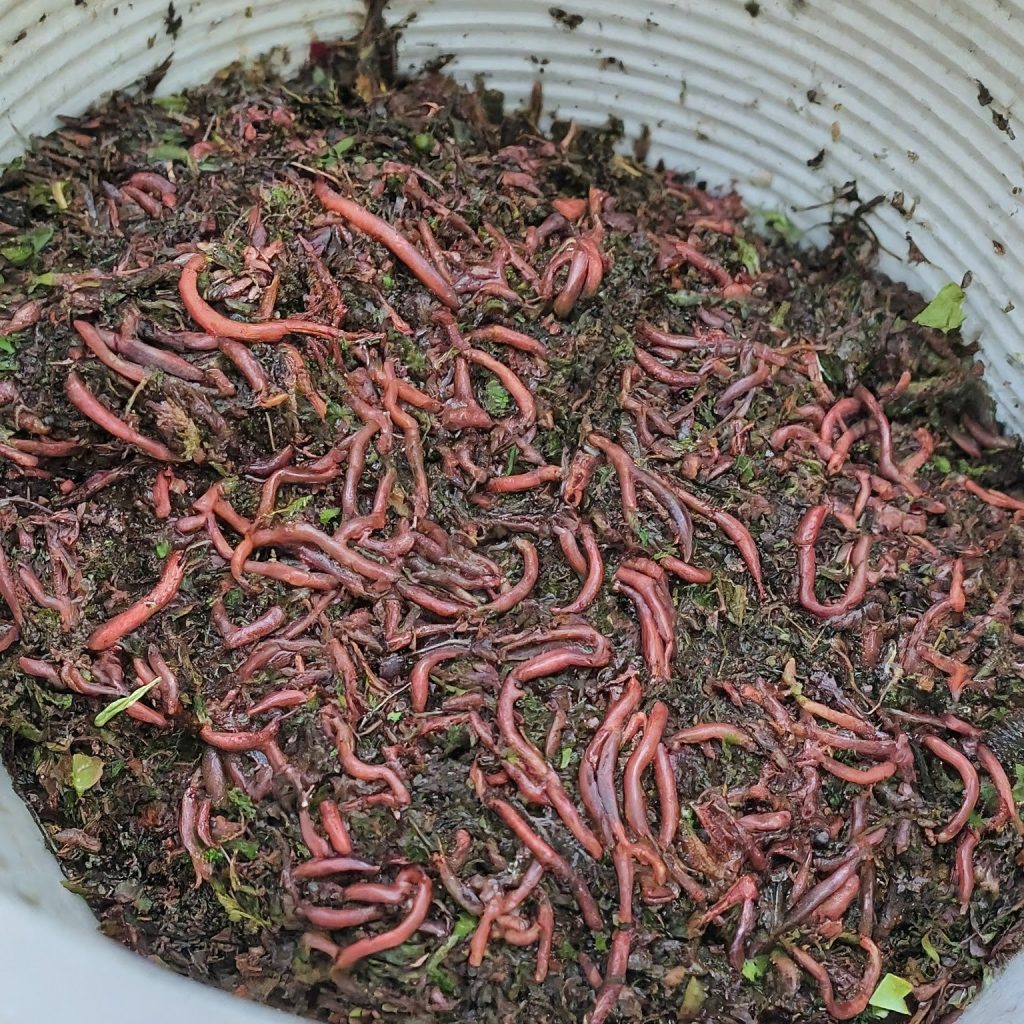
Are you wondering if adding worms to your compost bin is the right move? You might have heard that worms can speed up composting and create richer soil.
But is it really worth the effort? Before you toss those wriggly friends into your bin, it’s important to know what they do and how they can affect your compost. Keep reading to discover the surprising benefits—and a few things to watch out for—so you can make the best choice for your garden and your waste.
Benefits Of Adding Worms
Adding worms to your compost bin can be very beneficial. They help speed up the composting process and improve the quality of the soil.
Worms also help reduce unpleasant odors and minimize the presence of pests in your compost bin.
Faster Composting Process
Worms break down organic matter quickly. They eat the waste and produce rich compost faster than traditional methods.
- Worms consume organic waste rapidly.
- Their digestive process creates nutrient-rich castings.
- Compost is ready sooner for garden use.
Improved Soil Quality
The compost from worms is full of nutrients. It enriches the soil and boosts plant growth.
| Benefit | Description |
| Rich Nutrients | Worm compost adds vital nutrients to soil. |
| Better Structure | Improves soil texture and water retention. |
| Increased Microbes | Enhances beneficial soil bacteria and fungi. |
Reduced Odors And Pests
Worms help keep your compost bin fresh. They eat waste that can cause bad smells and attract pests.
- Less odor from decomposing waste.
- Fewer flies and other pests.
- Cleaner and more pleasant composting environment.
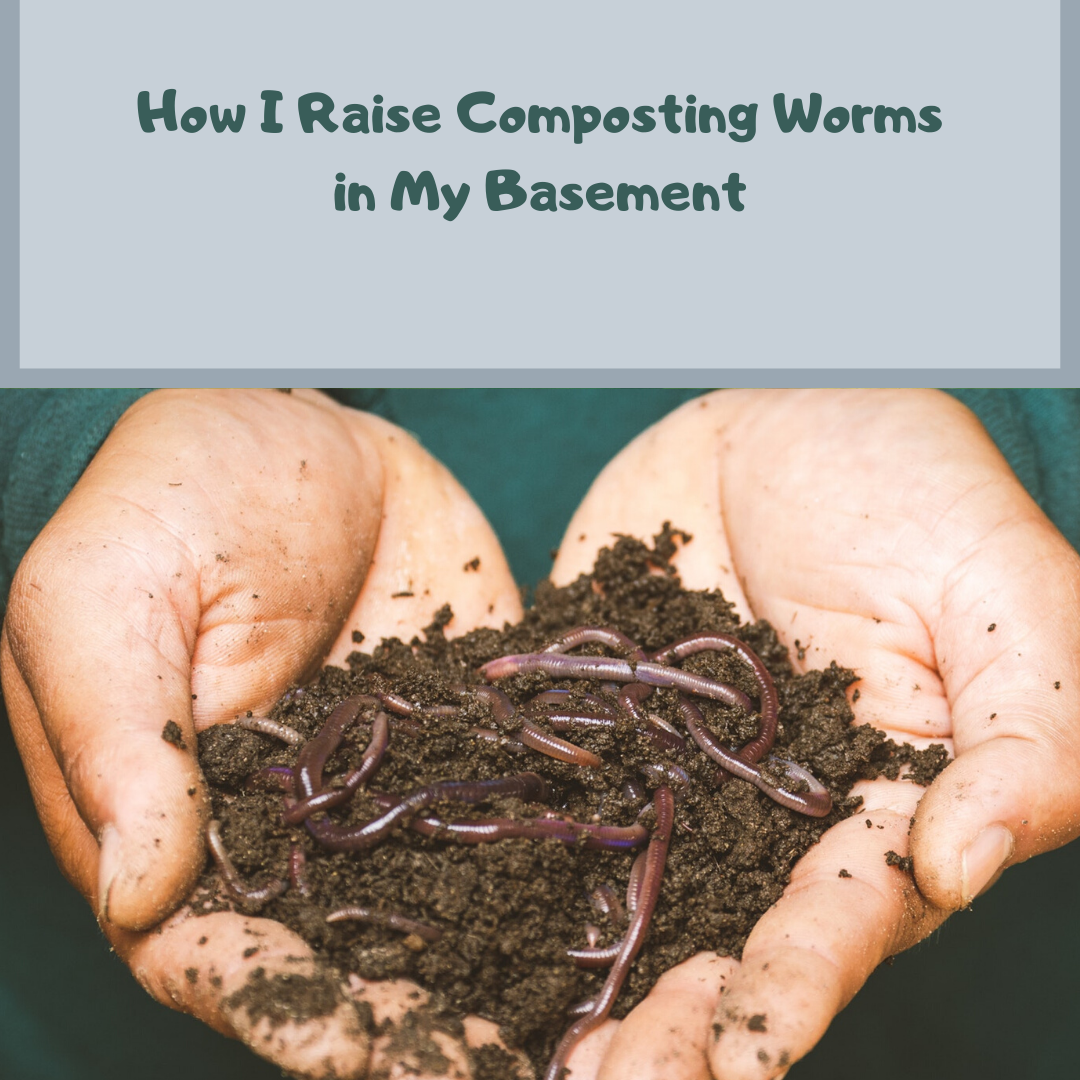
Credit: dengarden.com
Types Of Worms For Composting
Worms play an important role in compost bins. They help break down food scraps and turn waste into rich soil. Not all worms are good for composting. You need to choose the right type to get the best results.
This guide explains three common types of worms used for composting. Learn their traits to pick the best one for your bin.
Red Wigglers
Red wigglers are the most popular worms for compost bins. They live in rich organic matter and reproduce quickly. Their small size helps them work well in confined spaces like worm bins.
- Size: 3 to 4 inches long
- Color: Red to reddish-brown
- Preferred habitat: Decaying leaves and compost
- Composting speed: Fast
- Temperature range: 55°F to 77°F (13°C to 25°C)
European Nightcrawlers
European nightcrawlers are bigger than red wigglers. They can handle cooler temperatures and live deeper in soil. They are good for outdoor compost piles and large bins.
| Feature | European Nightcrawlers | Red Wigglers |
|---|---|---|
| Size | 4 to 8 inches | 3 to 4 inches |
| Color | Dark gray to blue-black | Reddish-brown |
| Temperature Tolerance | 45°F to 70°F (7°C to 21°C) | 55°F to 77°F (13°C to 25°C) |
| Habitat | Deeper soil layers | Surface organic matter |
| Reproduction Rate | Slower | Faster |
Common Earthworms
Common earthworms live mostly in garden soil. They are not the best for compost bins. They work slowly and prefer soil over decomposing food. You can find them in yards and fields.
Reasons to avoid common earthworms for composting:
- Do not breed well in confined bins
- Prefer soil to food scraps
- Slow composting activity
- Can escape from bins easily
Setting Up A Worm Compost Bin
Using worms in your compost bin helps break down food waste faster. Worms turn scraps into rich soil called worm castings.
Setting up a worm compost bin is easy. You only need the right container, bedding, and moisture.
Choosing The Right Container
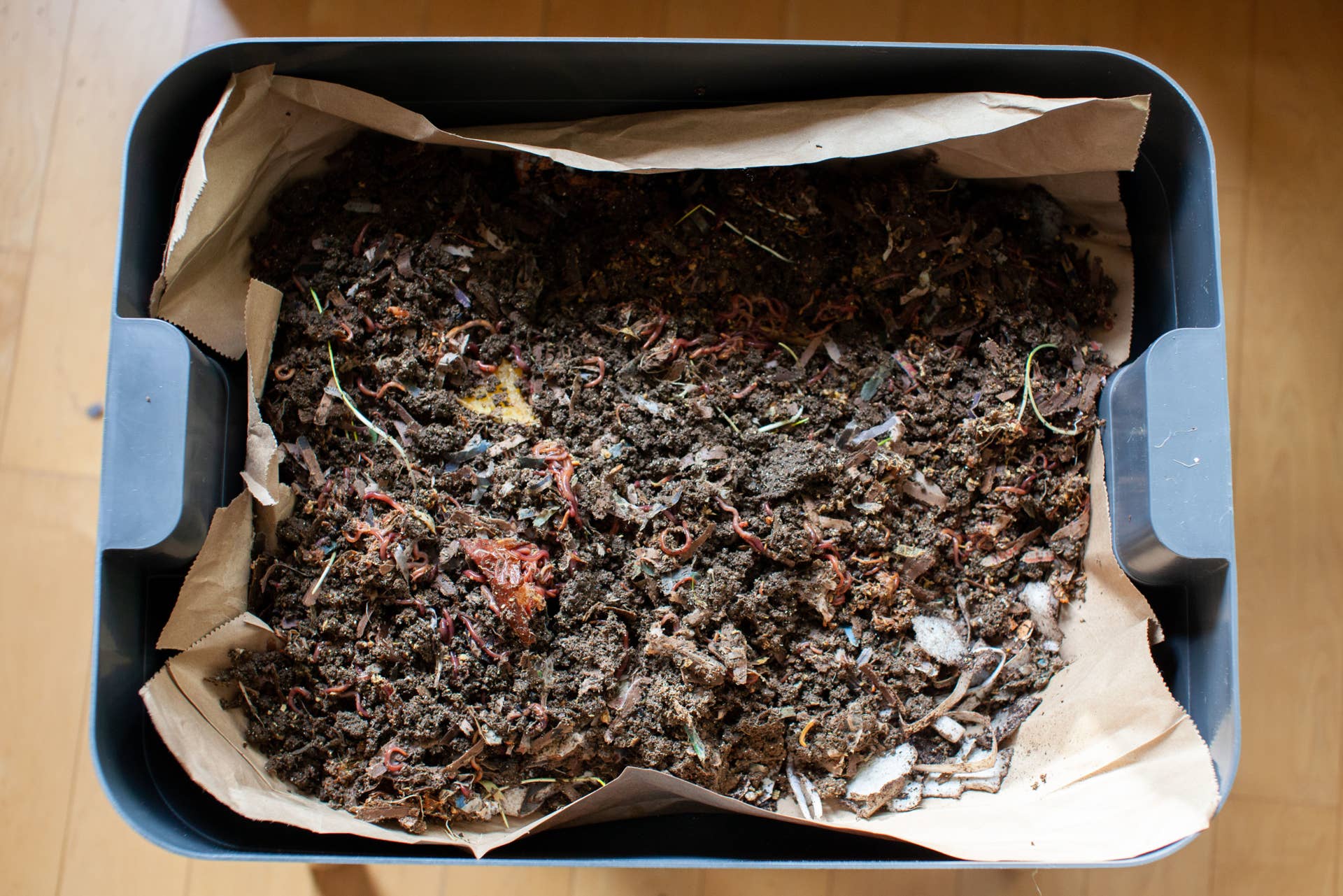
Select a container that keeps worms safe and moist. Plastic or wooden bins work well for worm composting.
Make sure the bin has holes for air and drainage. Worms need fresh air to survive and the bin should not get too wet.
- Choose a bin about 10-20 gallons in size
- Use containers with a lid to keep pests out
- Drill small holes on the sides and bottom for airflow
- Place the bin in a cool, shaded spot
Optimal Bedding Materials
Bedding gives worms a soft place to live and helps keep moisture balanced. Use materials that break down easily.
Good bedding materials include shredded paper, cardboard, and dry leaves. Avoid glossy paper or materials treated with chemicals.
- Shredded newspaper or plain paper
- Cardboard pieces
- Dry leaves or straw
- Peat moss or coconut coir
Maintaining Proper Moisture
Worms need damp bedding to live but too much water can harm them. The bedding should feel like a wrung-out sponge.
Check moisture often and add water or dry bedding as needed. Good airflow helps keep moisture balanced.
- Spray water lightly if bedding feels dry
- Add dry shredded paper if bedding is too wet
- Avoid standing water inside the bin
- Keep the bin in a place without direct rain

Credit: www.reddit.com
Feeding Worms In Compost
Worms help break down food scraps in your compost bin. Feeding them the right food keeps them healthy and active.
Good feeding habits speed up composting and make rich soil for your garden.
Best Food Scraps
Worms eat many kitchen scraps that are soft and moist. These foods provide the nutrients worms need.
- Fruit peels like banana, apple, and orange
- Vegetable scraps such as carrot tops and lettuce
- Coffee grounds and tea bags without staples
- Crushed eggshells to add minerals
- Cooked rice and pasta in small amounts
Foods To Avoid
Some foods can harm worms or attract pests. Avoid these to keep your worm bin safe and clean.
- Meat, fish, and dairy products
- Oily or greasy foods
- Citrus fruits like lemon and lime peels
- Onion and garlic scraps
- Spicy or salty foods
Feeding Frequency
Feed your worms small amounts regularly. This prevents waste from piling up and smelling bad.
Check the bin every few days. Add food only when the old scraps are mostly gone.
- Start with a handful of scraps
- Feed every 3 to 5 days
- Adjust feeding based on worm activity
- Remove uneaten food if it builds up
Troubleshooting Common Issues
Adding worms to your compost bin can speed up the process. But sometimes problems happen. Knowing how to fix them helps keep your compost healthy.
This guide covers three common problems you may face with worms in compost. You will learn how to handle worm escape, foul smells, and pests.
Handling Worm Escape
Worms may try to leave the bin if conditions are bad. They escape to find better places to live. This means the bin is not right for them.
Check if the bin is too wet, dry, or cold. Worms like moist, warm, and dark places. Fix these issues to keep worms inside.
- Keep the compost moist but not soggy.
- Keep the bin in a shaded, warm spot.
- Add bedding like shredded paper or leaves.
- Do not add too much food at once.
Dealing With Foul Smells
Bad smells mean the compost is not balanced. Worms need air and the right mix of food. Too much wet or smelly food causes odors.
Turn the compost to add air. Add dry materials like leaves or paper to absorb moisture. Avoid adding meat or oily food.
- Turn compost weekly to keep air flowing.
- Add dry bedding to reduce wetness.
- Remove any smelly or moldy food.
- Keep food scraps balanced with carbon materials.
Managing Pests And Predators
Pests like flies, ants, or rodents may visit the compost. Predators such as birds or small animals can harm worms. This disrupts the bin.
Keep pests away by covering food scraps and using tight lids. Remove pests by hand if possible. Protect the bin from animals by placing it on a stand.
- Cover fresh food with bedding to hide it.
- Use a secure lid to keep animals out.
- Place the bin off the ground on a stand.
- Remove pests like flies or ants manually.
Harvesting Worm Castings
Worm castings are a rich fertilizer made by worms breaking down organic matter. They help plants grow strong and healthy. Knowing when and how to harvest castings is important for best results.
Collecting and using worm castings correctly can improve your garden soil. Let’s look at the best times to harvest, ways to collect, and how to use them.
When To Harvest
Harvest your worm castings when the compost looks dark and crumbly. The worms should have eaten most of the food scraps.
Usually, this takes about 3 to 6 months. If you see many worms still inside, wait a little longer.
Methods For Collection
There are several ways to collect worm castings without harming the worms. Choose the method that suits your bin and needs.
- Hand Sorting:Remove castings by hand, separating worms gently.
- Light Method:Place the bin in sunlight; worms burrow down, letting you scoop castings from the top.
- Migration Method:Move fresh food to one side; worms migrate to new food, so you can harvest the other side.
Using Castings In Your Garden
Worm castings improve soil texture and add nutrients. Use them carefully to give plants a healthy boost.
| Use | How to Apply |
| Potting Mix | Mix 10-20% castings with soil before planting |
| Top Dressing | Sprinkle a thin layer on soil around plants |
| Compost Tea | Steep castings in water, then water plants with the liquid |
Credit: dengarden.com
Frequently Asked Questions
What Are The Benefits Of Adding Worms To My Compost Bin?
Worms speed up composting by breaking down organic waste efficiently. They produce nutrient-rich castings that improve soil health. Adding worms helps reduce odors and keeps the compost aerated. Overall, worms make composting faster and more effective.
Can All Worms Live In A Compost Bin?
Not all worms thrive in compost bins. Red wigglers (Eisenia fetida) are ideal for composting. Earthworms from gardens do not survive well in bins. Choose compost-specific worms for best results and healthy decomposition.
How Do Worms Improve Compost Quality?
Worms digest organic material and produce worm castings. These castings are rich in nutrients like nitrogen, phosphorus, and potassium. They enhance soil fertility and structure. Worm activity also increases microbial diversity in the compost.
Will Worms Survive Extreme Compost Bin Conditions?
Worms prefer moist, cool, and dark environments. Extreme heat or dryness can kill them. Ensure your compost bin maintains moderate moisture and temperature for worm survival. Proper care keeps worms active and healthy.
Conclusion
Worms can help break down kitchen scraps faster in your compost bin. They turn waste into rich soil that plants love. Compost with worms often smells better and stays moist. Worms need care, like the right temperature and food. Not every compost bin suits worms well.
Think about your space and time before adding them. Small efforts with worms bring big rewards for your garden. Try worms if you want healthy soil and less waste. Your compost journey can be simple and fun.