Are you tired of constantly watering your plants and still struggling to keep them healthy? What if there was an easier way to make sure your plants get just the right amount of water, even when you’re busy or away?
Self watering planters could be the simple solution you’ve been looking for. These clever containers take the guesswork out of watering and help your plants thrive with less effort. Keep reading to discover how self watering planters work and why they might be the perfect addition to your home or garden.
What Are Self Watering Planters
Self watering planters help keep plants hydrated. They are designed to water plants automatically.
These planters store water and give it to plants when needed. This helps plants grow healthy.
Basic Design And Components
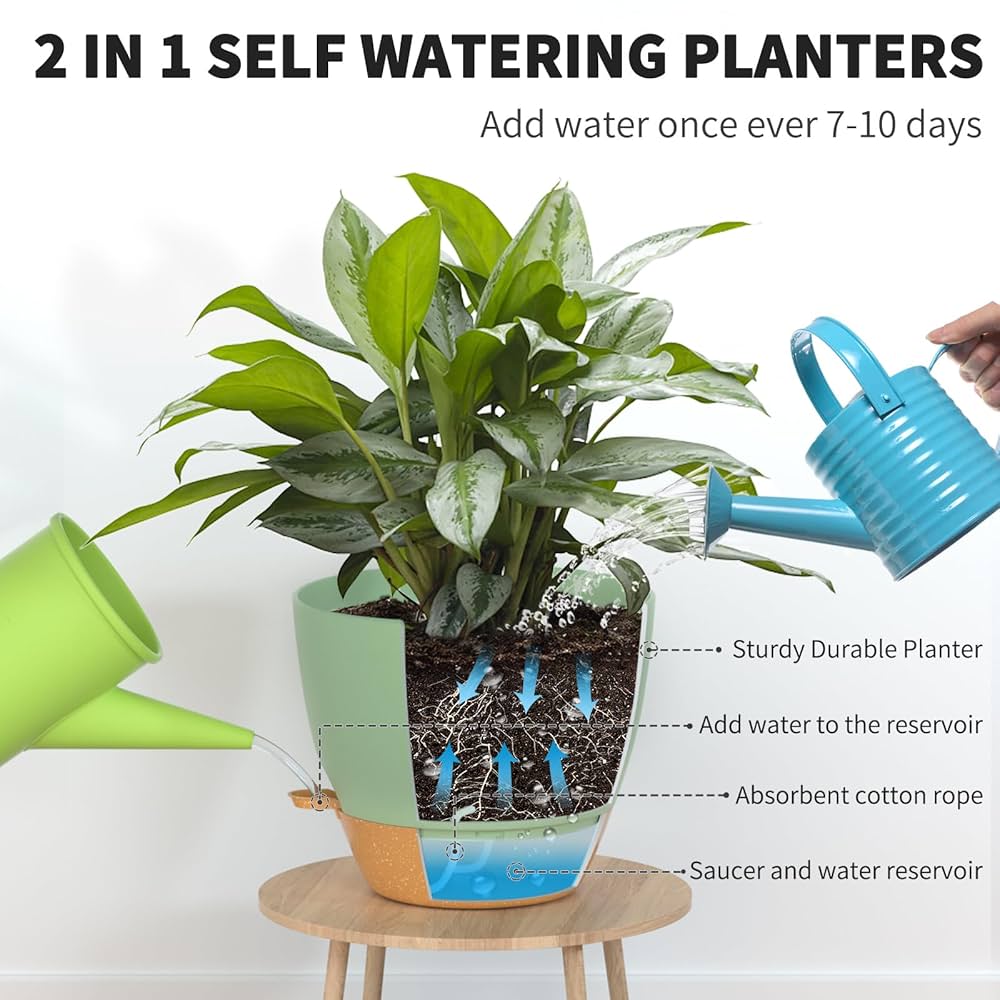
Self watering planters have a simple design. They usually consist of a pot and a water reservoir.
The pot holds the plant and soil. The reservoir holds water for the plant.
- Pot: Contains plant and soil
- Reservoir: Stores water
- Wicking system: Moves water to the soil
How They Work
Self watering planters use a wicking system. This system helps water move from the reservoir to the soil.
The plant takes water as needed. This prevents over-watering and keeps the plant healthy.
- Water is added to the reservoir
- Wicking system transfers water to soil
- Plant absorbs water from the soil

Credit: www.amazon.ca
Benefits Of Self Watering Planters
Self watering planters help plants get the right amount of water. They save time and reduce water waste. Many gardeners find them easy to use.
These planters have a reservoir that holds water. Plants draw water as needed. This keeps soil moist for longer periods.
Water Efficiency
Self watering planters use water carefully. They reduce water loss from evaporation and runoff. This makes watering more efficient.
- Water stays in the reservoir longer
- Plants absorb only what they need
- Less frequent watering saves water
Reduced Maintenance
These planters need less care than traditional pots. You do not have to water plants every day. This is helpful for busy people.
| Task | Traditional Planters | Self Watering Planters |
| Watering Frequency | Daily or every other day | Once a week or less |
| Soil Dryness | Dries out quickly | Stays moist longer |
| Water Spills | Common | Rare |
Healthier Plants
Plants grow better in self watering planters. They get a steady water supply. This reduces stress and root damage.
- Consistent moisture helps roots develop well
- Less chance of overwatering and root rot
- Plants resist drought better
Types Of Self Watering Planters
Self watering planters help plants stay hydrated without daily watering. They have a water reservoir that delivers water to the roots as needed.
There are different types of self watering planters. Each type suits different needs and places.
Plastic Vs. Ceramic
Plastic self watering planters are lightweight and often cheaper. They are easy to move and come in many shapes and colors.
Ceramic planters look stylish and last longer. They hold moisture well but are heavier and can break if dropped.
- Plastic: light, affordable, many designs
- Ceramic: heavy, durable, elegant appearance
Indoor Vs. Outdoor Options
Indoor self watering planters are smaller and fit well inside homes. They help keep houseplants healthy with less effort.
Outdoor planters are larger and built to handle weather. They often have stronger materials to last outside.
- Indoor: compact, decorative, easy to use
- Outdoor: large, weather-resistant, sturdy
Diy Self Watering Planters
You can make your own self watering planter with simple items. Old containers and wicks can create a water reservoir system.
DIY planters save money and allow custom sizes. They work well for small plants and beginners.
- Use plastic bottles or jars
- Add a wick or cloth to draw water
- Create a water reservoir below the soil
- Adjust size for your plant needs

Credit: www.amazon.ca
Choosing The Right Self Watering Planter
Self watering planters help plants get water on their own. They save time and keep soil moist.
Picking the right planter means looking at size, material, and the plants you want to grow.
Size And Capacity
Choose a planter size that fits your space and the plant’s needs. Bigger plants need larger water reservoirs.
- Small planters suit herbs and small flowers
- Medium size works well for vegetables and medium plants
- Large planters are best for shrubs or big plants
- Check the water tank size for how long it can hold water
Material Considerations
Materials affect planter weight, durability, and water retention. Common types are plastic, ceramic, and metal.
| Material | Pros | Cons |
| Plastic | Lightweight, affordable, retains moisture well | Can crack in sun, less durable |
| Ceramic | Stylish, good insulation | Heavy, may break easily |
| Metal | Strong, long-lasting | Can heat up, may rust |
Plant Compatibility
Not all plants like constant moisture. Pick planters that fit the water needs of your plants.
- Succulents and cacti need less water; avoid large water tanks
- Herbs and vegetables enjoy steady moisture
- Flowering plants may need moderate water levels
- Check if the planter allows good air flow to roots
Setting Up Your Self Watering Planter
Self watering planters help your plants get water regularly without much work. Setting them up correctly ensures your plants grow well.
This guide explains how to prepare the soil, fill the water reservoir, and plant properly in your self watering planter.
Preparing The Soil
Use light, well-draining soil for the best results. Avoid heavy or clay soils that hold too much water.
- Mix potting soil with perlite or sand to improve drainage
- Add compost to provide nutrients
- Fill the planter about two-thirds full with this soil mix
Filling The Reservoir
Check your planter’s reservoir size before adding water. Fill it slowly to avoid spilling into the soil.
| Reservoir Size | Water Amount |
| Small (1-2 liters) | 1 liter |
| Medium (3-5 liters) | 3 liters |
| Large (6+ liters) | 5+ liters |
Planting Tips
Plant your seeds or seedlings carefully to avoid damaging roots. Keep the soil moist but not soaked.
- Make a small hole in the soil for each plant
- Gently place the seedling or seed inside
- Cover lightly with soil and press down gently
- Water the soil surface if needed after planting
Maintaining Self Watering Planters
Self watering planters help plants get water slowly. They have a water reservoir at the bottom.
Proper care keeps these planters working well. Regular checks help plants stay healthy and hydrated.
Refilling The Water Reservoir
Check the water level in the reservoir often. Fill it with fresh water before it runs dry.
Use clean water to avoid harming the plant roots. Avoid overfilling to prevent leaks or spills.
Cleaning And Preventing Algae
Algae can grow in the water reservoir if it stays wet too long. Clean the reservoir regularly to stop this.
Use a soft brush and mild soap to clean the reservoir. Rinse well to remove all soap before refilling.
- Empty the water reservoir before cleaning
- Scrub gently to avoid damage
- Keep the planter in indirect light to reduce algae growth
Troubleshooting Common Issues
If plants look dry, check if the water is reaching the soil. Sometimes the wick or soil can block water flow.
Watch for signs like yellow leaves or dry soil. Fix these by cleaning the wick or loosening the soil.
- Make sure the reservoir has enough water
- Clear blockages in the wick or soil
- Check for root rot caused by overwatering
- Adjust the planter’s position for better air flow
Best Plants For Self Watering Planters
Self watering planters keep soil moist without daily watering. They are great for busy gardeners or dry climates.
Choosing the right plants helps them grow healthy and strong in these planters. Here are some good options.
Herbs And Vegetables
Many herbs and vegetables thrive in self watering planters. They like consistent moisture without waterlogging.
- Basil
- Mint
- Parsley
- Lettuce
- Spinach
- Tomatoes
- Peppers
Flowering Plants
Flowering plants can also grow well in these planters. They enjoy steady water to bloom fully.
| Flower | Water Needs |
|---|---|
| Petunias | Moderate |
| Geraniums | Low to moderate |
| Impatiens | High |
| Begonias | Moderate |
Succulents And Cacti
Succulents and cacti need less water. Self watering planters help if they have good drainage.
- Aloe Vera
- Jade Plant
- Echeveria
- Barrel Cactus
- Haworthia
Common Mistakes To Avoid
Self watering planters help keep plants hydrated without daily care. Many gardeners make errors that hurt plant growth. Learning what to avoid improves your planter’s success.
This guide covers common mistakes with self watering planters. Avoid these problems to keep your plants healthy and growing well.
Overwatering Risks
Too much water in self watering planters can drown roots. Overwatering causes root rot and weak plants. Watch water levels carefully to prevent damage.
- Fill the reservoir only to the recommended level.
- Check soil moisture before adding water.
- Do not leave water standing for long periods.
- Use planters with proper drainage holes.
Ignoring Plant Needs
Different plants need different amounts of water and light. Ignoring these needs can lead to poor growth or death. Learn your plant’s specific requirements before using a self watering planter.
- Research water needs for each plant type.
- Adjust watering frequency based on plant size and season.
- Provide enough sunlight or shade as needed.
Improper Planter Placement
Placing planters in the wrong spot causes stress to plants. Too much sun or shade affects water use and growth. Choose the best location for your plants.
| Placement | Effect on Plant |
| Too much direct sun | Soil dries fast, plant wilts |
| Too much shade | Slow growth, less flowering |
| Poor air circulation | Increased risk of pests and mold |
| Near heat sources | Water evaporates quickly, roots dry out |
Where To Buy Self Watering Planters
Self watering planters help plants stay hydrated with less effort. You can find them in many places. This guide shows where to buy these planters.
Choosing the right place to buy depends on your needs. Look for quality, price, and style that fit your space.
Online Retailers
Many online stores sell self watering planters. They offer a wide range of sizes and designs. You can shop from home and compare prices easily.
Some websites provide customer reviews and detailed product descriptions. This helps you pick the best planter for your plants.
- Large selection available
- Convenient home delivery
- Easy to compare features and prices
- Customer reviews help decisions
Local Garden Centers
Local garden centers often carry self watering planters. You can see the planters in person and check their quality. Staff can answer questions and offer advice.
Buying locally supports your community. You may find unique styles not sold online. Garden centers sometimes have sales or discounts.
- See and touch planters before buying
- Get expert advice from staff
- Support local businesses
- Occasional sales and discounts
Custom And Handmade Options
Custom and handmade self watering planters offer unique designs. Artists and small shops create planters tailored to your style. These options may cost more but add charm to your space.
Look for these planters at craft fairs, online marketplaces, or local artisans. You can request special colors or sizes to fit your needs.
- Unique and personalized designs
- Support small businesses and artists
- Options for custom sizes and colors
- Often made with care and quality

Credit: www.amazon.ca
Frequently Asked Questions
What Are Self Watering Planters Used For?
Self watering planters provide consistent moisture to plants. They reduce watering frequency, prevent overwatering, and promote healthier growth. Ideal for busy gardeners, they maintain soil hydration efficiently.
How Do Self Watering Planters Work?
These planters have a water reservoir at the base. Soil absorbs water through capillary action, keeping roots moist. This design ensures plants get water only when needed.
Are Self Watering Planters Good For All Plants?
Most plants benefit, especially tropical and indoor varieties. However, succulents and cacti prefer dry soil, so these planters may not suit them. Choose based on your plant’s watering needs.
Can Self Watering Planters Prevent Overwatering?
Yes, they limit water supply to plants, reducing root rot risk. The reservoir controls water availability, ensuring plants receive just enough moisture. This helps avoid common overwatering problems.
Conclusion
Self watering planters help plants stay healthy with less effort. They hold water and give plants what they need slowly. This saves time and stops plants from drying out. These planters suit busy people and beginners. They work well indoors and outdoors.
Using one means fewer worries about watering mistakes. Plants grow better with steady moisture. Choosing self watering planters can make gardening easier and more fun. A simple tool with big benefits for your plants.