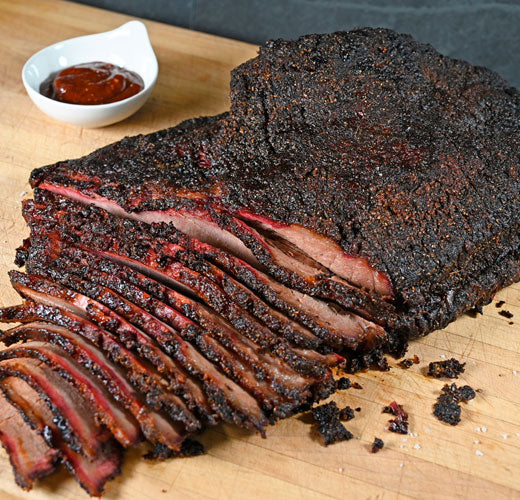
If you’ve ever dreamed of cooking a tender, juicy brisket with that perfect smoky flavor, you’re in the right place. Making brisket on a charcoal grill might seem tricky, but with the right steps, you can impress your friends and family with mouthwatering results.
This guide will show you exactly how to control the heat, prepare your meat, and master the slow-cooking process to get that unbeatable taste. Stick with me, and you’ll soon be the go-to grill master everyone talks about. Ready to fire up your charcoal grill and create brisket magic?
Let’s dive in.

Credit: www.youtube.com
Choosing The Right Brisket
Cooking brisket on a charcoal grill is an art. To make it right, selecting the perfect brisket is key. This guide will help you choose the best meat.
Let’s explore how to select quality brisket and understand the different cuts available. Your grilling experience will be better with the right choices.
Selecting Quality Meat
Quality meat will make your brisket juicy and tender. Look for a good balance of fat and meat. This balance ensures rich flavor and moisture during cooking.
- Check the color: Fresh brisket should have a deep red color.
- Feel the texture: It should be firm to the touch.
- Look for marbling: Small streaks of fat enhance flavor.
- Avoid dark spots: These indicate old or poor-quality meat.
Understanding Brisket Cuts
Brisket comes in different cuts. Knowing them helps you make the right choice. Each cut has unique features that affect cooking and taste.
| Cut | Description |
| Flat Cut | Lean with a uniform shape, easy to slice. |
| Point Cut | More marbling, ideal for shredding. |
| Whole Brisket | Includes both cuts, best for larger gatherings. |

Credit: www.youtube.com
Preparing The Brisket
Preparing the brisket well is key for great taste on a charcoal grill. It needs good trimming and seasoning.
Careful prep helps the meat cook evenly and soak up flavors. This makes the brisket tender and delicious.
Trimming Excess Fat
Trim the thick fat cap on the brisket to about a quarter-inch thick. Too much fat can cause flare-ups.
Remove any hard or silver skin fat. This fat does not melt well and can make the brisket chewy.
- Use a sharp knife for clean cuts
- Keep some fat for moisture and flavor
- Trim uneven edges for even cooking
Applying The Perfect Rub
Apply a dry rub to add flavor and create a crust on the brisket. The rub should cover all sides evenly.
A good rub often includes salt, pepper, and other spices. Avoid using too much salt to keep the meat juicy.
- Start with salt and black pepper
- Add garlic powder or onion powder
- Use paprika for color and mild heat
- Sprinkle brown sugar for sweetness (optional)
Setting Up The Charcoal Grill
Setting up your charcoal grill correctly is key to cooking tender brisket. You want to use indirect heat to avoid burning the meat.
Good heat control helps the brisket cook slowly and stay juicy. Let’s look at how to arrange the charcoal and keep the temperature steady.
Arranging Charcoal For Indirect Heat
Start by lighting the charcoal on one side of the grill. This creates a hot zone for heat and smoke.
Place the brisket on the opposite side, away from the coals. This indirect heat cooks the meat slowly without burning.
- Light charcoal and wait until covered with gray ash
- Push the hot coals to one side of the grill
- Place a drip pan under the cooking grate on the empty side
- Put the brisket over the empty side for indirect heat
Maintaining Consistent Temperature
Keep the grill temperature steady between 225°F and 275°F. This low heat cooks the brisket evenly.
Adjust the air vents to control airflow. More air means hotter fire; less air cools it down.
- Open vents more to raise heat
- Close vents slightly to lower heat
- Add charcoal every hour if needed
- Use a grill thermometer to check temperature
Smoking Techniques
Smoking brisket on a charcoal grill adds rich flavor and tender texture. It takes time and attention to get the best results.
Using the right smoking techniques helps create a perfect brisket with a smoky taste and juicy inside.
Choosing Wood For Smoke Flavor
Wood type changes the flavor of your brisket. Pick wood that matches the taste you want.
Hardwoods like oak, hickory, and mesquite give strong smoke flavors. Fruitwoods like apple and cherry offer mild and sweet smoke.
- Oak: classic, medium smoke, good for long cooks
- Hickory: strong, bacon-like flavor, use sparingly
- Mesquite: very strong, best for short cooks
- Apple: mild and sweet, adds a light fruity taste
- Cherry: sweet and fruity, gives a red color
Controlling Smoke Levels
Too much smoke makes brisket bitter. Too little smoke means less flavor. Control smoke for the best taste.
Use small wood pieces or chunks for steady smoke. Add wood slowly to keep a thin, blue smoke.
- Start with hot charcoal before adding wood
- Add wood pieces every 30-60 minutes
- Avoid thick white smoke; it means burning wood
- Keep vents open to maintain airflow
- Use a water pan to keep the grill moist and smoke steady
Grilling The Brisket
Grilling brisket on a charcoal grill takes time and patience. You cook it low and slow to make it tender and full of flavor. Managing the heat and checking the meat are key steps.
This guide will help you monitor the temperature and handle the meat after grilling. These tips ensure your brisket is juicy and delicious.
Monitoring Internal Temperature
Use a meat thermometer to check the brisket’s internal temperature. This helps you know when it is done. The right temperature makes the meat tender without drying it out.
- Insert the thermometer into the thickest part of the brisket.
- Watch for the temperature to reach about 195°F to 205°F (90°C to 96°C).
- Check the temperature every 30 minutes to avoid overcooking.
- Keep the grill temperature steady between 225°F and 250°F (107°C to 121°C) for even cooking.
Wrapping And Resting The Meat
Wrapping the brisket helps keep it moist during the last part of grilling. Resting lets the juices spread inside the meat, making it tender and flavorful.
| Action | Purpose | Tips |
|---|---|---|
| Wrapping | Retains moisture and speeds cooking | Use foil or butcher paper tightly around the brisket |
| Resting | Allows juices to redistribute | Let brisket rest for 1 hour in a cooler or wrapped towel |
Serving And Enjoying
After cooking brisket on a charcoal grill, the way you serve it matters a lot. Proper serving brings out the best flavors and texture.
Enjoying brisket with the right cuts and accompaniments makes your meal special and satisfying.
Slicing Tips
Slice the brisket thinly against the grain. This keeps the meat tender and easy to chew.
- Let the brisket rest for 20 minutes before slicing.
- Use a sharp knife for clean cuts.
- Cut across the muscle fibers to avoid toughness.
- Slicing too thick can make the meat harder to enjoy.
Pairing With Sides And Sauces
Brisket tastes best with simple sides and sauces that balance its rich flavor.
| Side Dish | Why It Works |
|---|---|
| Coleslaw | Offers a crunchy, fresh contrast |
| Baked Beans | Adds a sweet, smoky flavor |
| Cornbread | Soft texture and mild sweetness |
| Pickles | Cut through the richness with acidity |
Popular sauces to try:
- Classic barbecue sauce
- Mustard-based sauce
- Horseradish cream
Troubleshooting Common Issues
Cooking brisket on a charcoal grill can be tricky. Some common problems include dry meat and flare-ups. Knowing how to fix these issues helps you cook tasty brisket every time.
This guide covers two main problems: avoiding dryness and managing flare-ups. Each section gives simple tips to improve your grilling experience.
Avoiding Dryness
Dry brisket happens when it cooks too fast or loses too much moisture. Keep the heat low and slow for the best results. Use a water pan to add moisture in the grill.
Wrapping the brisket in foil or butcher paper halfway through cooking helps keep juices inside. Rest the meat after cooking to let the juices settle.
- Cook at a low temperature, around 225°F (107°C)
- Use a water pan to add moisture inside the grill
- Wrap brisket with foil or butcher paper during cooking
- Let brisket rest for at least 30 minutes before slicing
Managing Flare-ups
Flare-ups happen when fat drips onto hot coals. They can burn the brisket if not controlled. Keep a spray bottle of water nearby to put out small flames.
Move the brisket to a cooler part of the grill if flare-ups get too big. Trim excess fat before cooking to reduce dripping. Use indirect heat to avoid constant flare-ups.
- Keep a spray bottle of water near the grill
- Move brisket to cooler grill zones during flare-ups
- Trim excess fat before cooking to reduce drips
- Cook using indirect heat to avoid flare-ups

Credit: snakeriverfarms.com
Frequently Asked Questions
How Long Does Brisket Take On A Charcoal Grill?
Brisket usually takes 8 to 12 hours on a charcoal grill. Maintain a steady temperature between 225°F and 250°F. Use indirect heat and add charcoal as needed. Cooking time varies by brisket size and grill consistency.
What Charcoal Is Best For Grilling Brisket?
Use natural lump charcoal for brisket. It burns hotter and cleaner than briquettes. Hardwood lump charcoal adds smoky flavor, enhancing brisket taste. Avoid lighter fluid to prevent chemical flavors. Use quality charcoal for consistent heat and better results.
How Do You Control Temperature On A Charcoal Grill?
Control temperature by adjusting air vents on the grill. Open vents increase oxygen and heat, close to lower heat. Use a water pan to stabilize temperature and add moisture. Monitor with a grill thermometer for precise cooking.
Should Brisket Be Wrapped During Grilling?
Wrapping brisket in foil or butcher paper helps retain moisture. Wrap when internal temperature reaches around 160°F to 170°F. This speeds up cooking and prevents drying out. Unwrap near the end for a crispy bark.
Conclusion
Grilling brisket on charcoal takes time and patience. The smoky flavor makes it worth the wait. Keep your grill temperature steady for best results. Use a meat thermometer to check doneness. Let the brisket rest before slicing to keep it juicy.
Practice helps you improve each time you cook. Enjoy the process and share your tasty meal with friends. Charcoal grilling brings out rich, deep flavors you will love.